
无核三原则

Search documents
日媒体人说高市早苗政权非常可笑
Xin Lang Cai Jing· 2025-12-20 09:50
【#日媒体人说高市早苗政权非常可笑#】#日本媒体人说拥核言论太可怕#日本首相官邸一名负责安全保 障事务的官员12月18日称"日本应该拥有核武器",引发日本国内强烈批评。日本《朝日新闻》前记者佐 藤章19日表示,日本社会历来坚持"不拥有核武器、以无核追求和平"的坚定立场,此类言论在过去绝对 不可能出现。而高市早苗担任首相以来,不仅从官邸传出拥核言论,还企图修改"无核三原则",特别 是"不运进核武器"这一条款,事态已经发展至"可怕"的程度。佐藤章还说,高市政权持续到现在"非常 可笑",像是丧失了正常的判断能力。(央视新闻) ...
【双语】外交部例行记者会 / MFA Regular Press Conference (2025年12月19日)
Xin Lang Cai Jing· 2025-12-20 05:46
Group 1: U.S. Arms Sales to Taiwan - The U.S. has approved large-scale arms sales to Taiwan, which China views as a gross interference in its internal affairs and a serious threat to its sovereignty and territorial integrity [4][5][6] - China has expressed strong opposition to the arms sales, stating that it undermines peace and stability in the Taiwan Strait and sends a wrong message to "Taiwan independence" separatists [6][7] - China emphasizes that any actions to arm Taiwan will face serious consequences and that the real threat to peace in the Taiwan Strait comes from separatist activities and external interference [6][7] Group 2: China's Position on U.S. Legislation - The "National Defense Authorization Act for Fiscal Year 2026" has been signed into law in the U.S., which includes negative content regarding China, prompting strong discontent from China [14][15] - China urges the U.S. to adopt an objective view of China's development and to refrain from implementing negative provisions in the Act, warning of strong measures if the U.S. continues its current course [15][16] Group 3: Japan's Military Developments - Reports indicate that some Japanese officials are advocating for Japan to possess nuclear weapons, which China views as a serious issue and a dangerous attempt to breach international law [17][18] - China has criticized Japan's recent military policy adjustments and the potential revival of militarism, urging Japan to reflect on its historical actions and adhere to international norms [19][20] - The international community is called to recognize Japan's hypocritical stance on nuclear non-proliferation and disarmament, especially in light of Japan's historical aggressions [20][21] Group 4: Rare Earth Exports - China has reportedly resumed issuing licenses for rare earth exports, which is a significant topic in recent diplomatic discussions with India [24][25] - China's export control on rare earths is framed as a standard international practice, emphasizing its commitment to world peace and regional stability [25]


视频丨高市早苗持续遭批 日本民众再集会要求其撤回错误言论
Xin Lang Cai Jing· 2025-12-20 05:45
集会参加者:我认为高市煽动战争的言论是不可接受的。我们日本民众并不希望与任何国家发生战争。因此,她必须立即撤回那样的发言。我认为高市政府 是一个推动战争的、非常危险的政府。我们希望在宪法第九条的基础上,真正建设一个和平的国家。我们不能让国家走向军国主义,我们必须一起努力发 声。 (来源:千龙网) 日本首相高市早苗的涉台错误言论引发日本国内持续批评。19日,部分日本民众在东京举行抗议集会,要求高市立即撤回错误言论,停止制造紧张局势。 总台记者 李卫兵:19日晚,日本民众在国会议员会馆前再次自发举行抗议集会,呼吁守护和平宪法,要求高市早苗尽快撤回煽动战争的涉台错误言论。 集会参加者:如果高市不撤回相关言论,中方绝对不会接受。这只会进一步激化日中紧张局势。因此,她必须深刻反省并收回错误表态。我认为像以前那样 敷衍是行不通的。话已出口,如果不正式撤回,是无法被对方接受的。 集会参加者:高市所谓"台湾有事"的那些话真的让我感到震惊。她能作出那样的发言,从常识上来看,简直无法想象。 集会参加者还表示,高市图谋修改"无核三原则",不断增加防卫费等举动,违背了日本在和平宪法中所作承诺,绝对不可接受。 集会参加者:高市想要修改 ...
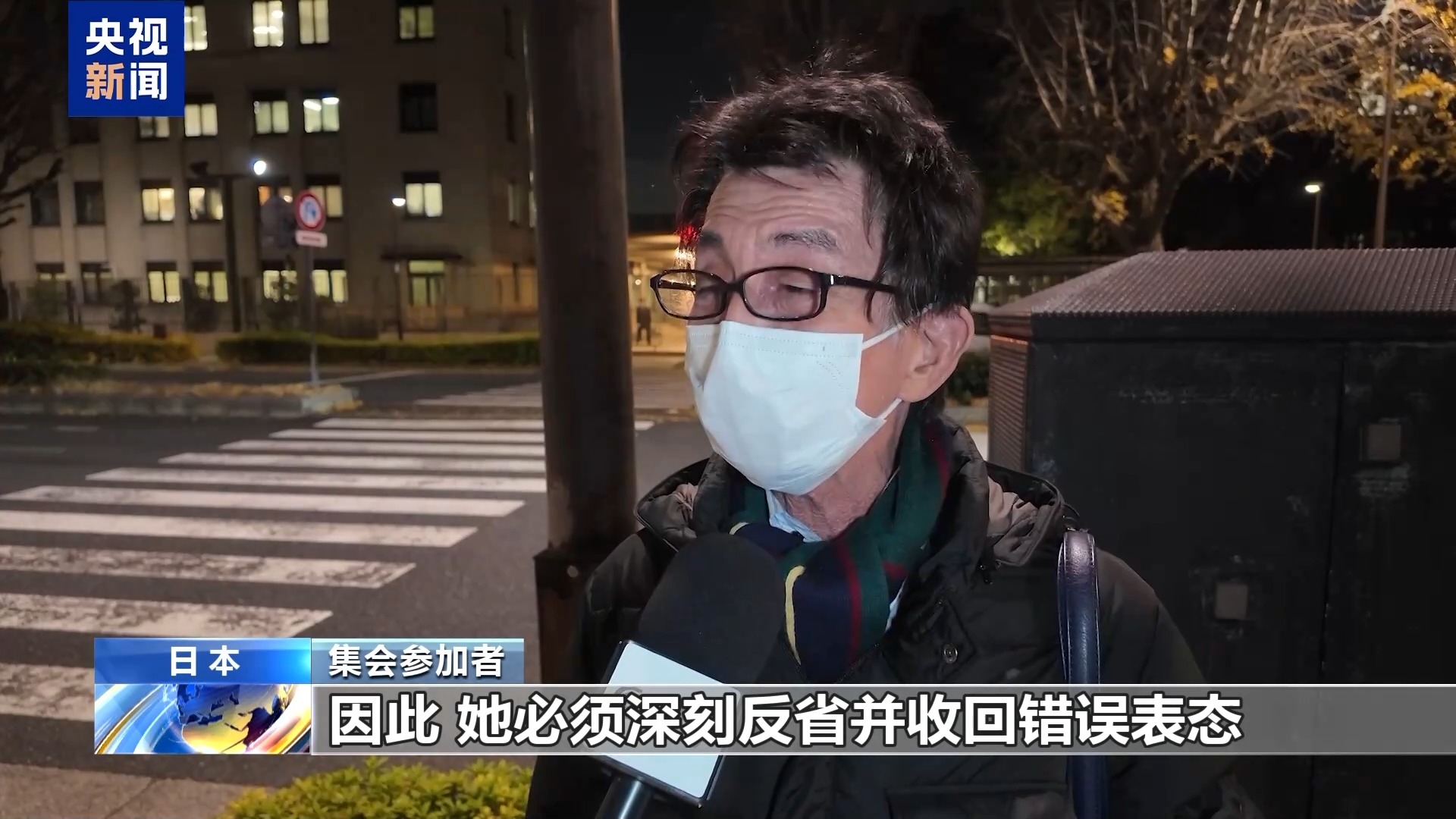
日本民众在东京再次举行抗议集会 要求高市早苗立即撤回错误言论 停止制造紧张局势
Yang Guang Wang· 2025-12-20 03:52
集会参加者:如果高市不撤回相关言论,中方绝对不会接受。这只会进一步激化日中紧张局势。因 此,她必须深刻反省并收回错误表态。 集会参加者还表示,高市早苗图谋修改"无核三原则",不断增加防卫费等举动,违背了日本在和平 宪法中所作承诺,绝对不可接受。 集会参加者:"无核三原则"本来就是日本应该一直坚持的基本方针。为什么现在又要讨论修改"无 核三原则"?对于明确表示"不拥有核武器"的日本来说,对于拥有和平宪法第九条的国家来说,这是绝 对不能接受的。 日本媒体报道称,日本首相官邸一名主管安全保障事务的官员18日称,"日本应该拥有核武器",日 本立宪民主党代表野田佳彦、日本公明党代表齐藤铁夫等日本政界人士19日认为,该言论令人震惊和愤 怒,相关官员应辞职。 央广网北京12月20日消息 据中央广播电视总台中国之声《新闻和报纸摘要》报道,日本首相高市 早苗的涉台错误言论引发日本国内持续批评。部分日本民众19日在国会议员会馆前再次自发举行抗议集 会,呼吁守护和平宪法,要求高市早苗尽快撤回煽动战争的涉台错误言论。 日本社会民主党党首、参议院议员 福岛瑞穗福岛瑞穗:这番言论极其荒谬。日本是唯一遭受过原 子弹轰炸的国家,真正的受害者 ...
高市早苗持续遭批 日本民众再集会要求其撤回错误言论
Yang Shi Xin Wen· 2025-12-20 01:34
日本首相高市早苗的涉台错误言论引发日本国内持续批评。19日,部分日本民众在东京举行抗议集会,要求高市立即撤回错误言论,停止制造紧张局 势。 集会参加者:我认为高市煽动战争的言论是不可接受的。我们日本民众并不希望与任何国家发生战争。因此,她必须立即撤回那样的发言。我认为高市 政府是一个推动战争的、非常危险的政府。我们希望在宪法第九条的基础上,真正建设一个和平的国家。我们不能让国家走向军国主义,我们必须一起努力 发声。 集会参加者还表示,高市图谋修改"无核三原则",不断增加防卫费等举动,违背了日本在和平宪法中所作承诺,绝对不可接受。 集会参加者:高市想要修改"无核三原则",这是绝对不能被允许的。"无核三原则"本来就是日本应该一直坚持的基本方针。为什么现在又要讨论修 改"无核三原则"?对于明确表示"不拥有核武器"的日本来说,对于拥有和平宪法第九条的国家来说,这是绝对不能接受的。 0:00 / 2:18 19日晚,日本民众在国会议员会馆前再次自发举行抗议集会,呼吁守护和平宪法,要求高市早苗尽快撤回煽动战争的涉台错误言论。 集会参加者:如果高市不撤回相关言论,中方绝对不会接受。这只会进一步激化日中紧张局势。因此,她必须 ...
日媒:对于日本是否会修改“无核三原则”,小泉进次郎在追问下宣称“不排除任何选项”
Huan Qiu Wang· 2025-12-19 11:16
记者随后确认"也就是说'无核三原则'今后有可能会被修改",小泉在回答时没有否定。 【环球网报道】据全日本新闻网报道,有日媒18日报道称,日本首相官邸一名高级别官员对记者声称, 他认为"日本应当拥有核武器"。有关言论受到日本舆论和政界的强烈抨击。日本防卫大臣小泉进次郎19 日被记者问及有关言论,在记者追问下小泉承认,对于今后是否会修改"无核三原则",日本政府"不排 除任何选项"。 据报道,小泉进次郎19日在记者会上回答记者提问时称对日本官员被曝宣称"日本应当拥有核武器"的报 道本身"不予置评"。记者随后追问,"你是否认为日本政府应坚持'无核三原则'且不对其进行修改。"小 泉回答时声称,"正如高市首相所说,日本政府将坚持'无核三原则'。" 不过,记者注意到小泉进次郎并没有说日本政府不会修改"无核三原则"。记者随后多次追问小泉是否能 够保证日本政府今后不会修改"无核三原则"内容,小泉则在回答时避重就轻,没有给出正面答复,双方 争论不休。最终,在记者的一系列追问下,小泉进次郎承认,对于是否会修改"无核三原则",日本政 府"不排除任何选项"。 "无核三原则"指不拥有、不制造、不引进核武器。1967年,时任日本首相佐藤荣 ...

【世界说】日本防卫费“野蛮生长”引国际担忧,专家警告威胁地区安全且民生在“防卫优先”下承压
Xin Lang Cai Jing· 2025-12-19 10:12
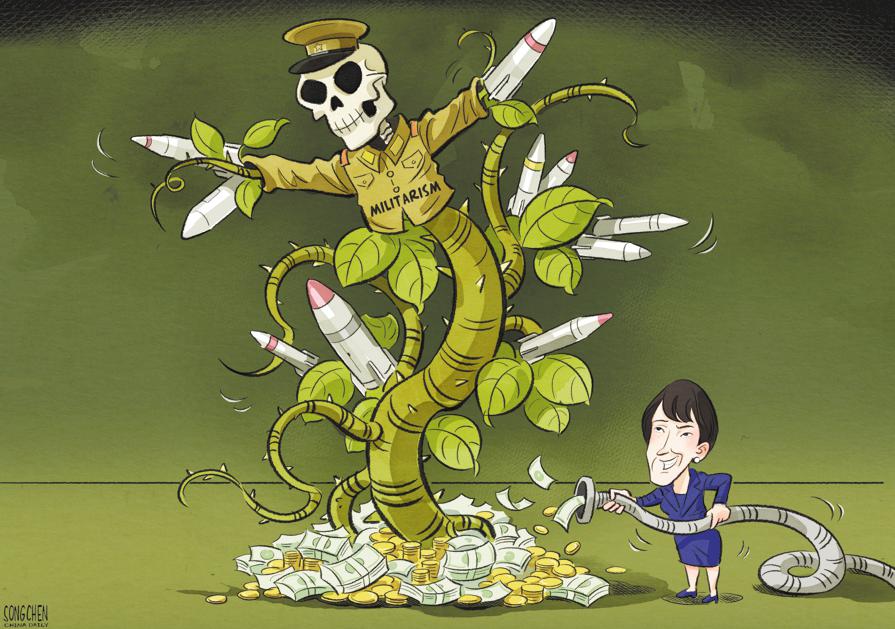
转自:中国日报网 中国日报网12月19日电 近期,日本高市早苗政府一系列激进防卫政策调整引发国际社会广泛担忧与批评。多国媒体及评论人士 指出,此举不仅可能动摇日本战后的和平发展路线和"无核三原则",损害历史正义,更将对日本本国民生福祉和地区安全稳定 构成严重威胁。 防卫预算大幅攀升 民生投入恐被挤压 12月16日,日本国会批准了本财年(2025年4月至2026年3月)一项总额高达18.3万亿日元的追加预算,为高市早苗一系列政策 提供资金。其中,6.4万亿日元将投向涵盖人工智能、太空战略等领域的"危机管理与经济增长投资",另有1.7万亿日元用于安全 与外交举措。这一大规模支出,特别是其中大量被指为"非紧急"的款项,已引发日本社会对财政健康与民生福祉的深切忧虑。 日本政府原计划在2028年3月前的五年内,将国防相关支出提升至43万亿日元。为筹集财源,除个人所得税外,政府还计划提 高企业所得税和烟草税。据《每日新闻》(The Mainichi)援引消息人士的话称,自民党正考虑从2027年1月起开征一项"特别所 得税"以资助国防开支,预计每年可增收超2000亿日元。多项增税措施叠加,预计每年将为政府新增超1万亿日元财 ...
日本高官称“日本需要核武器”,中方表态
Xin Lang Cai Jing· 2025-12-19 08:09
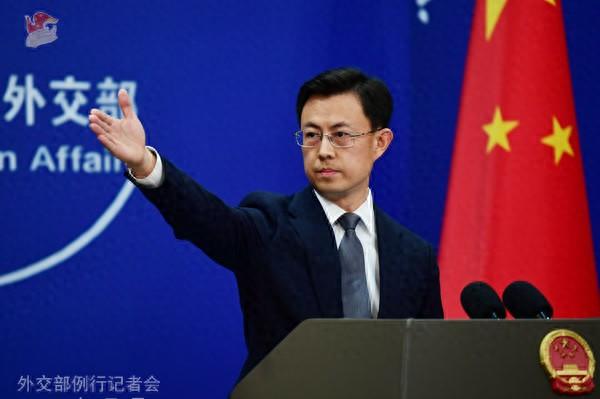
转自:北京日报客户端 12月19日,外交部发言人郭嘉昆主持例行记者会。 郭嘉昆指出,一段时间以来,日方在军事安全问题上错误言行不断,大幅调整安保政策,自我松绑集体 自卫权,图谋以"强化延伸威慑合作"寻求"核共享",图谋修改"无核三原则"等种种手段,以推动盟国核 武器重返日本。现在,日方一些势力又放风要拥有核武器,反映出日本右翼保守势力复活军国主义、摆 脱国际秩序约束、加速"再军事化"的野心膨胀。 "日方试图将自己装扮为推动建立无核武器世界的旗手,营造二战核受害者的叙事。"郭嘉昆表示,事实 上,日方未能彻底反省本国发动的侵略战争,成为挑战《不扩散核武器条约》、破坏国际核不扩散体系 的动荡源。国际社会必须擦亮眼睛,认清日本在核不扩散与核裁军问题上的虚伪立场。 "近期,日本多个政党、多名政要和不少民间团体机构呼吁,必须坚持'无核三原则',避免战争惨祸重 演。"郭嘉昆说,今年是中国人民抗日战争暨世界反法西斯战争胜利80周年。日方必须深刻反省历史罪 责,恪守国际法和自身宪法,停止为扩军强武寻找借口,停止在拥核问题上试探国际正义的底线红线。 来源:北京日报客户端 有外媒记者提问,日本首相官邸一名高级别官员表示日本需要核武 ...
日本多名政界人士强调“无核三原则”重要性,谴责首相官邸官员错误言论
Xin Lang Cai Jing· 2025-12-19 07:25
日本前首相、立宪民主党代表野田佳彦在19日的记者会上表示:"一时间难以置信,感到非常震惊。我 认为让其尽快辞职是恰当的。" 转自:北京日报客户端 针对日本首相官邸官员近日有关"日本应当拥核"的错误言论,当地时间19日,日本共产党书记局长小池 晃表示,这是不负责任的发言,绝不能容忍。日本政府应当撤回相关发言并罢免此官员。 日本公明党代表齐藤铁夫19日称,他"内心充满了无法接受的愤怒",认为该言论足以构成罢免理由。 据悉,日本首相官邸一名官员18日在非正式采访时称"日本应当拥核",同时提及了"这并不现实"的观 点。日本内阁官房长官木原稔在19日记者会见上表示"日本政府将坚持'无核三原则'",但未言及对发言 官员的处理、是否要求撤回发言等内容。 "无核三原则"指不拥有、不制造、不引进核武器。1967年,时任日本首相佐藤荣作在国会发言时提出 了"无核三原则"。这一原则于1971年在日本众议院全体会议上获得通过,成为日本政府关于核武器的基 本政策。2022年,日本政府通过的"安保三文件"中,也写明坚持"无核三原则"的基本方针不会改变。然 而据披露,日本首相高市早苗企图在修订《国家安全保障战略》等"安保三文件"时,对"无 ...
X @外汇交易员
外汇交易员· 2025-12-19 03:01
Geopolitical Implications - A Japanese government official suggested Japan should consider nuclear armament, a view conflicting with the nation's pacifist stance and "Three Non-Nuclear Principles" [1] - The statement, made by a member of PM Kishida's office responsible for security policy, could trigger domestic and international backlash [1] - The Kishida government is reportedly considering a significant shift in security policy, including revising the "Three Non-Nuclear Principles" [1] Policy Considerations - The government needs to provide a thorough explanation of its security policy, including its stance on nuclear issues, in light of the official's remarks [1] - The official acknowledged that nuclear armament is "not realistic" despite advocating for it [1]