Geopolitical Risk

Search documents
NBR Stock Down 56% in a Year: Should Investors Hold or Move On?
ZACKS· 2025-06-24 13:06
Core Insights - Nabors Industries Ltd. (NBR) has experienced a significant stock decline of 56% over the past year, underperforming compared to peers in the oil and gas drilling sector [1][13] - The company faces multiple operational and financial challenges, raising concerns about its near-term outlook and ability to stabilize and grow [2] Financial Performance - The U.S. Drilling segment reported a decrease in adjusted EBITDA from $105.8 million in Q4 2024 to $92.7 million in Q1 2025, attributed to lower rig counts and operational inefficiencies [3] - Daily margins in the Lower 48 states fell from $14,940 to $14,276 due to increased rig churn, leading to higher costs and contract instability [3][4] - Management anticipates only a marginal recovery in daily margins to $14,100 in Q2 2025, indicating ongoing pressure in the U.S. market, which accounts for 44% of total drilling revenues [4] Geopolitical and Market Risks - Nabors suspended operations in Russia due to U.S. sanctions, incurring $28.6 million in non-cash charges, and does not expect to resume activities there [5] - The company faces challenges in Colombia and Mexico, including delayed customer payments, with 20% of international rigs located in volatile regions, increasing exposure to geopolitical risks [5] Debt and Cash Flow Concerns - Nabors' net debt stood at $2.28 billion in Q1 2025, with adjusted free cash flow showing a usage of $71 million [6] - The company has a capital expenditure target of $770-$780 million for 2025, which includes $360 million for SANAD newbuilds, constraining near-term cash flow [6] - The Parker acquisition added $178 million in debt, and rising interest rates pose refinancing risks, raising concerns about financial stability [6] Dependency on Joint Ventures - The SANAD joint venture is crucial for growth, contributing significantly to international EBITDA, but its success is contingent on Saudi Aramco's capital discipline [7] - Any slowdown in Aramco's gas-focused drilling, which constitutes 75% of SANAD's activity, could jeopardize projections [7] Integration and Operational Challenges - The Parker acquisition, while expected to generate $40 million in synergies, introduces integration complexities and costs, with $14 million incurred in the first quarter [9] - Parker's negative free cash flow of $10 million in Q1 and a $60 million capex target for 2025 further strain liquidity [9] Customer and Revenue Risks - Nabors faces receivables issues, particularly in Mexico, where $20 million in expected collections were delayed [11] - The company's reliance on a few key clients increases vulnerability to payment delays or contract cancellations, contrasting with peers that have diversified their customer bases [11] Market Position and Comparison - Over the past year, Nabors' share price has dropped 56.4%, significantly more than declines of 45.7%, 50.9%, and 39.1% for peers Transocean, Helmerich & Payne, and Patterson-UTI Energy, respectively [13] - The overall Oils-Energy sector saw a rise of 3.6%, highlighting Nabors' underperformance relative to both its industry peers and the broader market [13]



World War 3: How To Prepare Your Crypto Portfolio (Do This Now)
Altcoin Daily· 2025-06-24 00:03
Geopolitical Impact on Markets - US-Iran tensions initially caused market anxiety, but a ceasefire was announced, leading to a market rally [1][2][22] - Historical data suggests that major US war events typically trigger short-term market dips, followed by bull markets [7] - Macroeconomic or geopolitical shocks often lead to a significant drawdown in the stock market, but recovery is typical, with a median recovery time of 17 days [9][10] Cryptocurrency Market Dynamics - Bitcoin experienced a dip during the initial strike but recovered, highlighting its 24/7 global and liquid nature [3][4] - Bitcoin's volatility is expected, with a 5% dip considered normal, and it has shown significant growth over the past 90 days (up 15%) and year (up over 50%) [4][5] - Altcoins are also showing signs of recovery, with investors being bullish on certain ecosystems like SUI [11] Monetary Policy and Asset Inflation - Global M2 money supply is expanding, which historically correlates with asset inflation, including Bitcoin, with an 80% correlation over time [8] - The US stock market's price-to-earnings ratio (P/E) is currently at 40x, indicating it is overvalued compared to historical averages and other developed/emerging markets [14] - The Federal Reserve has ended reputational risk oversight, easing crypto banking restrictions, which is considered bullish for the crypto market [13] Industry Developments and Opportunities - Delorean Motor Company (DMC) is launching a crypto on the SUI network, with an airdrop of over 15 million DMC tokens [11][12] - Hedge fund veterans are planning a $100 million BNB Treasury bet, indicating institutional interest in Binance's token [24] - VChain is experiencing growth, with 27 million addresses and 20 million actions [23]

Oil Plunges as Iran Retaliates for US Missile Strikes
Bloomberg Television· 2025-06-23 19:37
I guess if you take away the worst case scenario, that's actually helpful for lower oil prices. A couple of things to consider, though. One, Ali McCrossin RBC said over the weekend that she would caution against that knee jerk reaction that, quote, The worst is behind us.Now, the other factor to consider here, irrespective of the supply issue that may or may not happen with Iran is the demand side. So there's been a lot of stockpiling by China, a lot of stockpiling by other countries within the West as well ...
Iran Vows Retaliation for US Strikes, Trump Threatens More Attacks | Daybreak Europe 06/23/2025
Bloomberg Television· 2025-06-23 07:06
Geopolitical Risks & Market Impact - U S airstrikes on Iranian nuclear sites have heightened geopolitical risks, leading to concerns about potential Iranian retaliation and supply disruptions in the Middle East [1][2][5][16] - Oil prices initially spiked nearly 6%, but gains were later pared down to 1 4%, with Brent crude trading at $78 per barrel, reflecting market uncertainty regarding Iran's response [4][16] - The market is focused on whether Iran will disrupt shipping in the Strait of Hormuz, a crucial route for approximately 1/5 of the world's crude oil output [1][17] - Risk-off sentiment is observed across equity markets, with European futures down by 0 5% and similar trends in Asia, while the U S dollar gains amid concerns about escalation [2][57] - Gold prices are slightly weaker, down 0 2%, despite its traditional safe-haven status, indicating the primary focus remains on oil price volatility and potential retaliation [5][58] Potential Iranian Responses - Iran reserves the right to protect its people and sovereignty, with the possibility of a targeted response, such as striking U S military sites within the GCC [9][11] - Disrupting shipping in the Strait of Hormuz is another option, but it could be self-destructive for Iran's oil exports [12] - Iran may consider leaving the Non-Proliferation Treaty to signal its resolve to develop nuclear weapons [12] U S Objectives & International Reactions - The U S claims the strikes significantly set back Iran's uranium enrichment capabilities, but independent analysis is pending [6] - The U S asserts the mission was a precise attack on nuclear sites, not an attack on the Iranian people or a regime change move [6][31] - European leaders are calling for de-escalation and diplomacy, emphasizing that Iran should never be permitted to acquire nuclear weapons [50][51] - There are concerns among the international community about whether the U S airstrikes constitute a preemptive or preventative strike under international law [52][53] Long-Term Implications & Analysis - The location of 400 kilograms of highly enriched uranium in Iran is unknown, raising concerns about the effectiveness of military action alone in eliminating the nuclear threat [15][37] - The debate continues regarding the Joint Comprehensive Plan of Action (JCPOA), with some arguing it capped Iran's nuclear ambitions, while others criticize its expiration date and failure to address ballistic missiles and terrorism [41][42] - Some analysts suggest the U S should support regime change in Iran, but emphasize it must come from the Iranian people, not external intervention [44][45][46]

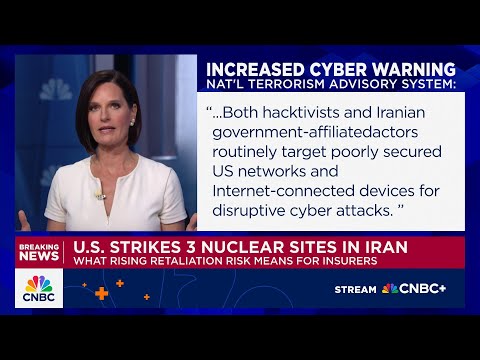
U.S. strikes 3 nuclear sites in Iran: What rising retaliation risk means for insurers
CNBC Television· 2025-06-23 00:12
Market Risk & Insurance Adjustments - Insurers are actively assessing and adjusting terms and conditions to account for existing and potential risks in regions like the Red Sea and the Strait of Hormuz [1][2][3] - The number of Western ships transiting the Red Sea has noticeably decreased, reflecting heightened risk awareness [2] - Marine insurance rates in the region have already increased significantly, with shippers paying 60% more than a month ago [5] - Aviation insurance is also likely to rise, with potential exclusion of certain Middle East and North Africa zones from reinsurance coverage, possibly leading to flight cancellations [5] Coverage & Potential Losses - Insurers offer solutions like war risk or political risk coverage, including contingent business interruption insurance for financial losses due to geopolitical disruptions [3] - Major players like Lloyd's of London syndicates, CHUB, AIG, Alons, AXA, Swiss Re, Munich Re, and Everest Group have exposure to these risks [4] - Cyber insurance policies often exclude state-sponsored attacks, potentially leading to costly litigation if insurers deny claims [6] Supply Chain & Trade Flow Impacts - Disruptions to cargo transportation routes, airspace, and canal access significantly affect global supply chains and trade flows, creating both challenges and potential opportunities for insurance [6][7] - The cost for an oil tanker has surged to approximately $100,000 per day, a significant increase from $24,000 just 12 days prior, with expectations it could rise further to $150,000 [7] Behavioral Changes - Some shippers are proactively changing routes to avoid higher premiums, and similar behavioral changes are anticipated in aviation [8]
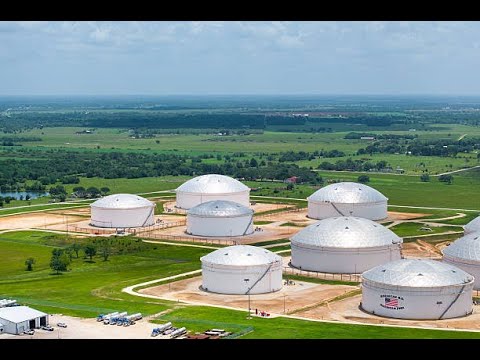
Iran Has Options to 'Play the Oil Card,' McNally Says
Bloomberg Television· 2025-06-22 23:19
Geopolitical Risk & Oil Market Impact - The market is pricing in some risk related to potential conflict escalation between Israel and Iran, but traders are somewhat desensitized to geopolitical disruptions due to past false alarms [4][5] - A full disruption of the Strait of Hormuz, through which 18 to 20 million barrels a day of oil and 20% of traded LNG pass, is considered a possibility but deemed "suicidal and self-harming" for Iran [2] - Iran has alternative options to disrupt oil markets, including attacks on energy infrastructure like the Saudi stabilization plant (Abqaiq) or harassment of ships [3] - The conflict's expansion to include attacks on key Gulf infrastructure is a major concern for Gulf countries [14] Spare Capacity & Alternative Routes - Most of the world's spare oil production capacity is located within the Strait of Hormuz, primarily in Saudi Arabia and the UAE [7] - Limited options exist to redirect oil around the Strait of Hormuz, including the Saudi East-West pipeline (5 million barrels a day capacity, with potential to increase by 3-35 million barrels a day) and the UAE's Fujairah pipeline (approximately 1 million barrels a day) [8][9] - Redirecting 3 to 4 million barrels a day of crude oil around the Strait of Hormuz might be possible [9] Strategic Petroleum Reserve (SPR) - The US SPR is at approximately 400 million barrels, representing half of its previous capacity [11] - Coordinated stock releases with IEA partners could potentially provide 2 million barrels a day in the event of a major disruption [12] - SPR release would only make a dent in the potential loss of 14 million barrels a day of crude and 6 million barrels a day of products [12] OPEC+ Response - OPEC+ is expected to maintain its current policy, remaining neutral and hoping the situation de-escalates [15]
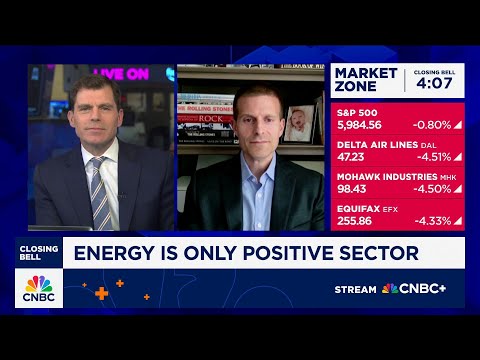
U.S. energy markets will take most of the hit from geopolitical tensions: Charles Schwab's Gordon
CNBC Television· 2025-06-20 21:26
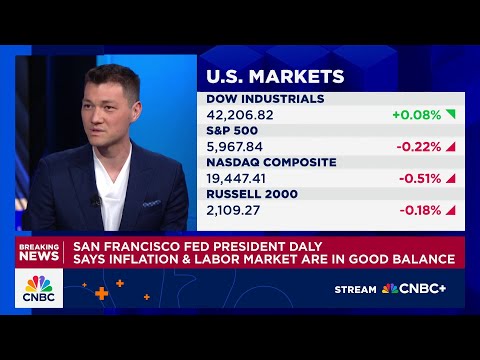
are finding ways to mitigate some of the impact on consumers. >> Let's get reaction from our guest, Charles Schwab senior investment strategist Kevin Gordon. Kevin, good to have you here.So you heard Daly saying things look good. Now, you've also talked in the past about the impact policy uncertainty is having on business confidence. How do you see that playing out in the markets for the rest of the summer.>> Yeah. Well, so far I mean the uncertainty has been more on the, you know, survey based side of thin ...
南华贵金属日报:金震银调-20250620
Nan Hua Qi Huo· 2025-06-20 02:58
Report Summary 1. Report Industry Investment Rating There is no information about the industry investment rating in the provided content. 2. Core View of the Report The medium- to long-term trend of precious metals is expected to be bullish. In the short term, with the need to wait for interest rate cuts, no escalation of geopolitical risks, and trade tariff negotiations not entering a sensitive period, the overall market is expected to remain in a high-level oscillation. Short-term corrections are regarded as medium- to long-term buying opportunities [4]. 3. Summary by Relevant Catalogs 3.1 Market Conditions - On Thursday, the precious metals market showed gold oscillation and silver adjustment. The COMEX gold 2508 contract closed at $3387.4 per ounce, down 0.61%; the US silver 2507 contract closed at $36.36 per ounce, down 1.5%. The SHFE gold 2508 main contract closed at 781.24 yuan per gram, down 0.49%; the SHFE silver 2508 contract closed at 8819 yuan per kilogram, down 1.91% [2]. 3.2 Interest Rate Cut Expectations and Fund Holdings - According to CME's "FedWatch" data, the probability of the Fed keeping interest rates unchanged in July is 89.7%, and the probability of a 25-basis-point rate cut is 10.3%. For September, the probability of keeping rates unchanged is 31.7%, the probability of a cumulative 25-basis-point cut is 61.7%, and the probability of a cumulative 50-basis-point cut is 6.7%. In October, the probability of keeping rates unchanged is 15.4%, the probability of a cumulative 25-basis-point cut is 46.3%, the probability of a cumulative 50-basis-point cut is 34.9%, and the probability of a cumulative 75-basis-point cut is 3.4% [3]. - In the long term, the SPDR Gold ETF holdings remained at 947.37 tons, and the iShares Silver ETF holdings remained at 14763 tons. The SHFE silver inventory increased by 14 tons to 1243 tons daily, and the SGX silver inventory increased by 59.6 tons to 1378.9 tons in the week ending June 13 [3]. 3.3 This Week's Focus - The Bank of England's interest rate meeting on Thursday kept the benchmark interest rate at 4.25% unchanged, but the divergence among voting members increased [4]. 3.4 Precious Metals Price and Inventory Data - **Price Data**: The SHFE gold main contract closed at 781.24 yuan per gram, down 4.18 yuan or 0.53%; the SGX gold TD closed at 777.44 yuan per gram, down 4.2 yuan or 0.54%; the CME gold main contract closed at $3387.4 per ounce, up $1 or 0.03%. The SHFE silver main contract closed at 8819 yuan per kilogram, down 226 yuan or 2.5%; the SGX silver TD closed at 8777 yuan per kilogram, down 212 yuan or 2.36%; the CME silver main contract closed at $36.76 per ounce, down $0.42 or 1.13% [4][5]. - **Inventory and Position Data**: The SHFE gold inventory was 18168 kilograms, unchanged; the CME gold inventory was 1175.2202 tons, down 0.009 tons; the SHFE gold position was 161031 lots, down 1390 lots or 0.86%; the SPDR gold position was 947.37 tons, up 1.43 tons or 0.15%. The SHFE silver inventory was 1242.994 tons, up 13.962 tons or 1.14%; the CME silver inventory was 15419.0964 tons, down 26.3768 tons or 0.17%; the SGX silver inventory was 1378.875 tons, up 59.55 tons or 4.51%; the SHFE silver position was 387527 lots, down 58454 lots or 13.11%; the SLV silver position was 14763.000528 tons, up 87.6368 tons or 0.6% [13]. 3.5 Other Market Data - The US dollar index was 98.7857, down 0.066 or 0.07%; the US dollar to RMB exchange rate was 7.19, down 0.002 or 0.03%; the Dow Jones Industrial Average was 42171.66 points, down 44.14 points or 0.1%; WTI crude oil spot was $75.6 per barrel, up $0.46 or 0.61%; LmeS copper 03 was $9619.5 per ton, down $31 or 0.32%; the 10-year US Treasury yield was 4.38%, down 0.01% or 0.23%; the 10-year US real interest rate was 2.07%, down 0.01% or 0.48%; the 10 - 2-year US Treasury yield spread was 0.44%, down 0.01% or 2.22% [17].

Why you should avoid the TINA trade (for now)
Yahoo Finance· 2025-06-17 20:30
Joining me now is Matt Stucky. He's the chief portfolio manager for equities at Northwestern Mutual Wealth Management. And Matt, you know, markets seem to be taking a breather today after yesterday's bounceback.How do you think investors are processing the latest risks here. Not just tariffs and inflation, but now that escalating geopolitical headwinds are on the table, that's another risk that we're going to have to deal with. Well, good morning, Ally.Thanks for having me back. Um yeah, there is no shortag ...

Equity markets are looking vulnerable, says Vital Knowledge's Adam Crisafulli
CNBC Television· 2025-06-17 20:24
Market Vulnerability & Risks - Market is looking vulnerable due to elevated valuations and limited capacity to absorb uncertainty [1][2] - Multiple risks are on the horizon, including tariffs, fiscal uncertainty, and the debt ceiling [3] - Poor economic growth in May indicates a downtick in growth momentum [3] Geopolitical Impact & Oil Prices - Geopolitical situation creates suspense, but oil prices are not acting particularly alarmed, remaining below Friday's highs [4] - Markets have generally absorbed geopolitical uncertainty well in the past, including conflicts in Ukraine, the Middle East, and between India and Pakistan [6] - Oil is considered the transmission mechanism for geopolitical issues to become broader macro problems [6] Treasury Yields & Economic Data - Inability of treasuries to spike higher despite geopolitical anxiety and weak economic data (missed retail sales, industrial production, and NHP housing survey) is notable [5] - Upward pressure on yields is attributed to fiscal imbalances and inflationary implications of tariffs [5] Labor Market & Fed Policy - Deteriorating jobless claims, especially continuing jobless claims, are a red flag indicating softness in the labor economy [7][8] - May data points to a downtick in growth momentum [7] - Fed is expected to maintain a relatively status quo outlook, seeing risks to both sides of its mandate [9] - The 2015 DO (likely referring to a member of the Federal Open Market Committee) potentially going from two to one (likely referring to a change in their dot plot projection) [10]