
中西医结合治疗

Search documents
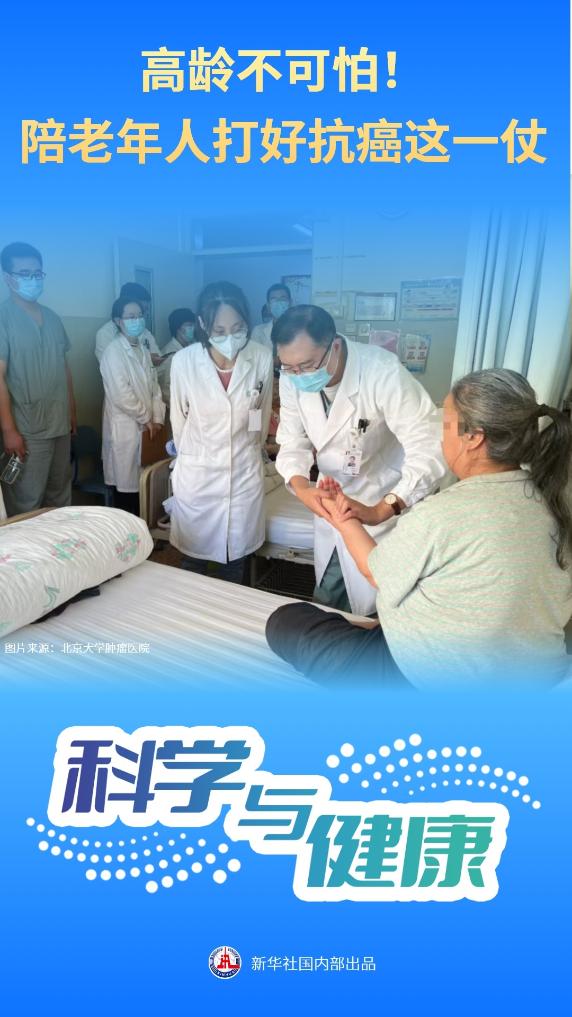
高龄不可怕!陪老年人打好抗癌这一仗
Xin Hua Wang· 2025-06-28 08:50
Core Viewpoint - The increasing incidence of cancer among the elderly in China poses a significant challenge for health management, necessitating personalized treatment approaches and early screening initiatives to improve outcomes for this demographic [1][2][10]. Group 1: Cancer Incidence and Characteristics - The proportion of new cancer cases among individuals aged 60 and above in China is 60.7% [1]. - Common malignancies in the elderly include lung cancer and digestive system cancers, accounting for approximately 65% of new cases in this age group [2]. - Factors contributing to cancer in older adults include age-related genetic mutations and the accumulation of carcinogenic factors over time [2][4]. Group 2: Treatment Approaches - There is a tendency among elderly patients to seek unverified remedies or to avoid conventional treatments due to misconceptions about the effects of surgery and chemotherapy [4]. - Personalized treatment plans are essential, taking into account the unique health status and treatment preferences of elderly patients [4]. - Both Western medicine, including targeted therapies and immunotherapy, and traditional Chinese medicine (TCM) play important roles in treating elderly cancer patients [6][8]. Group 3: Quality of Life and Supportive Care - Enhancing the quality of life for cancer patients can lead to improved survival rates [5]. - TCM practices, such as herbal remedies and acupuncture, have been shown to alleviate discomfort during chemotherapy and radiotherapy [8][9]. - Hospitals are developing unique TCM formulations to address specific symptoms associated with cancer treatments [9]. Group 4: Prevention and Early Detection - Early screening and diagnosis are critical for effective cancer management in the elderly [10]. - Initiatives are underway in various regions to provide free cancer screenings for older adults, targeting high-risk populations [10]. - Lifestyle modifications, including balanced nutrition and physical activity, are recommended to enhance the overall health and resilience of elderly individuals [10].

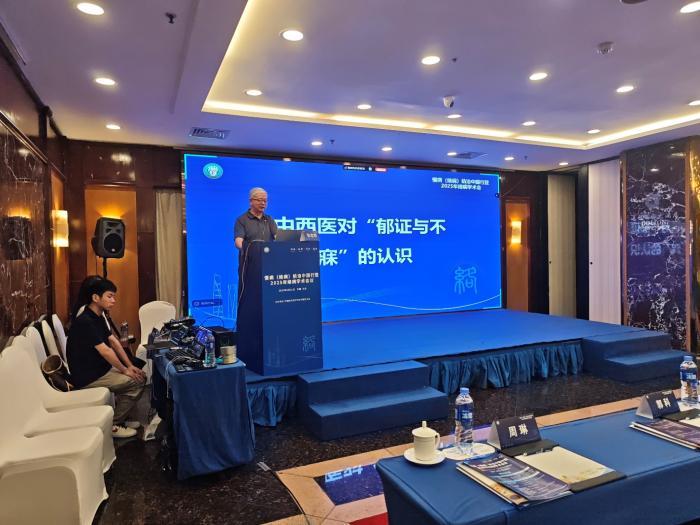
张宏耕教授:抑郁与失眠互为因果,创新中药治疗优势显著
Zhong Guo Xin Wen Wang· 2025-06-23 05:36
Core Viewpoint - The conference focused on the relationship between depression and insomnia, highlighting the importance of integrated treatment approaches using both traditional Chinese medicine and Western medicine to improve patient outcomes [1][2][4]. Group 1: Conference Overview - The "Chronic Disease Prevention and Treatment in China" conference was held on June 21, combining online and offline formats across Changsha, Wuhan, and Guangzhou, attracting hundreds of experts in mental health [1]. - Professor Zhang Honggeng presented a report on the understanding of "depression and insomnia" from both Chinese and Western medical perspectives, emphasizing the clinical effectiveness of innovative Chinese herbal medicines [1][3]. Group 2: Relationship Between Depression and Insomnia - Depression is characterized by persistent low mood lasting at least two weeks, while insomnia involves difficulty in falling or maintaining sleep for 2-3 weeks, both of which are interrelated [2]. - Approximately 40%-90% of depression patients experience insomnia symptoms, and 71.7% of those treated with antidepressants still have residual insomnia symptoms [2]. - Insomnia increases the risk of developing depression by 183%, anxiety disorders by 223%, and suicide risk by 67%, indicating a bidirectional relationship between the two conditions [2]. Group 3: Treatment Approaches - The conference highlighted the unique advantages of traditional Chinese medicine in identifying and treating depression and insomnia through personalized treatment plans [2][4]. - Innovative Chinese herbal medicines such as "Jieyu Chufan Capsule" and "Yishen Yangxin Anshen Tablet" were discussed for their significant clinical applications in treating different types of depression and insomnia [4]. - The "Jieyu Chufan Capsule" is effective for patients with symptoms like dizziness, chest tightness, and anxiety, while the "Yishen Yangxin Anshen Tablet" is recommended for patients with insomnia due to deficiency syndromes [4]. Group 4: Integration of Treatment Methods - The necessity of combining traditional Chinese and Western medicine for treating depression and insomnia was emphasized, as this approach can enhance treatment efficacy and reduce side effects [4].
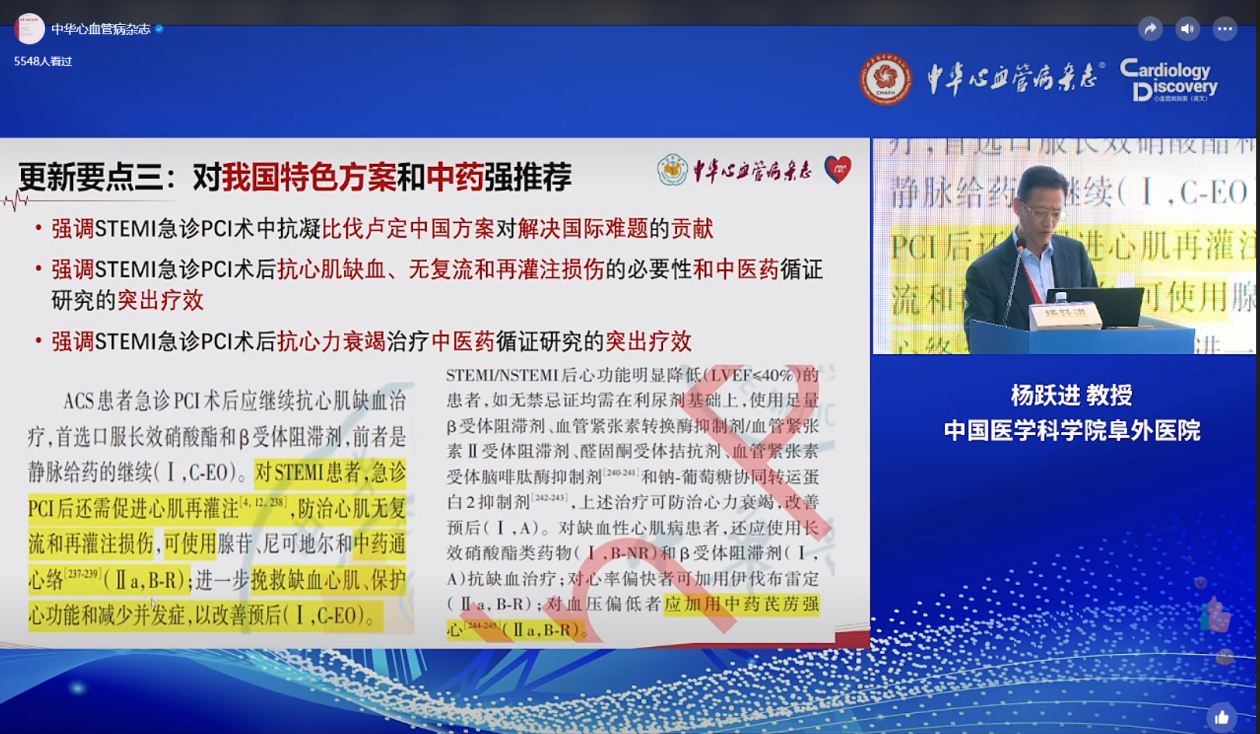
通络药物获《经皮冠状动脉介入治疗指南(2025)》推荐
Huan Qiu Wang· 2025-06-16 02:39
Core Viewpoint - The newly released "Guidelines for Percutaneous Coronary Intervention (2025)" recommend the use of Tongxinluo for treating acute coronary syndrome, particularly in patients undergoing interventional treatment, highlighting its efficacy in anti-myocardial ischemia and improving no-reflow and reperfusion injury [1][4]. Group 1: Guidelines Overview - The guidelines were initiated by the Chinese Medical Association's Cardiovascular Disease Branch and the Editorial Committee of the Chinese Journal of Cardiovascular Diseases, with contributions from over 60 cardiovascular experts [3]. - The guidelines provide strict indications and standardized implementation for PCI in China, ensuring patient safety [3]. Group 2: Efficacy of Tongxinluo - Tongxinluo, developed under the theory of collateral disease, has demonstrated significant effects in protecting ischemic tissues, reducing lipid levels, and stabilizing vulnerable plaques [4][5]. - Clinical trials indicate that Tongxinluo can reduce the incidence of no-reflow by 36.6% and lower the 30-day adverse cardiovascular event rate by 36% [5]. Group 3: Efficacy of Qiyuqiangxin - Qiyuqiangxin is recommended for patients with heart failure, particularly those with low blood pressure, as it does not adversely affect blood pressure while improving cardiac function [6]. - Research shows that adding Qiyuqiangxin to standard heart failure treatment can reduce the risk of composite cardiovascular events by 22% [6]. Group 4: Integration of Traditional Chinese Medicine - The guidelines mark a significant breakthrough for Traditional Chinese Medicine (TCM) in coronary intervention, incorporating Tongxinluo and Qiyuqiangxin into treatment recommendations [8]. - Experts emphasize the value of TCM in treating coronary heart disease, showcasing its potential in modern medical practices [8].
国内首个带状疱疹中西医结合诊疗专家共识发布
Xin Jing Bao· 2025-04-18 09:30
此外,《共识》将中医辨证与西医临床分期精准结合,将急性期与PHN期对应四个中医证型,其中,急 性期包括风热壅盛、肝胆湿热、脾虚湿盛三个证型,PHN期对应气滞血瘀证型。中医治疗遵循"早期祛 邪为主、后期攻补兼施"原则,结合西医抗病毒与中医内外治法,针对病程的不同阶段,制定了针对性 的中西医结合治疗方案。 中国中西医结合学会皮肤性病专业委员会带状疱疹学组组长吕成志教授提及,在临床工作中,中医治疗 带状疱疹具有明显的优越性,西医强调"精准打击",病毒激活期快速抑制,疼痛通路靶向阻断。中医胜 在"系统调控",从病毒发作、神经修复到体质改善,全程干预,且副作用更小。实现了"急则治标(西 医)、缓则治本(中医)"的全程管理模式,能更有效促进皮损愈合、缓解疼痛,并降低带状疱疹后遗神经 痛发生率,为患者带来更大益处。 新京报讯(记者张秀兰)正在举行的中国中西医结合学会皮肤性病专业委员会2025年学术年会上,《带状 疱疹中西医结合诊疗专家共识(2025版)》(以下简称《共识》)发布,填补了该领域中西医结合治疗的空 白。 带状疱疹是由水痘-带状疱疹病毒引起的感染性皮肤疾病,是皮肤科的常见病,除皮肤损害外,常伴有 神经病理性疼痛。 ...