
优质医疗资源下沉

Search documents
优质医疗资源普惠民生
Xin Lang Cai Jing· 2026-01-20 18:52
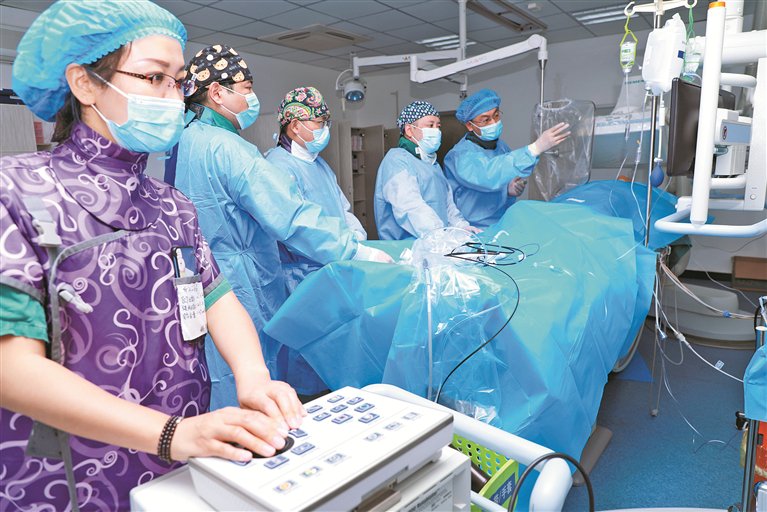
Core Viewpoint - The article highlights the ongoing efforts in the Xinjiang Production and Construction Corps to enhance healthcare services through the establishment of tightly-knit medical communities, focusing on improving accessibility and quality of care for local residents [4][5][8]. Group 1: Healthcare System Development - The Xinjiang Production and Construction Corps has implemented the "14th Five-Year Plan" to promote the construction of tightly-knit medical communities, shifting the healthcare model from "disease-centered" to "people's health-centered" [4]. - Various regions are advancing the construction of tightly-knit medical communities by breaking down service barriers, enhancing information technology support, and promoting the integration of quality medical resources into grassroots healthcare [4][5]. - A more efficient and accessible health security network is gradually forming, enhancing the sense of satisfaction and safety among the workforce [4]. Group 2: Resource Integration and Service Enhancement - The Sixteenth Division of the Corps has established two tightly-knit medical communities, integrating quality resources from leading hospitals with grassroots clinics to create a new medical service model [5]. - The healthcare network in the Sixteenth Division now includes 2 leading hospitals, 14 community clinics, and 43 standardized health stations, forming a comprehensive medical service system [5][7]. - The Sixteenth Division has set up 29 expert workstations in grassroots medical institutions, benefiting over 116,400 patients through remote diagnosis and treatment services [7]. Group 3: Specialized Medical Services - The Five Division's Tumor Radiotherapy Center has treated over 200 cancer patients, becoming a key facility for cancer treatment in the region [8]. - The Five Division has established several key specialties, including gynecology, orthopedics, and cardiology, enhancing the regional medical service capacity [8][9]. - The Five Division has secured approximately 117 million yuan in aid funds, introducing 42 experts and establishing 11 expert workstations to fill technical gaps in the region [9]. Group 4: Remote Diagnosis and Technology Integration - The Seven Division has developed a remote consultation system that connects specialists with grassroots doctors, improving diagnostic efficiency and reducing patient costs [10][11]. - By the end of 2025, the remote diagnostic services in the Seven Division are expected to reach 6,966 cases, significantly enhancing the healthcare network's efficiency [12]. - The remote consultation platform has been instrumental in addressing complex medical cases, allowing for timely responses and standardized treatment protocols [11][12].

让优质医疗资源在基层“生根发芽”
Xin Lang Cai Jing· 2026-01-19 22:17
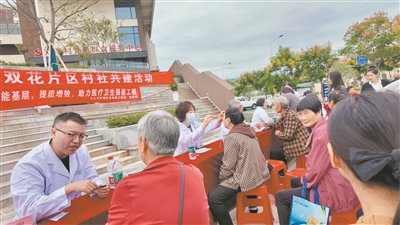
Core Viewpoint - The establishment of the "Jiusan Society Hubei Provincial Famous Doctor Workstation" in Yichang aims to address the healthcare needs of the community by providing expert medical services directly at the grassroots level, enhancing accessibility and convenience for residents [3][4]. Group 1: Service Expansion - The workstation has implemented a "one station, multiple points" strategy, expanding its services to various community health service centers, thereby creating a network of convenient healthcare access [4]. - Over 30 community service activities have been conducted, benefiting more than 2,000 residents, showcasing the workstation's commitment to community health [4]. - The workstation has extended its services to surrounding counties, organizing large-scale health outreach events to provide quality medical care to rural populations [4]. Group 2: Capacity Building - The workstation focuses on building a robust healthcare service system by enhancing the capabilities of local medical staff through training and collaboration with experts [7][8]. - There has been a significant improvement in chronic disease management and resident satisfaction since the establishment of the workstation, indicating its effectiveness in community health management [7]. - The workstation promotes a comprehensive management approach for chronic diseases, integrating prevention, diagnosis, treatment, and education into community health practices [8]. Group 3: Brand Development - The Jiusan Society aims to integrate its resources with community needs, enhancing its social service impact through the "Jiusan Health Action" brand [9]. - The workstation serves as a key platform for showcasing the society's commitment to grassroots healthcare, addressing the "last mile" challenge in medical service delivery [9][10]. - By inviting renowned experts from various hospitals to provide services, the workstation effectively brings high-quality medical resources to the community [10].
优质医疗下沉,康复 “零距离” !镇江中西医结合医院联合社区守护重症患者康复路
Xin Lang Cai Jing· 2026-01-17 06:24
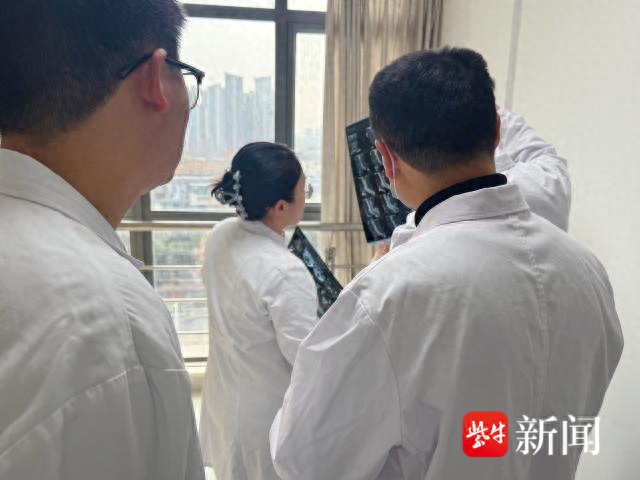
Core Viewpoint - The establishment of a rehabilitation joint ward by the Jiangsu Province Traditional Chinese and Western Medicine Hospital aims to enhance the accessibility of high-quality rehabilitation medical resources to the community, allowing residents to receive advanced medical services close to home, thereby improving the continuity and systematization of rehabilitation services for critically ill patients [1][7]. Group 1: Rehabilitation Joint Ward - The rehabilitation joint ward was formed in collaboration with community health service centers to create a new model of graded diagnosis and treatment, facilitating the transition of patients from hospital to community rehabilitation [1][7]. - Since its establishment, the joint ward has successfully completed nearly 100 cases of rehabilitation patient transfers, addressing the shortage of specialized community rehabilitation professionals [7][8]. Group 2: Expert Consultations and Assessments - A targeted expert consultation and critical rehabilitation meeting was held, focusing on a critically ill tracheostomy patient, where a multi-dimensional team assessment was conducted to accurately address the patient's rehabilitation needs [3][5]. - The speech therapy team conducted a professional swallowing function assessment, while the rehabilitation physician evaluated airway pressure to customize a personalized plan for the patient [5]. Group 3: Community Training and Support - The rehabilitation team provided on-site adjustments to treatment plans based on individual recovery progress and shared advanced concepts and practical experiences in critical rehabilitation with community healthcare personnel [7]. - The hospital aims to deepen collaboration with community health service centers, conducting regular diagnostic and technical support activities to ensure high-quality rehabilitation services reach community residents effectively [7][8].
不用扎堆跑大医院!北京东城这个儿科医联体揭牌,娃看病更省心了
Xin Lang Cai Jing· 2026-01-16 02:35
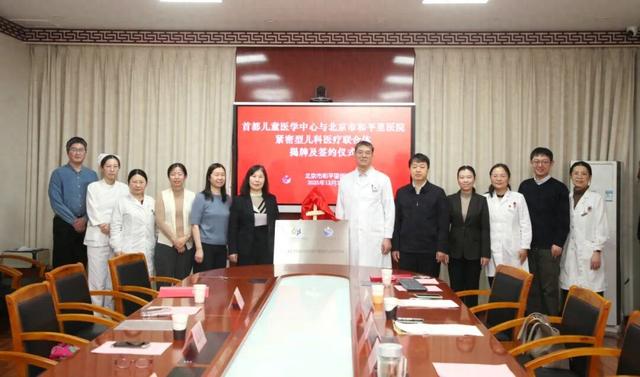
Core Viewpoint - The establishment of a close-knit pediatric medical alliance between Beijing Hepingli Hospital and the Capital Medical University Affiliated Capital Children's Medical Center marks a significant step in optimizing medical resource allocation and building a tiered diagnosis and treatment system in Dongcheng District [1][3]. Group 1: Medical Alliance Formation - The formation of the close-knit pediatric medical alliance is an important practice to implement the requirements of the National and Beijing Health Commission regarding the promotion of high-quality medical resources [3]. - The Capital Children's Medical Center has strong capabilities in specialized disciplines, key specialties, and research and teaching, while Beijing Hepingli Hospital has a solid regional service foundation and has developed distinctive treatment characteristics in pediatrics [3]. Group 2: Resource Integration and Service Improvement - Both institutions will leverage their respective advantages to achieve deep integration and complementarity of medical resources, which will be a crucial opportunity for Beijing Hepingli Hospital to achieve leapfrog development in pediatrics [3]. - The collaboration will focus on key diseases such as childhood obesity management, diabetes, short stature, and precocious puberty through various forms including technical support, talent training, bidirectional referrals, and resource sharing [3][5]. Group 3: Community Health Impact - The district health committee emphasizes the need to implement projects that quickly benefit the public, integrating resources to create a differentiated pediatric service brand with regional recognition [5]. - The establishment of this pediatric medical alliance aims to provide more convenient, high-quality, and efficient medical health services for children in Dongcheng District, contributing to the health engineering of children and the construction of a healthy Beijing [5].
青海开展巡回医疗推动优质医疗资源下沉
Xin Lang Cai Jing· 2026-01-14 19:41
Group 1 - The core viewpoint of the news highlights the efforts of a medical team providing healthcare services in remote areas of Mado County, Qinghai Province, emphasizing the importance of delivering quality medical resources directly to the community [1] - The medical team operates under a dual approach of "sending doctors to the countryside + technical empowerment," offering comprehensive health services across various medical fields, including gastroenterology, pediatrics, general surgery, Tibetan medicine, and ultrasound [1] - The initiative aims to enhance health literacy among the local population by providing personalized treatment plans, free health measurements, and educational materials on common diseases and chronic illness prevention [1] Group 2 - The provincial health system is focused on strengthening the grassroots healthcare network, implementing a work policy of "strengthening the foundation, stabilizing the second, and controlling the third," to enhance the capacity of primary health services [2] - There is an emphasis on improving the disease control system and promoting a multi-disease prevention strategy to reinforce public health defenses [2] - The development of "Internet + healthcare" and smart hospital construction is prioritized to drive quality improvement and efficiency in the health sector [2]
非凡“十四五” 四川简阳交出温暖“健康答卷”
Zhong Guo Fa Zhan Wang· 2026-01-08 08:33
Core Insights - Since the "14th Five-Year Plan," Jianyang City has focused on health-centered reforms in the medical and health system, achieving significant progress in service capacity, system efficiency, and health security, laying a solid foundation for a modern urban-rural integrated demonstration city centered on people [1] Group 1: Enhanced Grassroots Service Capacity - Jianyang City has systematically strengthened its grassroots medical and health service network, establishing a tiered diagnosis and treatment system centered on a tightly-knit county medical community, promoting the extension of quality resources to grassroots levels through expert support and remote collaboration [2] - The successful completion of a complex surgery for a 76-year-old patient with multiple chronic diseases at He Feng Central Health Center demonstrates the effectiveness of this system, with expert assistance and remote multidisciplinary consultations ensuring safe and standardized treatment [2] Group 2: Breakthroughs in Emergency and Critical Care - Jianyang People's Hospital successfully treated a 43-year-old patient in critical condition using VA-ECMO technology, marking a significant advancement in its emergency and critical care capabilities [4] - The hospital has established a comprehensive emergency rescue system, including trauma, chest pain, stroke, and critical maternal and neonatal care centers, and has joined the National Trauma Rescue Alliance [4] - The city's smart emergency network operates efficiently, achieving a 98.24% average response rate within 3 minutes for emergency calls by 2025, ensuring seamless coordination between pre-hospital and in-hospital care [4] Group 3: Dual Track of Smart and Traditional Medicine - Jianyang People's Hospital and Jianyang Traditional Chinese Medicine Hospital have established internet hospitals, enabling online follow-ups and prescription transfers, with electronic medical record systems reaching level 4 across major hospitals [6] - The implementation of a "Health Card" allows for unified access across major medical institutions, promoting mutual recognition of examination and testing results [6] - The Traditional Chinese Medicine Hospital has developed key specialties and has made significant advancements in traditional medicine services, with over 55% of grassroots services in traditional medicine by 2025 [6] Group 4: Strengthening Health Security Foundations - Jianyang's Disease Control Center has achieved a tertiary level, significantly enhancing public health monitoring and emergency response capabilities [8] - The city has established two municipal-level key specialties and 25 county-level key specialties during the "14th Five-Year Plan," with a steady increase in residents' health literacy, reaching 35.5% by 2025 [8] - Jianyang has been recognized as a national sanitary city, with 22 towns awarded provincial-level sanitation status, indicating ongoing improvements in health environments [8] - The city aims to continue strengthening public health safety nets and promoting the construction of tightly-knit medical communities, enhancing comprehensive service capabilities in prevention, treatment, rehabilitation, and management [8]
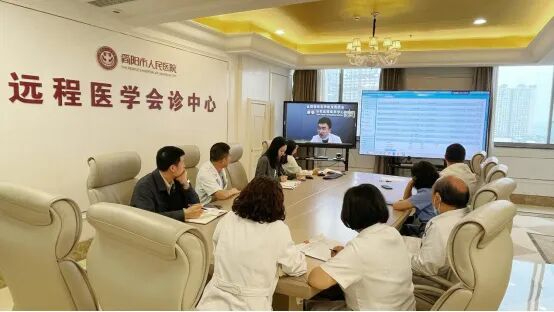
作为优质医疗资源下沉的重要路径 医联体模式正呈现新的变化
Si Chuan Ri Bao· 2026-01-06 08:43
Core Viewpoint - The new 2.0 model of medical alliances aims to extend quality healthcare resources to grassroots levels, addressing the gap between existing services and public demand [4][11]. Group 1: Development of Medical Alliances - The 2.0 model of medical alliances is being implemented by several tertiary hospitals in collaboration with community and township health centers, aiming to create a tiered medical service system [1][3]. - Hospitals like Sichuan University West China Hospital are establishing alliances with local hospitals and community health centers to enhance healthcare accessibility [1][6]. - The model is designed to ensure that patients can receive quality medical services closer to home, thereby improving convenience and healthcare outcomes [4][10]. Group 2: Impact on Healthcare Delivery - The establishment of medical alliances has led to significant improvements in patient access to healthcare services, as seen in the case of patients like Liu Yongdong, who can now receive care at a nearby facility [5][10]. - The integration of services has resulted in increased patient visits and hospital admissions, indicating a positive response to the new model [9][10]. - Community health centers that have joined medical alliances report a rise in outpatient visits, reflecting enhanced service offerings and patient trust [10]. Group 3: Challenges and Issues - Despite the progress, challenges remain, particularly in the area of "two-way referrals," where transferring patients back to lower-tier facilities is often difficult [11]. - Issues such as trust in higher-tier hospitals and reimbursement difficulties hinder the effectiveness of the referral system [11][12]. - There are also conflicts between local governments and tertiary hospitals regarding management and compensation, which can impede the smooth implementation of the medical alliance model [12].
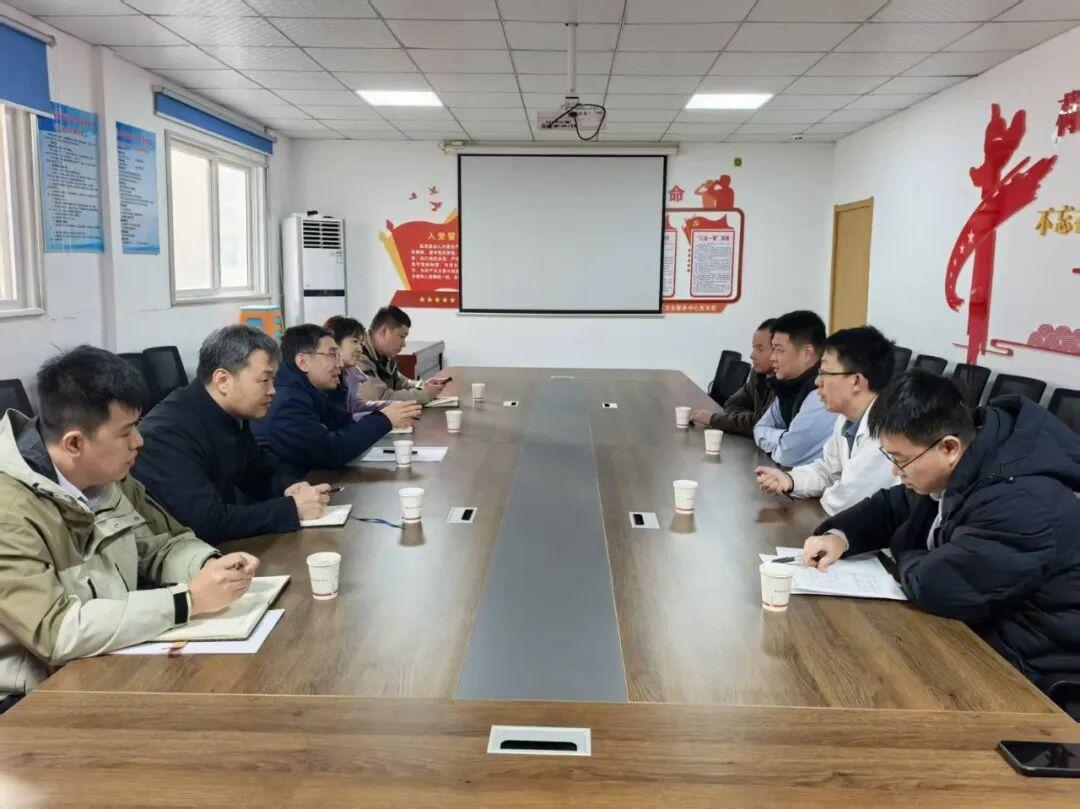
济南市三院赴荷花路街道卫生服务中心调研,推动优质医疗资源下沉
Qi Lu Wan Bao· 2025-12-30 02:38
Group 1 - The core objective of the initiative is to enhance the capabilities of grassroots medical personnel, allowing local residents to access high-quality medical services similar to those provided by top-tier hospitals [3][6] - The collaboration between Jinan Third People's Hospital and the community health service center includes training, technical guidance, and process optimization to support local healthcare [1][2] - The hospital aims to establish itself as a "health steward" for residents, providing continuous healthcare services and addressing common health issues through targeted training programs [7] Group 2 - The hospital's leadership emphasizes the importance of public hospitals in alleviating the difficulties faced by the public in accessing healthcare [3] - A series of specialized training sessions on common diseases, such as respiratory and cardiovascular conditions, have been initiated based on community needs [7] - The hospital's team conducted on-site visits to various departments to understand operations and provide direct support to frontline medical staff [4][6]
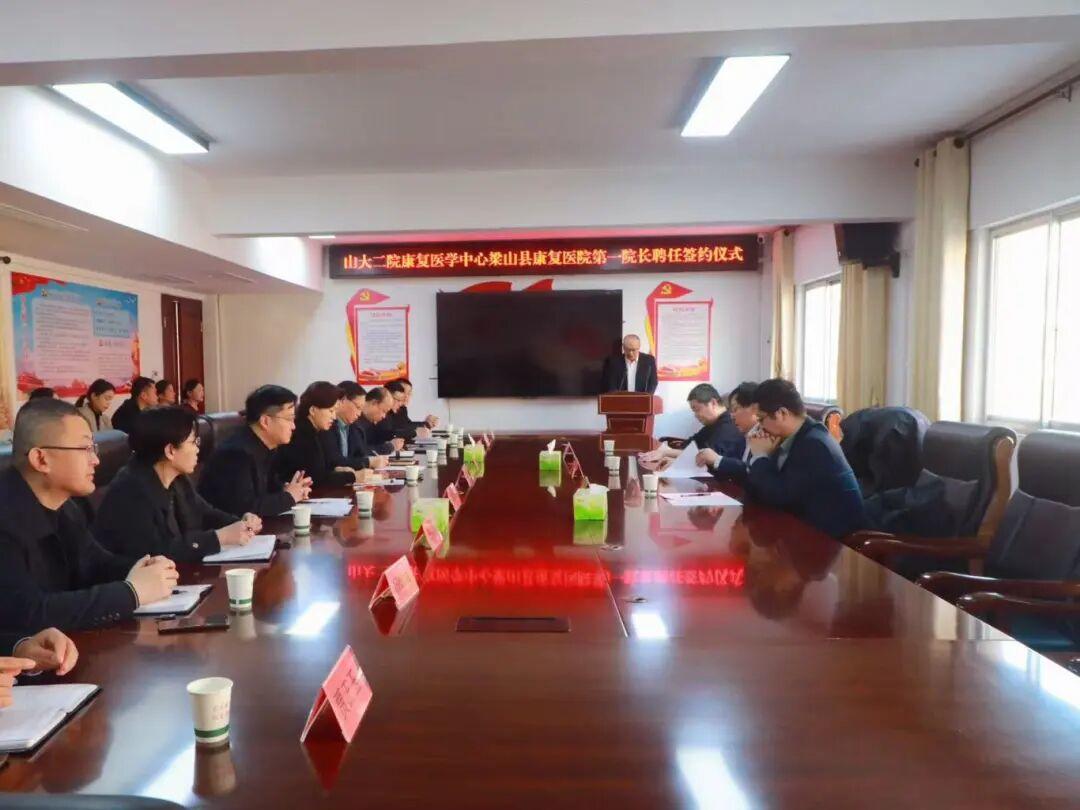
齐鲁二院与梁山县人民医院专科联盟签约暨院长聘任仪式举行
Qi Lu Wan Bao· 2025-12-12 03:07
Core Viewpoint - The signing of the specialized alliance between Qilu Second Hospital's Rehabilitation Medicine Center and Liangshan People's Hospital marks a significant step in enhancing local access to high-quality rehabilitation medical services through an innovative model of "specialized alliance + expert residency" [1][4]. Group 1: Partnership and Leadership - The partnership aims to establish a comprehensive specialized alliance system covering key areas such as discipline construction, talent training, technical support, and two-way referrals [4]. - The appointment of a "First Director + Executive Director" dual leadership mechanism is designed to upgrade cooperation from "resource sinking" to "deep integration," allowing national-level treatment concepts and management models to be implemented directly at the county level [4][6]. Group 2: Impact on Local Healthcare - The collaboration is expected to transform the rehabilitation medical landscape in Liangshan, addressing the challenges posed by an aging population and improving the quality of life for residents [6]. - Liangshan People's Hospital has already seen significant development in its rehabilitation department, achieving recognition as a key specialty in Jining City by 2025, with patient satisfaction continuously increasing [6][7]. Group 3: Commitment to Quality and Accessibility - The expert team from Qilu Second Hospital, recognized as a leading force in rehabilitation medicine, will share their experience and core technologies to enhance the local healthcare capabilities [6][7]. - The new model aims to eliminate barriers to high-quality medical resources, allowing patients to receive equivalent rehabilitation services to those offered by provincial hospitals, thus addressing the common issues of accessibility and affordability in healthcare [7].
我市推进优质医疗资源灵活“下沉”至家门口
Nan Jing Ri Bao· 2025-12-11 02:48
Core Insights - The "Health Caravan" initiative by Nanjing Medical University Second Affiliated Hospital aims to provide specialized medical services to remote communities, significantly improving access to healthcare for residents [1][2][5] Group 1: Service Delivery - The "Health Caravan" is equipped with specialized medical equipment, including ophthalmology and ENT diagnostic tools, allowing for comprehensive examinations and treatments in local communities [1][3] - Over the past four years, the "Health Caravan" has traveled 46,000 kilometers, visited 377 communities, and provided free medical services to over 44,000 individuals, enhancing the healthcare experience for residents [3] Group 2: Community Impact - The initiative addresses the healthcare gap in remote areas, where residents previously faced long travel times to access specialized care, thus improving overall health outcomes [2][4] - The program not only delivers services but also strengthens local healthcare facilities by providing training and support, thereby enhancing the overall medical service capacity in these areas [3][4] Group 3: Integrated Healthcare Model - The "Health Caravan" establishes a closed-loop service chain that includes follow-ups and referrals, ensuring continuity of care for patients [4] - The program adapts to local healthcare needs by customizing services based on community requirements and seasonal health trends, thereby maximizing its effectiveness [4][5]