中医药发展

Search documents
香港医务卫生局:会加大力度推动中医药发展 建设香港成为中医及中药走向世界的桥头堡
Zhi Tong Cai Jing· 2026-02-13 06:05
Core Viewpoint - The Hong Kong government has initiated a comprehensive development plan for traditional Chinese medicine (TCM), aiming to enhance local healthcare services and establish Hong Kong as a global hub for TCM [1][2][3] Group 1: Development Plan and Goals - The "Blueprint for TCM Development" outlines a vision for TCM in Hong Kong, covering five key areas: TCM services, professional development, herbal medicine, cultural heritage, and international outreach, with eight goals and 20 actions proposed [1] - The plan emphasizes leveraging TCM advantages to strengthen local healthcare services and promote public education on TCM [1] - It aims to integrate TCM into the healthcare system in alignment with national strategies, fostering innovation and new productivity in TCM [1] Group 2: Key Institutions and Services - The Hong Kong TCM Hospital, the first of its kind in the region, will provide outpatient and inpatient services, covering six major TCM specialties and 12 specific projects, with inpatient services starting in December [2] - The Hong Kong Government Chinese Medicine Testing Centre will enhance TCM testing methods and standards, positioning Hong Kong as an international center for TCM quality control [2] Group 3: Collaborative Efforts and Regulations - The recent amendments to the "Registered Medical Practitioners Ordinance" allow registered TCM practitioners to refer patients to various healthcare professionals, promoting interdisciplinary collaboration [3] - The Hong Kong government plans to invest more resources to achieve the vision outlined in the "Blueprint," enhancing the quality and comprehensiveness of TCM services for the public [3]
中药的市场需求稳定,多项政策推动产业升级
Huan Qiu Wang· 2026-01-29 01:24
Group 1 - A significant number of traditional Chinese medicine (TCM) products are set to exit the market due to unclear safety information regarding adverse reactions, but most of these are "zombie approvals" that have not been sold or produced, thus not affecting the normal supply and market order of TCM [1] - Hong Kong has released its first "Traditional Chinese Medicine Development Blueprint," which covers five key areas: TCM services, TCM professionals, TCM development, cultural inheritance, and global outreach [2] - The blueprint aims to optimize clinical services, establish a cross-professional service system, lead the development of TCM professions, enhance the quality of TCM products, establish international standards for TCM, drive innovation in research and industry, promote TCM culture, and support the global expansion of TCM [2] Group 2 - The Hong Kong government, through the Health Bureau, will actively collaborate with the industry to promote TCM development and implement the recommendations of the blueprint, leveraging Hong Kong's unique position to assist in promoting TCM globally [2] - The market demand for TCM is stable due to the aging population, with the Chinese TCM market expected to exceed 700 billion yuan in 2024, reflecting a year-on-year growth of approximately 6.6% [2] - Recent policies in the TCM industry focus on innovation and high-quality development, with measures such as the establishment of key national laboratories, quality control of pharmaceuticals, and enhanced regulation, leading to a more standardized TCM industry and accelerated resource integration among leading enterprises [2]

中金:再次覆盖中国中药(00570)给予中性评级 目标价2.40港元
智通财经网· 2026-01-09 09:39
Core Viewpoint - China Traditional Chinese Medicine (CTCM) is rated as neutral by CICC, with a target price of HKD 2.40, corresponding to P/E ratios of 34.5 and 16.3 for 2026 and 2027 respectively [1] Group 1: Policy Support - The Chinese government is increasingly supporting the development of the traditional Chinese medicine industry, as indicated by the policies released in January 2021 [2] - The "14th Five-Year Plan" is expected to further promote the development of traditional Chinese medicine, with the company having a solid layout in the industry chain [2] Group 2: Technological Innovation - The company is focusing on the development of innovative traditional Chinese medicine and the secondary development of proprietary Chinese medicines to enhance its internal potential [3] - The emphasis on R&D is expected to improve the company's academic competitiveness and strengthen its new product reserve capabilities [3] Group 3: Market Differentiation - While the market is concerned about profit declines due to centralized procurement, the company is actively enhancing its marketing reforms and evidence-based medical research, which could help control costs in the long term [4] - Potential catalysts include successful marketing reforms and breakthroughs in the development of new traditional Chinese medicines [4] Group 4: Profit Forecast and Valuation - The company’s EPS is projected to be -0.11, 0.06, and 0.13 for the years 2025 to 2027 [5] - The current stock price corresponds to P/E ratios of 31.0 and 14.7 for 2026 and 2027, respectively, with a neutral rating and a target price of HKD 2.40, indicating an upside potential of 11.1% [5]
非凡“十四五” 四川简阳交出温暖“健康答卷”
Zhong Guo Fa Zhan Wang· 2026-01-08 08:33
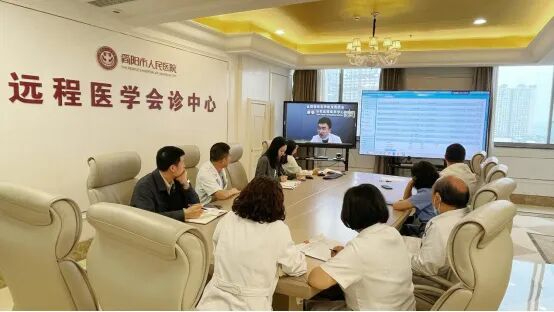
Core Insights - Since the "14th Five-Year Plan," Jianyang City has focused on health-centered reforms in the medical and health system, achieving significant progress in service capacity, system efficiency, and health security, laying a solid foundation for a modern urban-rural integrated demonstration city centered on people [1] Group 1: Enhanced Grassroots Service Capacity - Jianyang City has systematically strengthened its grassroots medical and health service network, establishing a tiered diagnosis and treatment system centered on a tightly-knit county medical community, promoting the extension of quality resources to grassroots levels through expert support and remote collaboration [2] - The successful completion of a complex surgery for a 76-year-old patient with multiple chronic diseases at He Feng Central Health Center demonstrates the effectiveness of this system, with expert assistance and remote multidisciplinary consultations ensuring safe and standardized treatment [2] Group 2: Breakthroughs in Emergency and Critical Care - Jianyang People's Hospital successfully treated a 43-year-old patient in critical condition using VA-ECMO technology, marking a significant advancement in its emergency and critical care capabilities [4] - The hospital has established a comprehensive emergency rescue system, including trauma, chest pain, stroke, and critical maternal and neonatal care centers, and has joined the National Trauma Rescue Alliance [4] - The city's smart emergency network operates efficiently, achieving a 98.24% average response rate within 3 minutes for emergency calls by 2025, ensuring seamless coordination between pre-hospital and in-hospital care [4] Group 3: Dual Track of Smart and Traditional Medicine - Jianyang People's Hospital and Jianyang Traditional Chinese Medicine Hospital have established internet hospitals, enabling online follow-ups and prescription transfers, with electronic medical record systems reaching level 4 across major hospitals [6] - The implementation of a "Health Card" allows for unified access across major medical institutions, promoting mutual recognition of examination and testing results [6] - The Traditional Chinese Medicine Hospital has developed key specialties and has made significant advancements in traditional medicine services, with over 55% of grassroots services in traditional medicine by 2025 [6] Group 4: Strengthening Health Security Foundations - Jianyang's Disease Control Center has achieved a tertiary level, significantly enhancing public health monitoring and emergency response capabilities [8] - The city has established two municipal-level key specialties and 25 county-level key specialties during the "14th Five-Year Plan," with a steady increase in residents' health literacy, reaching 35.5% by 2025 [8] - Jianyang has been recognized as a national sanitary city, with 22 towns awarded provincial-level sanitation status, indicating ongoing improvements in health environments [8] - The city aims to continue strengthening public health safety nets and promoting the construction of tightly-knit medical communities, enhancing comprehensive service capabilities in prevention, treatment, rehabilitation, and management [8]
推动中医药发展,香港迈出关键一步
Ren Min Ri Bao Hai Wai Ban· 2025-12-30 22:54
Core Insights - The Hong Kong government has released its first "Traditional Chinese Medicine Development Blueprint," outlining a vision and strategy for the future development of TCM in Hong Kong, marking a new stage of comprehensive, high-quality growth in the sector [1][2]. Group 1: Blueprint Framework - The blueprint consists of five key areas: TCM services, TCM professionals, Chinese medicine development, cultural heritage, and international outreach [2]. - Eight main goals include optimizing clinical services, establishing a cross-disciplinary service system, leading TCM professional development, enhancing the quality of Chinese medicine, contributing to international standards, driving research and innovation, promoting TCM culture, and facilitating TCM's global outreach [2]. - Twenty action items support these goals, such as defining TCM's role in the healthcare system, leveraging technology for service upgrades, and building a comprehensive TCM talent training system [2]. Group 2: Clinical Services and Community Integration - The blueprint prioritizes optimizing TCM clinical services, emphasizing TCM's role within Hong Kong's healthcare system and highlighting its advantages [2]. - Specific actions include creating a list of TCM's effective treatment areas, developing clinical guidelines unique to TCM, and supporting big data research in both TCM and Western medicine [2]. - Currently, 23 TCM effective treatment areas have been established, with plans to expand this list to enhance community access to targeted TCM services [2][3]. Group 3: Market Demand and Infrastructure - Hong Kong has a strong grassroots foundation for TCM, with over 10,000 TCM practitioners, 90% of whom work in the private sector, and more than 16 million annual visits to TCM services, amounting to over HKD 1.2 billion in expenditures [3]. - The blueprint aims to strengthen TCM's role in primary healthcare, enhancing the integration of TCM into the primary healthcare system and establishing a collaborative framework among various healthcare professionals [3][4]. Group 4: Government Support and International Collaboration - The Hong Kong government has been actively promoting TCM development through talent training, service promotion, industry regulation, and standardization [5]. - The blueprint aligns with national TCM development strategies and aims to enhance Hong Kong's participation in the Greater Bay Area's TCM initiatives and the national high-quality development of TCM [5]. - It emphasizes the need for a robust talent training system, continuous professional development, and the establishment of quality management standards for Chinese medicine production [5].

《郑州市中医药发展促进条例》全文公布
Xin Lang Cai Jing· 2025-12-22 23:19
Core Viewpoint - The "Regulations on the Promotion of Traditional Chinese Medicine Development in Zhengzhou" have been approved and will take effect on March 1, 2026, aiming to enhance the development and standardization of traditional Chinese medicine (TCM) in the region [1] Group 1: Support for TCM Development - The regulations support the establishment of regional TCM preparation centers to promote large-scale and standardized development of TCM preparations [1] - Medical institutions are encouraged to create platforms for the transformation of TCM health products, leveraging their professional advantages to develop products related to dietary therapy, cultural creativity, and health care [1] - The regulations advocate for the use of modern information technologies, such as artificial intelligence, to provide integrated online and offline TCM medical services, including telemedicine and mobile healthcare [1] Group 2: Education and Talent Development - Vocational colleges are encouraged to offer TCM-related courses and establish practical teaching bases to cultivate skilled professionals in TCM [1] - Social forces are encouraged to participate in TCM development through donations, funding, and investments [1] Group 3: Regulation of Non-Medical Institutions - Non-medical institutions providing TCM health services are prohibited from engaging in TCM medical activities and must not conduct misleading promotions using TCM theories and terminology [1]
港股概念追踪 | 香港发布中医药发展蓝图 八大目标推动中医药行业高水平发展(附概念股)
智通财经网· 2025-12-18 23:50
Core Viewpoint - The Hong Kong government has officially released the "Traditional Chinese Medicine Development Blueprint," which aims to promote comprehensive, high-quality, and high-level development of traditional Chinese medicine (TCM) in Hong Kong [1][2] Group 1: Development Goals - The blueprint includes eight goals, such as optimizing clinical services, establishing a cross-professional service system, and leading the development of TCM professionals [1][2] - Goals also focus on enhancing the quality of Chinese medicine, establishing international standards, driving research and innovation, promoting TCM culture, and facilitating the global outreach of TCM services [2] Group 2: Industry Outlook - CITIC Securities indicates that the short-term pressure on the Chinese medicine industry is expected to ease, with channel inventory clearing accelerating and demand expected to recover by year-end [1][3] - Huajin Securities emphasizes the importance of the "premium + innovation" strategy in the Chinese medicine sector, highlighting the strong brand effect and pricing power of premium Chinese medicine products [3] Group 3: Company Highlights - China Traditional Chinese Medicine (00570) reported a revenue of approximately 7.46 billion RMB for the first half of 2025, a year-on-year decrease of 11.0%, with a gross profit of about 3.63 billion RMB, down 10.5% [5] - Tong Ren Tang (03613) is a historic brand in the Chinese medicine industry, producing over 400 types of traditional Chinese medicine products [6] - Guo Sheng Tang (02273) is actively expanding its presence in Singapore through a strategy of mergers, partnerships, and self-built initiatives [6] - Baiyunshan (00874) reported a revenue of 61.606 billion RMB for the first three quarters of 2025, an increase of 4.31% year-on-year, with a net profit of 3.31 billion RMB, up 4.78% [6]
香港发布中医药发展蓝图 八大目标推动中医药行业高水平发展(附概念股)
Zhi Tong Cai Jing· 2025-12-18 23:47
Core Viewpoint - The Hong Kong government has officially released the "Traditional Chinese Medicine Development Blueprint," aiming to promote comprehensive, high-quality, and high-level development of traditional Chinese medicine (TCM) in Hong Kong, encompassing five areas, eight goals, and twenty actions [1][2]. Group 1: Development Goals - The eight goals include optimizing clinical services, establishing a cross-professional service system, leading the development of TCM professions, enhancing the quality of TCM, building international standards for TCM, driving research and innovation in the industry, promoting TCM culture, and facilitating the global outreach of TCM [1][2]. - The government aims to enhance the quality of TCM services and integrate them into the healthcare system, thereby improving public health and establishing Hong Kong as a bridge for TCM to the world [2][3]. Group 2: Industry Outlook - CITIC Securities indicates that the short-term pressure on the TCM industry is expected to ease, with channel inventory clearing accelerating, and anticipates a demand rebound by year-end, along with opportunities for fundamental and valuation improvements [1][3]. - Huajin Securities emphasizes the importance of the "premium + innovation" strategy in the TCM sector, highlighting that premium TCM products possess significant medical value and consumer attributes, while innovative TCM is gradually entering a harvest period supported by favorable policies [3][4]. Group 3: Company Highlights - China Traditional Chinese Medicine (00570) reported a revenue of approximately 7.46 billion RMB for the first half of 2025, a year-on-year decrease of 11.0%, with a gross profit of about 3.63 billion RMB, down 10.5%, but with a gross margin of 48.7%, up 0.3 percentage points from the previous year [5]. - Tong Ren Tang (03613), a historic brand in the TCM industry, produces over 400 types of traditional Chinese medicine, covering various medical fields [5][6]. - Guo Sheng Tang (02273) is actively expanding its TCM services in Singapore through a strategy of mergers, partnerships, and self-built initiatives, including a recent joint venture with a digital healthcare platform [6]. - Baiyunshan (00874) reported a revenue of 61.606 billion RMB for the first three quarters of 2025, an increase of 4.31% year-on-year, with a net profit of 3.31 billion RMB, up 4.78% [6].
香港首份中医药发展蓝图正式发布 涵盖23个中医药优势病种
2 1 Shi Ji Jing Ji Bao Dao· 2025-12-18 14:28
Core Viewpoint - The Hong Kong government has officially released its first "Traditional Chinese Medicine Development Blueprint," aiming to enhance the quality and level of the TCM industry and position Hong Kong as a global hub for TCM promotion and innovation [1][2] Group 1: Objectives and Actions - The blueprint outlines eight major goals and 20 specific actions across five key areas: TCM services, TCM professionals, TCM development, cultural heritage, and global outreach [1] - A primary goal is to optimize clinical services, establishing a clear role for TCM within the healthcare system, highlighting areas of strength, and planning service strategies [1] Group 2: Integration and Collaboration - The government plans to establish a cross-professional collaboration system for TCM services, creating clear clinical guidelines and referral processes to enhance cooperation between TCM and Western medicine, rehabilitation therapists, and other professionals [1] - This initiative aims to provide integrated and diverse medical services to patients through seamless resource sharing among different healthcare institutions [1] Group 3: Community and Professional Development - The blueprint emphasizes strengthening the core role of TCM in primary healthcare, with plans to enhance the TCM service network at the community level [2] - A comprehensive TCM service system will be developed, initially covering 23 TCM advantage disease categories, with plans to expand to 35, allowing residents to access targeted TCM services conveniently [2] - The blueprint also focuses on advancing TCM professional development, establishing a multi-tiered training system that includes education, post-graduate training, and continuing education to cultivate a high-quality TCM workforce [2]
利好来了!刚刚,重磅发布!
券商中国· 2025-12-18 09:37
Core Viewpoint - The Hong Kong government has officially released the "Chinese Medicine Development Blueprint," aiming to enhance the quality and accessibility of Chinese medicine services, positioning Hong Kong as a global hub for Chinese medicine and herbal products [1][5]. Group 1: Blueprint Overview - The blueprint encompasses five key areas: Chinese medicine services, professional development, herbal medicine development, cultural heritage, and international outreach [2]. - Eight main objectives include optimizing clinical services, establishing a cross-professional service system, leading professional development, enhancing herbal quality, building international standards, driving research and innovation, promoting cultural heritage, and facilitating global outreach [2][3][4][5]. Group 2: Industry Outlook - Recent developments in the Chinese medicine sector include the hosting of the 7th Guangdong-Hong Kong-Macao Greater Bay Area Traditional Chinese Medicine Innovation and Development Conference in Hong Kong, which gathered around 800 experts and officials to discuss the future of traditional medicine [6]. - Analysts from CITIC Securities expect short-term pressure on the herbal medicine industry to ease, with inventory clearing and demand recovery anticipated by year-end, alongside improvements in fundamentals and valuations [6]. - Huajin Securities emphasizes two main investment themes in the herbal medicine sector: "premium + innovation," highlighting the strong brand effects and market potential of high-value herbal products [7].