传统民俗

Search documents
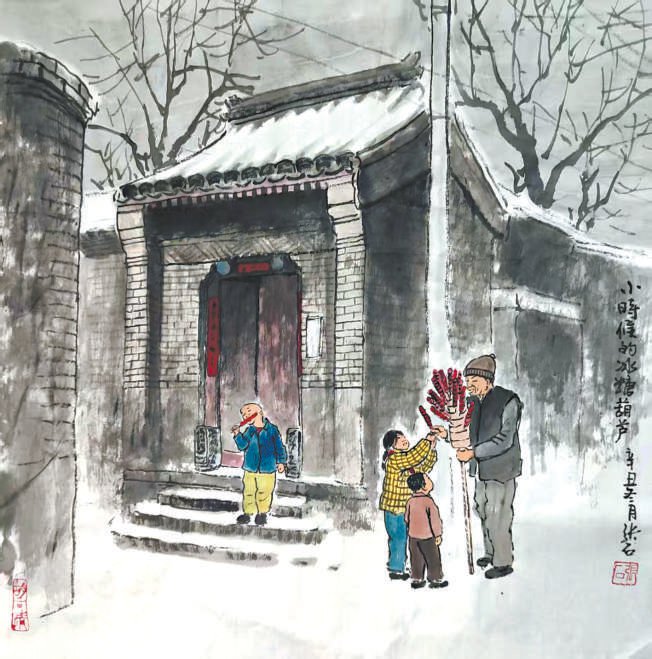
“爱人赠我双燕图,回她什么:冰糖壶卢”
Xin Lang Cai Jing· 2026-01-07 22:24
Core Viewpoint - The article highlights the cultural significance and evolution of candied hawthorn (冰糖葫芦) in Beijing, emphasizing its popularity as a winter snack and its various forms and flavors over time [2][8]. Historical Background - The origin of candied hawthorn is not clearly documented, but it is believed to date back to the end of the Sui Dynasty, with references to similar treats appearing in historical texts from the late Qing Dynasty [3][4]. - By the Republican era, candied hawthorn became a common and beloved food, with various literary figures reminiscing about it in their works, indicating its deep-rooted presence in Beijing's culture [4][5]. Cultural Significance - Candied hawthorn is not just a snack but a cultural symbol in Beijing, representing warmth, joy, and festive spirit, especially during the winter and New Year celebrations [8]. - The treat embodies the essence of Chinese culinary culture, balancing sweet and sour flavors, and reflects traditional values of harmony and happiness [8]. Variations and Modern Trends - Today, candied hawthorn comes in diverse forms, including variations with different fruits and fillings, showcasing a rich array of flavors and ingredients [2][6]. - The treat's preparation and presentation have evolved, with some vendors offering more refined versions, while street vendors maintain traditional styles [6][7]. Popularity and Consumption - Candied hawthorn remains a favorite among Beijing residents, particularly during festive occasions, serving both as a delicious snack and a symbol of celebration [7][8]. - The treat is often associated with local markets and fairs, where it is sold in various styles, catering to different consumer preferences [6][7].

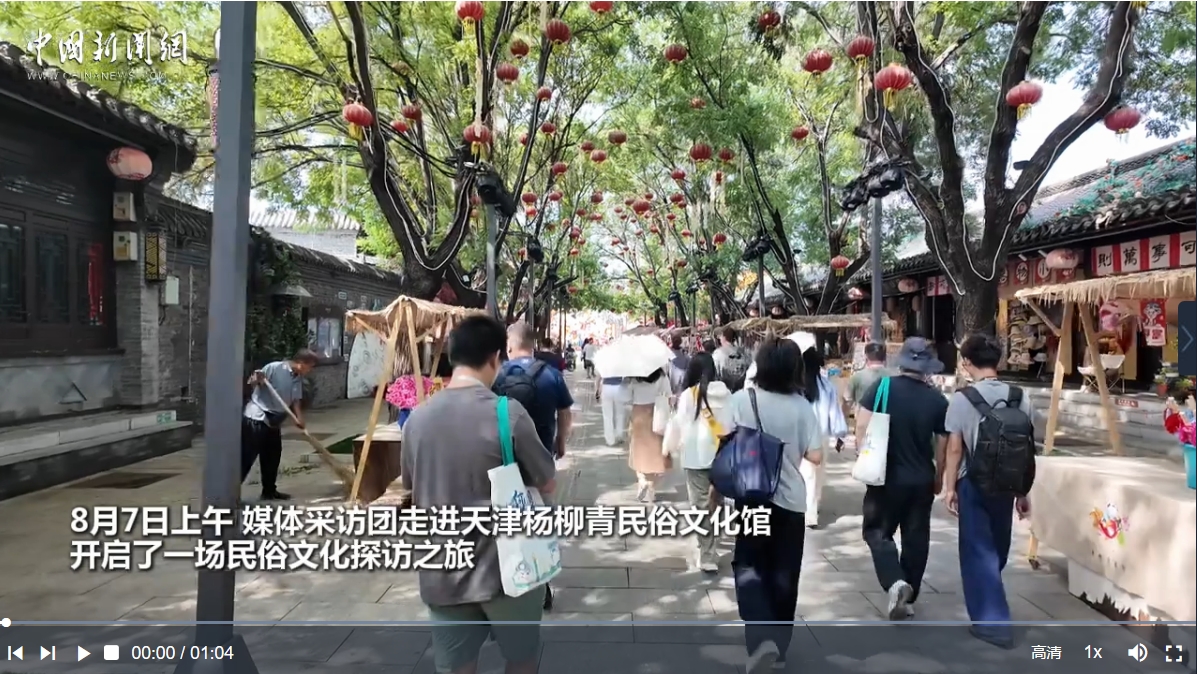
何以中国 | 在杨柳青邂逅“活”在当下的传统文化
Zhong Guo Xin Wen Wang· 2025-08-08 05:44
Core Viewpoint - The "He Yi Zhong Guo · He He Gong Sheng" online theme promotion series event took place at the Yangliuqing Folk Culture Museum in Tianjin, showcasing over a thousand exhibits that reflect the historical and cultural essence of the Yangliuqing ancient town [2] Group 1 - The museum features a diverse collection including Yangliuqing New Year paintings, old photographs, folk utensils, and daily life items, vividly recreating the urban landscape and cultural atmosphere of the past [2] - The exhibits are presented from the perspective of ordinary people, systematically organizing and displaying traditional folk customs in Northern China, creating a rich and lively depiction of everyday life [2] - The Yangliuqing Folk Culture Museum not only authentically restores the history of the ancient town but also showcases the transmission and charm of Northern Chinese folk culture through a multi-faceted exhibition approach, serving as an important window to understand regional folk culture and Tianjin's lifestyle [2]