中国美食文化

Search documents
中国菜到底有多好吃?这份外国政要美食清单收好了!
Zhong Guo Xin Wen Wang· 2026-01-31 02:09
Core Viewpoint - The article highlights the popularity and appreciation of Chinese cuisine among foreign dignitaries, showcasing their experiences and preferences during visits to China. Group 1: Foreign Dignitaries and Their Chinese Cuisine Experiences - UK Prime Minister Starmer enjoyed Yunnan cuisine, trying 13 dishes and using chopsticks proficiently during his visit [1][3] - Russian President Putin has previously engaged in making Chinese street food, such as jianbing guozi, during his visit to China [2] - Former German Chancellor Merkel showed interest in Sichuan cuisine, particularly kung pao chicken, during her visit to Chengdu, where she actively participated in the cooking process [5] - Former UK Prime Minister Cameron favored Sichuan hot pot, specifically choosing a spicy broth during his visit [6] - Former Canadian Prime Minister Harper created a new dish by dipping old soup pork knuckle in mustard, which increased the restaurant's customer base significantly [7] Group 2: Cultural Significance of Chinese Cuisine - The article discusses how Chinese food has become a common love among both foreign dignitaries and tourists, reflecting a growing appreciation for its diversity and regional specialties [10] - Historical context is provided, noting that Chinese restaurants have been a staple in American cities since at least 1918, indicating the deep roots of Chinese cuisine in American culture [11] - The evolving perception of Chinese food in the West is highlighted, with an increasing number of chefs traveling to China to learn about regional dishes, thus enhancing cultural exchange [11]


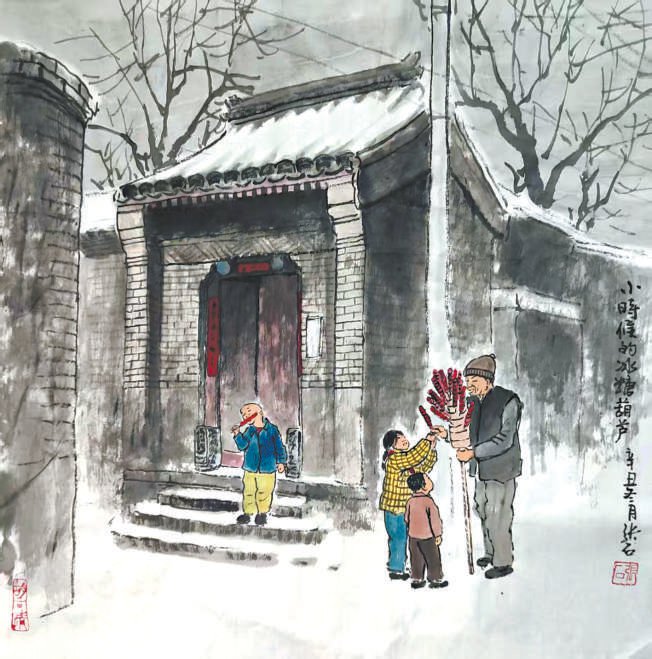
“爱人赠我双燕图,回她什么:冰糖壶卢”
Xin Lang Cai Jing· 2026-01-07 22:24
Core Viewpoint - The article highlights the cultural significance and evolution of candied hawthorn (冰糖葫芦) in Beijing, emphasizing its popularity as a winter snack and its various forms and flavors over time [2][8]. Historical Background - The origin of candied hawthorn is not clearly documented, but it is believed to date back to the end of the Sui Dynasty, with references to similar treats appearing in historical texts from the late Qing Dynasty [3][4]. - By the Republican era, candied hawthorn became a common and beloved food, with various literary figures reminiscing about it in their works, indicating its deep-rooted presence in Beijing's culture [4][5]. Cultural Significance - Candied hawthorn is not just a snack but a cultural symbol in Beijing, representing warmth, joy, and festive spirit, especially during the winter and New Year celebrations [8]. - The treat embodies the essence of Chinese culinary culture, balancing sweet and sour flavors, and reflects traditional values of harmony and happiness [8]. Variations and Modern Trends - Today, candied hawthorn comes in diverse forms, including variations with different fruits and fillings, showcasing a rich array of flavors and ingredients [2][6]. - The treat's preparation and presentation have evolved, with some vendors offering more refined versions, while street vendors maintain traditional styles [6][7]. Popularity and Consumption - Candied hawthorn remains a favorite among Beijing residents, particularly during festive occasions, serving both as a delicious snack and a symbol of celebration [7][8]. - The treat is often associated with local markets and fairs, where it is sold in various styles, catering to different consumer preferences [6][7].
风向彻底变了!第一批来华免签的外国人,回国后戒断反应明显
Sou Hu Cai Jing· 2025-07-11 12:07
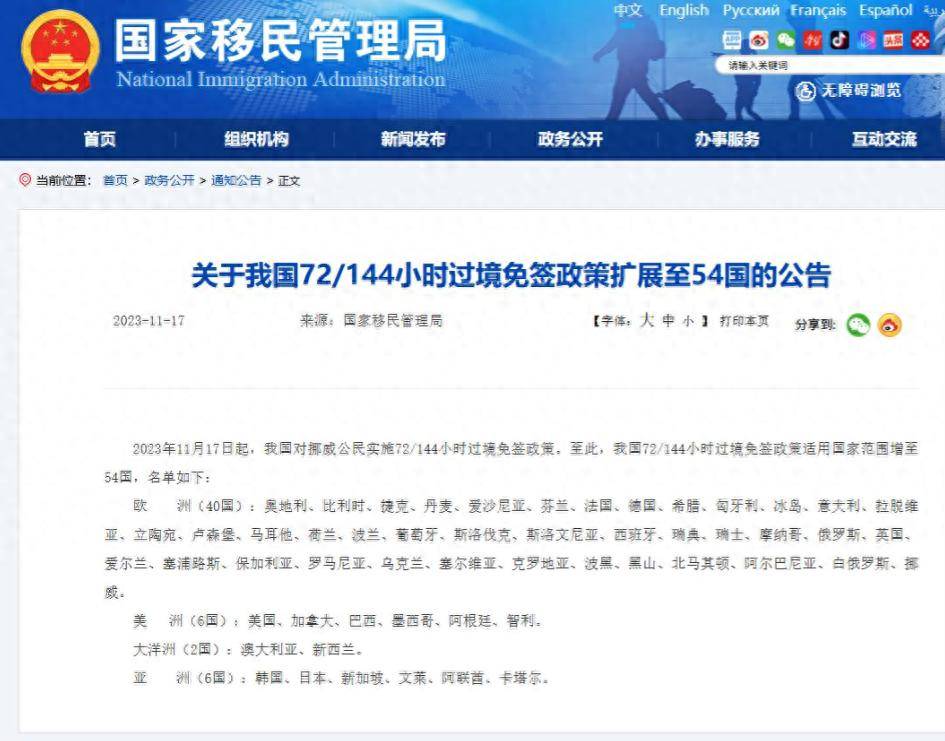
Group 1 - The number of countries with visa-free access to China has increased to 54, allowing travelers from these nations to visit China easily with a regular passport [1][2] - The implementation of the 72/144-hour visa-free transit policy has been expanded to include Norway, among other countries, enhancing travel convenience [2] - In the first quarter of this year, the number of foreign visitors to China under the visa-free policy reached 1.988 million, more than doubling compared to the previous year [2] Group 2 - Foreign tourists are surprised by China's modern infrastructure and technological advancements, which differ significantly from their preconceived notions of the country [5][7] - The convenience of mobile payment systems in China has left a lasting impression on foreign visitors, leading to a "withdrawal reaction" when they return to their home countries [9][11] - Different nationalities have shown preferences for specific Chinese cuisines, such as Korean tourists favoring hot pot and Japanese tourists enjoying Peking duck, highlighting the diverse culinary appeal of China [12][14][15] Group 3 - Tourists from the Middle East appreciate the safety and security in China, contrasting it with their home countries, which often have less favorable security conditions [21][28] - The global law and order index ranks China third, indicating a high level of safety that is attractive to international visitors [28][29] - The "withdrawal reaction" experienced by foreign tourists upon leaving China reflects their positive experiences and recognition of the country's hospitality and safety [31][34]