农文旅深度融合

Search documents
河北涉县——农文旅深度融合绘新篇
Jing Ji Ri Bao· 2025-07-08 08:02
Core Viewpoint - The article highlights the development of Shexian County as a prominent tourist destination, focusing on its rich cultural heritage, ecological resources, and the integration of red tourism with local economic growth [1][3][4]. Group 1: Tourism Development - Shexian County aims to establish itself as a national model for red research tourism, cultural tourism integration, and green industry demonstration, leveraging its rich red culture and historical background [1][3]. - The county has achieved recognition as a "National First Batch of All-for-One Tourism Demonstration Zone" and "Top 100 Counties for Tourism Development Potential" [1]. - The county has developed a comprehensive tourism service system that includes various activities and experiences, such as ancient costume experiences and cultural performances, attracting a diverse range of visitors [2][3]. Group 2: Ecological and Cultural Integration - Shexian County boasts a forest coverage rate of 63.77% and has been recognized as a national model for greening and ecological demonstration [2]. - The county has implemented ecological restoration projects, including river management and wetland restoration, to enhance its natural landscape and promote tourism [2]. - The integration of cultural and ecological tourism is emphasized, with plans to create a cohesive experience that combines natural beauty with local cultural elements [2][4]. Group 3: Red Tourism - The county capitalizes on its rich red resources from the Anti-Japanese War, featuring historical sites and interactive experiences that engage visitors in red culture [3]. - Six red tourism routes have been designed, offering over 40 diverse experiential courses that promote active participation and learning about red history [3]. - Events such as marathons are used to promote tourism, combining sports with cultural and ecological experiences to drive economic growth [3][4].
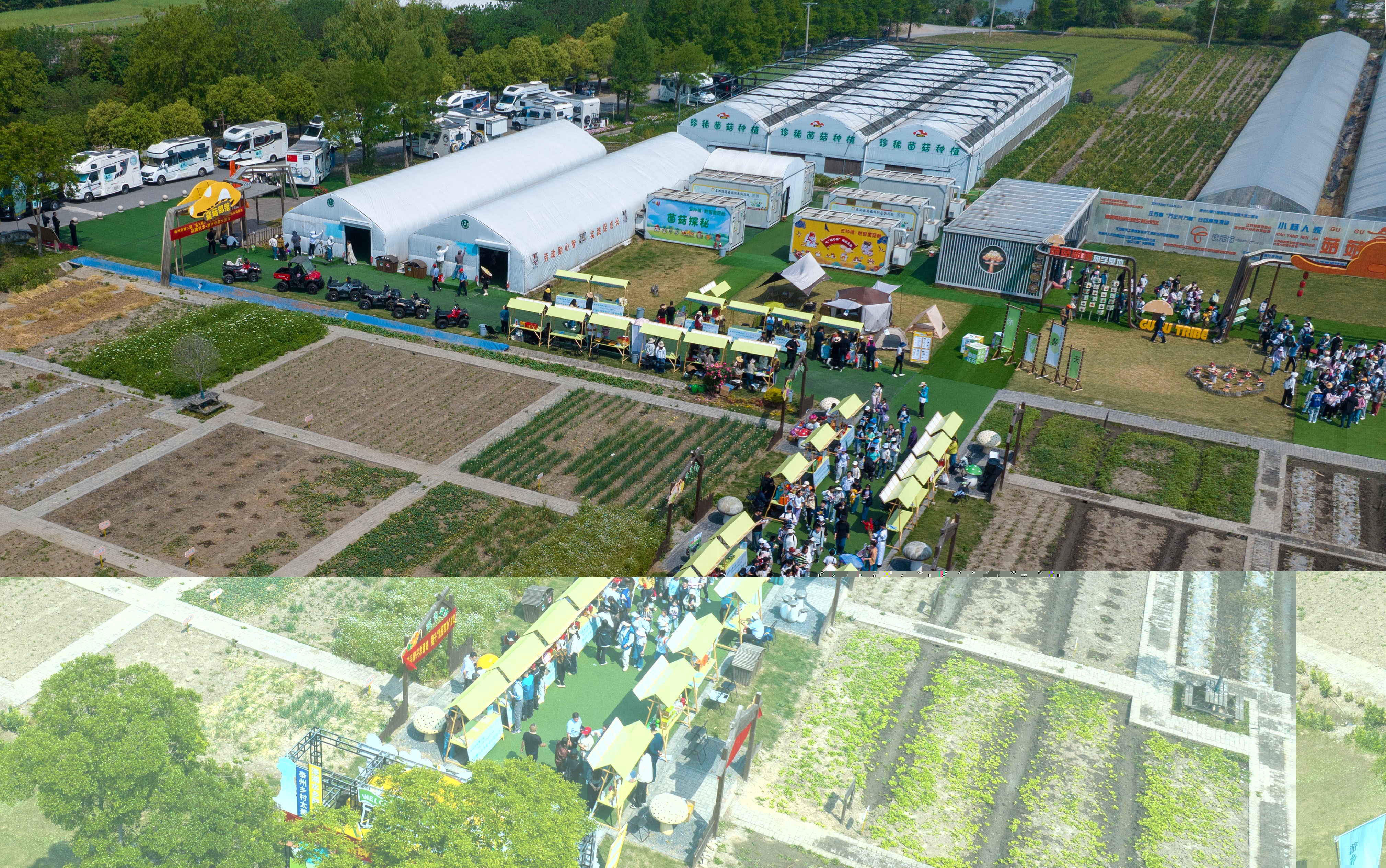
泰州姜堰:农文旅深度融合,“户外天堂”唱响“共富大戏”
Yang Zi Wan Bao Wang· 2025-05-01 01:45
Core Viewpoint - The article highlights the integration of agriculture, culture, and tourism in Jiangyan District, Taizhou, transforming ecological advantages into tangible income for locals through innovative business models and policies [1][5][17]. Group 1: Policy Empowerment - A brand promotion event for local agricultural products was launched, featuring various local specialties and handicrafts, aimed at showcasing regional culture and supporting rural revitalization [5]. - A significant "self-driving tour" consumption voucher policy was introduced, distributing 300,000 yuan in vouchers to promote tourism in 12 key rural areas, enhancing the overall travel experience [5][9]. - The consumption voucher initiative will run until the end of October, utilizing both online and offline methods to stimulate market demand and connect policy resources with tourism development [5][10]. Group 2: Outdoor Recreation Development - Jiangyan District is leveraging its rich ecological resources, with a forest coverage rate of 27.73%, to develop outdoor recreational activities and promote a new public brand called "Qinhu Bay" [10][12]. - Recent events, such as the "Yilu Run" youth cross-country race, have attracted significant participation, indicating a growing interest in outdoor sports and activities [12][17]. - The district has established a 26-kilometer wellness tourism route that integrates local culture with modern sports, enhancing its appeal to tourists [12]. Group 3: Innovative Business Models - New activities in Jiangyan are emerging as key drivers for rural revitalization, with events like the "Lightning Man" cross-country challenge and seasonal music festivals attracting visitors [15][17]. - The district has hosted over 20 large-scale events, significantly increasing its visibility and tourist numbers, which in turn boosts local incomes [15][17]. - The camping industry has seen substantial growth, with 100,000 visitors in three years and over 1,000 jobs created, contributing to local economic development [17].