
乡村旅游

Search documents
十年花事引来客满溪边
Hai Nan Ri Bao· 2026-02-28 04:06
Core Insights - The article highlights the successful development of Xibian Village, known for its bougainvillea flowers, which has transformed into a cultural and tourism hub over the past decade [1][4]. Group 1: Cultural Development - The planning and design of the Xibian Bougainvillea Garden was a collaborative effort between artist Wu Tingguang and the villagers, starting in 2014 and culminating in a decade-long project [1]. - The integration of calligraphy into the village's cultural landscape, including stone carvings and couplets, has enriched the local cultural experience [1][2]. Group 2: Tourism Growth - The Xibian Village has seen a significant increase in tourist visits, particularly during the recent Spring Festival, with long queues of vehicles reported [4]. - The establishment of a cooperative in 2013 and the promotion of rural tourism since 2016 have contributed to the village's popularity, with nearly 400 varieties of bougainvillea blooming this year [3][4]. Group 3: Economic Impact - The village has become a model for rural revitalization, exploring a "Party building + branch + cooperative + farmers" model to enhance the integration of flowers, tourism, and culture [5]. - The presence of multiple coffee shops in the village indicates a growing interest in local products, with visitors purchasing coffee beans to take home [5].


【代表委员履职故事】李依娲娜:推动文旅融合 赋能乡村振兴
Yang Shi Wang· 2026-02-27 11:42
Core Viewpoint - The article highlights the efforts of Li Yiwan, a member of the National Committee of the Chinese People's Political Consultative Conference, in promoting the integration of culture and tourism to empower rural revitalization in Cangyuan Wa Autonomous County, Yunnan [1] Group 1: Cultural Heritage and Tourism Integration - Li Yiwan is focusing on the revitalization of cultural heritage and the enhancement of tourism experiences during the National Two Sessions [1] - Cangyuan County possesses diverse tourism resources and rich intangible cultural heritage, with 73 intangible cultural heritage projects integrated into tourism development [1] Group 2: Local Initiatives and Training Programs - Local initiatives include the transformation of traditional weaving patterns into creative cultural products, providing tangible benefits from heritage skills [1] - Regular training programs such as the "Cultural Tourism Talent Training Plan" and "Intangible Heritage + Tourism" dual-track training classes are being implemented to enhance skills [1] Group 3: Recommendations for Improvement - Li Yiwan plans to propose suggestions on cultural relic protection, cultural display, and tourism consumption to improve rural tourism quality and allow villagers to share in the development benefits [1]
“小而美”文旅业态更有“留量”
Ren Min Wang· 2026-02-27 10:42
Core Viewpoint - The article emphasizes the emerging trend of rural tourism during the Spring Festival, highlighting the integration of traditional and modern elements in rural areas, which enhances the appeal and experience for visitors [1][2]. Group 1: Development of Rural Tourism - Rural tourism is experiencing a transformation with a focus on "small and beautiful" cultural tourism models, which aim to enhance the unique value of rural areas while avoiding resource wastage [1][2]. - The "small and beautiful" approach promotes lightweight, boutique, and distinctive offerings, aligning with industry development trends and consumer preferences in cultural tourism [1][2]. Group 2: Consumer Demand and Experience - There is a shift in consumer demand from superficial experiences to immersive and meaningful engagements, with rural landscapes and lifestyles meeting these evolving expectations [2]. - The focus on optimizing supply by concentrating resources on regional characteristics, enhancing visitor experiences, and increasing cultural depth is crucial for creating new demand [2]. Group 3: Integration of Agriculture and Tourism - The integration of agricultural elements into tourism, such as utilizing idle farmhouses and creating new business models like "rooftop cafes," demonstrates the potential of small-scale rural resources [2]. - Innovative practices in rural areas, such as the development of rice field cafes and community gathering spaces, illustrate the successful fusion of primary, secondary, and tertiary industries [2]. Group 4: Empowerment of Farmers - The "small and beautiful" tourism models provide more opportunities for farmers to engage in industry development, leading to increased participation in operations, services, and management [3]. - The rise of new business ventures by young entrepreneurs returning to rural areas contributes to broader income channels for farmers, enhancing the vitality and prospects of rural communities [3]. Group 5: Sustainable Development - The article concludes that meticulous cultivation and nurturing of "small and beautiful" tourism models can lead to prosperous communities, benefiting both villagers and the aesthetic appeal of rural areas [5].
全国人大代表苏少洪:关注乡村旅游国际化
Zhong Guo Xin Wen Wang· 2026-02-27 06:46
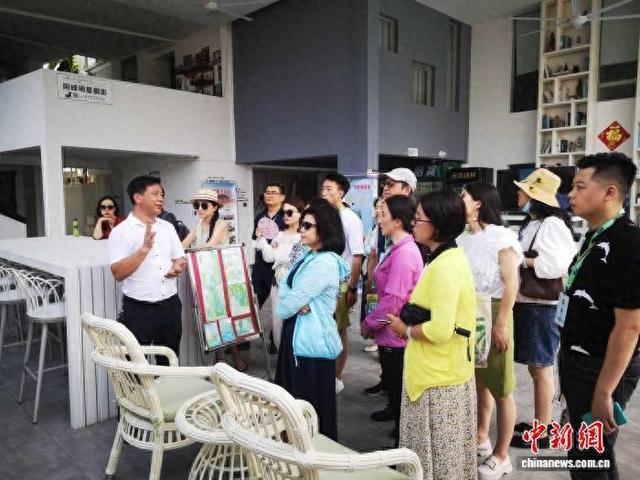
Core Viewpoint - The development of the homestay industry in Bohou Village is seen as a key opportunity to enhance rural development, especially with the increasing internationalization following the Hainan Free Trade Port's full closure in December 2025 [1]. Group 1: Homestay Industry Development - Bohou Village has become the largest homestay village in Hainan, with over 70 homestays, and during peak seasons, the occupancy rate exceeds 80% [1]. - The village is strategically located near the Yalong Bay National Resort Area, benefiting from rich tourism resources [1]. Group 2: International Tourism Growth - In 2025, Sanya is expected to receive approximately 1.06 million overnight international tourists, marking a year-on-year increase of about 41% [1]. - The presence of international flights and cruises during the 2026 Spring Festival indicates a growing influx of foreign visitors to Sanya [1]. Group 3: Enhancing Internationalization - Current international tourism services in Sanya are improving, with multilingual signage and foreign currency exchange available, but rural tourism still lacks a high level of internationalization [2]. - The focus is on enhancing the international experience for tourists in Bohou Village through practical measures such as adding currency exchange machines and multilingual menus [3].
(中国两会)全国人大代表苏少洪:关注乡村旅游国际化
Xin Lang Cai Jing· 2026-02-26 14:30
Core Viewpoint - The article emphasizes the importance of internationalizing rural tourism in China, particularly in the context of the Hainan Free Trade Port's increasing internationalization and the opportunities it presents for villages like Bohou to develop their homestay industry [1][3]. Group 1: Development of Bohou Village - Bohou Village, located near Sanya's Yalong Bay National Resort, has become the largest homestay village in Hainan, with over 70 homestays developed over more than a decade [1][3]. - During the recent Spring Festival, the average occupancy rate of homestays in Bohou Village exceeded 80% [1]. Group 2: International Tourism Trends - Following the full closure of Hainan's Free Trade Port on December 18, 2025, Sanya is expected to see a significant increase in international tourists, with approximately 1.06 million overnight visitors projected for 2025, marking a year-on-year growth of about 41% [3][4]. - The presence of foreign tourists in Bohou Village is increasing, with visitors from various countries expressing satisfaction with the unique homestay experience [3]. Group 3: Challenges and Strategies for Internationalization - The current level of internationalization in rural tourism is low compared to urban areas, where services for international tourists are improving [4]. - To enhance the international appeal of Bohou Village, strategies such as adding foreign currency exchange machines, multilingual signage, and English menus are being considered [4]. - The development of rural tourism requires collaboration among government, farmers, enterprises, and society, as well as inter-departmental cooperation [4].
【新春走基层】“望天收”变智慧田
Xin Lang Cai Jing· 2026-02-25 23:03
Core Insights - The article highlights the transformation of Zouzhang Village in Henan Province, which underwent a collective relocation over a decade ago to ensure sustainable water resources, leading to significant economic development and improved living conditions for the residents [1][2] Group 1: Economic Development - Zouzhang Village has successfully integrated resources with neighboring villages to form a united party branch, facilitating coordinated planning and development [1] - The introduction of leading enterprises and the establishment of cooperatives have enabled the village to transition from a resource-scarce area to a thriving agricultural hub, focusing on specialty crops and rural tourism [1] - The average annual income of villagers has quadrupled over the past five years, reflecting the successful economic revitalization of the village [2] Group 2: Agricultural Innovation - The village has adopted modern agricultural practices, including a water-fertilizer-pesticide integration system, allowing for efficient management of crops through technology [1] - In addition to strawberry cultivation, Zouzhang has diversified its agricultural output by establishing a green fruit and vegetable base, including kiwi and grape production, and creating an ecological tourism park [1]
奋进“十五五” 对话代表委员
Ren Min Ri Bao· 2026-02-25 22:10
Group 1: Museum and Cultural Development - The ongoing "museum fever" reflects a strong cultural confidence, and there is a need to enhance the public service efficiency of museums to better transmit traditional Chinese culture [1][2] - Inter-museum cooperation has been effective in addressing the uneven development of museums and improving the quality of grassroots museum services [2] - Suggestions have been made to accelerate the application for World Cultural Heritage status for the Niuheliang Hongshan Cultural Site, which has received positive feedback from various government levels [1] Group 2: Rural Development and Revitalization - The "14th Five-Year Plan" emphasizes the modernization of agriculture and rural areas, with a focus on developing characteristic industries to support rural revitalization [3][5] - The establishment of public cultural spaces in rural areas is crucial for enhancing community spirit and cultural life [4] - The transformation of villages into attractive living and working environments is being pursued through the development of tourism and local industries [3][6] Group 3: Aging Population and Elderly Care - The aging population in China necessitates a shift in the elderly care system from basic support to high-quality services, integrating technology to enhance care [8][9] - There is a call for a multi-layered elderly care service system that meets diverse needs, ensuring that community services are accessible and comprehensive [9] - The importance of policy support for "silver technology" is highlighted, aiming to improve the effectiveness and accessibility of technological solutions for elderly care [9][10] Group 4: Higher Education and Application-Oriented Universities - The development of application-oriented universities is shifting towards quality enhancement and differentiation, addressing the mismatch between educational outcomes and industry needs [11][12] - Recommendations include implementing an "industry professor" system and establishing a mutual recognition system for academic and skills certifications to improve educational relevance [12] - The focus is on deepening the integration of education and industry to better serve regional economic development [12]
多元业态焕发活力 基础设施仍待完善
Xin Lang Cai Jing· 2026-02-25 22:06
Core Viewpoint - The rural tourism in Shanghai's Pudong New District is undergoing a transformation towards quality enhancement and diversification, although it faces challenges in regional collaboration, service quality, and infrastructure improvement [1]. Group 1: Development and Trends - The rural tourism in Pudong has evolved from a single agritourism model to a diversified and thematic structure, with products transitioning from mere sightseeing to immersive experiences [2]. - Various rural tourism products now offer multi-sensory experiences, including DIY activities, cultural events, and educational programs, creating a comprehensive experience that is visually appealing, engaging, and educational [2]. - The inclusion of pet-friendly environments is emerging, with specific locations catering to pet owners, indicating a trend towards more inclusive tourism experiences [3]. Group 2: Challenges and Limitations - The layout of rural tourism points is uneven, with many relying on self-driving access and lacking shuttle services, compounded by inadequate road signage and parking facilities [4]. - Essential amenities such as restrooms, dining services, and accessibility features are often insufficient, limiting the potential customer base and overall experience [4]. - There is a lack of timely updates on tourism routes and inadequate online promotion, leading to difficulties for visitors in accessing accurate information about attractions [4]. Group 3: Visitor Experience and Recommendations - A significant portion of visitors (57.64%) finds cultural interactive experiences most memorable, highlighting the demand for unique local cultural offerings [5]. - There is a strong call from visitors for improved service quality and the establishment of distinctive local identities for each village, emphasizing the need for a focused development strategy [5]. - Recommendations include enhancing overall planning, improving infrastructure, and ensuring that facilities cater to diverse needs, including those of special groups and pet owners [6].
“望天收”变智慧田
Xin Lang Cai Jing· 2026-02-25 22:05
Core Insights - The article highlights the successful transformation of the village of Zouzhang in Henan Province, which underwent a collective relocation over a decade ago to ensure sustainable water resources, leading to significant economic development and improved living conditions for its residents [1][2] Group 1: Economic Development - Zouzhang village has seen a fourfold increase in per capita annual income over the past five years, showcasing the effectiveness of its development strategies [2] - The village has established a cooperative to consolidate fragmented land and attract modern agricultural enterprises, enhancing productivity through technology [1] - The introduction of a water-fertilizer-pesticide integration system has transformed traditional farming practices into a more efficient and reliable "smart farming" approach [1] Group 2: Community and Employment - The revitalization of Zouzhang has created over 1,000 job opportunities for local residents through collective economic organizations, contributing to a sense of pride and improved livelihoods [2] - The village's focus on developing a tourism and agricultural model, including the establishment of an ecological sightseeing park, has diversified income sources for the community [1]
把边陲烟火气绘成兴边富民新画卷
Xin Lang Cai Jing· 2026-02-25 17:54
Core Viewpoint - The article highlights the efforts of Zhang Shiying, a representative of the National People's Congress and the secretary of the Mengla County Committee, in promoting rural revitalization and economic development in Mengla County, Yunnan Province, by leveraging local resources and enhancing community engagement [1][2]. Group 1: Economic Development Initiatives - Mengla County plans to host a total of 344 large market events by 2025, attracting approximately 2.1 million tourists and generating sales of 43.9 million yuan, which will increase collective income by 7.01 million yuan [2]. - The county aims to transform its traditional rubber industry, which previously accounted for 70-80% of farmers' income, by addressing challenges such as low added value and high market risks, and by proposing the establishment of a national modern agricultural industrial park [2][3]. Group 2: Community Engagement and Infrastructure - Zhang Shiying emphasizes the importance of grassroots engagement, frequently visiting villages and local businesses to gather feedback and identify development bottlenecks, thereby fostering a collaborative approach to rural tourism and economic diversification [1][2]. - Infrastructure improvements in villages like Manlongle and Shanglongyin have led to the emergence of homestays and courtyard economies, extending the vibrancy of market activities into daily village life [1]. Group 3: Strategic Focus Areas - The focus is on enhancing border town construction by leveraging geographical advantages and developing characteristic industries, which will improve overall quality and efficiency [2]. - Zhang Shiying plans to propose suggestions at the upcoming National People's Congress regarding the development of under-forest economies, park economies, and border economies, aiming to convert resource advantages into industrial benefits and improve the welfare of local residents [3].