南极科考

Search documents
新华时评|向南!向难!中国第42次南极考察续写新传奇
Xin Hua She· 2025-11-01 02:48
Core Viewpoint - China's 42nd Antarctic expedition signifies the nation's commitment to advancing its capabilities in polar research and exploration, reflecting its determination to face challenges in extreme environments [1][2]. Group 1: Development of Antarctic Research - China's Antarctic research has evolved from establishing basic facilities to developing modern, modular, and environmentally friendly research stations, showcasing rapid progress over the past 40 years [2]. - The establishment of research stations such as Great Wall, Zhongshan, Kunlun, and others symbolizes China's growing presence and confidence in polar exploration [3]. Group 2: National Pride and Spirit - The Antarctic research efforts embody the spirit of perseverance and innovation, with generations of researchers contributing to the construction and stability of China's Antarctic stations [3]. - The red flag of China flying in the Antarctic represents the nation's ambition and determination to conquer and transform nature [3]. Group 3: International Cooperation and Responsibility - China actively participates in international initiatives for peaceful use of Antarctica, sharing critical data on the Antarctic ice cap and promoting collaborative marine ecological monitoring [4]. - The establishment of the Qinling Station serves as a platform for international cooperation, reinforcing China's role as a proactive contributor to global scientific endeavors in Antarctica [4].
涉及海冰研究、海洋生物等 我国南极科考有了新发现
Yang Shi Xin Wen· 2025-05-13 03:31
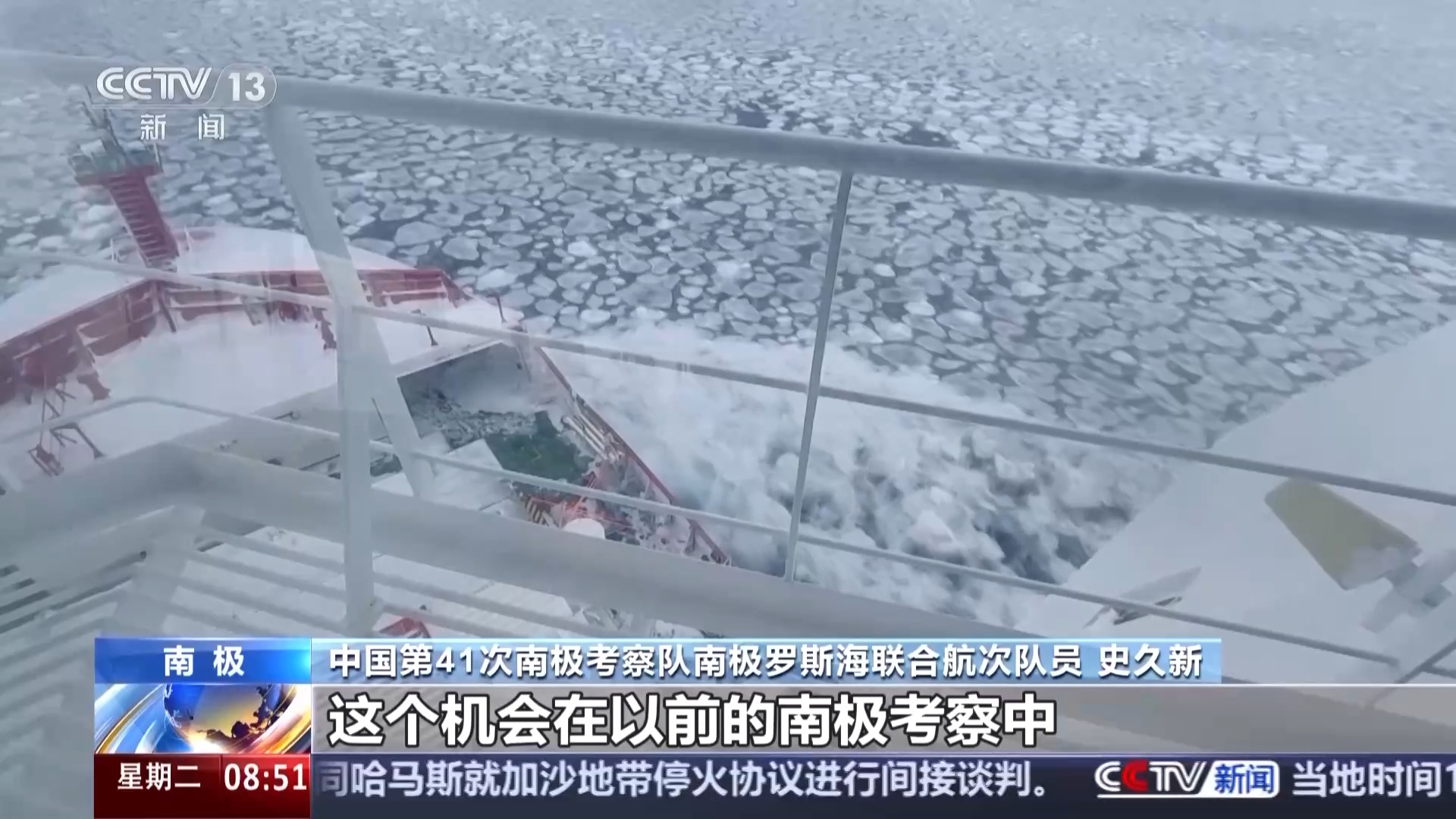
Core Viewpoint - The Chinese 41st Antarctic Expedition Team has successfully conducted its first autumn-winter voyage in the Ross Sea, focusing on ice research and yielding preliminary findings in marine biology and chemistry [1][7][17]. Group 1: Expedition Overview - The "Snow Dragon 2" icebreaker returned to China after completing its mission in the Ross Sea, where the team explored various forms of sea ice and their significance [1][2]. - The expedition provided a rare opportunity to observe the entire formation process of sea ice, which is typically difficult to encounter in previous Antarctic studies [4][6]. Group 2: Scientific Discoveries - The team conducted research across 24 selected stations, exceeding the initial plan of 18, covering shallow areas, ice-interstitial lakes, and rich krill resource zones [8][15]. - Significant findings include a decrease in the biomass of certain marine species, particularly the absence of brown algae and a decline in diatom populations, indicating potential ecological shifts [10][12]. - The discovery of a large number of zooplankton in deep water layers suggests changes in their distribution due to deep convection processes [12][13]. Group 3: Implications and Contributions - The expedition not only advanced scientific knowledge but also improved operational processes for Antarctic autumn oceanic work, enhancing the capabilities of the research team [15][17]. - The results contribute to a better understanding of the Antarctic ecosystem and fill gaps in field observations and experiments, aiding in the global understanding of climate change impacts [17].

我的南极日记丨在南极布放浮标需要几步?
Yang Shi Xin Wen· 2025-05-05 05:14
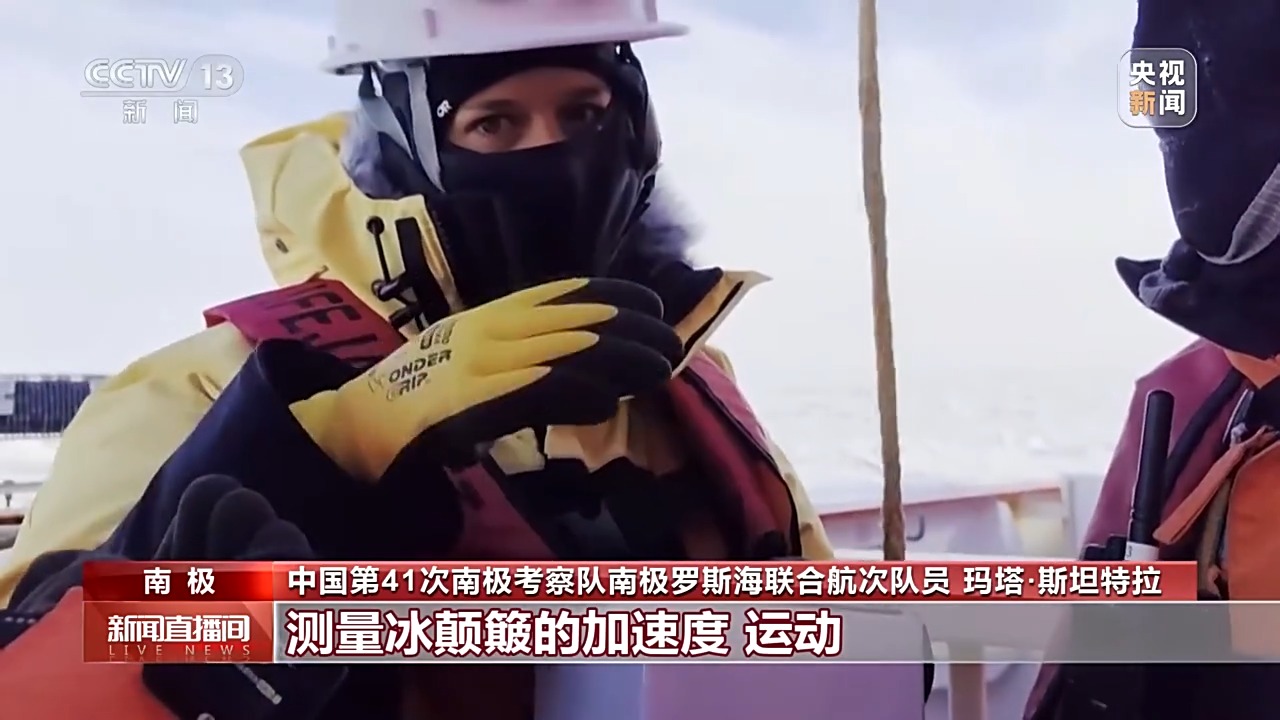
Core Viewpoint - The article discusses the first autumn-winter joint scientific expedition in the Ross Sea, Antarctica, focusing on the deployment of various types of buoys to study the interactions between sea ice, ocean currents, and waves. Group 1: Scientific Objectives - The buoys deployed are designed to measure the acceleration and movement of ice, as well as the relationship between ice and waves, with the aim of studying the atmospheric and oceanic processes affecting ice formation throughout the winter [3][5]. - The new type of lotus leaf ice buoy is being deployed for the first time, intended to collect data on the different stages of ice development throughout the season, particularly during the ice growth season [10]. Group 2: Types of Buoys Deployed - Five types of buoys are being deployed, including surface drift buoys, ice-drifting buoys, and wave-ice buoys, which will monitor surface water flow rates, ice movement, and interactions with waves [12][14]. - The lotus leaf ice buoy will provide positional information and will be tracked via satellite to understand the dynamics of ice development [10]. Group 3: Environmental Impact - Sea ice plays a crucial role in the Earth's energy balance by reflecting solar radiation back into space, which helps mitigate warming in polar regions [14]. - Sea ice acts as a natural barrier between the atmosphere and ocean, regulating heat exchange and influencing ocean circulation and the global climate system [14].