历史文化保护传承

Search documents
城市更新如何传承与再生
Jing Ji Ri Bao· 2025-08-18 00:23
Core Viewpoint - The recent Central Urban Work Conference emphasizes urban renewal as a key focus, with high-quality urban updates mandated by the Central Political Bureau, highlighting the importance of protecting and inheriting urban historical culture [1][2]. Group 1: Urban Historical Culture Protection - The Ministry of Housing and Urban-Rural Development reports significant improvements in the protection and inheritance of urban historical culture, with 143 national historical and cultural cities, 312 historical towns, and 487 historical villages identified by the end of 2024 [2]. - The "Opinions" document outlines the need for comprehensive surveys of urban cultural heritage resources and strict protection measures for old cities and historical districts, including a prohibition on the arbitrary demolition of valuable historical buildings [3][4]. Group 2: Revitalization through Appropriate Utilization - Experts argue that historical cultural heritage should not be seen as a burden but as a source of urban competitiveness, advocating for appropriate utilization to enhance the functionality of historical cultural districts [5][6]. - Successful case studies, such as the Chongqing Open Port Site Park, demonstrate that revitalization can lead to significant economic benefits, attracting 2 million visitors and providing over 3,000 public services [5]. Group 3: Long-term Mechanisms for Protection and Utilization - The need for sustainable funding sources and management strategies is emphasized to ensure the ongoing vitality of historical cultural districts, with examples like the Enning Road Arcade in Guangzhou showcasing successful public-private partnerships [7][8]. - The Yongxin Ancient City project in Jiangxi illustrates the effectiveness of market-oriented operations and community engagement in enhancing tourism revenue and local employment opportunities [8]. Group 4: Historical Responsibility in Urban Management - Urban managers are urged to take responsibility for protecting historical cultural heritage during urban renewal, ensuring the continuation of cultural narratives and values [9].
好评中国|城市更新,如何写下“津”彩答卷
Zhong Guo Jing Ji Wang· 2025-08-11 07:40
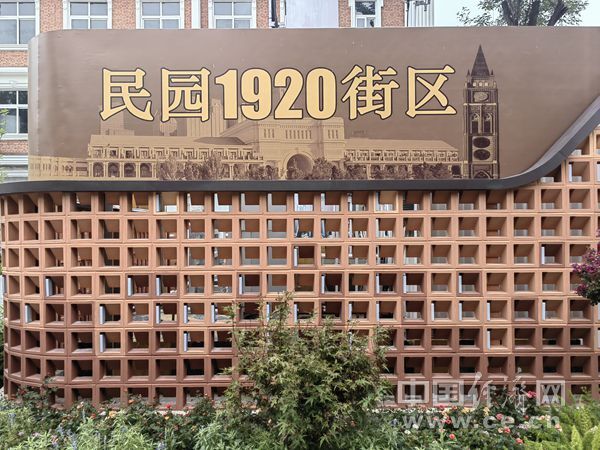
Core Viewpoint - The article emphasizes the importance of urban renewal in China, highlighting its role in enhancing both the quality of life for residents and economic development. It discusses the shift from large-scale construction to the improvement and adjustment of existing urban structures, focusing on cultural heritage preservation and local characteristics [2][3]. Group 1: Urban Renewal Initiatives - Tianjin has made significant progress in urban renewal, with projects like the "Tianjin Heart" observation deck and the "Minyuan 1920 Block" officially opening this year [2]. - The Central Urban Work Conference has underscored urban renewal as a key strategy for urban development, reflecting a shift in public demand from mere availability of services to quality and cultural significance [2]. Group 2: Cultural Heritage Preservation - The renovation of the "Minyuan 1920 Block" employs restoration standards for cultural relics, focusing on preserving historical buildings and their architectural features [3]. - Techniques such as paint removal and restoration of original brickwork have been utilized to reveal hidden historical details, showcasing the importance of cultural heritage in urban identity [3]. Group 3: Economic and Cultural Impact - Urban renewal is seen as a means to reshape cultural spaces, with initiatives like the "Tianjin Heart" offering exhibitions that highlight local history and culture, thereby enhancing the city's cultural ecosystem [3][4]. - The integration of new functions and business models, such as themed creative markets and diverse commercial offerings, is crucial for stimulating local economic activity and extending visitor engagement [4].

找遗产、保本体、推典型、强宣传,山东这样保护传承历史文化
Qi Lu Wan Bao· 2025-06-17 05:03
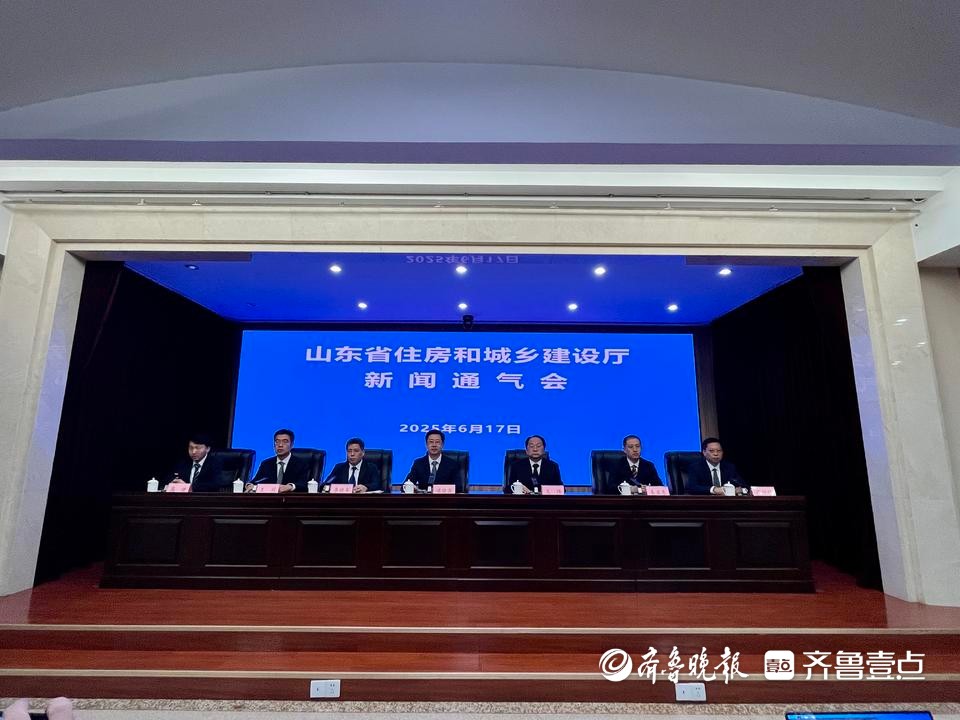
Core Viewpoint - Shandong Province is accelerating the application of advanced technologies such as low-carbon renovation, safety operation monitoring, digital surveying, and 3D modeling in urban renewal efforts, particularly focusing on the protection and revitalization of historical buildings and cultural heritage [1][3]. Group 1: Historical and Cultural Heritage - Shandong has a rich historical and cultural background, with 10 national historical and cultural cities, 10 provincial historical and cultural cities, 60 historical cultural districts, and 2,199 historical buildings [3]. - The province has increased efforts in surveying historical cultural resources and has adopted micro-renewal and micro-transformation methods to protect and repair historical cultural districts and buildings, resulting in revitalized old neighborhoods that attract citizens and tourists [3][4]. Group 2: Urban Renewal Actions - The next steps for Shandong include continuing urban renewal actions while adhering to the principles of protection first and reasonable utilization, ensuring development occurs alongside protection [3][4]. - The province aims to enhance the quality of cultural life for the public by focusing on four aspects: identifying heritage, preserving the main body, promoting exemplary cases, and strengthening publicity [4]. Group 3: Specific Initiatives - The province will conduct thorough surveys to identify and recognize historical cultural resources, particularly in representative historical areas from modern times and after significant political events [4]. - There will be increased investment in the restoration and repair of historical cultural districts and buildings, along with the establishment of regulations and technical standards for their protection [4]. - Shandong plans to promote successful cases of historical building protection and utilization, leveraging advanced technologies for low-carbon renovations and safety monitoring [4][5]. Group 4: Public Engagement and Promotion - The province will enhance public engagement in historical cultural protection through competitions and collaborative projects with national media to promote the stories of Shandong's cultural heritage [5].