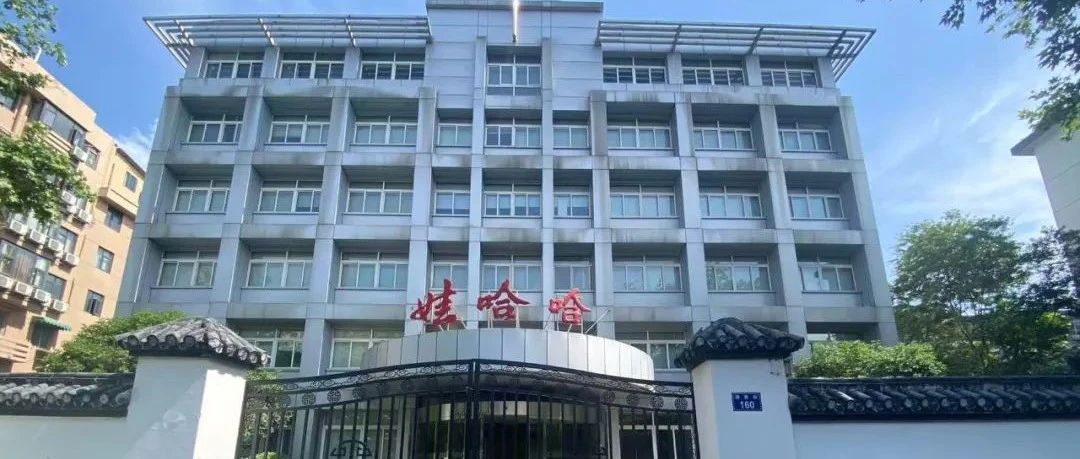
国有资产流失

Search documents
“家居零售教父”汪林朋坠楼身亡,湖北政商界今年已多人被查
Di Yi Cai Jing· 2025-07-28 13:07
Core Viewpoint - The unexpected death of Wang Linpeng, the actual controller, chairman, and CEO of Juran Smart Home, raises questions about the company's future amid financial pressures and operational challenges [1][9]. Company Background - Wang Linpeng was instrumental in transforming Juran Home into a national chain, achieving over 10 billion in annual revenue by 2015 and earning the title "father of home retail" [2]. - He led significant changes in the industry, including the introduction of a "first compensation" strategy and a shift from "subleasing" to "commercial operation" models, which redefined the industry value chain [2][3]. Financial Performance - After going public through a reverse merger, Juran Home's revenue and net profit initially increased, but from 2020 to 2023, net profit has consistently declined, with a 40.83% drop in 2024 [5][6]. - The company reported a revenue of 129.66 billion in 2024, down 4.04% year-on-year, and a net profit of 7.69 billion [5]. Shareholder Actions - Despite declining performance, Wang Linpeng initiated a share reduction plan and cashed out approximately 20.98 billion through introducing a new major shareholder [6][7]. - The company has distributed over 90% of its available profits as cash dividends from 2019 to 2023, raising concerns about financial sustainability [7]. Governance and Legal Issues - Wang Linpeng faced scrutiny and was placed under investigation, leading to the freezing of his shares, which has sparked speculation about potential asset misappropriation [7][8]. - The political landscape in Hubei has seen multiple officials investigated for corruption, indicating a broader issue within the region's governance [8]. Future Outlook - The company is under significant debt pressure, with a cash-to-debt ratio of 0.5, raising concerns about its ability to sustain operations [6]. - The circumstances surrounding Wang Linpeng's death and the company's financial state will be closely monitored by stakeholders [9].

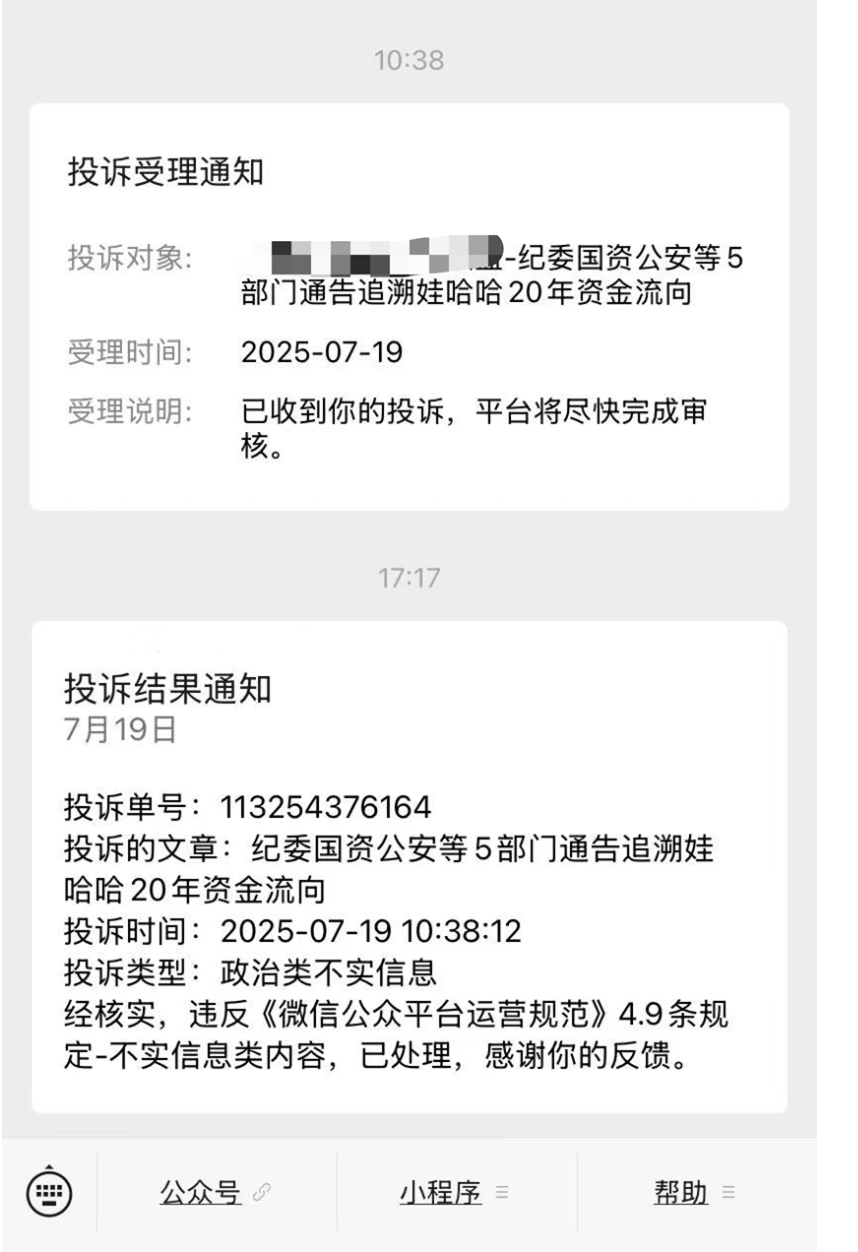
说国有资产流失的,非蠢即坏
Hu Xiu· 2025-07-19 11:50
Core Viewpoint - The article discusses the implications of a rumor regarding the investigation of Wahaha for potential state asset loss over the past 20 years, arguing that such claims are unfounded and driven by malicious intent to create internal conflict and panic within the business community [1][4][36]. Group 1: Allegations and Responses - The article criticizes the spread of unverified claims about Wahaha, emphasizing the irresponsibility of media and individuals who propagate such narratives without proper evidence [3][6][12]. - It asserts that the situation does not involve state asset loss, as the core issue revolves around related party transactions and pricing fairness, which are common in business practices [5][15][21]. Group 2: Economic Context and Business Environment - The author highlights the importance of considering the broader economic context, stating that the success of companies like Wahaha contributes positively to local employment, tax revenue, and foreign investment [18][20][22]. - It is noted that the business ecosystem in cities like Hangzhou and Shenzhen is robust, with a favorable environment for investment and entrepreneurship, which counters the narrative of asset loss [25][36]. Group 3: Historical Perspective - The article emphasizes the historical context of the reforms initiated by entrepreneurs during the early stages of market economy development, arguing that these efforts should not be overlooked when assessing current business practices [26][30][32]. - It suggests that labeling successful entrepreneurs as perpetrators of asset loss undermines their contributions to economic growth and development [33][41].

四问娃哈哈:谁是宗馥莉的敌人和朋友?
Guan Cha Zhe Wang· 2025-06-30 13:09
Core Points - The transition of leadership at Wahaha has been marked by significant turmoil following the death of former chairman Zong Qinghou, with Zong Fu Li now at the helm [1][2] - The company is facing operational challenges, including forced employee relocations and production line shutdowns, which have raised concerns about its management and future direction [16][19] - The ambiguity surrounding Wahaha's status as a state-owned or private enterprise has led to ongoing debates about governance and asset management [4][11] Group 1: Leadership Transition - Zong Fu Li officially took over as the legal representative and chairman of Wahaha, indicating a complete leadership change [1] - The company has experienced a rapid decline in public trust and sales following a series of controversies surrounding Zong Fu Li's management style and decisions [2][22] - The leadership transition has been characterized by a stark contrast in management styles between Zong Fu Li and her predecessor, leading to employee dissatisfaction and operational disruptions [21][25] Group 2: Operational Challenges - Many production lines have been shut down since the Spring Festival, affecting approximately 1,500 employees and leading to significant income reductions for workers [16][19] - Employees have expressed confusion and frustration over the company's direction, questioning whether they are working for Wahaha or for Zong Fu Li personally [4][19] - The company has faced criticism for outsourcing production while its own lines remain inactive, raising quality concerns among consumers [16][19] Group 3: Corporate Structure and Governance - Wahaha's ownership structure is complex, with significant stakes held by both state-owned and private entities, leading to confusion about its classification as a state-owned or private enterprise [4][5] - The recent trademark transfer of the "Wahaha" brand has sparked debates about potential state asset losses, with legal implications still under scrutiny [11][13] - The historical context of Wahaha's establishment and its ties to state support complicate its current governance and operational strategies [6][7]

深物业高管遭留置 国企资产流失曾被查
凤凰网财经· 2025-06-06 13:01
Group 1 - The article discusses the recent management turmoil at Shenzhen Property A (深物业 A), highlighting the resignation of Vice General Manager Chen Hongji due to alleged job-related violations [3][4][6] - Chen Hongji's departure is part of a broader trend of high-level resignations within the company, including the chairman and other board members, raising concerns about stability in a state-owned enterprise [3][4][5] - The company has faced ongoing scrutiny regarding potential fund misappropriation and high guarantees involving related parties, which has led to regulatory inquiries [9][10] Group 2 - Shenzhen Property A has a long history, established in 1982, and is currently controlled by Shenzhen Investment Holdings Co., Ltd., a state-owned entity [5][6] - The company reported a significant decline in financial performance, with a revenue of 2.734 billion yuan in 2024, down 7.79% year-on-year, and a net loss of 1.115 billion yuan, a staggering drop of 340.24% [12] - The company's high debt levels are concerning, with a debt-to-asset ratio of 79.81% and negative cash flow from operating activities for three consecutive years, indicating increasing financial pressure [12][13]

经参调查|国有股东和职工权益涉嫌受损 娃哈哈“体外”迷局待解
新华网财经· 2025-06-06 01:24
Core Viewpoint - Following the death of former chairman Zong Qinghou, Wahaha Group has undergone significant changes, leading to concerns about its operational integrity and governance structure, with indications of a shift towards a "de-Wahaha" model [1][5][12]. Group 1: Corporate Changes and Governance Issues - Wahaha Group has initiated trademark transfer applications, halted production at multiple processing plants, and engaged in outsourcing production to competitors, raising questions about its brand and product quality [1][5]. - Former executives have indicated that the company is becoming increasingly disconnected from its original identity, with profits being redirected to external entities controlled by management [1][5]. - The group has faced criticism for governance issues, particularly regarding the management of profits and the operational status of its factories, with over 15 plants reported to have ceased operations since Zong's passing [5][10]. Group 2: Financial Performance and Structure - As of the end of 2022, the total assets of the entire "Wahaha system" amounted to 37.047 billion yuan, with revenues of 51.202 billion yuan and net profits of 4.767 billion yuan, while Wahaha Group itself had total assets of only 5.807 billion yuan and revenues of 1.403 billion yuan [11][12]. - The state-owned stake in Wahaha Group represents only 15.67% of the total assets of the "Wahaha system," with revenues and net profits contributing merely 2.74% and 0.39%, respectively [12]. Group 3: Trademark and Brand Management - There have been attempts to transfer the "Wahaha" trademark to companies outside of the group, which could significantly impact the brand's ownership and operational control [15][16]. - The management has sought to establish new brands, such as "Wah Xiaohai" and "Zong Xiaohai," indicating a potential move to further distance itself from the original Wahaha brand [16]. Group 4: Employee Relations and Rights - Employees have raised concerns about their rights and the legitimacy of stock buyback schemes initiated by the employee stockholding committee, which have been criticized for lacking proper governance and transparency [20][21]. - The management's control over the employee stockholding committee has led to significant consolidation of power, raising alarms about the protection of employee interests [21][22].