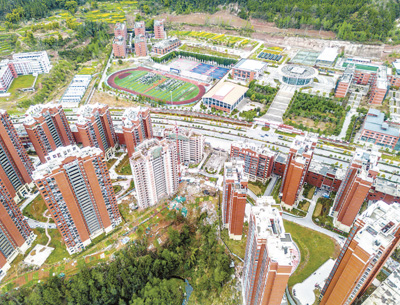
城镇化率

Search documents
中国人口往何处去(2025年简洁版)
李迅雷金融与投资· 2025-06-21 01:18
Group 1: Economic Impact of Population Changes - The core argument is that population changes significantly influence economic dynamics, particularly through the dependency ratio, which affects labor supply and economic contributions [1][2][3] - The dependency ratio in China has shifted from 7 dependents per 10 working-age individuals in 1980-2010 to 4.8 dependents per 10 currently, with projections indicating further increases in dependency ratios by 2050 [2][3] - The historical context shows that the population boom from 1962-1974 led to a substantial economic growth period, with GDP growth averaging around 10% during 1980-2010, contrasting with the slower growth in the U.S. [1][2] Group 2: Birth Rate and Population Forecasts - The birth rate in China is projected to decline significantly, with new births expected to drop below 900 million by 2025 and potentially fall below 700 million by 2035 [5][8] - The adjustment of birth rate models reflects a more pessimistic outlook, with 2024's new births estimated at 9.54 million, lower than previous optimistic forecasts [4][5] - Factors contributing to the declining birth rate include delayed marriages and changing societal attitudes towards family and child-rearing [11][12] Group 3: Migration Trends and Urbanization - Urbanization rates are slowing, with a notable decrease in the number of migrant workers and a trend of population returning to smaller provinces [12][13] - Major urban centers continue to attract population inflows, particularly in economically vibrant regions like Zhejiang and Shanghai, despite overall population declines in many provinces [14][15] - The movement of people is characterized by a shift from rural to urban areas, with a concentration in major metropolitan areas, enhancing productivity and service delivery [12][15] Group 4: Employment Trends in Manufacturing and Services - The manufacturing sector is experiencing a decline in employment, with a shift towards service industries, which are expected to absorb more labor in the future [16][17] - The service sector's contribution to GDP is increasing, with significant potential for job creation, contrasting with the stagnation in manufacturing employment [16][17] - High-tech manufacturing and service sector growth are critical for attracting population inflows, as seen in cities like Chengdu and Hefei [17]


10个省份城镇化率超70%,广东城镇人口超9700万
Di Yi Cai Jing· 2025-05-31 11:50
Group 1 - As of 2024, 10 provinces in China have urbanization rates exceeding 70%, with Shanghai, Beijing, and Tianjin surpassing 85% [1][2] - Guangdong, Jiangsu, and Zhejiang have urbanization rates above 75%, indicating significant urban growth in these coastal provinces [2][3] - The overall urbanization rate in China reached 67% by the end of 2024, an increase of 0.84 percentage points from the previous year [1][2] Group 2 - Inner Mongolia's urbanization rate reached 70.7% by the end of 2024, marking its first time exceeding the 70% threshold [3] - Eight out of ten provinces with urbanization rate increases of over 1 percentage point are located in the central and western regions, highlighting rapid urbanization in these areas [3] - The urban population in Guangdong reached 97.01 million, significantly higher than other provinces, establishing it as the largest urban population in the country [4] Group 3 - The State Council's action plan emphasizes urbanization potential in regions like Hebei, Anhui, and Hunan, aiming to enhance industrialization and urbanization [5] - Major cities in the central and western regions, such as Wuhan and Chengdu, are experiencing rapid industrial growth, attracting talent and population inflow [5] - In Anhui, the number of employed personnel in legal entities increased by 29.8% over five years, indicating strong economic growth [6]
城镇化率达67%,是个啥概念?
Ren Min Ri Bao Hai Wai Ban· 2025-05-07 22:28
Core Insights - China's urbanization rate has increased from 11% in 1949 to 67% in 2024, marking the largest and fastest urbanization process globally [2][4] - The urban population has surpassed 940 million, with a significant increase of over 88 million since 1949, which is nearly double the total population of the EU [2][4] - Urbanization has accelerated particularly in the central and western regions, narrowing the gap with eastern regions [6][7] Urbanization Rate and Growth - The urbanization rate has increased by 56 percentage points from 1949 to 2024, with a notable rise of 49.08 percentage points since 1978 [4][8] - The average annual growth rate of urbanization in China has been over 1 percentage point, significantly higher than the global average of 0.42 percentage points [4][8] Urban Expansion - The number of cities in China has grown from 193 in 1978 to 694 in 2023, a 2.6-fold increase [5] - The urban built-up area has expanded from 7,438 square kilometers in 1981 to 62,038 square kilometers in 2023, a growth of 7.3 times [5] Regional Disparities - There are significant regional disparities in urbanization rates, with 12 provinces exceeding the national average and 19 below it [6] - The gap between the highest (Shanghai at 89.46%) and lowest (Tibet at 38.88%) urbanization rates has decreased from 63.07 percentage points in 2014 to 50.58 percentage points in 2023 [6] Future Urbanization Potential - The urbanization rate is expected to continue rising, with projections indicating it could approach 70% by 2030 [7][8] - Each percentage point increase in urbanization is estimated to generate an additional 1 trillion yuan in investment demand and over 200 billion yuan in consumption demand [9] Policy and Strategic Initiatives - The government is implementing a series of policies to enhance urbanization quality, including improving infrastructure and public services in county towns [9][10] - The focus is on tailored strategies for different regions to optimize urbanization development based on local conditions [10]