家族治理

Search documents
ESG解读|一致行动协议终止后,桃李面包董事会首现反对票;家族双核治理直面业绩考验
Sou Hu Cai Jing· 2025-06-05 03:12
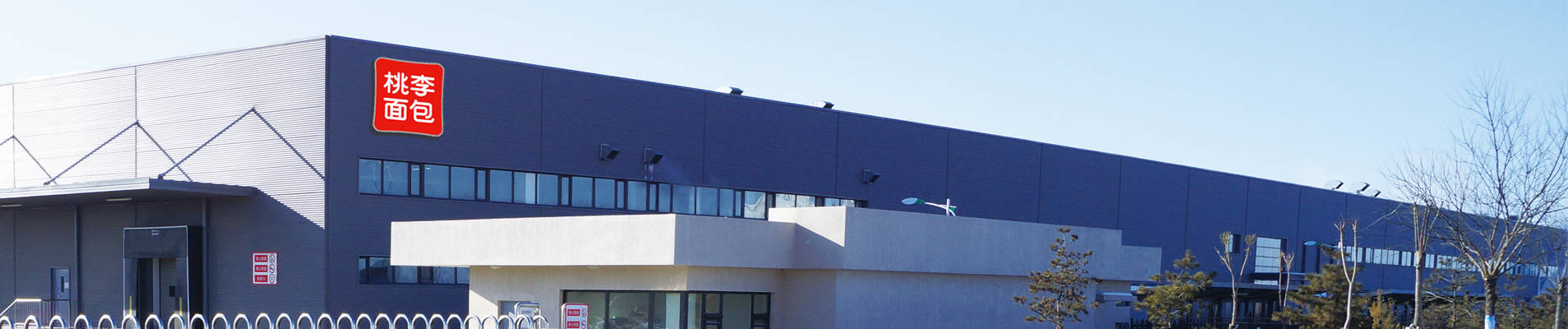
Core Viewpoint - The article discusses the governance structure and recent developments at Tao Li Bread, highlighting the shift from a unified family control to a more decentralized decision-making process within the board of directors [5][6]. Shareholding Structure - Tao Li Bread exhibits a typical family-controlled structure, with four family shareholders holding a combined 56.36% of shares, led by Wu Xuequn with 24.99% and Wu Xueliang with 15.71% [3][4]. - The family has a diversified shareholding, preventing any single shareholder from having absolute control, despite the concentration of shares within the family [4]. Recent Governance Issues - A recent board meeting revealed a dissenting vote from Wu Xueliang against a proposal to increase credit limits, indicating potential governance issues within the family [5][6]. - The company has 24 production bases with a capacity of 49.35 million tons, but production has decreased by 11.03% compared to 2023 [5]. Historical Context - The shareholding evolution of Tao Li Bread can be divided into three phases: initial family control, consolidation during growth, and governance adjustments post-IPO [7][10]. - The company was founded in 1997 by Wu Zhigang and his second son, Wu Xuequn, and has undergone several ownership changes and expansions since then [10][11]. Financial Performance - The company has faced declining financial performance, with a revenue drop of 14.2% in Q1 2025 and a net profit decline of 27.1% [19]. - In 2024, revenue was 6.09 billion yuan, down 9.9% year-on-year, with net profit at 520 million yuan, a decrease of 9.1% [19]. ESG Disclosure - Tao Li Bread currently holds a B rating in ESG assessments, with governance scores being higher than social and environmental scores [21][23]. - The company has faced criticism for its lack of transparency in social and environmental responsibility disclosures, particularly regarding employee turnover and product quality complaints [25][27]. Information Disclosure - The company has maintained a cash dividend policy, with a planned payout ratio of 76.6% for 2024, aligning with regulatory expectations [28]. - Despite having a comprehensive information disclosure system, the quality of disclosures still requires improvement, as evidenced by a consistent B rating from the stock exchange over the past three years [28].


环球产业观丨洪九果品多名高管涉刑案 阿里投资的港股“水果第一股”要凉?
Huan Qiu Wang Zi Xun· 2025-04-24 08:40
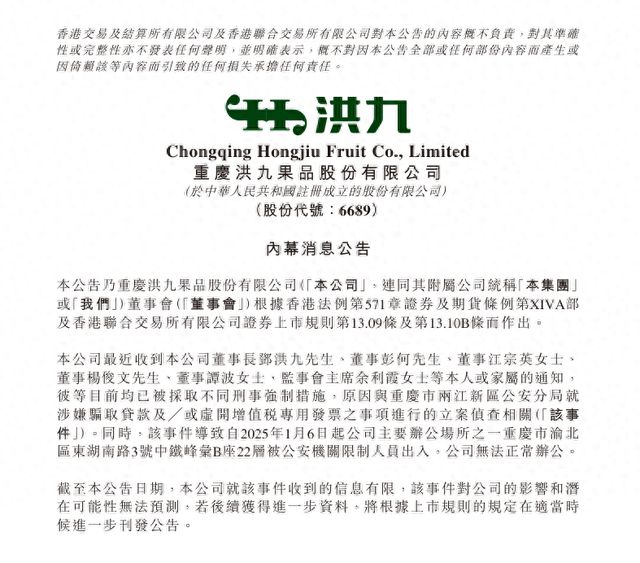
Core Viewpoint - Chongqing Hongjiu Fruit Co., Ltd., known as the "first fruit stock," is facing a crisis as multiple senior executives, including the chairman, have been subjected to criminal coercive measures related to loan fraud and/or the issuance of false VAT invoices, marking a significant decline from its previous status as a leading player in the fruit industry [1][5][9] Group 1: Company Overview - Hongjiu Fruit was founded by Deng Hongjiu and has attracted investments from notable institutions such as Alibaba and China Agricultural Reclamation Industry Development Fund [1][5] - The company was listed on the Hong Kong Stock Exchange in September 2022, achieving a revenue of 15.08 billion yuan and a market capitalization exceeding 67 billion HKD at its peak [5][7] - As of March 20, 2024, the company has been suspended from trading, with a market value of approximately 2.795 billion HKD, a significant drop from its previous valuation [5][6] Group 2: Executive Actions and Governance Issues - All five executive directors, including the chairman and other key figures, have been subjected to varying degrees of criminal coercive measures, indicating severe governance issues within the company [3][4][8] - The family governance structure has led to a concentration of power, with multiple family members in key positions, raising concerns about the lack of independent oversight and potential risks of financial manipulation [8][9] Group 3: Financial Challenges - The company has faced significant financial difficulties, with operating cash flows consistently negative from 2019 to 2022, culminating in a cash flow of -1.823 billion yuan in 2022 [7][8] - As of June 30, 2023, the company reported a total loan amount of 2.776 billion yuan and trade receivables of approximately 10.151 billion yuan, with only 557 million yuan in cash and cash equivalents [7][8]