情绪劳动

Search documents
情绪劳动,累惨“低能耗”青年
Hu Xiu· 2025-05-22 00:19
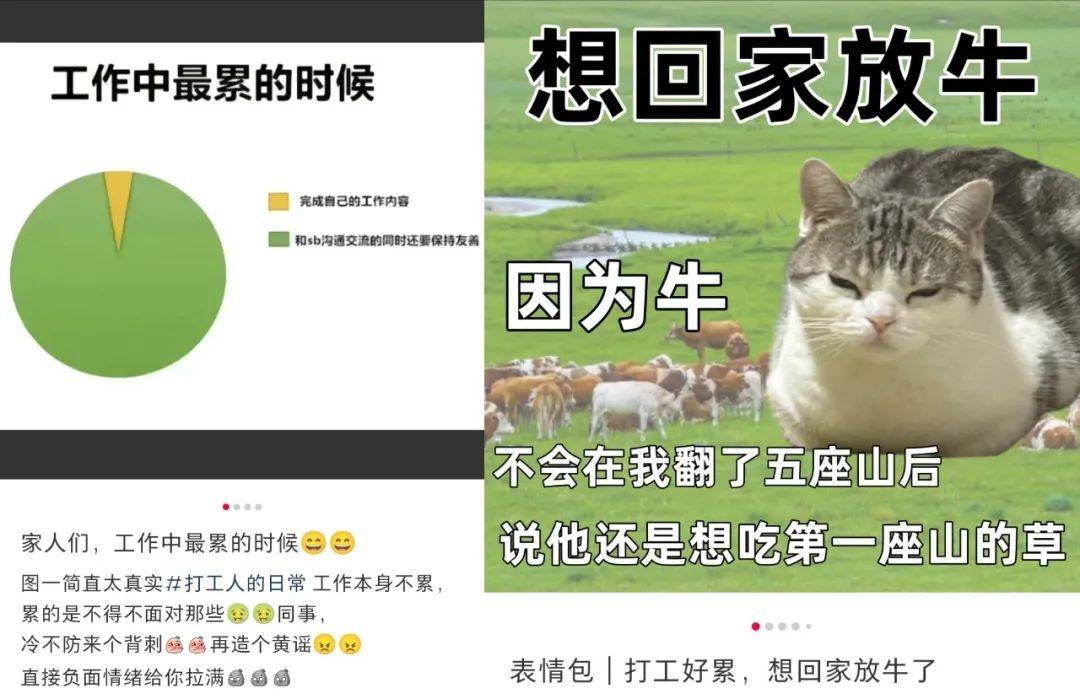
Group 1 - The article discusses the societal pressure to adopt a "high-energy" lifestyle, which is often portrayed as a path to success and fulfillment [3][4][5] - There is a growing skepticism among individuals regarding the concept of a "high-energy life," questioning whether it is a form of societal dominance that overlooks the struggles of those labeled as "low-energy" [5][6] - The concept of "emotional labor" is introduced, highlighting the invisible effort individuals expend to maintain emotional stability and satisfaction in their work environments [9][10][11] Group 2 - The article emphasizes that emotional labor is prevalent in service industries, where workers often face emotional overload without adequate compensation [10][11] - It points out that younger generations are increasingly rejecting the notion of overexertion and are opting for a "low-energy" lifestyle that prioritizes well-being over relentless ambition [14][15] - The narrative suggests that young people are becoming aware that excessive effort does not guarantee success, leading them to adopt a more balanced approach to life and work [15][16] Group 3 - The "low-energy" lifestyle is characterized by a preference for simplicity, sustainability, and a slower pace of life, which contrasts sharply with the high-energy demands of modern society [19][20][21] - Individuals embracing this lifestyle seek to minimize their emotional and physical exertion, focusing instead on meaningful experiences and connections [22][23][24] - The article concludes with a call for individuals to resist societal pressures to conform to high-energy expectations and instead embrace a more relaxed and fulfilling way of living [26][27]

「情绪劳动」成职场隐形 KPI,打工人怎样才能减少内耗?|声动早咖啡
声动活泼· 2025-05-08 06:54
Core Viewpoint - The article discusses the concept of "emotional labor," highlighting its significance in the workplace and the challenges faced by employees in managing their emotions while fulfilling job responsibilities [5][8][10]. Group 1: Emotional Labor in the Workplace - Emotional labor is defined as the effort employees put into managing their emotions and expressions to meet organizational expectations [5][8]. - The rise of service-oriented economies has increased the prevalence of emotional labor, which is linked to various negative outcomes such as burnout, fatigue, and even health issues [9]. - Many organizations overlook emotional labor in performance evaluations and training, leading to a lack of recognition for its psychological costs [8][10]. Group 2: Case Study - Starbucks - Starbucks' new CEO Brian Niccol has implemented a policy requiring baristas to write personal messages on coffee cups to enhance emotional connections with customers [2][4]. - While this initiative aims to foster customer relationships, it has inadvertently increased stress for employees, particularly during peak hours, as they struggle to balance this additional task with their regular duties [2][4]. Group 3: Recommendations for Managing Emotional Labor - The article suggests reframing emotional labor from being categorized as "soft skills" to recognizing its complexity and psychological impact [9]. - It recommends practicing "empathy detachment" to maintain emotional boundaries while still being empathetic, which can help employees manage their emotional involvement [11]. - Another suggestion is to engage in expressive writing to process negative emotions, which can aid in transitioning from an emotional "experiencer" to an "observer," thereby reducing emotional strain [12][14].

累死年轻人的情绪价值,为什么那么不值钱?
Hu Xiu· 2025-04-30 00:30
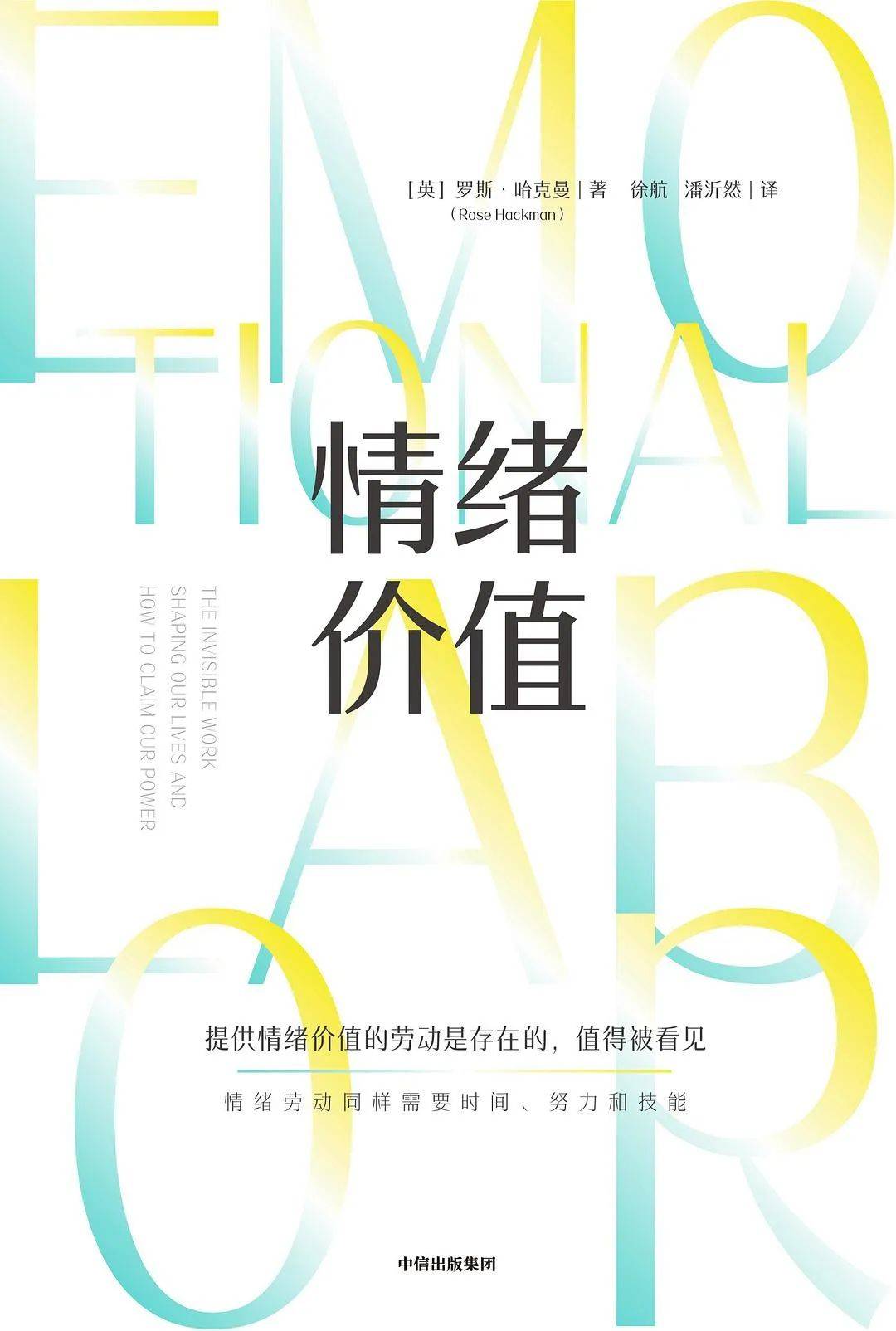
Group 1 - The article discusses the emerging concept of "emotional labor" and its significance in modern society, particularly among young people who feel emotionally drained and undervalued [2][3][10] - Emotional value is described as a scarce resource, comparable to enjoying a freshly cooked meal, and is often unreciprocated, leading to a sense of exhaustion among individuals who provide it [4][5][12] - The concept of emotional labor is defined as the effort individuals put into managing their emotional expressions to meet societal or organizational expectations, which is prevalent in both workplace and personal relationships [10][11][12] Group 2 - The article highlights the gender dynamics of emotional labor, noting that women are often expected to provide emotional support without recognition or compensation, reinforcing their subordinate status in social hierarchies [12][15][24] - The discussion includes the challenges faced by men in expressing emotions and the need for them to develop emotional skills through practice, emphasizing that emotional labor is a skill that can be learned by anyone [19][20][27] - The article suggests that high-end service industries recognize the value of emotional labor, providing better emotional experiences for customers, which raises questions about the economic recognition of such labor [32][35][36]