抗战精神传承

Search documents
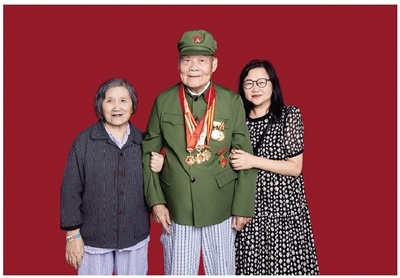
杭州为抗战老兵定格“荣光时刻”
Hang Zhou Ri Bao· 2025-08-28 02:49
Core Viewpoint - The "Glory·Freeze" public welfare action aims to document the memories of anti-Japanese war veterans through professional photography, preserving their legacy and patriotism for future generations [3][4]. Group 1: Event Overview - The event commemorates the 80th anniversary of the victory in the Chinese People's Anti-Japanese War and the World Anti-Fascist War [3]. - A professional photography team visited the homes of eight veterans to capture their images in military uniforms and family portraits, utilizing a door-to-door service approach [3]. - The photography setup included costumes, lighting, backdrops, and portable printing equipment to create a temporary studio in the veterans' homes [3]. Group 2: Emotional Impact - Veterans expressed deep emotions upon receiving their photographs, with one stating it would be displayed prominently in their home [3]. - Family members were moved to tears, recognizing the military portraits as the most precious photos in their households [3]. Group 3: Historical Significance - The stories shared by veterans during the photography sessions represent not only personal memories but also a collective historical heritage of the Chinese nation [4]. - The photographs will serve as educational materials for patriotism and ideological education in exhibitions, schools, and communities [4]. Group 4: Future Initiatives - The veterans' service center plans to continue collecting oral histories and documenting red memories, aiming to create more impactful cultural projects that promote the spirit of the anti-Japanese war [4].

宛平城焕新开放
Ren Min Ri Bao· 2025-08-27 22:19
Core Perspective - The article highlights the revitalization and cultural significance of the Lugouqiao Wanfengcheng historical and cultural district in Beijing, emphasizing the integration of historical preservation with modern urban development [2][5][7]. Group 1: Historical and Cultural Significance - The Lugouqiao Wanfengcheng area is recognized as a historical cultural protection zone and a site for national anti-war memorial activities, embodying the spirit of the great anti-war struggle [2][3]. - The district features significant historical sites, including the 800-year-old Lugou Bridge and the China Anti-Japanese War Memorial Museum, which serve as reminders of the past and are integral to the city's cultural identity [2][8]. Group 2: Urban Renewal and Development - Recent renovations have improved the living environment while preserving historical elements, with a focus on integrating cultural heritage into modern life [2][5]. - The area is being transformed into a "museum city," with plans to introduce various museums and cultural facilities to enhance public cultural services [3][4]. Group 3: Community Engagement and Activities - The district hosts various exhibitions and events that reflect local history and culture, such as the "Fengtai Anti-War Special Exhibition," showcasing artifacts and photographs from the anti-Japanese war [4][11]. - The integration of modern technology in exhibitions, such as QR codes for detailed information, enhances visitor engagement and educational experiences [13][14]. Group 4: Visitor Experience and Tourism - Since the reopening of the China Anti-Japanese War Memorial Museum, daily visitor numbers have exceeded 20,000, indicating a growing interest in the area's historical significance [14]. - The district aims to attract international tourists by promoting peace and cultural exchange, showcasing China's commitment to preserving its history while looking towards the future [14].
英雄之路
Xin Hua She· 2025-08-27 07:51
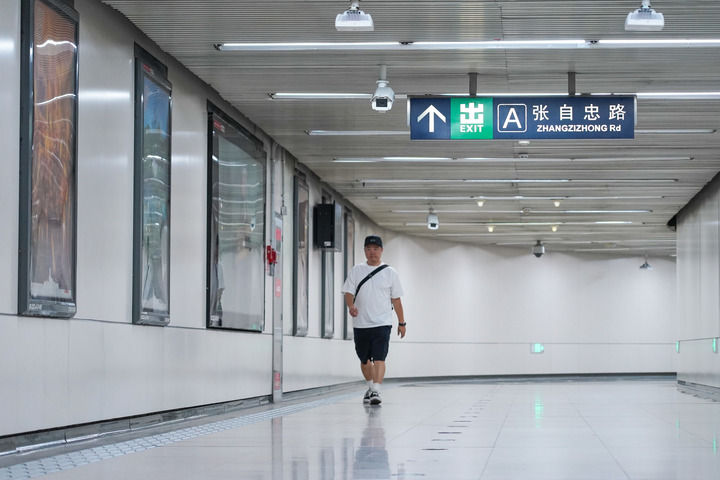
Core Viewpoint - The article explores the significance of streets named after anti-Japanese heroes in China, particularly in the context of the 80th anniversary of the victory in the Chinese People's Anti-Japanese War and the World Anti-Fascist War, highlighting how these names serve as a reminder of the sacrifices made for national independence and the ongoing legacy of these heroes in contemporary society [1][30]. Group 1: Historical Context - Streets named after heroes like Zhang Zizhong, Zhao Dengyu, and Tong Linge have become permanent memorials, reflecting the collective memory of the sacrifices made during the Anti-Japanese War [7][9]. - The renaming of roads to honor these heroes occurred shortly after the war, with significant public support and rapid implementation, indicating a strong societal desire to commemorate their contributions [9][19]. Group 2: Personal Narratives - Personal stories, such as that of Che Qing, who recounts learning about his grandfather Zhang Zizhong through childhood literature, illustrate the familial connections to these historical figures and the impact of their legacies on subsequent generations [2][5]. - The article features accounts from individuals like Zheng Zengmin, who witnessed the events of the July 7 Incident and continues to share his family's history, emphasizing the personal connections to these historical narratives [19][21]. Group 3: Cultural Significance - The streets named after these heroes not only serve as physical reminders of history but also as cultural symbols that connect past sacrifices to present-day life, fostering a sense of national pride and identity [11][30]. - The article notes that many young people today may not fully grasp the historical significance of these street names, yet they remain integral to the urban landscape and collective memory [13][30]. Group 4: Commemoration and Legacy - Commemorative events and memorials, such as the sculptures and exhibitions dedicated to these heroes, play a crucial role in educating the public and preserving the memory of their sacrifices [17][26]. - The ongoing recognition of these heroes through street names and public memorials reflects a broader societal commitment to honor those who fought for national independence and freedom [28][30].
“铭记烽火岁月 传承抗战精神”主题展览持续至9月底
Su Zhou Ri Bao· 2025-08-26 23:05
Core Viewpoint - The exhibition titled "Remembering the War Years, Inheriting the Spirit of Resistance" was inaugurated at the Labor Road Station, a transfer point between Suzhou Metro Lines 2 and 5, transforming the passageway into a "red corridor" that traverses time [1] Group 1: Exhibition Overview - The exhibition is divided into four main sections: "War Years: Background of Resistance," "Cultural Resistance: National Awakening," "Iron Blood Glory: Heroic Songs," and "Never Forget National Humiliation: Passing the Torch" [1] - It utilizes historical images, documents, and precious artifacts to vividly recreate the arduous journey of resistance [1] Group 2: Educational and Cultural Impact - The exhibition features paintings created by Suzhou students, highlighting both grand national scenes and local heroic episodes, showcasing their admiration for martyrs and longing for peace [1] - The event is co-hosted by the Suzhou Workers' Cultural Palace and the Suzhou Rail Transit Group, with support from the Workers' Cultural and Sports Association and the Rail Transit Group Trade Union [1] Group 3: Duration and Invitation - The exhibition will run until the end of September, encouraging citizens to visit and draw strength from historical reflections [1] - The aim is to ensure that the memory of the resistance remains deeply ingrained and transforms into a motivational force for the future [1]
血·燃烧·胜利
Ren Min Ri Bao· 2025-08-26 22:22
Core Viewpoint - The articles emphasize the profound significance of "victory" in the context of historical sacrifices made during the war, particularly highlighting the emotional and spiritual legacy left by the 35 million compatriots who suffered and fought for national dignity [1][2]. Group 1 - The term "victory" encapsulates the immense pain and sacrifice of 35 million compatriots, symbolizing a powerful and unyielding spirit against invaders [1][2]. - The narrative evokes vivid imagery of battles such as the Battle of Shanghai and the Battle of Taierzhuang, illustrating the fierce determination and bloodshed that characterized the struggle for national pride [2]. - The articles convey that this victory is not just a historical event but a living legacy that continues to resonate in the hearts of future generations, representing a commitment to defend hard-won peace [2].
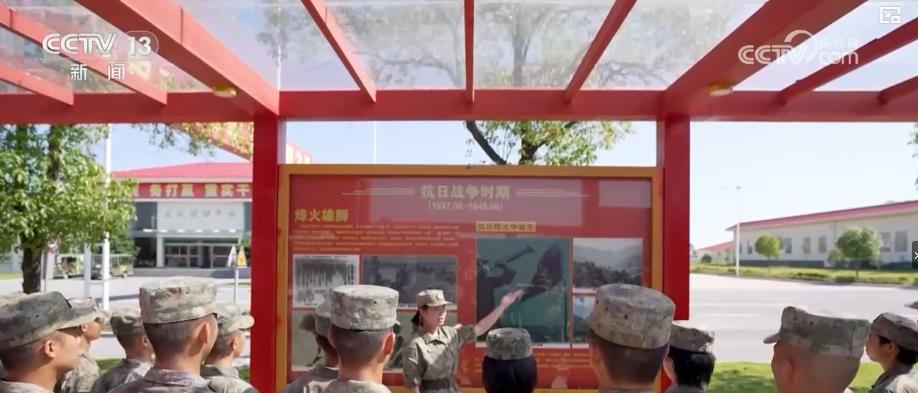
以强军担当告慰先烈 用胜战本领守护山河 全军部队多种形式纪念全民族抗战爆发88周年
Yang Shi Wang· 2025-07-07 12:15
Group 1 - The military organized various commemorative activities on July 7 to draw strength from historical memories and integrate the pledge of "never forget national humiliation, revitalize China" into their preparations for combat [1] - The date marks the 88th anniversary of the "July 7 Incident," which ignited the nationwide resistance against Japanese invasion, with soldiers reflecting on the sacrifices made by countless Chinese during this period [3] - Soldiers visited the New Fourth Army Memorial Hall to view historical artifacts and photographs, which served as a reminder of the arduous anti-Japanese war years [5] Group 2 - In the snow-covered highlands at an altitude of 4,300 meters, soldiers held solemn ceremonies to honor revolutionary martyrs, emphasizing the importance of remembering history and loyalty [7] - The spirit of the martyrs, who fought against invaders, is highlighted as a source of inspiration for current soldiers to uphold national sovereignty and security [5][7] - Soldiers expressed their commitment to inherit the revolutionary spirit and transform their remembrance of martyrs into motivation for military training and readiness [9]