
政府和社会资本合作

Search documents
地方AMC创新破局纾困难题 激活长三角黄金交通线
21世纪经济报道· 2025-05-20 23:37
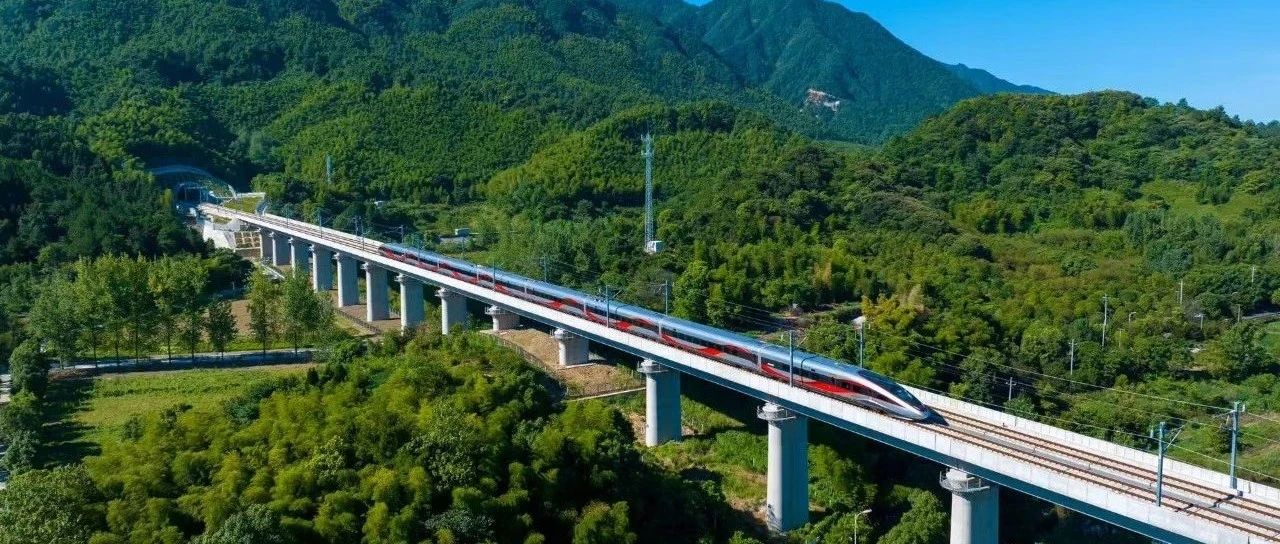
Core Viewpoint - The successful operation of the Hangzhou-Wenzhou High-Speed Railway (HWHSR) represents a significant achievement in public-private partnership, showcasing the role of Zhejiang Merchants Asset Management in mitigating financial risks and supporting infrastructure development [1][4][6]. Group 1: Project Overview - HWHSR is China's second high-speed railway primarily funded by private capital and the first "dual demonstration" project of mixed ownership reform [2][4]. - The railway connects key economic cities and industrial zones in the Yangtze River Delta, enhancing regional connectivity and promoting economic integration [2][3]. Group 2: Economic Impact - The opening of HWHSR is expected to significantly improve regional transportation efficiency and bolster the economic capabilities of cities like Hangzhou and Wenzhou [3][4]. - The railway serves as a "golden artery," linking major cities and stimulating industrial upgrades and economic growth in the region [3][4]. Group 3: Financial and Operational Challenges - The project faced financial uncertainties just three months before its opening due to a sudden shortfall in capital from an investment institution [1][4]. - Zhejiang Merchants Asset Management stepped in to ensure timely capital injection, completing a 1.5 billion yuan investment that facilitated the railway's successful launch [4][6]. Group 4: Operational Performance - Since its opening, HWHSR has seen over 284,000 passengers transported, with a daily average of 14,642 passengers, indicating strong demand for travel [7]. - During the recent "May Day" holiday, the railway operated 50 pairs of trains daily, a 16.4% increase in capacity compared to regular operations, highlighting its robust operational capabilities [7].

畅通拓宽民间投资渠道
Sou Hu Cai Jing· 2025-03-30 22:40
Group 1 - The government aims to actively expand effective investment and encourage private investment development, particularly in major infrastructure and social welfare projects [1][2] - Private investment accounts for over 50% of total fixed asset investment in China, playing a crucial role in economic development, stabilizing overall investment, and expanding social employment [1][2] - The report highlights the significant potential for investment in China, driven by a growing consumer market, a complete industrial system, and ample factor supply [1][2] Group 2 - Strengthening private investment in the manufacturing sector is essential for accelerating domestic industrial chain upgrades and promoting new productive forces [2][3] - Private investment in social sectors can enhance people's livelihoods and stimulate consumption, particularly in areas closely related to improving living standards [2][3] - The government emphasizes the importance of stimulating private investment vitality and optimizing investment structures to enhance investment effectiveness [2][3] Group 3 - The government plans to relax market access and increase support for private investment, encouraging private capital participation in major engineering projects and various consumption scenarios [3][4] - Simplifying investment approval processes and optimizing coordination mechanisms are crucial for expanding effective investment [3][4] - The government aims to broaden financing channels and improve project financing mechanisms to lower funding costs for the real economy and mitigate financial risks [4]