政治豪赌

Search documents
吴寄南:高市早苗的这场政治豪赌,存在三大悬念
Xin Lang Cai Jing· 2026-01-23 00:20
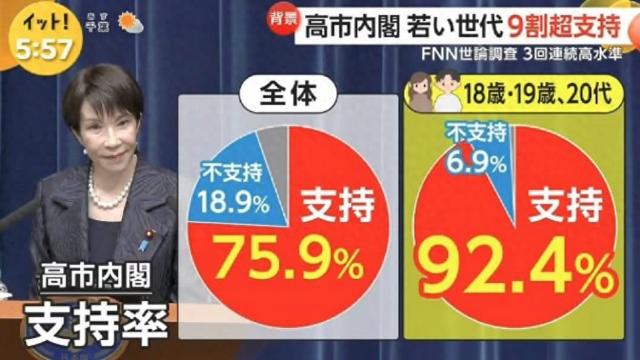
Core Viewpoint - Japanese Prime Minister Sanna Takashi announced the dissolution of the House of Representatives to hold early elections, citing the need to advance new economic and fiscal policies and to better implement governance goals with the Japan Innovation Party [1][2] Group 1: Reasons for Dissolution - The dissolution is seen as a strategy to avoid scandals related to the Unification Church, which has been linked to the ruling Liberal Democratic Party (LDP) and could impact public support [3][5] - High support rates for Takashi's cabinet, particularly among young voters, provide a favorable environment for the LDP to secure a majority in the upcoming elections [5][6] - The timing of the election in winter may lead to lower voter turnout, which could benefit the LDP due to its organizational advantages [7] Group 2: Potential Risks and Challenges - The lack of a strong justification for the dissolution may lead to public skepticism regarding the government's commitment to addressing rising prices and other pressing issues [9] - The LDP's overall support remains low compared to the cabinet's approval ratings, which could pose a risk in the elections [10] - The potential loss of support from the Komeito party, which has historically provided significant votes, could severely impact the LDP's performance in the elections [11] Group 3: Political Landscape and Alliances - The formation of a new political alliance between the Komeito and the Constitutional Democratic Party aims to counterbalance the rightward shift of Takashi's government, reflecting concerns over increased militarization and nationalism [16][20] - The new alliance's policy proposals focus on sustainable economic growth, social security, and maintaining a pacifist foreign policy, which may attract a broader voter base [17][19] - The effectiveness of this alliance in the upcoming elections remains uncertain, as voter familiarity with the new party name could affect ballot validity [20]

特朗普“突变”:关税刀锋收回6天,连遭三拳打脸!
Sou Hu Cai Jing· 2025-08-05 05:12
Core Viewpoint - The article discusses President Trump's unexpected delay of a new global tariff policy, which is seen as a strategic maneuver in the context of global trade tensions and domestic economic challenges [1][3]. Group 1: Tariff Policy Details - The new tariff policy, described as a "century tax increase," imposes tariffs ranging from 10% to 41% on goods from 67 countries and regions, marking the largest tax rate increase in U.S. history [2]. - Tariff rates vary significantly by country, with Japan, South Korea, and New Zealand at 15%, Canada at 35%, and Syria at the highest rate of 41%. The EU's tariffs will be flexibly adjusted based on existing standards, while Vietnam is set at 20% and the UK and Brazil at 10% [2]. - Companies found to evade tariffs through "third-country transshipment" will face an additional 40% transshipment tax and will be publicly listed on a "evasion list" [2]. Group 2: Economic and Political Reactions - The announcement of the tariffs coincided with disappointing employment data, with only 14,000 new jobs added in June, the lowest in nearly a decade, leading to a significant drop in U.S. stock markets, including a 1.23% decline in the Dow Jones [8]. - Federal Reserve Chairman Jerome Powell's refusal to lower interest rates, despite Trump's pressure, highlights the limitations of Trump's influence over economic policy, indicating a loss of control [9]. - Internationally, tensions escalated as former Russian President Medvedev criticized Trump's sanctions, leading to a military response from Trump, which heightened global concerns about a potential return to Cold War dynamics [11]. Group 3: Strategic Implications - Trump's tariff strategy appears to be a high-stakes political gamble aimed at consolidating political capital amid poor domestic economic indicators and rising international tensions [15]. - The article suggests that while the tariff policy may seem like an economic offensive, its underlying intent is to bolster Trump's re-election prospects, despite the increasing risks and potential backlash from both domestic and international fronts [18].