新能源汽车行业洗牌

Search documents
哪吒母公司被破产,夹缝中的经销商该如何收拾残局?
Qi Lu Wan Bao· 2025-05-19 12:36
Core Insights - The recent bankruptcy examination case of Neta Auto's parent company, Hozon New Energy, has created significant turmoil in the automotive industry, affecting not only Neta Auto but also its dealers [1] - Neta Auto has reported cumulative losses exceeding 18 billion yuan over the past three years, with a projected 40% year-on-year decline in sales for 2024 [1] - The company is facing severe internal crises, including a total of 85 frozen equity cases and an executed amount exceeding 1.65 billion yuan, leading to bank loan withdrawals and employee social security payment interruptions [1] Financial Performance - Neta Auto's cumulative losses over the last three years have surpassed 18 billion yuan [1] - Projected sales for 2024 are expected to drop by 40% year-on-year, with only 110 units sold in January 2025 [1] Dealer Challenges - Dealers have invested heavily in the Neta brand but are now facing significant financial difficulties due to issues with vehicle delivery and unfulfilled rebate payments [3] - Some dealers report losses of over 5 million yuan, with average losses per store ranging from 2 to 3 million yuan [3] - The inability to fulfill warranty commitments and the lack of communication between manufacturers and dealers have further complicated the situation [4] Inventory and Market Impact - Following the bankruptcy news, Neta's vehicle prices have plummeted, with new inventory being sold at discounts of up to 50% [5] - The second-hand market for Neta vehicles has become highly risky, with dealers unwilling to purchase due to potential losses [7] - The overall market sentiment has shifted, leading to a cautious approach among dealers regarding brand representation and expansion [7] Industry Context - Neta Auto's struggles reflect broader challenges within the electric vehicle sector, with other brands like WM Motor and Gaohe also facing similar issues [7] - The competitive landscape is intensifying, and dealers are urged to exercise caution and conduct thorough evaluations before committing to new brands [7]

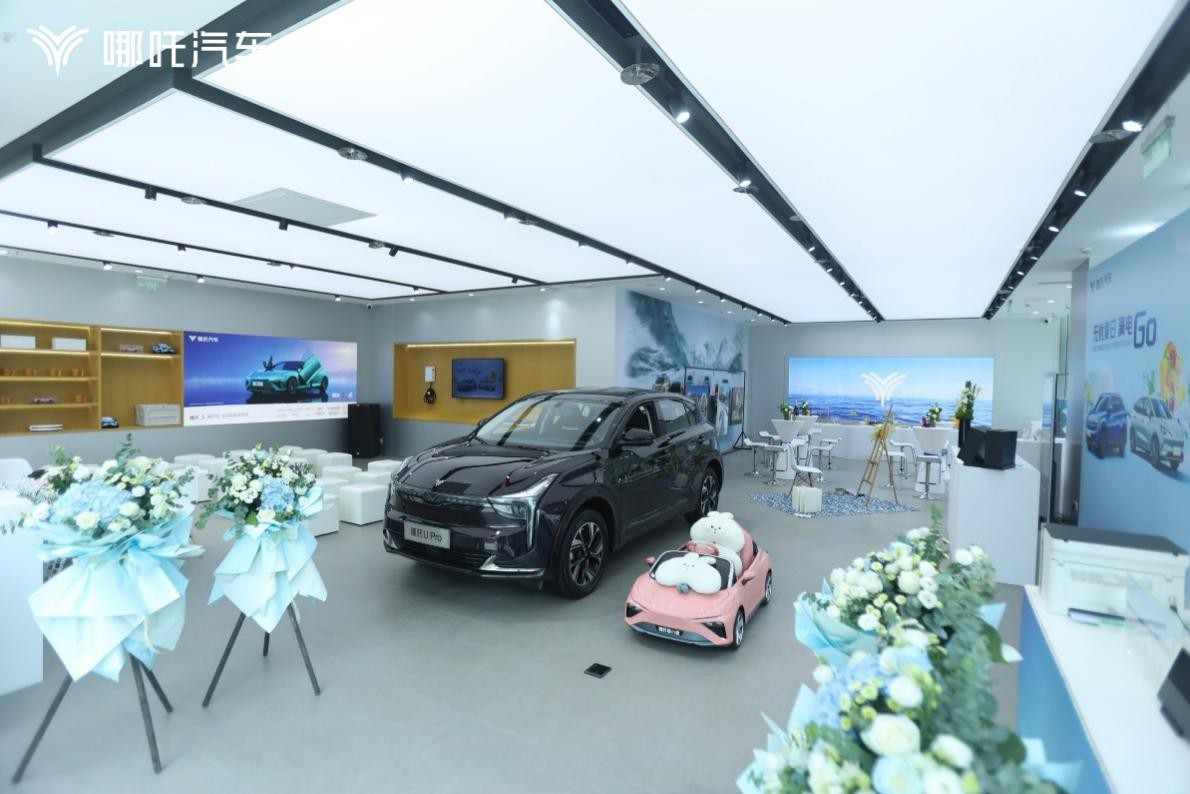
造车黑马被“破产”内幕:烧光228亿,被广告商“500万逼宫”
虎嗅APP· 2025-05-15 11:04
Core Viewpoint - The bankruptcy filing of Neta Auto's parent company, Hozon Auto, highlights the severe financial crisis faced by the once-prominent new energy vehicle manufacturer, revealing a total loss of 18.3 billion yuan over three years and debts exceeding 6 billion yuan owed to suppliers, amidst a dramatic decline in sales and operational challenges [3][12][15]. Group 1: Financial Crisis - Hozon Auto has accumulated losses of 18.3 billion yuan over three years, with a cash flow deficit that has led to severe operational issues, including layoffs and factory shutdowns [12][13]. - The company has over 90 enforcement actions against it, with total amounts exceeding 140 million yuan, and multiple restrictions on consumption and frozen equity [8]. - Neta Auto's sales have plummeted from 152,000 units in 2022 to just 6,450 units in 2024, with a staggering 97.76% drop in January 2025 sales [11][12]. Group 2: Legal and Operational Challenges - Shanghai Yuxing Advertising Co. filed for bankruptcy reorganization against Hozon Auto due to unpaid debts exceeding 5 million yuan, leading to legal proceedings that could determine the company's fate [6][9]. - The company faces numerous legal disputes, including contract disputes with suppliers, which have further strained its financial situation [9][12]. - Neta Auto's operational issues were exacerbated by a recent app outage attributed to unpaid data fees, highlighting internal management failures [13][14]. Group 3: Leadership and Strategic Issues - The relationship between former CEO Zhang Yong and investor Zhou Hongyi has been tumultuous, with public disputes affecting company morale and strategy [11][12]. - Zhang Yong's departure to the UK and the subsequent leadership changes have raised concerns about the company's direction and ability to recover from its financial troubles [11][15]. - The company's initial low-cost strategy, which was thought to replicate Tesla's success, has instead led to significant financial losses and operational challenges, drawing parallels to other failed ventures in the industry [6][12].
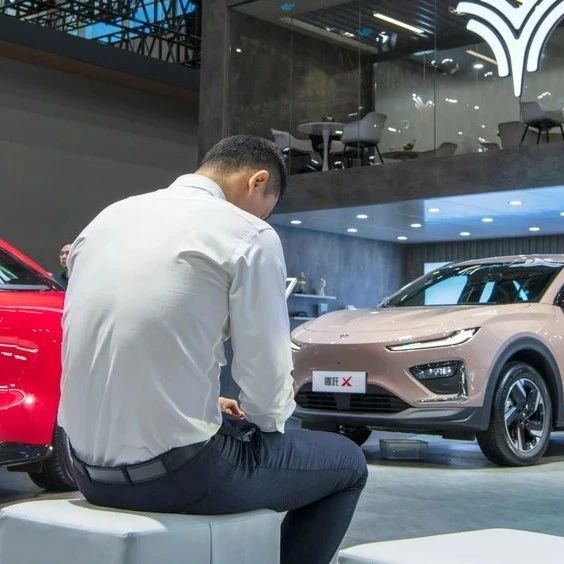
造车黑马被“破产”内幕:烧光228亿,被广告商“500万逼宫”
凤凰网财经· 2025-05-14 13:45
Core Viewpoint - The bankruptcy application of Neta Auto's parent company, Hozon New Energy, highlights the severe crisis facing the once-promising new energy vehicle company, revealing a harsh reality of industry reshuffling and financial mismanagement [1][16]. Group 1: Financial Crisis - Hozon New Energy has accumulated losses of 18.3 billion yuan over three years, with debts exceeding 6 billion yuan owed to suppliers and a total financing of 22.8 billion yuan lost [1][14]. - The company has faced multiple legal disputes, with over 90 enforcement actions and a total amount exceeding 140 million yuan, alongside several consumption restrictions and equity freezes [4][11]. - As of March 2025, Hozon reported only 320 million yuan in cash against short-term debts exceeding 2 billion yuan, indicating a critical cash flow crisis [13]. Group 2: Operational Challenges - Neta Auto's sales peaked at 152,000 units in 2022 but plummeted to 64,500 units in 2024, with a staggering 97.76% drop in January 2025 sales to just 110 units [11][13]. - The company has implemented layoffs, salary cuts, and factory shutdowns in response to declining sales and financial strain [11][13]. - A recent incident involving the company's app and website going offline due to unpaid data fees has raised concerns about internal management and customer trust [14]. Group 3: Leadership and Strategic Issues - The internal conflict between former CEO Zhang Yong and investor Zhou Hongyi has been a focal point, with Zhang's departure to the UK amid ongoing financial troubles [9][11]. - Hozon's strategy has shifted from a low-cost model to a focus on high-end markets, leading to internal strategic discord [11][12]. - The company's marketing efforts have been criticized for prioritizing visibility over product quality, which has contributed to its declining brand strength and sales performance [14][16].