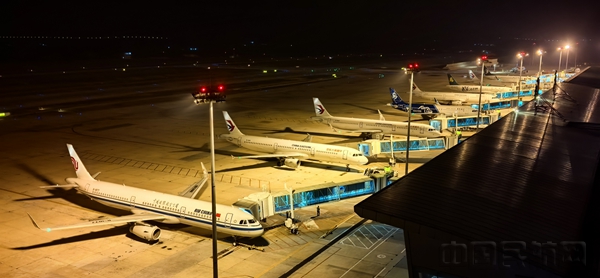
机场应急保障

Search documents
极端天气下,呼和浩特机场全力保障旅客出行
Zhong Guo Min Hang Wang· 2025-05-23 05:48
Core Insights - The article highlights the challenges faced by Hohhot Airport due to severe rainstorms on May 22, emphasizing the proactive measures taken by the ground services department to ensure passenger safety and smooth operations [1][3][5] Group 1: Emergency Response Measures - The ground services department organized a flood prevention meeting immediately after receiving weather alerts, ensuring staff were prepared and on duty during the storm [1] - Staff were instructed to monitor luggage for water damage and to prepare flood prevention materials, such as sandbags, to protect cargo areas [1][3] - On the day of the storm, staff conducted inspections to identify leaks and reported issues to management, ensuring that equipment remained operational to avoid disruptions [3] Group 2: Passenger Support and Service Quality - Control personnel closely monitored flight statuses to manage potential delays, while staff assisted passengers with ticket changes and addressed their concerns [3] - The collaboration among various roles within the ground services department demonstrated a strong commitment to service quality and effective problem-solving during the extreme weather [3][5] - The incident underscored the importance of emergency management and the continuous improvement of service quality to enhance passenger travel experiences [5]

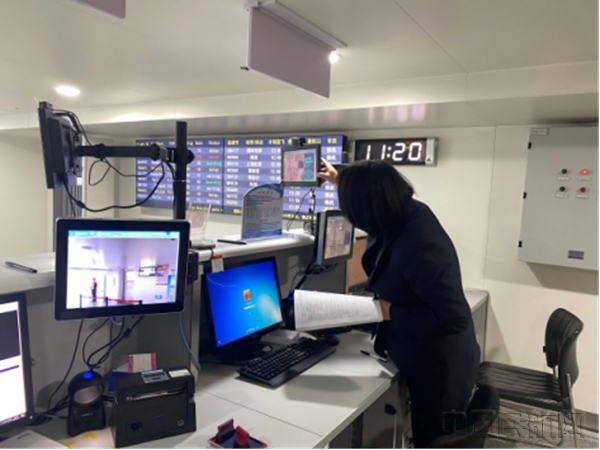
山东威海机场全力做好航班备降保障工作
Zhong Guo Min Hang Wang· 2025-05-06 02:39
Core Viewpoint - The article highlights the efficient response and operational excellence of Weihai Airport in managing the emergency landing of 13 flights due to severe weather conditions in eastern Shandong and southern Liaoning, showcasing the airport's commitment to service and safety [1][5]. Group 1: Emergency Response - Weihai Airport quickly mobilized resources, with on-site leadership directing personnel, materials, and vehicles to effectively manage the situation [3]. - The airport utilized the A-CDM system for real-time flight monitoring, ensuring coordinated efforts in air traffic control, ground resource allocation, and passenger services [3]. Group 2: Operational Coordination - The airport pre-allocated parking spots suitable for different aircraft types to avoid mismatches and ensure efficient operations [3]. - Priority was given to assigning landing flights to jet bridges or nearby remote positions to minimize passenger transfer distances [3]. Group 3: Passenger Services - The airport maintained effective communication regarding flight information and provided guidance and meal services for passengers [4]. - Security personnel were strategically deployed to keep security checkpoints efficient, while customer service teams assisted with passenger evacuation, accommodation arrangements, and travel changes [4]. Group 4: Staffing and Equipment - Over 260 staff members were deployed, along with more than 90 vehicles, demonstrating the airport's emergency coordination capabilities [5]. - The airport management emphasized the importance of this incident as a learning opportunity to enhance future emergency response and operational safety [5].