气温波动

Search documents
两股冷空气接连来袭气温频繁波动 华北黄淮等多地今天或飘雪
Yang Shi Wang· 2026-01-25 03:24
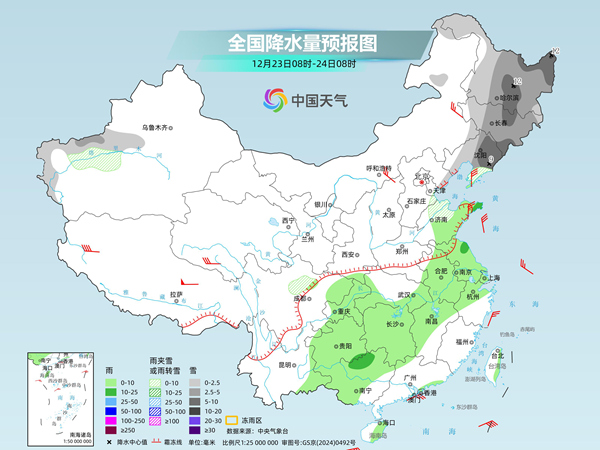
从降温进程来看,今天降温将迅速波及西北大部到华北、黄淮、江汉等地,明后天降温重心将转移到南 方。总体来看,冷空气对北方影响更大,今天大部地区气温将暂时转为偏低。 央视网消息:据中国天气网消息,今天(1月25日)起至下周,两股冷空气将接连影响我国,中东部多 地气温频繁波动。同时,雨雪天气发展增多,其中,今天华北、黄淮多地将有雪花飘落,下周后半段上 述地区或再迎降雪过程,且强度较强,需保持关注。 两股冷空气接连来袭 中东部多地气温波动频繁 今起至下周,将有两股冷空气接连影响我国,各地气温还会出现波动。第一股冷空气将在25日至27日影 响我国中东部,带来3至6℃降温,局地降幅可达8℃以上。 中央气象台预计,今天,内蒙古中部、华北北部和西部、黄淮西部和南部、湖北西北部、新疆北疆阿勒 泰、西藏西南部和东部、青海北部和西部等地部分地区有小雪或雨夹雪,其中,新疆北疆阿勒泰、西藏 东南部等地部分地区有中雪;湖北北部和河南东南部山区等地部分地区有冻雨;江淮、江汉、江南北部 和西部、浙闽沿海、广东东部、广西北部和西部、贵州、重庆、台湾岛等地部分地区有小到中雨。 明天,内蒙古东部、黑龙江南部,吉林、川西高原中部、新疆北疆阿勒泰和南 ...

新一轮雨雪即将来袭河南!明天郑州雨夹雪转小雪,还有冻雨
Xin Lang Cai Jing· 2026-01-24 10:18
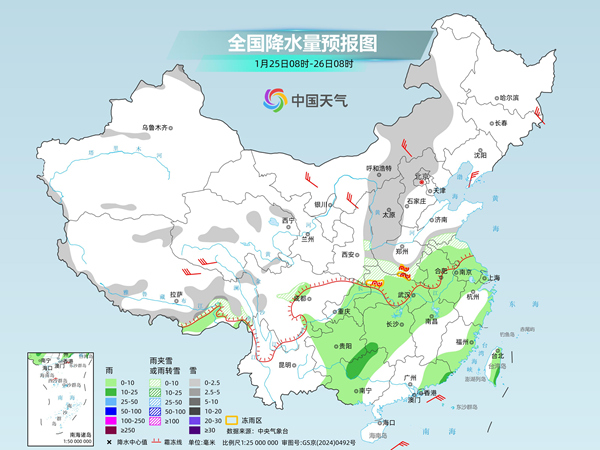
25日至27日 冷空气将再度影响我国中东部地区 河南大范围积雪还未融化 新一轮雨雪又要来了! 弱雨雪再度登场 未来一周由于冷空气活跃,河南的气温将频繁波动。明天全省大部的最高气温将由今天的5℃左右跌至 0℃出头,下周一至周三则会小幅回升至5~10℃,而从周四开始全省的最高气温将再度下跌。相比之 下,最低气温变化不大,基本稳定在-5℃~0℃。 需要注意的是,明天雨雪到来的同时,全省还伴有3到4级的偏北风,阵风可达5到6级,风寒效应明显、 体感会更冷,提醒大家注意保暖,谨防感冒。 未来三天天气预报 预报来源:河南省气象台2026年1月24日12时预报 今天夜里,全省晴天到多云,其中西部多云转阴天;全省大部有轻到中度霾,北中部部分县(市、区) 有重度霾。明晨,中东部局部有雾。 明天,全省阴天,西部、北部有零星小雪或小雪;其他县(市、区)小雨转雨夹雪或小雪;东南部局部 有短时冻雨。全省偏北风3到4级,阵风5到6级。 随着低槽的东移,明天(25日),河南将迎来一轮弱雨雪天气过程。其中在西部、北部有零星小雪或小 雪,其他大部地区则是会由小雨逐渐转为雨夹雪或小雪,东南部局部有短时冻雨。此外明天早晨,中东 部局部还会有雾,积 ...
20℃+!南方“春日体验卡”再上线 但仅限2天……
Jing Ji Guan Cha Wang· 2026-01-23 10:48
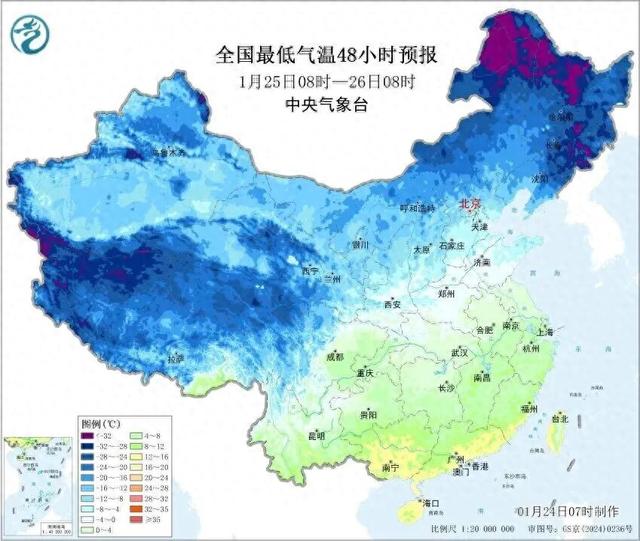
Core Viewpoint - The article discusses the recent warming trend in China, particularly in the southern regions, with significant temperature increases expected, while also highlighting the upcoming cold fronts that will bring fluctuations in temperatures across the country [1][2][3] Group 1: Temperature Trends - Southern regions, including Yunnan and Hunan, have experienced temperature increases of over 6°C, with some areas exceeding 10°C [1] - By January 25, cities like Changsha and Nanchang are expected to reach maximum temperatures around 18°C, nearly 10°C higher than the average for this time of year [2] - The northern regions are experiencing a slower warming trend, with temperatures expected to return to above-average levels only after January 24 [2] Group 2: Upcoming Weather Changes - A weak cold front is expected from January 25 to 27, bringing temperature drops of 3 to 6°C, with localized areas experiencing drops of up to 8°C [3] - A second, more significant cold front is anticipated from January 29 to 31, which will affect a broader area and could lead to temperature drops of 4 to 8°C, with some regions experiencing snow and freezing rain [3] - The northeastern region will remain the coldest, with temperatures around -15°C to -25°C expected for at least the next week [2]
冰点到19℃+ “火箭式”升温
Xin Lang Cai Jing· 2026-01-13 07:26
Core Viewpoint - The article discusses a significant warming trend in Shanghai, with temperatures expected to rise sharply over the coming days, although this is not indicative of the official start of spring [2][3]. Temperature Trends - Monitoring data indicates that morning temperatures in Shanghai have risen by 3 to 5 degrees Celsius compared to the previous day, with the city center starting at 4.9 degrees Celsius and suburban areas like Qingpu and Fengxian reaching a low of -2.3 degrees Celsius [2]. - The highest temperature in Shanghai is projected to reach around 15 degrees Celsius today, with a peak of approximately 19 degrees Celsius expected mid-week due to strong warm and humid air [2][4]. Historical Context - Historical data from the Xujiahui meteorological station shows that significant warming in mid-January is not unprecedented, with about 10 years since 1873 recording maximum temperatures exceeding 20 degrees Celsius during this period [3][4]. - The warmest mid-January on record in the 21st century occurred in 2002, with an average temperature of 10.5 degrees Celsius and maximum temperatures exceeding 17 degrees Celsius for five consecutive days [4]. Weather Patterns - The current warming trend is characterized by a large diurnal temperature variation, with daytime warmth contrasted by cooler early morning and evening temperatures, leading to daily temperature differences potentially exceeding 10 degrees Celsius [3]. - A shift in weather patterns is anticipated over the weekend, with increased cloud cover and possible light rain, followed by another warming trend on Sunday [4]. Upcoming Weather Changes - A strong cold front is expected to move southward early next week, leading to significant wind, precipitation, and a drop in temperatures, creating a "roller coaster" effect in temperature changes [4].

冷暖即将反转?下周“火箭式”升温,多地暖到20度!
Xin Lang Cai Jing· 2026-01-11 04:51
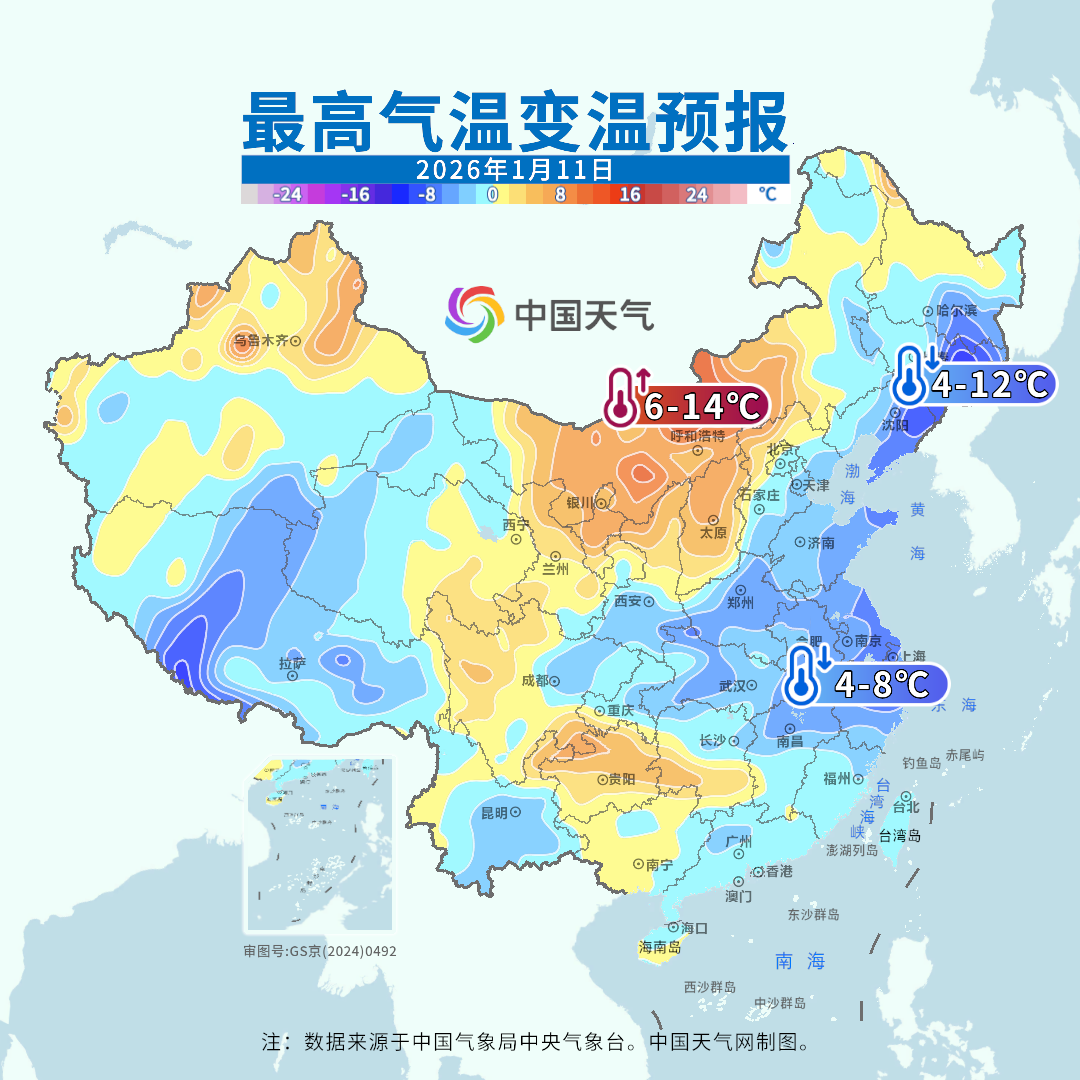
Group 1 - The core viewpoint of the article highlights the impact of cold air on temperature drops across various regions in China, with specific areas experiencing significant decreases in temperature [1][2] - The article notes that on January 11, temperatures in Northeast, Huanghuai, and Jiangnan regions will reach recent lows, with some areas in Jiangnan and Jianghuai seeing maximum temperatures below 10°C [2][4] - The article indicates that while cold air will continue to affect the country, its intensity will be weaker next week, leading to a general temperature rise in most parts of central and eastern China [4][6] Group 2 - The article mentions that the northeastern region will experience frequent snowfall, while other areas will have little to no precipitation, maintaining a dry weather pattern [4][6] - It is reported that humidity levels in southern regions are low, with some areas experiencing relative humidity below 30%, raising concerns about fire hazards [6] - The article forecasts a significant increase in the diurnal temperature range in central and eastern regions, with some areas experiencing differences exceeding 20°C [8]
1月里的20℃?下周“火箭式”升温!这怕是个假“小寒”吧
Xin Lang Cai Jing· 2026-01-10 11:13
Core Viewpoint - The weather in China is experiencing fluctuations with a notable warming trend in the northern and southern regions, while cold air continues to impact certain areas, leading to significant temperature variations [1][3][5]. Group 1: Temperature Trends - The maximum temperatures in the Yangtze River basin are expected to rise to around 20°C, resembling spring-like conditions rather than typical winter temperatures [1][5]. - From December 12 to 16, temperatures in northern and southern China are projected to be higher than the historical averages for this period, particularly the maximum temperatures [5]. - In cities like Hefei, Wuhan, Nanjing, Hangzhou, Changsha, and Nanchang, maximum temperatures may approach or reach 20°C, with Changsha potentially challenging its mid-January record of 22.6°C [5]. Group 2: Cold Air Impact - Cold air will continue to push east and south, causing temperatures to drop in Northeast, East North China, Huanghuai, and Jianghuai regions, while slight cooling is also expected in Jiangnan and Southeast China [2]. - The Northeast region will experience frequent cold air and snowfall, with temperatures remaining significantly lower than the historical averages, particularly in cities like Changchun and Harbin, where maximum temperatures may stay below -10°C and -18°C, respectively [6]. Group 3: Temperature Variability - There will be a significant diurnal temperature range in many areas, with differences exceeding 15°C, and in some locations, surpassing 20°C, leading to a "day warm, night cold" scenario [7]. - Despite the warming trend during the day, the nighttime temperatures are not expected to rise significantly, necessitating precautions for warmth during early morning and evening outings [7]. Group 4: Weather Conditions - Most regions in China will maintain a dry weather pattern with minimal precipitation, even in the south where afternoon humidity levels may drop below 40% or even 30% [7]. - The lack of rainfall has raised fire risk levels in certain areas, including southern Fujian, southeastern Jiangxi, eastern and southern Guangdong, and southeastern Guangxi, highlighting the need for fire safety precautions [7].
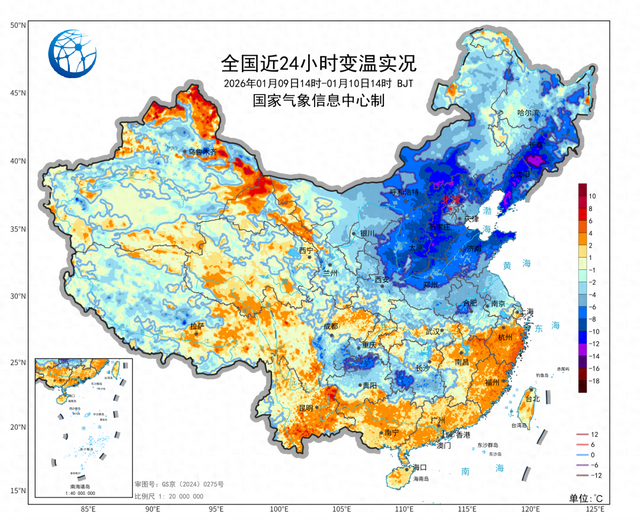
“三九天”气温直冲15℃!9级大风!河南天气开启“乱炖”模式,周末更有大变化→
Huan Qiu Wang· 2026-01-08 02:49
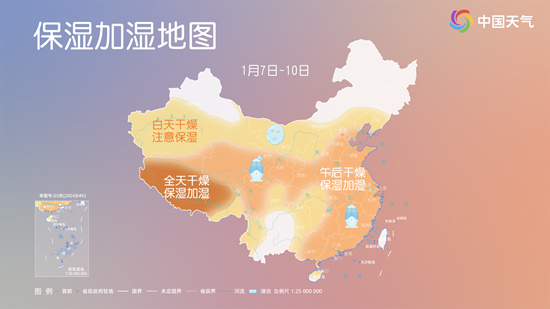
Temperature Fluctuations - The temperature in Henan is experiencing a "roller coaster" effect, with highs reaching 15°C on January 9, followed by a drop back to single digits on January 10-11, with a decrease of 6 to 8 degrees Celsius [1][3] - After the drop, temperatures are expected to rise again on January 12, indicating rapid changes that require residents to adjust their clothing accordingly to prevent colds [3] Wind Conditions - Strong winds are expected from January 9 to 10, with gusts reaching around 7 levels in the central and northwestern regions, and local gusts could reach up to 9 levels, accompanied by dust or sand [3][5] Temperature Variability - There is a significant temperature difference between day and night, with many areas experiencing minimum temperatures at or below freezing, leading to a temperature variation exceeding 10°C, and in some regions, even over 14°C [5][7] Dry Weather and Fire Risk - The weather is characterized by dryness and frequent strong winds, resulting in low humidity levels, which may cause skin dryness and static electricity [5] - The dry conditions have raised the forest fire risk level, prompting safety warnings regarding fire and electricity use at home, especially in mountainous areas [5]
本周天气晴冷相间
Xin Lang Cai Jing· 2026-01-04 17:59
Summary of Key Points Core Viewpoint - The weather in Quzhou is experiencing fluctuations with a brief warming period followed by a return to colder temperatures, indicating a typical winter pattern [1] Weather Forecast - From January 5, rain and snow will gradually cease, leading to overcast to partly cloudy skies with stable temperatures, morning lows between 4℃ and 6℃, and daytime highs between 7℃ and 9℃ [1] - Starting January 6, sunny weather will persist, with daytime temperatures expected to rise above 12℃ [1] - A new cold air mass will impact Quzhou from January 7, causing minimum temperatures to drop to -2℃, returning to below freezing [1] - The cold and sunny pattern will last until January 8, with gradual warming expected, reaching a maximum temperature of 19℃ by January 11 [1] - The temperature difference between day and night could reach up to 15℃, necessitating residents to adjust their clothing accordingly [1] Fire Risk and Travel Advisory - The current forest fire risk level in Quzhou is at level five, categorized as extremely high, prohibiting all fire activities in forested areas [1] - Residents planning to visit mountainous areas should be cautious of residual ice on certain roads and are advised to wear non-slip footwear and ensure proper warmth [1] - It is recommended to travel during off-peak times to enhance the experience while avoiding high traffic [1]
雪花都飘到南方去了?未来冷空气多多多多多,气温将波动向上
Xin Lang Cai Jing· 2026-01-04 10:43
Group 1 - The first working day of 2026 sees significant sunshine across northern regions, while rain and snow persist in areas from Yunnan and Guizhou to Jiangsu and Jiangnan [1][7] - Snowfall has been reported in places like Hefei, Anhui, and Jiangsu, with heavy snow observed [3][5] - Rainy weather will continue in eastern Yunnan, northern Guizhou, central and southern Guangxi, southern Hunan, northern Jiangxi, northern Fujian, Zhejiang, and Shanghai [6][7] Group 2 - Cold air is actively present at the start of 2026, with multiple cold air activities expected over the next 10 days [8][12] - A dry weather pattern with minimal rain and snow will persist across most regions, continuing at least until the beginning of the month [9] - Temperatures are expected to reach seasonal highs, with maximum temperatures exceeding 15°C in southern regions and around 17°C in cities like Wuhan and Changsha [10][12]
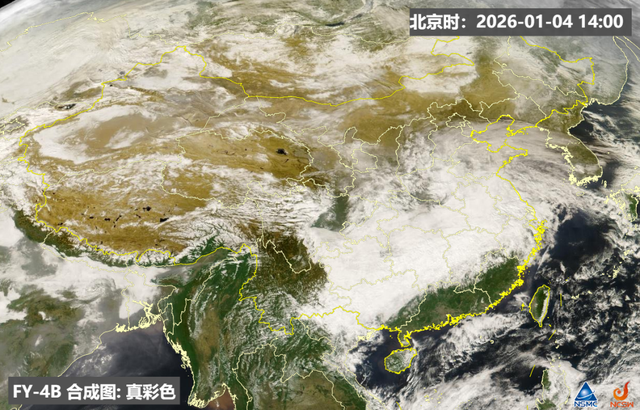
东北地区大范围降雪增强 中东部将现明显降温
Yang Shi Wang· 2025-12-23 00:56
Group 1 - The central and eastern regions of China are experiencing a new round of rain and snow, with significant snowfall expected in the northeast and continuous rain in the southern regions [2][5] - The temperature in the central and eastern regions has been fluctuating, with some areas experiencing a rise of 4 to 9 degrees Celsius, but a new cold front is expected to bring a drop of 4 to 10 degrees Celsius in the coming days [6][7] - The northeastern region is forecasted to have heavy snowfall today, with local areas experiencing blizzards, while rain will continue to develop southward [2][3] Group 2 - The cold air mass will lead to new temperature lows in the northeast and Jiangnan regions, with maximum temperatures dropping below -10 degrees Celsius in many areas [6][7] - After the cold air effect, temperatures in the central and eastern regions are expected to rise again, maintaining a generally warm pattern despite fluctuations [7]