雨雪天气

Search documents
北京今天将现雨夹雪或降雪 夜间山区有小到中雪
Yang Shi Wang· 2026-02-25 23:31
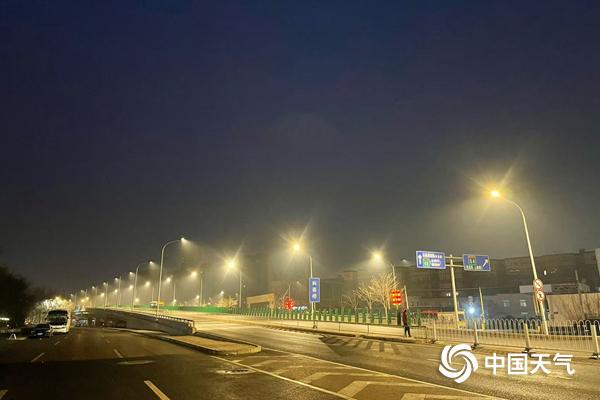
Weather Forecast - Beijing is expected to experience rain and snow today, with light to moderate snow in mountainous areas at night [1][2] - The maximum temperature recorded yesterday was 6.6°C, with a minimum expected tonight around 0°C [1][2] - The weather will remain cloudy over the next two days, with temperatures ranging from -1°C to 7°C [2] Public Safety Advisory - The meteorological department warns that rain and snow may lead to slippery roads and reduced visibility, urging the public to exercise caution while traveling [2] - Residents are advised to take precautions against the cold, as temperatures will remain near freezing [2]

江淮江南等地迎大范围降雨 新疆北部等地多降雪
Yang Shi Wang· 2026-02-23 01:49
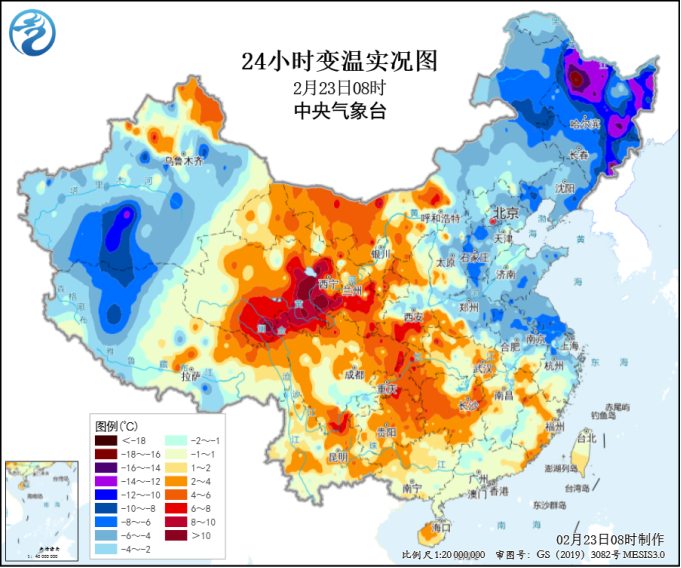
Core Viewpoint - The article discusses the impact of a cold air mass moving southward, causing significant temperature drops and adverse weather conditions across various regions in China, particularly in Northeast, North China, and Huanghuai areas. Weather Impact Summary - A notable temperature drop was reported, with some areas experiencing a "cliff-like" decline; for instance, Chifeng in Inner Mongolia recorded a maximum temperature of -3.6°C on February 22, down from 17.7°C on February 21, marking a drop of over 20°C [1] - The cold air's influence is expected to weaken, with the primary affected areas in the next 24 hours being eastern Inner Mongolia and the three northeastern provinces, where wind gusts of 7-9 levels, and locally exceeding 10 levels, are anticipated [1] - A large-scale rainfall event is forecasted for the next three days across regions including Huanghuai, Jianghuai, Jianghan, Jiangnan, South China, and eastern Southwest China, with heavy to torrential rain expected in parts of eastern Guizhou, northern Hunan, eastern Hubei, and Jiangxi [3] - Severe weather conditions such as thunderstorms, hail, and short-term heavy rainfall are also predicted, particularly on February 23, with snow or sleet expected in southern Gansu, central and southern Shaanxi, and southern Shanxi [3] - The northern regions, including northern Xinjiang and northeastern Inner Mongolia, are expected to experience significant snowfall, with blizzards forecasted in parts of northern Xinjiang [3]
返程天气必看!17省区市有扬沙或浮尘天气,北方迎剧烈降温
Xin Lang Cai Jing· 2026-02-22 07:44
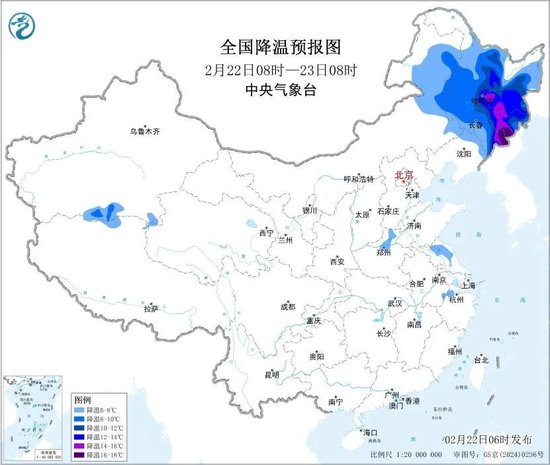
Core Viewpoint - The article discusses significant weather changes in China as the Spring Festival holiday concludes, with a cold wave affecting the northern regions and widespread rainfall in the south, urging the public to pay attention to weather forecasts and travel safely during the peak return period of the Spring Festival [1][9]. Group 1: Northern Region Weather - A cold wave blue alert was issued by the Central Meteorological Observatory, predicting temperature drops of 6 to 10 degrees Celsius in regions such as eastern Inner Mongolia, most of Heilongjiang, Jilin, northeastern Liaoning, and northern Jiangsu from 14:00 on the 22nd to 08:00 on the 23rd [1][9]. - Some areas, particularly southeastern Heilongjiang and northeastern Jilin, may experience temperature drops exceeding 12 degrees Celsius [1][9]. - The 0°C isotherm is expected to move southward to the eastern Huanghuai, southern North China, and central-southern Shaanxi by the 23rd [1][9]. Group 2: Southern Region Weather - The southern regions, previously experiencing warmer temperatures, will see a significant drop in maximum temperatures by around 10 degrees Celsius due to rainy weather, with the Jiangnan area maintaining maximum temperatures around 15 degrees Celsius from the 23rd to the 27th [2][12]. - For example, in Changsha, the maximum temperature is forecasted to decrease from 22 degrees Celsius today to 14 degrees Celsius in two days [2][12]. - The rainy conditions will lead to a damp and chilly feel in the southern regions [2][12]. Group 3: Precipitation and Snowfall - The Central Meteorological Observatory forecasts heavy snowfall in northeastern regions, with areas like northeastern Inner Mongolia, northern Heilongjiang, and high-altitude regions of central Shaanxi expecting significant snow accumulation of 6 to 10 centimeters, with localized areas exceeding 15 centimeters [6][15]. - Additionally, a large-scale rainfall event is anticipated in the southern regions, particularly in central and western Jiangnan and eastern Guizhou, with some areas experiencing heavy to torrential rain, thunderstorms, hail, and short-term heavy precipitation [6][15]. Group 4: Public Advisory - As the Spring Festival travel peak approaches, the public is advised to monitor weather forecasts and warnings closely, and to plan travel accordingly to mitigate the adverse effects of rain and snow on transportation [8][17].
寒潮来袭天气大转变!北方气温“跳水”冷暖快速反转
Xin Lang Cai Jing· 2026-02-21 11:03
Summary of Key Points Core Viewpoint - A significant weather change is expected after the Spring Festival holiday, with a cold wave, strong winds, sandstorms, and heavy snowfall affecting various regions in China, leading to temperature drops exceeding 10°C in northern areas [1][2][3]. Group 1: Temperature Changes - Northern regions will experience a temperature drop of 6 to 10°C, with some areas in Inner Mongolia and Northeast China seeing drops of 12 to 14°C, and localized drops exceeding 14°C [2][4]. - Major cities like Changchun will see a drop from over 15°C to -6°C, while Shijiazhuang and Jinan will drop from over 20°C to 9°C [7]. Group 2: Weather Warnings - The Central Meteorological Observatory has issued warnings for cold waves, strong winds, sandstorms, and heavy snowfall as the cold air continues to move eastward [3][8]. - Strong winds are expected in Inner Mongolia, Shanxi, and Shaanxi, with gusts reaching 9 to 10 levels, contributing to the largest and strongest sandstorm of the year [8][9]. Group 3: Rain and Snowfall - Rain and snow will increase due to the cold wave, with significant snowfall expected in Inner Mongolia and Northeast China, including heavy snow in parts of Heilongjiang [11]. - A new round of rainfall will affect southern regions starting tomorrow, with small to moderate rain expected in areas like Jiangnan and Huazhong, and localized heavy rain accompanied by thunderstorms [13][14].
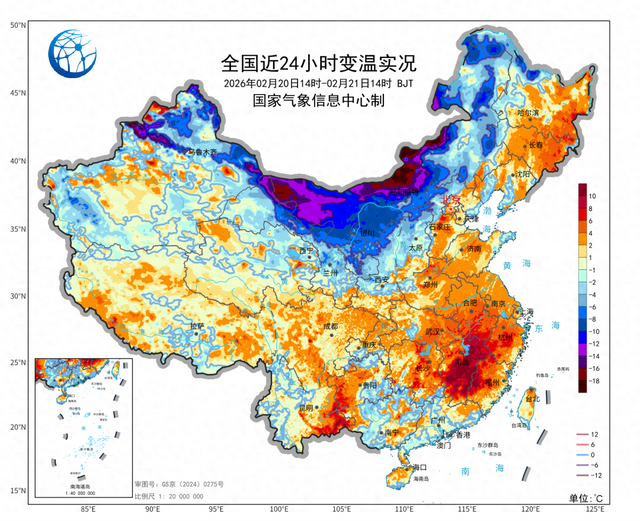
陕西:雨夹雪,局地大到暴雪!23—24日雨雪范围确定
Xin Lang Cai Jing· 2026-02-16 04:37
Group 1 - A cold wave is currently affecting China, with temperatures in Shaanxi province dropping by 7 to 18 degrees Celsius compared to the previous day [1] - The lowest temperatures recorded as of 6 AM on February 16 include -20.9°C in Shenmu and -12.3°C in Yintai [2][3] - Rain and snow are expected in parts of southern Shaanxi today, with small to moderate snow or sleet in the Qinba Mountains and heavy snow in localized areas [5] Group 2 - The weather forecast for the next 4-14 days indicates mostly sunny to partly cloudy conditions from February 19 to 22, with a subsequent drop in temperature and windy conditions [6] - Rain and snow are anticipated again on February 23-24 in the Guanzhong and southern Shaanxi regions [6] - The upcoming round of rain and snow coincides with a peak travel period, advising caution for pedestrians and drivers [10]
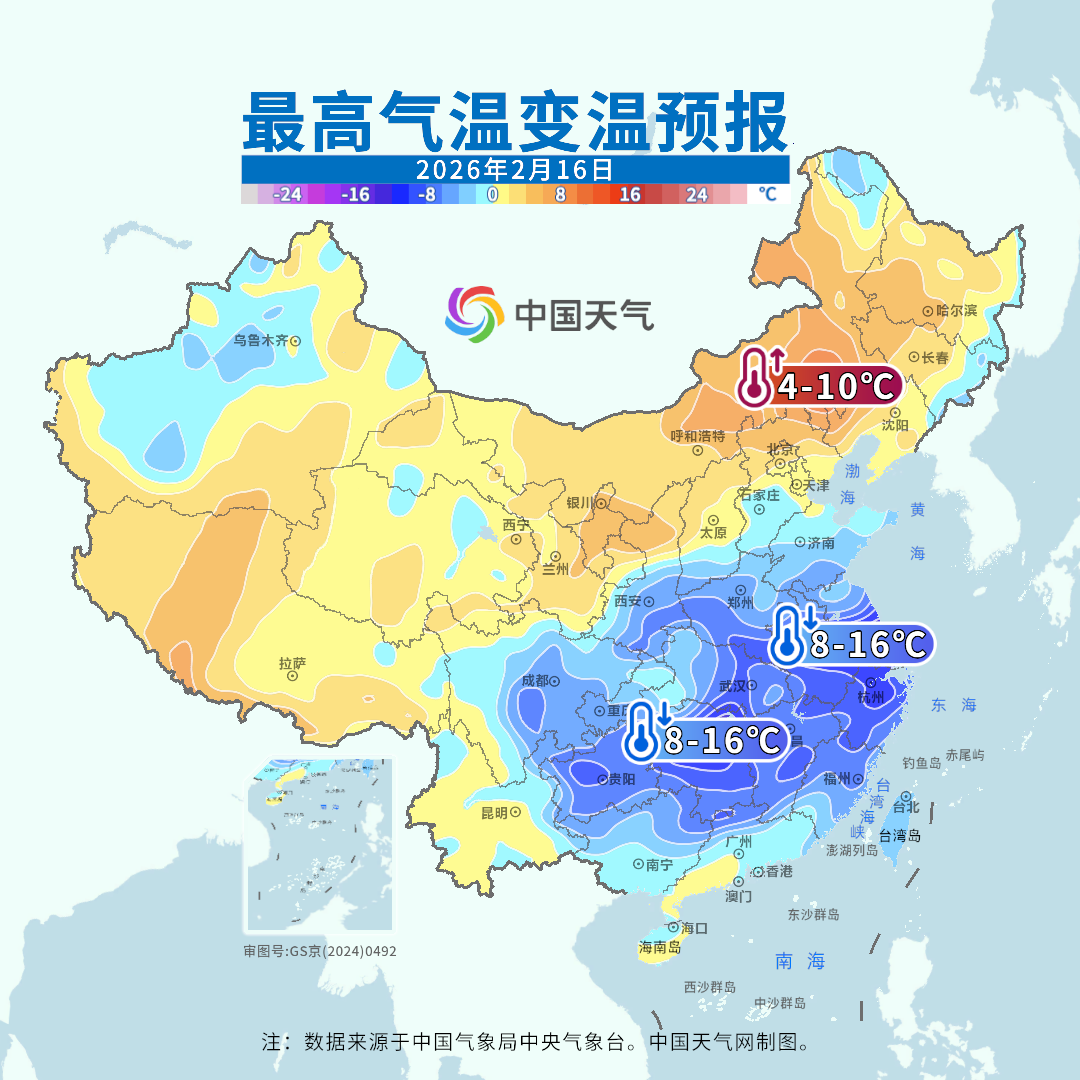
本周内北方部分地区回暖 京津冀最高气温将升至15℃左右
Xin Lang Cai Jing· 2026-02-11 09:28
Weather Forecast Summary - The Central Meteorological Administration predicts that from the 11th to the 13th, most areas north of the Yangtze River will experience mainly cloudy to clear weather, with temperatures gradually rising [1] - Significant snowfall is expected in northern Xinjiang, eastern Tibet, and the western Sichuan Plateau, while rainfall is anticipated in regions such as Jiangnan [1] - The forecast indicates that from today to tonight, most areas will have weak rain and snow, with light rain in parts of Guizhou, Hunan, Guangxi, and Fujian, and moderate to heavy snow in northern Xinjiang and eastern Tibet [1] Temperature Trends - Throughout this week, temperatures in most northern regions are expected to steadily rise, with the highest temperatures in the Beijing-Tianjin-Hebei area projected to reach around 15°C on the 15th and 16th, and cities like Jinan and Zhengzhou possibly exceeding 20°C, marking a new high since the beginning of spring this year [3] Travel Advisory - Meteorological experts warn of significant rainfall in southern regions over the next three days, particularly in Guizhou and Hunan, where cumulative rainfall may lead to slippery roads and reduced visibility, impacting travel [4] - In northern Xinjiang and eastern Tibet, strong snowfall may affect transportation and urban operations, advising the public to clear snow from vehicles before travel and exercise caution on icy roads [4]
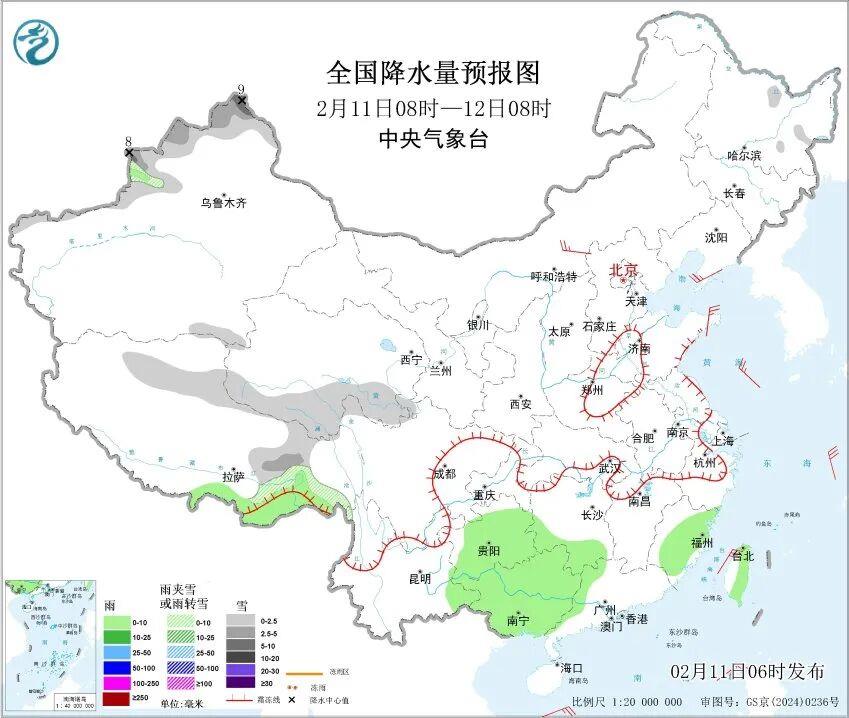
寒潮雨雪即将退场,春节前还会下雪吗?还有冷空气吗?
Xin Lang Cai Jing· 2026-02-06 13:45
Core Viewpoint - A cold wave is affecting Jiangsu, causing temperatures to drop significantly, with snow reported in cities like Nanjing, Zhenjiang, and Wuxi. The cold snap is expected to last briefly, with temperatures rebounding after February 10 [1][2]. Weather Summary - On February 6, temperatures in Jiangsu dropped to around 4°C in the southern regions and 2-3°C in other areas, with nighttime temperatures reaching -4 to -5°C in the northern regions [3]. - From February 7 to 8, the weather will be mostly clear to partly cloudy, with maximum temperatures around 3-5°C and minimum temperatures dropping to -6°C in some areas, leading to widespread frost [4]. - On February 8 to 9, the western regions will see cloudy conditions, with maximum temperatures between 5-7°C and minimum temperatures around -4°C, continuing the trend of frost across the province [5]. Future Weather Outlook - Despite the current cold wave and precipitation, the overall temperature trend for the next ten days is expected to be warmer than usual for this time of year. By mid-February, many areas in Jiangnan may begin to experience spring-like conditions [2].
寒潮继续影响中东部 安徽浙江等地将现明显雨雪
Yang Shi Xin Wen· 2026-02-06 01:04
Core Viewpoint - A cold wave is continuing to move southward, significantly impacting various regions in China, with temperature drops exceeding 12°C in parts of eastern Jiangnan, accompanied by widespread rain and snow [1][2][3]. Group 1: Temperature Changes - The cold wave has caused temperature drops of 6 to 12°C across northeastern regions, eastern Inner Mongolia, and central and eastern North China, with some areas experiencing drops of 15 to 22°C [2]. - In the coming days, southern regions will see temperature declines of 6 to 10°C, particularly in eastern Jiangnan where drops may exceed 12°C [2]. - After the cold wave, temperatures in northern regions like Shanxi, Beijing, Tianjin, and Hebei will fall below freezing, while southern areas will see maximum temperatures in single digits or below 15°C [2]. Group 2: Precipitation and Weather Conditions - As the cold wave progresses, rain and snow have increased, with regions like Heilongjiang, Jilin, and parts of Gansu experiencing light to moderate snow, while areas in Zhejiang and Anhui have seen rain [3]. - Rain and snow transitions are expected in Anhui, Jiangsu, Shanghai, and Zhejiang, with forecasts indicating heavy snow and localized blizzards in certain areas [3]. - The rain and snow events are anticipated to weaken and conclude, with precipitation mainly affecting southwestern regions and parts of Jiangnan [3]. Group 3: Public Safety and Travel Impact - The ongoing rain and snow during the Spring Festival travel season may cause travel disruptions, necessitating public awareness of slippery roads and low visibility conditions [3].
暴雪+大风!今天起,新一轮寒潮来袭
Xin Lang Cai Jing· 2026-02-05 06:55
Summary of Key Points Core Viewpoint - A significant cold wave is affecting central and eastern China, with temperature drops of 6 to 10 degrees Celsius expected, and localized areas experiencing drops of over 20 degrees Celsius. Heavy snowfall is anticipated in multiple provinces, prompting blue alerts for cold waves and strong winds [1][2][3]. Group 1: Temperature Changes - From February 5 to February 8, temperatures in most central and eastern regions are expected to drop by 6 to 10 degrees Celsius, with some areas in Northeast China and Jiangnan experiencing drops of 12 to 16 degrees Celsius, and localized drops exceeding 20 degrees Celsius [1]. - The lowest temperature line is projected to move south to northern Fujian and northern Hunan by early February 8 [1]. Group 2: Precipitation and Snowfall - From February 5 to February 6, regions including Jiangsu, Anhui, Shanghai, and northern Zhejiang are forecasted to experience rain transitioning to sleet or snow, with some areas expecting heavy snowfall [3]. - A significant weather event involving rain and snow is anticipated from February 9 to February 11 across central and eastern regions [4]. Group 3: Public Safety Recommendations - Public is advised to be cautious of the impacts of strong winds, temperature drops, and rain/snow on transportation safety during the ongoing Spring Festival travel period [5]. - Specific driving recommendations include reducing speed, maintaining safe distances, and using appropriate vehicle lights in low visibility conditions [6][7].
局地降温20℃!2月将有4轮冷空气过程!春运路上寒潮来袭,注意防范
Xin Lang Cai Jing· 2026-02-04 06:04
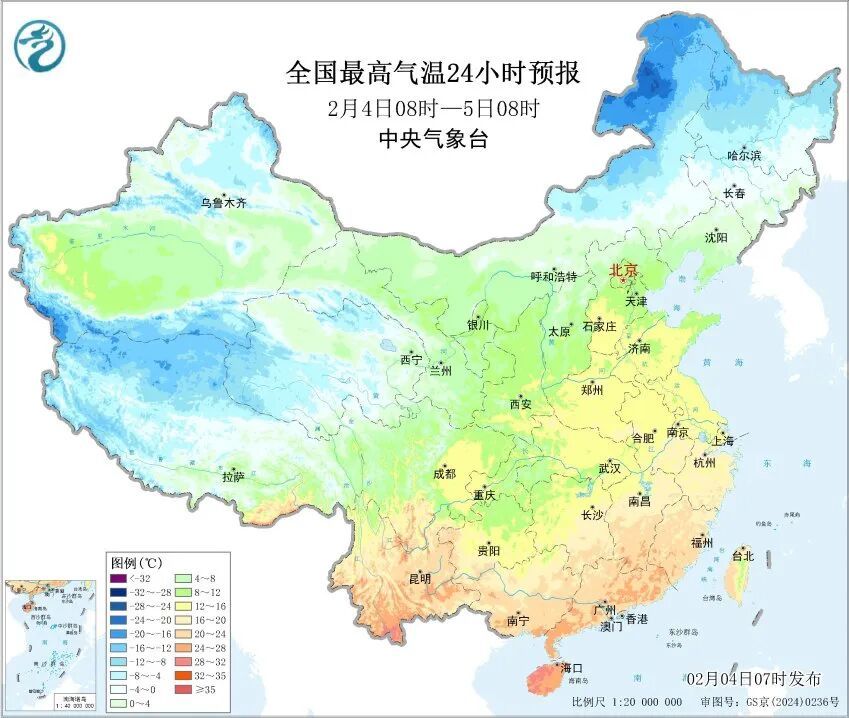
Weather Overview - A significant warming trend is occurring across most regions of China, with temperatures reaching recent highs, including areas along the Yangtze River where temperatures may reach around 20°C, significantly higher than the average for this time of year by approximately 10°C [4][6] - A new cold wave is expected to arrive starting February 5, leading to a sharp drop in temperatures across many areas, particularly in the northeast and the middle and lower reaches of the Yangtze River, where temperature decreases may exceed 20°C [5][6] Precipitation and Weather Events - From February 5 to 7, a cold wave accompanied by rain and snow is forecasted, affecting various regions including the eastern Northwest, western North China, and northeastern areas, with some regions experiencing heavy snowfall [5][8] - February will see a total of four cold air processes impacting China, with varying intensities and timings, including a medium-strength cold air system arriving in early February [8] Regional Weather Conditions - The southeastern and southern regions of China are expected to experience higher temperatures and less precipitation, raising concerns about potential meteorological drought conditions [9] - In contrast, the northeastern region, northern North China, and northern Xinjiang are likely to see temperatures close to or below the seasonal average, with increased precipitation and risks of severe cold and heavy snowfall [8]