
流感疫情

Search documents
中疾控:各省份流感病毒检测阳性率均呈下降趋势
Yang Shi Xin Wen· 2025-12-25 13:34
Core Insights - The monitoring results indicate that influenza virus is the predominant pathogen detected in respiratory samples, with a significant percentage of flu-like cases reported in emergency departments [2][3] - The overall influenza activity in China is at a moderate epidemic level, with regional variations observed across different provinces [3][5] Group 1: Monitoring Results - The percentage of flu-like cases among total emergency visits in sentinel hospitals is reported at 6.7% [2] - The top three pathogens detected in emergency department samples are influenza virus (41.9%), respiratory syncytial virus (6.1%), and rhinovirus (5.7%) [2] - For hospitalized severe acute respiratory infection cases, the detection rates are influenza virus (18.6%), respiratory syncytial virus (7.3%), and rhinovirus (6.0%) [2] Group 2: Regional and Demographic Variations - There are notable regional differences in pathogen detection rates, with northern provinces showing a rising trend in respiratory syncytial virus positivity, while southern provinces remain at lower levels [3] - The positivity rate for respiratory syncytial virus is significantly higher in the 0-4 age group compared to other age groups [3] Group 3: Current Situation and Recommendations - The overall detection rates for COVID-19 and other monitored respiratory pathogens remain low [5] - To mitigate the impact of respiratory infectious diseases, it is recommended that key institutions such as kindergartens, schools, and nursing homes implement health monitoring and promptly address outbreaks [5]
国家卫健委:我国流感活动总体仍处于高流行水平
Zhong Guo Xin Wen Wang· 2025-12-19 12:32
Group 1 - The overall influenza activity in China remains at a high epidemic level, despite a recent decline in activity levels this week [1][2] - Influenza viruses are the primary pathogens causing acute respiratory infections in China, with the H3N2 strain being the predominant type [1] - The peak of the epidemic in southern provinces occurs slightly later than in northern provinces, influenced by seasonal factors such as temperature drops [1] Group 2 - Insufficient indoor air circulation due to prolonged closure of windows increases the transmission opportunities for influenza viruses in crowded environments [2] - The dynamic changes in epidemic intensity across provinces necessitate heightened awareness and protective measures for individuals and families [2]
英格兰医院“高度戒备” 流感住院同期最高
Xin Hua She· 2025-12-19 01:56
Core Insights - The National Health Service (NHS) in England reported the highest number of flu cases for this time of year, with hospitals on "high alert" [1] Group 1: Flu Cases and Hospital Conditions - As of last weekend, hospitals in England admitted 3,140 flu cases, an 18% increase from the previous week, marking the highest level for this period [1] - The average bed occupancy rate in hospitals reached 94.2%, indicating rapid saturation of hospital beds due to high respiratory virus infection rates [1] - There has been a worsening trend in healthcare staff absenteeism, with approximately 1,100 more staff absent in the past week [1] Group 2: Government and Health Authority Responses - The UK Secretary of State for Health and Social Care, Wes Streeting, expressed regret over the British Medical Association's decision to strike, which adds pressure to the healthcare system during this critical time [1] - The primary focus is to ensure patient safety during the strike and peak healthcare service periods [1] Group 3: Flu Trends - The UK Health Security Agency reported that flu levels have begun to stabilize this season, with a decline in the positivity rate after an early outbreak and a sharp rise in recent weeks [1] - However, it is still too early to determine if the flu has reached its peak for the season [1]
突然!香港宣布:暂停进口!
券商中国· 2025-12-16 13:53
Core Viewpoint - Hong Kong has suspended the import of poultry and poultry products from specific regions in the United States due to outbreaks of highly pathogenic H5N1 avian influenza, aiming to protect public health [2][4]. Group 1: Hong Kong's Response - The Hong Kong Food and Environmental Hygiene Department announced the suspension of imports from Edmunds County, South Dakota, and Wayne County, North Carolina, following reports from the World Organisation for Animal Health [4]. - From January to September this year, Hong Kong imported approximately 40,060 tons of chilled and frozen poultry and about 2.62 million poultry eggs from the United States [4]. Group 2: Avian Influenza Outbreaks - In addition to the U.S. outbreaks, avian influenza has also been reported in Poland and the Netherlands, prompting further import suspensions to safeguard public health in Hong Kong [4]. - A recent case in Washington State marked the first confirmed human infection of the H5N5 strain of avian influenza, highlighting the evolving nature of the influenza threat [5]. Group 3: Influenza Situation in the U.S. and Europe - The CDC reported approximately 2.9 million flu cases in the U.S. this flu season, with around 30,000 hospitalizations and 1,200 deaths [7]. - The predominant strain this season is the H3N2 subtype, with flu activity levels continuing to rise across the country [7]. - In the UK, flu cases have reached record highs, with warnings that numbers could double before peaking [9].


美英暴发疫情
第一财经· 2025-12-15 00:06
Group 1 - The current flu season in the United States has seen approximately 2.9 million cases, with around 30,000 hospitalizations and 1,200 deaths reported so far [1] - The predominant strain of the flu virus this season is the H3N2 subtype, according to the CDC, with flu activity levels continuing to rise across most regions of the country [1] - As of the week ending December 6, the CDC reported 547 flu virus samples, of which 525 were identified as the influenza A virus and 22 as the influenza B virus [1] Group 2 - The flu season in the United States typically peaks between December and February each year [2] - The UK is currently experiencing an unprecedented wave of flu cases, with the National Health Service reporting record-high flu cases, averaging 2,660 hospitalizations per day last week, marking a 55% increase in cases within a week [3] - UK Health Secretary Wes Streeting indicated that the number of cases could potentially double before reaching a peak, describing the current hospital situation as "completely unacceptable" [3]

目前全国共有17个省份流感活动处于高流行水平
Xin Hua She· 2025-12-05 09:01
Core Points - The current flu activity in China is at a high epidemic level in 17 provinces, with a positive rate of flu virus detection in emergency visits reaching 51%, which has not exceeded the highest level in the past three years [1] - The age group of 5 to 14 years shows a significantly higher positive detection rate compared to other age groups [1] - The flu activity is expected to peak in mid-December, with the H3N2 subtype being the dominant strain, accounting for over 95% of cases, alongside a small number of H1N1 and B type flu viruses [1] Recommendations - Vulnerable populations such as the elderly, patients with chronic diseases, children, and pregnant women are advised to minimize time spent in crowded and enclosed spaces and to take personal health precautions [1] - The public is encouraged to get vaccinated against the flu at medical institutions with immunization clinics, especially for high-risk groups [1]
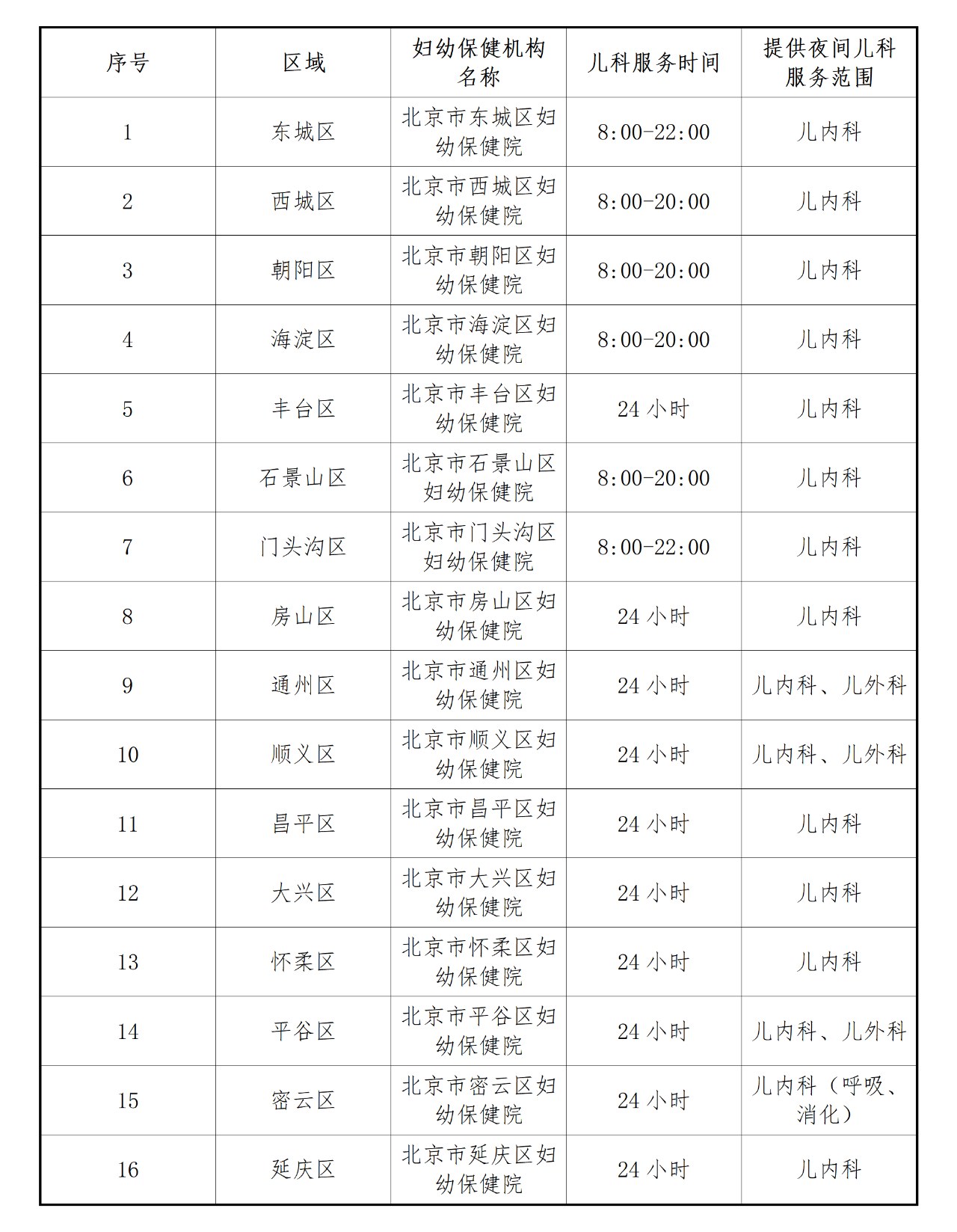
国内流感达高流行水平 北京16区妇幼保健院开设儿科夜诊
Yang Guang Wang· 2025-12-04 14:49
Core Insights - The latest monitoring data from the Chinese Center for Disease Control and Prevention (CDC) indicates a rising trend in influenza activity, with the percentage of flu-like cases in sentinel hospitals reaching 9.6% in the 48th week of 2025, up from 7.9% the previous week [2][3] - The positive rate of influenza virus detection among respiratory samples from flu-like cases has surpassed 50% for the first time this winter, standing at 51.1% [1][2] - The Beijing Municipal Health Commission has announced that all maternal and child health institutions in the city now offer pediatric night consultation services, enhancing accessibility for children's medical care [3][4] Summary by Category Influenza Activity - The proportion of flu-like cases reported by sentinel hospitals has increased by 1.7 percentage points from the previous week, indicating a significant rise in flu activity [2] - The top three pathogens detected in respiratory samples are influenza virus (51.1%), rhinovirus (5.3%), and respiratory syncytial virus (3.5%), with the influenza virus detection rate rising from 44.8% the previous week [2] Pediatric Healthcare Services - All 16 districts in Beijing have implemented pediatric night consultation services in maternal and child health institutions, facilitating easier access for parents seeking medical care for their children [3][4] - A comparison shows that 10 districts had already established night consultation services earlier this year, while 6 districts are newly offering these services [3]
日本流感疫情持续升级 变异株“亚型K”快速扩散
Ke Ji Ri Bao· 2025-12-01 02:24
Core Viewpoint - Japan is experiencing a significant flu outbreak this winter, with the spread being the fastest in nearly a decade, leading to increased cases and public health measures [1][2]. Group 1: Flu Outbreak Statistics - The flu cases reported from November 17 to 23 reached 196,895 across approximately 3,000 medical institutions, averaging 51.12 cases per institution, which is 1.35 times higher than the previous week [1]. - 39 out of 47 prefectures in Japan have exceeded the government's alert level, with Miyagi (89.42 cases), Fukushima (86.71 cases), and Iwate (83.43 cases) being the most affected regions [1]. Group 2: Virus Mutation and Vaccine Efficacy - The rapid deterioration of the flu situation is linked to the spread of a new variant, subtype K of the H3N2 virus, which has been identified in over 90% of recent samples [1][2]. - The current flu vaccine for the 2025-26 season is designed based on different H3 virus lineages, but the effectiveness may decline faster due to lower neutralizing antibody matching [2]. Group 3: Public Health Recommendations - The Ministry of Health recommends vaccination for high-risk groups, including the elderly, children, pregnant women, and those with underlying health conditions, while emphasizing that vaccination alone cannot stop the outbreak [2]. - Public health measures suggested include frequent handwashing, wearing masks in enclosed spaces, ensuring indoor ventilation, and staying home when symptomatic [2]. Group 4: Concurrent COVID-19 Trends - There is a simultaneous decline in COVID-19 infections, with an average of 1.64 cases per medical institution, indicating a potential "see-saw" effect between flu and COVID-19 [3]. - Authorities warn that both flu and COVID-19 may continue to circulate together this winter, potentially straining medical resources and intensive care systems [3].
日本,流感疫情大暴发
2 1 Shi Ji Jing Ji Bao Dao· 2025-11-29 04:01
Core Viewpoint - The flu epidemic in Fukushima, Japan, has reached its highest level in nearly a decade, with a significant increase in infection cases reported [1] Summary by Categories Infection Statistics - As of November 26, the number of flu infection cases reported by 48 medical institutions in Fukushima from November 17 to 23 reached 4,162, an increase of over 1,300 cases compared to the previous week [1] - This marks the eighth consecutive week of rising infection numbers, exceeding the warning level and representing the highest value since 2015 [1] Contributing Factors - Experts attribute the early onset of the flu season in Japan to multiple factors, including a decline in public health measures such as mask-wearing and handwashing [1] - Increased international travel has also contributed to the spread of the virus [1] - Climate change may be impacting immune system strength, further exacerbating the situation [1]
日本流感疫情扩散 八成地区达“警报”级别
Xin Hua She· 2025-11-28 13:01
Core Insights - Japan is experiencing a significant flu outbreak, with over 190,000 reported cases in the week ending November 23, marking a 1.4 times increase from the previous week [1] - The flu epidemic is approaching last year's severe levels, with the average number of cases per reporting institution nearing historical highs [1] Group 1: Flu Cases and Trends - A total of 196,900 flu cases were reported across Japan's designated medical institutions, averaging 51.12 cases per institution [1] - The number of weekly reported cases has increased for 14 consecutive weeks [1] - 39 out of 47 prefectures have reached the "alert" level for flu outbreaks, an increase of 15 prefectures from the previous week [1] Group 2: Impact on Educational Institutions - As a result of the flu spread, 8,817 schools, including nurseries, kindergartens, and primary and secondary schools, have closed entirely or partially [2] - The flu season in Japan began on October 3, which is approximately one month earlier than last year, marking the second earliest start since the current statistical methods were implemented in 1999 [2]