
生态转型

Search documents
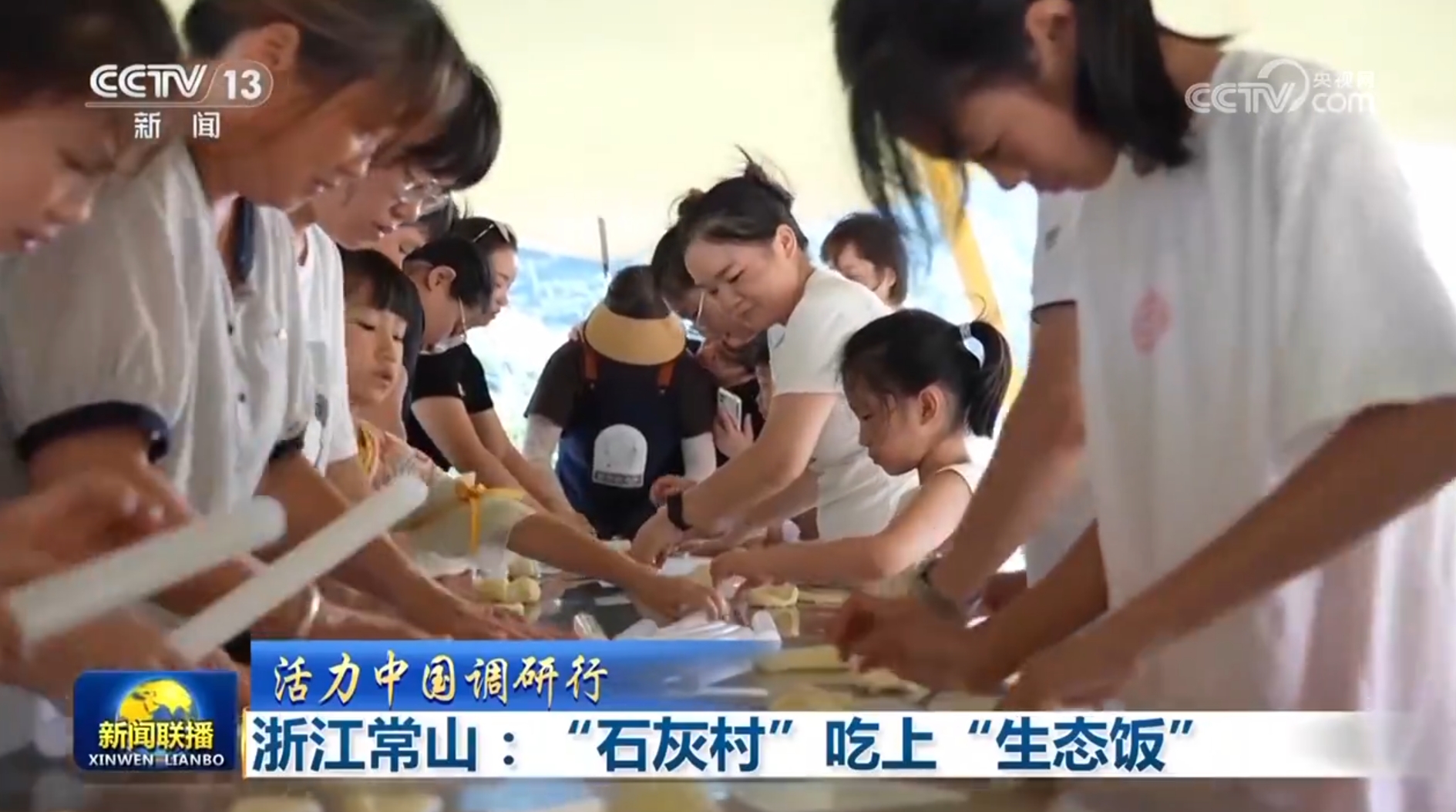
【活力中国调研行】浙江常山:“石灰村”吃上“生态饭”
Yang Shi Wang· 2025-08-19 12:37
Core Viewpoint - The transformation of Luli Keng Village in Quzhou, Zhejiang, from an environmentally degraded "lime village" to a thriving tourist destination showcases successful ecological restoration and sustainable development efforts [1][5]. Group 1: Environmental Improvement - Luli Keng Village was known for its poor ecological environment due to extensive lime production [1][3]. - In 2005, the village initiated a transformation by shutting down lime kilns and factories, focusing on mine restoration and slope greening [5]. Group 2: Tourism Development - The improved ecological conditions have led to a significant increase in tourism, with over 100,000 visitors to the mining camp in the first half of this year, generating nearly 2 million in revenue [8]. - The village has integrated industrial relics with natural surroundings, developing attractions such as cave restaurants, art galleries, and cafes, which have become popular among visitors [6].

“生态转型计划”将促进巴西GDP增长,并创造更多就业岗位
Shang Wu Bu Wang Zhan· 2025-08-15 16:01
Core Insights - The "Ecological Transition Plan" is expected to increase Brazil's GDP growth rate by an average of 0.8 percentage points annually until 2035 [1] - The plan is viewed as an opportunity for Brazil, aiming to reduce environmental impact while promoting income growth [1] - Key initiatives of the plan include carbon market regulation, establishment of sustainable classification, Tropical Forest Permanent Fund (TFFF), future fuels, new industries in Brazil, climate fund, and low-carbon hydrogen plan [1] Economic Impact - The plan aims to promote sustainable economic growth in Brazil and achieve greenhouse gas reduction targets set at the United Nations Climate Change Conference [1] - The Brazilian Ministry of Finance emphasizes that the transition to this economic model is seen as beneficial rather than costly [1]