药品追溯

Search documents
药品追溯码全面应用重塑医药产业链格局
Zhong Guo Zheng Quan Bao· 2025-06-30 20:55
Core Viewpoint - The implementation of drug traceability codes starting from July 1, 2025, is expected to enhance the traceability of medical insurance drugs, strengthen drug circulation supervision, and have a profound impact on the pharmaceutical industry chain, including production, circulation, retail, and medical insurance [1][5][6]. Group 1: Implementation and Impact - The National Medical Insurance Administration has mandated that drug traceability codes must be scanned for medical insurance fund settlement starting July 1, 2025, with full collection and upload of traceability codes required by January 1, 2026 [1][5]. - The traceability code serves as an "electronic ID" for each box of medicine, ensuring unique scanning records to prevent counterfeit drugs and ensure proper drug flow [2][5]. - The traceability system is expected to reduce channel management costs by over 20% and improve operational efficiency by over 30% for companies that fully implement data uploads [3]. Group 2: Industry Response - Several listed companies are actively responding to the regulatory changes, showcasing their efforts in drug traceability and related fields [3][4]. - Companies like Guizhou Xinbang Pharmaceutical have reported significant improvements in procurement, production, storage, and circulation processes due to the new traceability platform [3]. - National Health has emphasized its commitment to data integration and service upgrades to support the traceability initiative, indicating a deep layout in drug regulatory information technology [4]. Group 3: Regulatory and Financial Implications - The traceability code is expected to enhance transparency in drug circulation, reduce logistics costs, and promote fair competition based on quality, price, and service [6][7]. - The integration of traceability data is anticipated to facilitate innovative regulatory models and improve the precision of medical insurance management [6][7]. - The shift towards data-driven credit assessments in the pharmaceutical supply chain is expected to alleviate financing challenges for pharmaceutical companies and foster diverse financial products [7].
明天起,买卖所有药品都要扫“药品追溯码”
第一财经· 2025-06-30 07:00
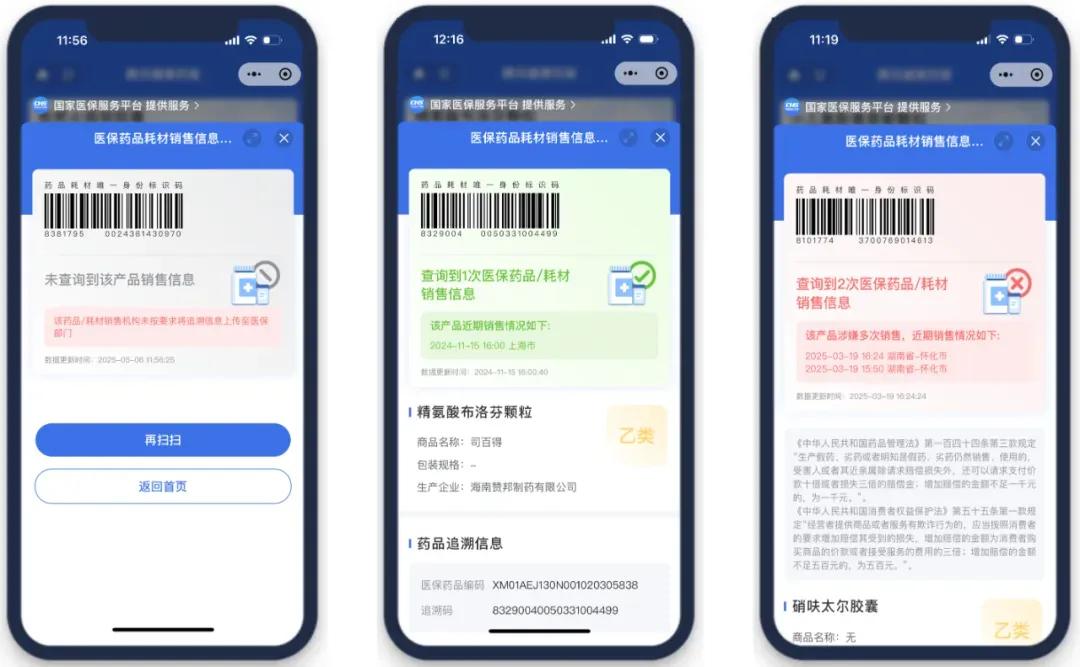
Core Viewpoint - The article emphasizes the importance of drug traceability codes as unique identifiers for each box of medication, which helps in preventing counterfeit drugs and ensuring compliance in the pharmaceutical supply chain [1]. Summary by Sections Drug Traceability System - The National Medical Insurance Administration (NMIA) has initiated a comprehensive drug traceability information collection and application project since April 2024, achieving significant progress [1]. - The traceability code serves as an "electronic ID" for each medication, ensuring that each box should only have one sales record [1]. Querying Drug Information - Users can access detailed sales information of drugs by scanning the traceability code on the drug packaging through the NMIA's WeChat official account [1]. - The process involves two main steps: accessing the NMIA WeChat account and scanning the drug's QR code or barcode [2][3][10]. Query Results - There are four possible outcomes when querying the drug sales information: 1. **No Sales Information Found**: If no information is found, it may indicate that the selling institution has not scanned the traceability code [12][13]. 2. **One Sale Record Found**: If only one sale record is found and it matches the user's purchase, the drug is considered legal and compliant [17]. 3. **One Sale Record Found (Not User's Purchase)**: If the record does not match the user's purchase, it may indicate the drug is a "returned drug," "swapped drug," or counterfeit, and consumers are advised to report it [20]. 4. **Multiple Sale Records Found**: If two or more sale records are found, it strongly suggests the drug may be counterfeit or improperly handled, and consumers should report it [24].

超百家生物医药行业中小企业参与第三批数字化转型试点
Chang Sha Wan Bao· 2025-06-12 08:49
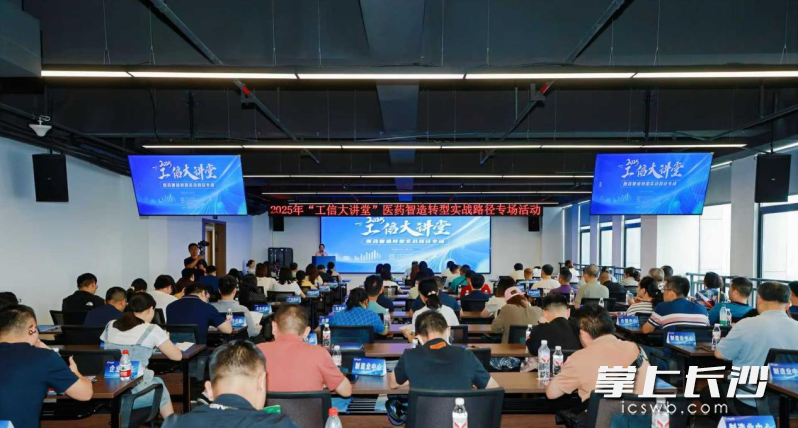
Group 1 - The event "Industrial and Information Lecture Hall" focused on the digital transformation of the biopharmaceutical industry, with over 100 participants including government officials and industry representatives [1][3] - The event included site visits to Hengxiutang Pharmaceutical Co., Ltd. and Sinocare Inc., where attendees learned about digital transformation experiences [3] - More than 100 small and medium-sized enterprises in Changsha's biopharmaceutical sector are participating in the third batch of transformation trials, creating multiple typical application scenarios and innovative dual-line integration models [3] Group 2 - Hengxiutang Pharmaceutical's digital transformation leader shared insights on the underlying logic and implementation paths of digital transformation, addressing pain points in traditional Chinese medicine manufacturing [3] - The next steps for the industrial system include building a "government-industry-university-research-application" platform to tackle common technologies like AI quality control and drug traceability [3] - The initiative aims to support benchmark enterprises in sharing transformation experiences and encourage personalized intelligent manufacturing scenarios, while also focusing on cultivating interdisciplinary talent through collaboration with universities and research institutions [3]

腾讯健康官宣:微信“扫一扫”可查询药品信息
Huan Qiu Wang· 2025-06-09 11:51
Core Viewpoint - The National Healthcare Security Administration (NHSA) has implemented a drug traceability code scanning service via WeChat, in collaboration with Tencent, to enhance drug safety and combat fraud in the pharmaceutical sector [1][2]. Group 1: Drug Traceability Implementation - The NHSA is advancing strict regulation through the use of drug traceability codes to combat fraud and illegal activities in the pharmaceutical field, including the crackdown on "returned drugs" and "swapped drugs" [2]. - Users can verify drug sales records and obtain information on indications, usage, and dosage through WeChat's "Scan" feature, ensuring safe medication practices [1][3]. Group 2: User Experience and Features - The WeChat "Scan" feature allows users to check the sales records of both prescription and OTC drugs purchased from pharmacies, providing a comprehensive verification of drug sources [3]. - Users can receive one of three possible results when scanning a drug traceability code: no sales information found, one valid sales record, or multiple sales records indicating potential illegal activities [5]. - Starting July 1, 2023, designated medical institutions must scan codes for drug sales to settle insurance funds, with full implementation required by January 1, 2026, ensuring all drug transactions are traceable [5]. Group 3: Additional Services - The Tencent Health Box offers intelligent medication reminders, allowing users to set reminders for multiple medications, track interactions, and visualize their medication history, particularly beneficial for chronic disease patients [7].