
进口多元化

Search documents
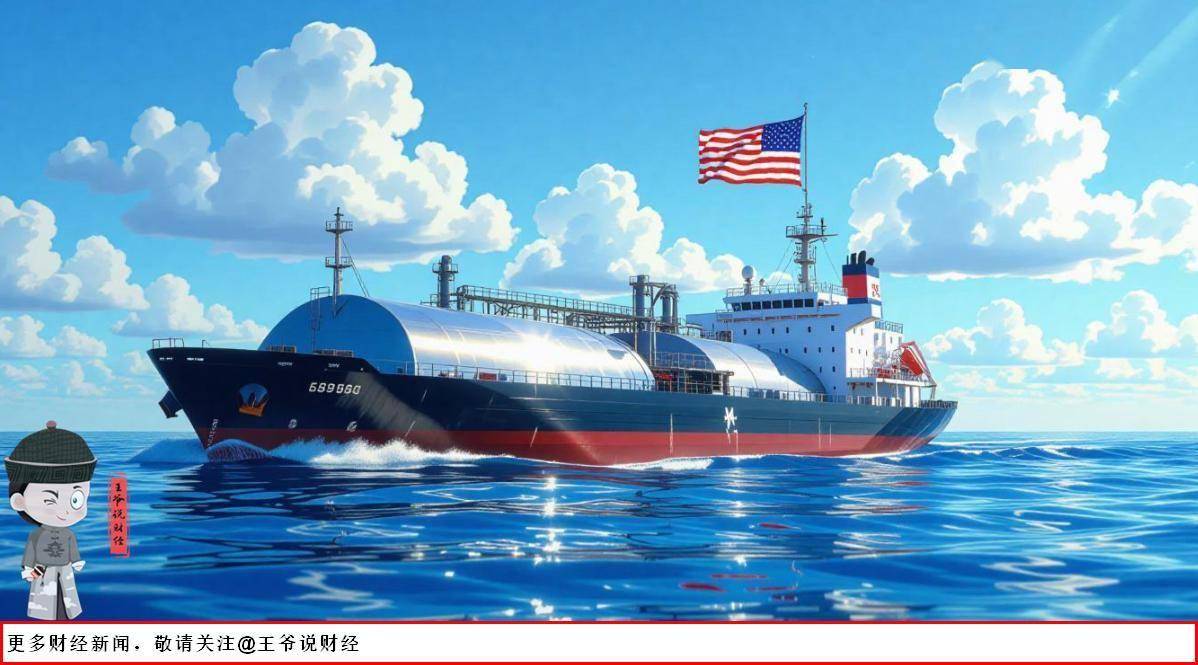
美国石油对中国出口暴跌90%后,特朗普喊话:希望中国买美油!
Sou Hu Cai Jing· 2025-06-25 13:07
Core Viewpoint - China has significantly reduced its oil imports from the United States, dropping by 90%, while increasing imports from other countries like Canada, Russia, and the Middle East [5][7]. Group 1: Import Trends - As of March 2025, China's oil imports from the U.S. have plummeted to approximately 3 million barrels per month, a drastic decline from a peak of 29 million barrels [5]. - In contrast, imports from Canada have surged to a record 7.3 million barrels per month during the same period [5]. Group 2: Reasons for Reduced Imports - Economic Cost: U.S. oil is less competitive due to high tariffs and transportation costs, while oil from Russia can be transported via pipeline and settled in RMB [5]. - Energy Security: China is diversifying its energy imports to reduce reliance on any single country, with U.S. energy imports expected to account for only one-third of its commitments by 2025 [5]. - Political Retaliation: In response to U.S. tariffs, China has reduced energy purchases from the U.S. and expanded cooperation with other oil-producing nations such as Saudi Arabia and Brazil [7].

增强粮食产业链供应链韧性
Jing Ji Ri Bao· 2025-05-01 22:03
Core Viewpoint - China's imposition of tariffs on U.S. agricultural products such as soybeans, corn, and wheat is a necessary countermeasure to the U.S. "tariff stick," aimed at safeguarding national interests and enhancing food security [1] Group 1: Agricultural Import Dynamics - The import volume of grains from the U.S. has significantly decreased, which will not undermine domestic food supply stability but will accelerate the diversification of grain imports [1] - Historically, China relied on the U.S. for over 90% of its soybean and corn imports, highlighting the risks of a single supply channel [1] - Brazil has become the largest source of soybean and corn imports for China, while Australia has taken the lead in wheat imports, reducing dependency on the U.S. [1] Group 2: Domestic Production and Self-Sufficiency - China has implemented the strictest arable land protection policies and strategies to enhance comprehensive grain production capacity, achieving a grain production milestone of 1.4 trillion jin [2] - The country has maintained soybean production above 20 million tons for three consecutive years, improving self-sufficiency and bargaining power in international grain trade [2] - Efforts are being made to stabilize rice and wheat production while developing alternative crops to ensure food security and economic stability [2] Group 3: Grain Reserve and Management - China has established a combined grain reserve system of government and social reserves, ensuring sufficient stock and optimized structure [2] - The government is enhancing grain reserve management and monitoring to ensure the safety and stability of grain supplies [2] - A comprehensive monitoring and early warning system for grain and important agricultural products is being developed to maintain price stability [2] Group 4: Reducing Food Waste and Import Dependency - Initiatives to reduce food loss across various stages of the supply chain are being implemented, effectively increasing food availability and reducing import reliance [3] - The promotion of deep processing of grains and the use of by-products aims to enhance domestic oil self-sufficiency and decrease oilseed imports [3] - Strategies to reduce soybean meal usage through alternative feed ingredients are being adopted to further lower soybean import levels [3] Group 5: Strategic Policy Implementation - A combination of policies is being utilized to enhance food security, focusing on import diversification, capacity enhancement, reserve management, and waste reduction [3]