
石油

Search documents
中国海油(600938):产量上台阶成本再压缩,油价中枢上行配置价值凸显
Huaan Securities· 2026-04-01 05:44
Investment Rating - The investment rating for the company is "Buy" (maintained) [1] Core Views - The company has achieved a significant increase in oil and gas production while continuing to compress costs, indicating a strong competitive position. The upward trend in oil prices enhances the investment value of the company [4][8] - In 2025, the company reported total revenue of 398.22 billion yuan, a year-on-year decrease of 5.30%, and a net profit attributable to shareholders of 122.08 billion yuan, down 11.49% year-on-year [3][10] - The company’s net oil and gas production reached a record high of 777.3 million barrels of oil equivalent, representing a year-on-year growth of 6.9% [5][6] Financial Performance - The company’s revenue for Q4 2025 was 85.72 billion yuan, a decrease of 9.28% year-on-year and 18.28% quarter-on-quarter [3] - The average cost per barrel of oil equivalent was 27.9 USD, a reduction of 0.62 USD from the previous year, reinforcing the company's cost advantage [5] - The company plans to maintain a stable capital expenditure budget of 112 to 122 billion yuan for 2026 [7] Dividend Policy - The board has proposed a final dividend of 0.55 HKD per share (tax included), totaling 26.14 billion HKD for the year, with a total dividend payout of 60.84 billion HKD for 2025, representing a payout ratio of 45.0% [8] - The company is expected to benefit from rising global oil prices due to geopolitical risks, enhancing its investment appeal [8] Earnings Forecast - Projected net profits for 2026, 2027, and 2028 are 161.69 billion yuan, 170.15 billion yuan, and 180.58 billion yuan, respectively, with year-on-year growth rates of 32.4%, 5.2%, and 6.1% [8][10] - The corresponding price-to-earnings ratios (P/E) for these years are estimated at 12.03, 11.43, and 10.77 [8][10]

中东冲突系列报告(二):若冲突长期化,煤炭行情如何演绎?
HTSC· 2026-04-01 04:50
Investment Rating - The report maintains an "Overweight" rating for the coal industry and related companies [6]. Core Insights - The prolonged conflict in the Middle East may lead to energy supply risks for Asia-Pacific economies, which heavily rely on energy imports, particularly oil and gas [1][14]. - As oil and gas inventories deplete, there will be increased pressure on Asia-Pacific countries to substitute coal for gas in power generation, potentially driving up coal demand [2]. - The report predicts that the price of Australian coal could reach between $239 and $386 per ton due to the significant premium on oil prices in the region [3]. - Domestic coal prices in China are expected to rise to around 850 RMB per ton, supported by the cost of coal from Xinjiang [4]. - The report recommends several coal companies, including Yancoal Australia and China Shenhua, as they are likely to benefit from the anticipated price increases [5][8]. Summary by Sections Energy Supply Risks - Asia-Pacific economies, particularly Japan, South Korea, and Taiwan, have a high dependency on Middle Eastern oil and gas, with respective import shares of 97%, 75%, and 64% for oil [1][25]. - The natural gas inventory days for Japan, South Korea, and Taiwan are projected to be only 31, 40, and 12 days respectively by the end of 2025, indicating a weak safety margin [1][27]. Coal Demand and Pricing - The depletion of oil and gas inventories will force a shift towards coal for electricity generation in the Asia-Pacific region, particularly in Japan, South Korea, and Taiwan [2]. - The report estimates that the price of Australian coal could reach $239 to $386 per ton, driven by the high oil price premiums and the tight supply-demand balance [3][5]. Domestic Coal Market in China - The report anticipates that domestic coal prices in China will rise to around 850 RMB per ton, supported by the cost structure of Xinjiang coal [4]. - The report highlights that the domestic coal supply will be bolstered by Xinjiang coal, which is expected to fill the gap left by reduced imports [4]. Recommended Companies - The report recommends several companies that are well-positioned to benefit from the rising coal prices, including Yancoal Australia, China Shenhua, and others [5][8].
“石油咽喉”要收费?伊朗立法,重塑霍尔木兹海峡秩序?
第一财经· 2026-03-31 15:13
Core Viewpoint - Iran's parliament has passed a bill to impose fees on vessels passing through the Strait of Hormuz, aiming to assert control over this critical maritime route and pressure the U.S. [3][4] Group 1: Legislative Developments - The Iranian National Security Committee has established a management plan for the Strait of Hormuz, designating the Iranian armed forces as the controlling authority and prohibiting vessels from the U.S., Israel, and countries imposing unilateral sanctions on Iran from passing through [4]. - The proposed fee system will be implemented in Iranian rials, with the intention of enhancing Iran's international standing and securing direct financial benefits [3][4]. Group 2: Strategic Implications - The Strait of Hormuz is the only passage from the Persian Gulf to the Indian Ocean, with over 25% of global oil shipments and about 20% of liquefied natural gas transported through it [7]. - Iran's move to charge fees is framed as a measure to ensure the safety of passing vessels, with the Iranian government asserting its responsibility for maritime security in the region [4][5]. Group 3: Regional Reactions and Alternatives - U.S. Secretary of State Rubio has stated that the U.S. will not allow Iran to permanently control the Strait or establish a fee system, indicating potential military responses [4]. - In response to the situation, Gulf countries like Saudi Arabia and the UAE are seeking alternative routes for oil transport, utilizing land pipelines to bypass the Strait of Hormuz [8].

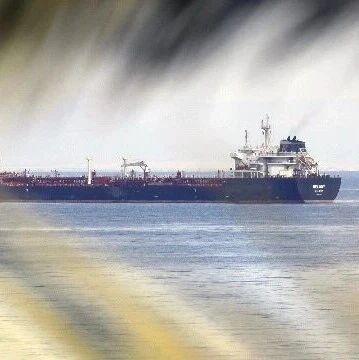
霍尔木兹海峡航运受阻,11国就维护开放供应链发表联合声明
第一财经· 2026-03-31 14:51
Core Viewpoint - A joint statement from 11 countries, including New Zealand and Singapore, emphasizes the importance of maintaining open and resilient supply chains in light of potential disruptions in the Strait of Hormuz, particularly affecting oil, gas, petrochemicals, and essential goods [1]. Group 1 - The joint statement was issued by New Zealand, Costa Rica, Iceland, Liechtenstein, Norway, Panama, Rwanda, Singapore, Switzerland, the UAE, and Uruguay [1]. - The statement highlights concerns that the closure of the Strait of Hormuz could severely disrupt global supply chains, especially for critical products like oil, gas, and fertilizers [1]. - The countries reaffirm their commitment to maintaining supply chains that are open, diversified, transparent, competitive, and resilient [1].
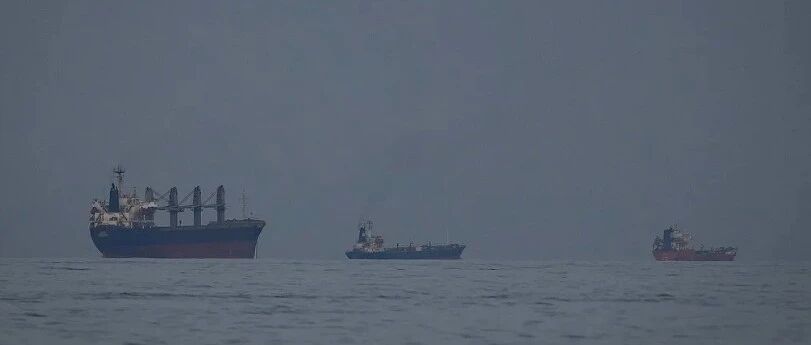
新西兰、哥斯达黎加、冰岛、列支敦士登、挪威、巴拿马、卢旺达、新加坡、瑞士、阿联酋和乌拉圭发表联合声明
财联社· 2026-03-31 14:23
Core Viewpoint - A joint statement was issued by New Zealand, Costa Rica, Iceland, Liechtenstein, Norway, Panama, Rwanda, Singapore, Switzerland, the UAE, and Uruguay, emphasizing the importance of maintaining open, diversified, transparent, competitive, and resilient supply chains in light of potential disruptions caused by the closure of the Strait of Hormuz [1] Group 1 - The closure of the Strait of Hormuz could severely disrupt global supply chains, particularly affecting oil, natural gas, petrochemical products, and essential downstream derivatives such as fertilizers [1] - The countries involved reaffirm their commitment to ensuring the resilience of supply chains amidst these potential disruptions [1]

黄金:复盘石油危机的启示
Shenwan Hongyuan Securities· 2026-03-31 14:07
1. Report Industry Investment Rating - Not provided in the document 2. Core Viewpoints of the Report - In the 1970s, during the two oil crises, the gold price increased nearly 20 - fold, rising from an average monthly price of $35 per ounce to a maximum of $675 per ounce. The gold price trends during the two oil crises had different rhythms and magnitudes of increase [3][8]. - In the short - term, the gold price has significantly corrected. This is mainly due to the high oil prices under the Middle - East geopolitical conflict, the delay of interest - rate cut expectations, and liquidity tightening. In the long - term, the trend of de - globalization still exists, and it is expected that central banks will continue to purchase gold [3]. - Referring to the two oil crises, as oil prices remain high, the gold price will resume its upward trend. The central bank's gold purchases will dominate the rise of the gold price, and the valuation of the precious metals sector is at the lower level of the historical center, with a high safety margin [58][62][74]. 3. Summary According to the Catalog 3.1 Two Oil Crisis Reviews 3.1.1 First Oil Crisis (1973.10 - 1974.3) - **Oil Price**: After the outbreak of the Fourth Middle - East War in October 1973, the oil price rose from $3 per barrel to $13 per barrel. After the cancellation of the oil embargo on the US in March 1974, the oil price declined but stabilized at around $10 per barrel [8][9]. - **Inflation**: The rapid increase in oil prices led to double - digit CPI in the US in 1974, with a peak of 12.2% in November 1974 [10]. - **Economic Recession**: The US GDP growth rate started to decline in Q4 1973, turned negative in Q2 1974, and returned to positive growth five quarters later [11]. - **Gold Price**: In the early stage, the gold price fluctuated due to the strong US dollar index. From November 1973 to April 1974, it rose rapidly by 81%. After the oil price peaked in March 1974, the gold price briefly declined and then rose to a new high. From 1975 - 1976.8, due to economic recovery and the selling of gold by the IMF and the US Treasury, the gold price corrected by nearly 40% [17][19][22]. 3.1.2 Second Oil Crisis (1978 end - 1980 end) - **Oil Price**: Due to the Iranian Islamic Revolution and the Iran - Iraq War, the oil price rose from $13 per barrel to $43 per barrel, with an increase of about 180% in 1979 [29]. - **Inflation**: The inflation rate in the US accelerated, with the CPI year - on - year growth rate rising from 6.7% at the end of 1977 to 13.3% in April 1980 [29]. - **Economic Situation**: The US economy fell into stagflation again, with the GDP growth rate starting to decline in Q2 1979 [29]. - **Gold Price**: In 1979, due to the weak US dollar index, the gold price rose by 119%. In 1980, under the strong monetary tightening policy, the gold price first reached a peak and then corrected. After 1980, as the US gradually emerged from inflation, the gold price started a downward trend [27][30][33]. 3.2 Current Gold Price Analysis - **Oil Price Increase**: In late February 2026, due to the full - scale escalation of the US - Israel - Iran conflict and the closure of the Strait of Hormuz, the international oil price soared from $70 per barrel to over $110 per barrel, with an increase of nearly 50% [43]. - **Gold Price Decline**: The gold price did not rise but fell, mainly due to the strong US dollar, inflation concerns, and liquidity shocks. The gold price also moved in the same direction as the stock market, mainly affected by liquidity shocks [44][48][56]. 3.3 Future Outlook for Gold - **Resumption of Gold Price Increase**: Referring to the two oil crises, as long as the oil price remains high for a long time or has a second jump, forming a strong inflation expectation, and the macro - economy shows a decline in economic growth due to high oil prices, the gold price will resume its upward trend in a stagflation - like environment [61]. - **Central Bank Gold Purchases**: Since 2022, global central banks have accelerated their gold purchases. It is expected that central banks will continue to purchase gold, and the valuation of the precious metals sector is at the lower level of the historical center, with a high safety margin [62][73][74]. 3.4 Recommended Targets - The report recommends paying attention to Zijin Gold International, Chifeng Gold, Shan Gold International, Zhongjin Gold, Zhaojin Mining, Lingbao Gold, Shandong Gold, etc. [3]
Stocks, bonds and commodities: How global markets have traded the Iran war
CNBC· 2026-03-31 13:07
Core Viewpoint - The ongoing U.S.-Iran war has led to significant volatility across various asset classes, resulting in major losses and bearish sentiment in the markets [1][2]. Equities - Global equities have experienced a severe sell-off during the five weeks of the U.S.-Iran war, with all three major U.S. indices expected to end the month in negative territory [2] - The war's impact on energy and inflation has particularly affected markets in Europe and Asia, with South Korea's Kospi index falling nearly 20% in March due to its vulnerability to energy price shocks [3] - Goldman Sachs has indicated that the "balance of risks has worsened" for equity markets, with an increased probability of stagflation, which historically leads to poor equity performance [4][5] Bonds - Government borrowing costs have risen amid a broad sell-off of developed-market sovereign debt, with bond yields increasing as investors adjust expectations for central bank rate hikes [7][8] - The U.S. and European breakeven curves have surged as markets reprice inflation expectations, with some European bond yields reaching multi-decade highs [10] Currencies - The foreign exchange market has been volatile, with the U.S. dollar index projected to gain around 3% in March, supported by energy-driven stagflation risks [11] - Asian and European currencies are struggling due to higher commodity prices, while Latin American currencies are preferred within the emerging market context [11] Metals - The metals market has seen significant volatility, with gold on track for its worst monthly performance since 2008, influenced by a stronger dollar and rising interest rate expectations [12] - Despite the current decline, there is a bullish outlook for gold, with forecasts suggesting a rebound to USD 6,200 per ounce by the end of June [13] - Aluminum prices are under pressure due to geopolitical tensions affecting supply, while copper markets are influenced by economic pessimism [13] Energy - The energy market is at the center of market volatility, with the Iran war disrupting oil and gas supplies, leading to skyrocketing prices [14] - Euro zone inflation has risen above the European Central Bank's target, with energy inflation expected to hit 4.9% in March, up from a contraction the previous month [14][15] - The rapid increase in oil prices poses a risk of rising living costs for consumers, potentially leading to reduced consumption until clarity on price stability is achieved [15]

输入性通胀:推升成本压力
GUOTAI HAITONG SECURITIES· 2026-03-31 12:41
Group 1: Manufacturing Sector Insights - The manufacturing PMI for March 2026 is 50.4%, an increase of 1.4 percentage points from the previous month, marking a return to the expansion zone after two months[7] - The new orders index and production index are at 51.6% and 51.4%, respectively, both above the critical point, indicating strong demand recovery[13] - Small and medium-sized enterprises' PMIs have significantly improved, with small enterprises at 49.0% (up 1.5 percentage points) and medium enterprises at 49.3% (up 4.5 percentage points) from the previous month[10] Group 2: Price and Cost Pressures - The main raw material purchase price index is at 63.9%, up 9.1 percentage points, while the factory price index is at 55.4%, up 4.8 percentage points, indicating rising input costs due to geopolitical tensions[16] - The procurement volume index has risen to 50.9%, reflecting increased purchasing activity driven by demand recovery[18] - The inventory indices for raw materials and finished products are at 47.7% and 46.7%, respectively, indicating a slowdown in inventory depletion[18] Group 3: Non-Manufacturing Sector Performance - The non-manufacturing business activity index is at 50.2%, up 0.5 percentage points, with significant internal differentiation in the service sector[20] - The construction business activity index is at 49.3%, up 1.1 percentage points, but still indicates a low level of activity, with new orders at 43.5%[23] - Consumer services sectors such as retail and hospitality are below the critical point, suggesting a need for policy support to boost consumer confidence[20] Group 4: Risks and Future Outlook - Rising raw material prices may squeeze profit margins for downstream enterprises, potentially suppressing future investment and production willingness[26] - The ongoing geopolitical tensions in the Middle East remain a critical variable, with sustained high oil prices likely to exacerbate cost pressures in downstream industries[26] - Real estate demand needs to be stimulated, and geopolitical risks could disrupt market stability[27]
油价涨了你心疼钱包,但有个东西涨价了你该心疼命
虎嗅APP· 2026-03-31 09:19
Group 1: Oil Price Surge - The article discusses the surge in oil prices due to geopolitical tensions, particularly the closure of the Strait of Hormuz, which is a critical passage for global oil and gas supply [5][6]. - As of March 25, the average gasoline price in the U.S. reached $3.98 per gallon, a $1 increase (34%) from the previous month [4]. Group 2: Helium Shortage Crisis - The article highlights a looming helium shortage as a consequence of the geopolitical situation, with Qatar, which supplies about 30% of the world's helium, facing production disruptions [6][7]. - Helium prices have reportedly doubled, and there are concerns that the current helium supply could be depleted within weeks due to storage limitations [6][7]. Group 3: China's Helium Dependency - China's helium dependency is alarmingly high, with an external reliance rate of 83.51% projected for 2024, consuming approximately 25.7 million cubic meters while only producing 448,500 cubic meters domestically [7]. - Qatar is the dominant supplier, accounting for 61.80% of China's helium imports, indicating a fragile supply chain [7]. Group 4: Helium's Unique Properties and Applications - Helium is essential in various high-tech applications, such as MRI machines, which require it for cooling superconductors [16]. - The article emphasizes that helium's unique properties make it irreplaceable in many critical fields, leading to increased demand and highlighting the urgency of the supply issue [15][16]. Group 5: Global Helium Reserves and Future Outlook - The total global helium reserves are estimated at 7.3 billion cubic meters, with current consumption rates suggesting that these reserves could be exhausted within 20 years [18]. - The article warns that the depletion of helium resources could have severe implications for industries reliant on this gas, prompting a search for alternative solutions [22].

格林大华期货早盘提示:宏观与金融-20260331
Ge Lin Qi Huo· 2026-03-31 06:01
Report Industry Investment Rating - There is no information about the report industry investment rating in the provided content. Core Viewpoints - The conflict between the US and Iran has a significant impact on the global economy and financial markets. The situation in the Middle East is tense, and the control of the Strait of Hormuz is crucial for the global energy supply and the US hegemony [4][5]. - The supply - demand imbalance in the oil market is severe. The release of strategic oil reserves cannot fully cover the supply gap caused by the possible obstruction of the Strait of Hormuz, which may lead to a sharp rise in oil prices [4][5]. - The US stock market is under pressure. The Nasdaq futures have broken through key levels, and the decline in the US stock market may have a negative impact on US consumption [5]. - The global economy has passed its peak in late 2025 and is in a downward trend due to the US's continuous wrong policies [5]. Summary by Related Catalogs Global Economy - Trump said on the 29th that Iran had agreed to "most of the content" of the cease - fire "15 - point plan" [3][4]. - Iran plans to require ships passing through the Strait of Hormuz to obtain permission from Iran and pay corresponding fees, following the management models of Turkey and Egypt [3][4]. - The probability of the conflict continuing until June is as high as 40%. If this happens, oil prices may exceed $200, and US gasoline may soar to $7 per gallon [4]. - The IEA announced the release of 400 million barrels of strategic oil reserves, but the actual global release speed is no more than 3 million barrels per day, while the supply gap caused by the obstruction of the Strait of Hormuz is 11 - 16 million barrels per day [4][5]. - The S&P 500 index has fallen for five consecutive weeks, the Goldman Sachs panic index has reached 9.2 points and has been in the panic zone for 17 consecutive days, and hedge funds have been net sellers for six consecutive weeks [3]. - The Nasdaq futures have broken through key levels, and the decline in US stocks may have a negative impact on US consumption [5]. - The global economy has passed its peak in late 2025 and is in a downward trend [5]. Oil Market - The oil market needs to "destroy" a demand scale of at least 8 million barrels per day, and price surges will play a decisive role [3]. - Under the background of the continuous obstruction of the Strait of Hormuz, Brent crude oil may break through the 2008 historical high of $147.50 per barrel [4]. - In the benchmark scenario, Brent oil prices may rise to $120 per barrel in the short term, and if the supply interruption continues, oil prices may soar to $180 - 210 per barrel [4]. - Traders in the current environment face extremely high risks, and the macro - risks have caused a "career - level" impact [4].