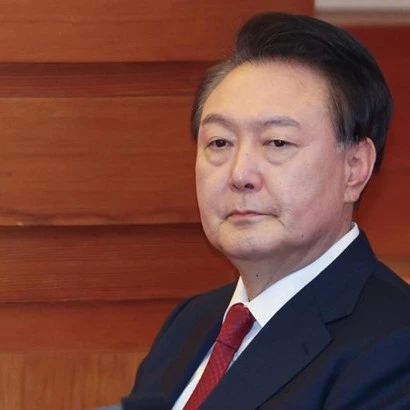
韩美同盟

Search documents
李在明三战总统终登顶,他能否治愈韩国?
虎嗅APP· 2025-06-05 10:53
Core Viewpoint - The article discusses the recent presidential election in South Korea, highlighting the election of Lee Jae-myung and his vision for the country, which includes economic recovery, constitutional reform, and balanced foreign diplomacy, particularly regarding relations with China and the United States [2][10][12]. Election Results - Lee Jae-myung won the presidential election with a vote share of 49.42%, receiving 17.2875 million votes, the highest in South Korean history, surpassing the previous record held by former President Yoon Suk-yeol [2][3]. - The election followed a period of political turmoil, including the impeachment of former President Yoon, leading to a significant public desire for healing and unity [3][6]. Economic Policies - Lee emphasized economic recovery during his campaign, proposing the establishment of an "Emergency Economic Response Task Force" to address domestic demand issues [7]. - His top campaign promise was to transform South Korea into a leading global economic power, with a focus on artificial intelligence (AI) and increasing private sector investment to 100 trillion won [7][8]. Constitutional Reform - Lee expressed a strong desire for constitutional reform, stating that failure to do so would lead to historical condemnation [8]. - This reflects a broader trend among presidential candidates who acknowledge the need for reform but often fail to act due to political divisions [8]. Foreign Relations - Lee's foreign policy approach is characterized by balanced diplomacy, aiming to repair and stabilize relations with China, which he views as a crucial trade partner [12][13]. - He intends to maintain a strong alliance with the United States while also addressing domestic economic interests, indicating a shift from the previous administration's more rigid stance [10][12]. Social Climate - The article notes a rising anti-China sentiment in South Korea, which has affected the Chinese community there, highlighting the complex social dynamics surrounding the election [11]. - Lee's pragmatic approach to China aims to normalize relations and enhance economic cooperation, countering the polarized views within South Korean politics [12].

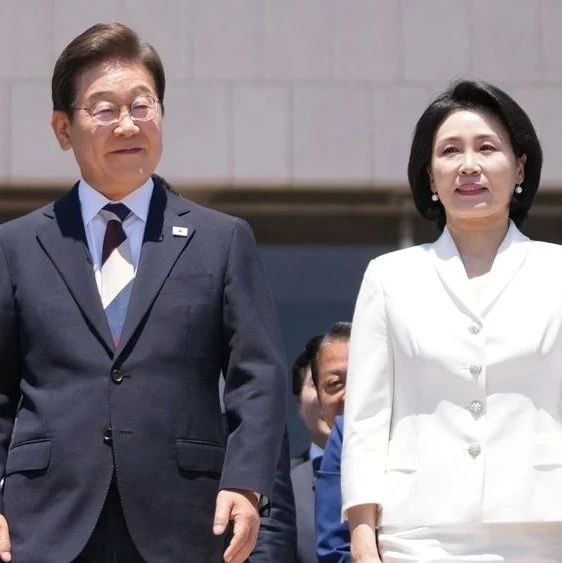
韩国总统李在明:将在韩美同盟基础上推进韩美日合作。
news flash· 2025-06-04 02:33
Core Viewpoint - South Korean President Lee Jae-myung emphasizes the importance of advancing cooperation among South Korea, the United States, and Japan based on the existing South Korea-U.S. alliance [1] Group 1 - The collaboration aims to enhance regional security and economic stability in Northeast Asia [1] - The initiative reflects a strategic response to evolving geopolitical dynamics in the region [1] - Strengthening trilateral ties is seen as crucial for addressing common challenges and threats [1]
韩美外长通话共商韩美同盟及经济事务
news flash· 2025-05-07 06:35
Group 1 - The core viewpoint of the article is the discussion between South Korea's Foreign Minister and the U.S. Secretary of State regarding the development of the South Korea-U.S. alliance and economic cooperation [1] - South Korea expresses willingness to strengthen the alliance based on a robust defense posture and seeks mutually beneficial solutions through tariff negotiations in trade [1] - The South Korean side emphasizes the need for long-term planning and in-depth discussions, considering the political situation in South Korea, and urges the U.S. to take into account South Korea's status as an ally and a free trade agreement partner during negotiations [1]
韩国向中美日通报
券商中国· 2025-04-05 12:56
Group 1 - The South Korean Ministry of Foreign Affairs introduced the Constitutional Court's ruling on the impeachment case of President Yoon Suk-yeol to foreign diplomats in South Korea [1] - The Deputy Minister of Foreign Affairs, Kim Hong-kyun, communicated with the U.S. Chargé d'Affaires, Joseph Yun, expressing a desire to strengthen cooperation based on the solid South Korea-U.S. alliance [2] - The Ministry of Foreign Affairs issued instructions to foreign diplomatic missions to maintain political neutrality and enhance work discipline [2][3]