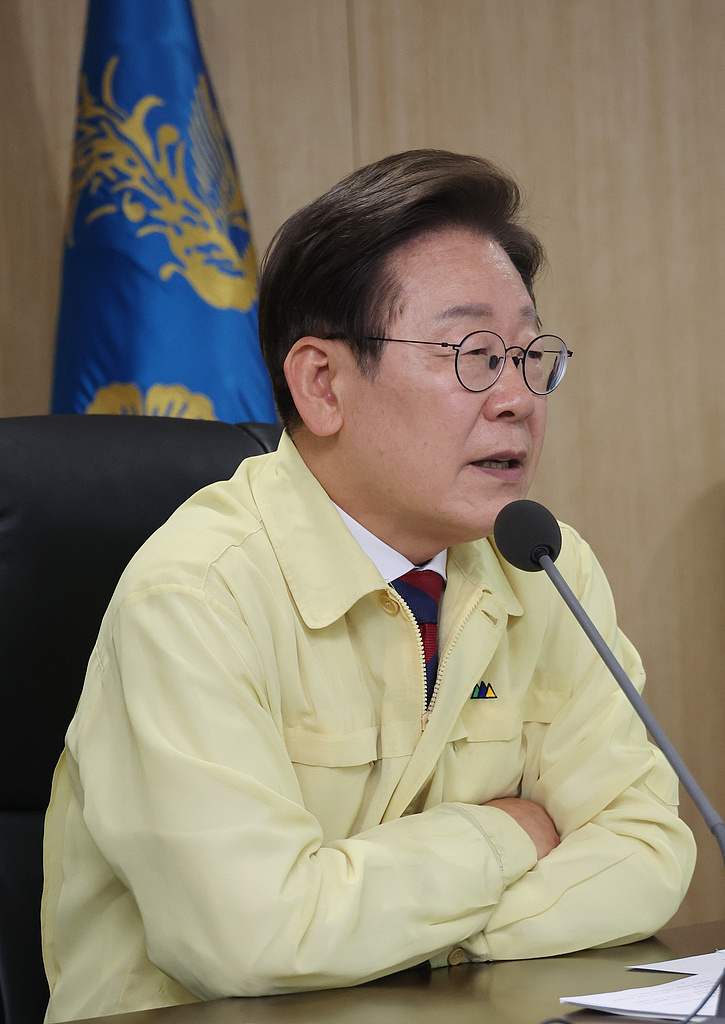
韩美同盟

Search documents
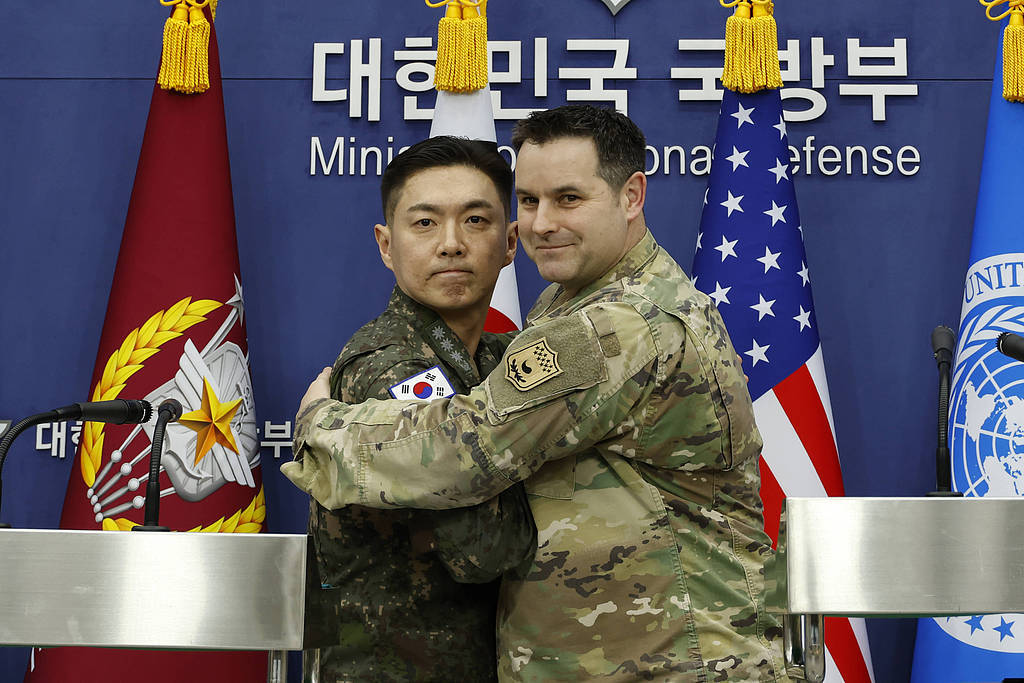
围绕“是否道歉”,韩美军方现“不和谐音”,韩媒:同盟内部存结构性紧张
Huan Qiu Shi Bao· 2026-02-25 22:55
Core Viewpoint - The recent tensions between the U.S. and South Korean military regarding large-scale air training in the Yellow Sea highlight structural issues within the U.S.-South Korea alliance, particularly in military communication and policy coordination [1][4]. Group 1: Incident Overview - The U.S. military conducted extensive air training from February 18 to 19, involving over 100 sorties of F-16 fighter jets in the Yellow Sea, which led to confrontations with Chinese aircraft [3]. - Following the training, U.S. Forces Korea Commander Brenson expressed regret over South Korea not receiving timely training reports, but emphasized that there was no need for an apology [3][4]. Group 2: Reactions and Analysis - South Korean media characterized the incident as a sign of discord between U.S. and South Korean military authorities, with concerns over the lack of detailed communication regarding the training objectives [4]. - Analysts noted that the U.S. military's late-night statement was unusual and indicated deeper issues in military communication and coordination mechanisms between the two nations [4][5]. Group 3: Broader Implications - The ongoing disagreements over military matters, including the scale of the "Freedom Shield" joint exercises, suggest increasing pressure on U.S.-South Korea military coordination [5]. - The current South Korean government faces challenges in balancing relations between the U.S. and China, contrasting with previous administrations that prioritized strengthening ties with the U.S. and Japan [4].

美防长来了,核潜艇议题搅动韩国
Huan Qiu Shi Bao· 2025-11-04 22:46
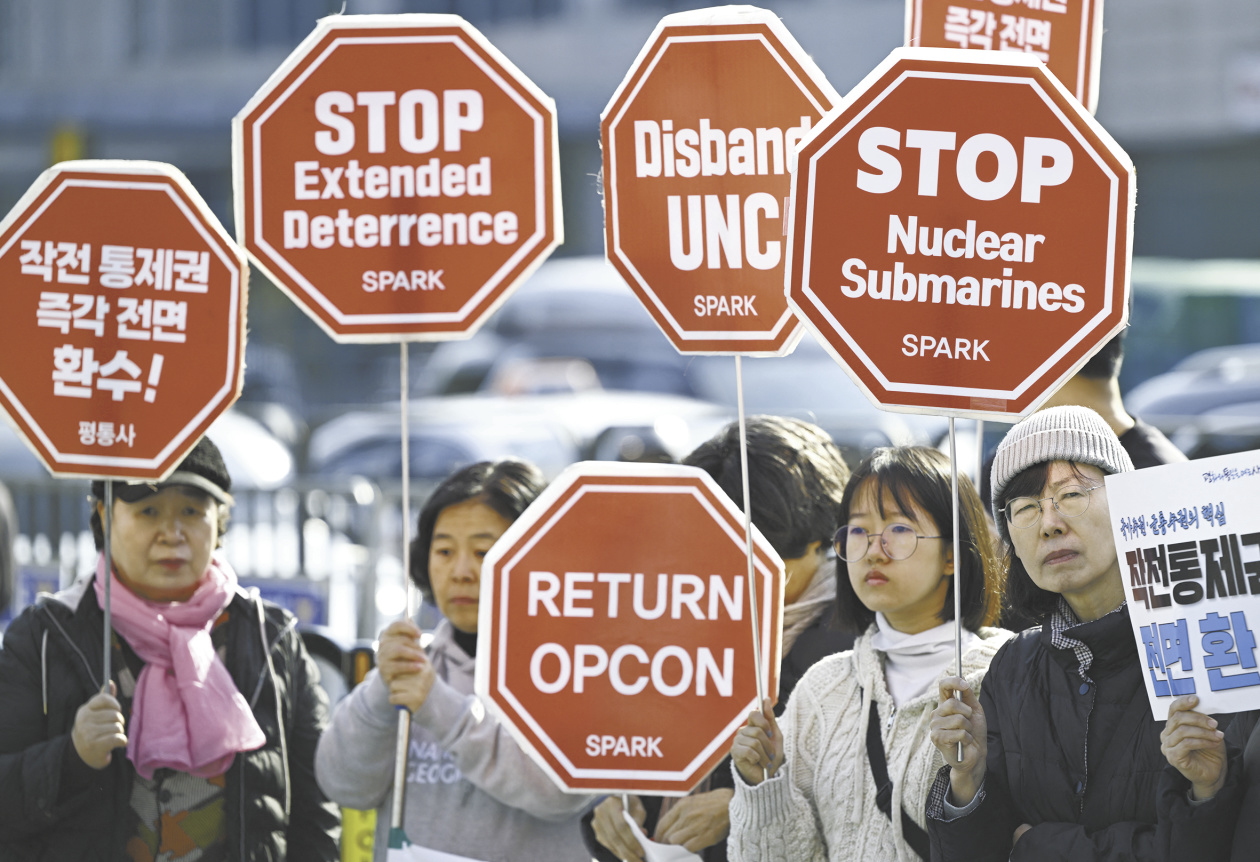
Core Viewpoint - The discussions between South Korea and the United States regarding South Korea's acquisition of nuclear-powered submarines have gained significant attention, with U.S. Defense Secretary confirming support for the initiative, while also highlighting the complexities involved in negotiations and regional implications [1][2][3]. Group 1: Nuclear Submarine Acquisition - South Korea's Defense Minister confirmed that U.S. President Trump has approved the construction of nuclear-powered submarines, with the U.S. military pledging full support [1][2]. - The first nuclear-powered submarine for South Korea is expected to be launched in the mid-2030s, contingent upon successful negotiations for nuclear fuel supply with the U.S. [2][4]. - The construction of these submarines is seen as a sensitive international issue, potentially leading to an arms race in the region [1][3][5]. Group 2: Bilateral Defense Relations - The U.S. is willing to deepen cooperation with South Korea in various naval capabilities, including submarines and surface vessels, as part of a broader strategy to revitalize the U.S. shipbuilding industry [2][3]. - Discussions also included South Korea's plans to increase its defense budget and enhance the strategic flexibility of U.S. forces stationed in South Korea [6]. - There are concerns that the reliance on U.S. support for defense initiatives may lead to a deeper dependency, complicating South Korea's strategic autonomy [5][7]. Group 3: Regional Security Dynamics - Analysts warn that South Korea's pursuit of nuclear submarines could disrupt the strategic balance in Northeast Asia, potentially escalating military tensions [3][5]. - The ongoing negotiations are expected to address critical issues such as construction locations, technology transfer, and nuclear fuel acquisition, which are likely to be contentious [3][6]. - The relationship between South Korea and the U.S. remains strong, but recent events indicate growing complexities and divergences in their defense and economic dealings [6][7].
李在明同特朗普会晤
Xin Jing Bao· 2025-10-29 12:42
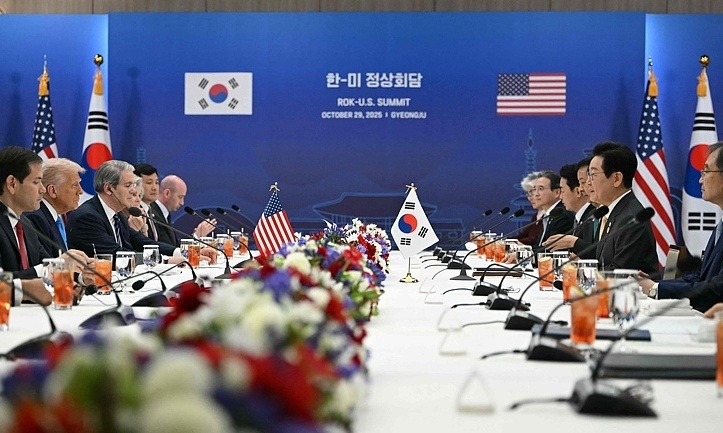
Group 1 - The core viewpoint of the meeting between South Korean President Lee Jae-myung and U.S. President Trump is to strengthen the South Korea-U.S. alliance and address issues related to North Korea [1][3] Group 2 - South Korea plans to significantly enhance its self-defense capabilities by increasing its defense budget and developing its defense industry, thereby reducing the defense burden on the U.S. [3] - South Korea aims to further solidify and deepen the South Korea-U.S. alliance through expanded investments and imports from the U.S. [3] - Trump expressed his commitment to maintaining a good relationship with South Korea and working together to resolve issues on the Korean Peninsula [3]
韩媒:特朗普今日访韩将会晤李在明 或主谈关税问题
Zhong Guo Xin Wen Wang· 2025-10-29 03:29
Core Points - The bilateral meeting between South Korean President Lee Jae-myung and U.S. President Trump is scheduled for October 29, focusing on tariff issues [1] - This meeting marks the shortest interval between visits of South Korean and U.S. leaders in history, occurring nearly two months after their last meeting in Washington [1] - The discussions will take place at the National Gyeongju Museum, including a welcome ceremony and a working lunch [1] Tariff Negotiations - The two leaders are expected to discuss tariff negotiations and the South Korea-U.S. alliance, with particular emphasis on the $350 billion investment project from South Korea to the U.S. [1] - There are existing disagreements regarding the investment methods and revenue distribution related to this project, leading to a prolonged stalemate in negotiations [1] - The likelihood of narrowing differences during this meeting is considered low by the South Korean presidential office due to significant gaps in opinions [1]
李在明:韩国若接受美国要求将再次面临金融危机
Xin Jing Bao· 2025-09-22 01:41
Core Viewpoint - The interview with Lee Jae-myung highlights the urgency to resolve the Korea-U.S. tariff issues and emphasizes the ongoing strength of the Korea-U.S. alliance despite recent tensions [1] Group 1: Tariff Issues - Lee Jae-myung aims to address the Korea-U.S. tariff problems as a priority [1] - The recent arrest of hundreds of individuals at a South Korean battery factory in the U.S. has sparked public outrage in South Korea [1] Group 2: U.S.-Korea Alliance - Lee asserts that the incident will not undermine the Korea-U.S. alliance and clarifies that it is not a directive from former President Trump [1] - South Korea is progressively increasing its defense budget, indicating no significant disagreements with the U.S. on security matters [1]
美韩元首30分钟会谈将向媒体开放,韩媒担忧:特朗普或公开施压
Guan Cha Zhe Wang· 2025-08-25 14:47
Group 1 - The meeting between South Korean President Lee Jae-myung and U.S. President Trump is expected to be high-pressure for South Korea, with concerns about public scrutiny and potential media pressure during the discussions [1][3][4] - The meeting is characterized as a "public opening ceremony" rather than a substantive discussion, with the agenda and speaking points not clearly defined in advance [1][3] - There are fears that Trump may publicly pressure South Korea, similar to past encounters with other leaders, which could lead to an uncomfortable situation for Lee [3][4] Group 2 - The reception for Lee Jae-myung in the U.S. has been criticized for its low profile, with minimal representation from the U.S. side compared to previous visits by South Korean presidents [7][8] - The U.S. has intensified pressure on South Korea to formalize a $350 billion investment commitment, indicating a shift in the dynamics of the bilateral relationship [8][9] - The focus of the meeting is anticipated to be on a shipbuilding cooperation agreement, with expectations of significant investment announcements from South Korea [9] Group 3 - The visit is seen as a high-risk, low-reward endeavor, with analysts suggesting that it may not lead to substantial improvements in U.S.-South Korea relations [6] - There is a growing concern in South Korea regarding the stability of the U.S.-South Korea alliance, especially with Trump's administration demanding more from South Korea in terms of defense spending and military commitments [10][11] - Lee Jae-myung's diplomatic strategy appears to involve balancing relations with both the U.S. and China, as evidenced by his prior visit to Japan and ongoing diplomatic outreach to Beijing [12][13]
韩媒:韩总统室就韩国新任外长涉华言论表态,强调与中方沟通交流必要性
Huan Qiu Wang· 2025-08-05 04:42
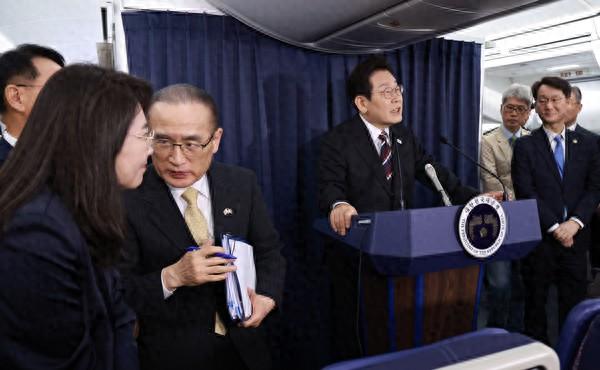
Group 1 - The core viewpoint of the article emphasizes South Korea's commitment to developing its relationship with China while maintaining its alliance with the United States [1][3] - The new South Korean Foreign Minister, Park Jin, acknowledges existing differences with China but stresses the importance of communication and cooperation for regional stability and prosperity [3][4] - There is a recognition of the challenges posed by China's rise, with a call for vigilance while also expressing a desire for a good relationship with China [4][5] Group 2 - The article highlights increasing pressure from the United States on South Korea to take on more defense responsibilities amid the U.S.-China competition [5] - Analysts suggest that the role of U.S. troops in South Korea may shift from deterring North Korea to broader actions in the Indo-Pacific region [5]
涉及中国,韩国新外长在美表态
Huan Qiu Shi Bao· 2025-08-04 22:44
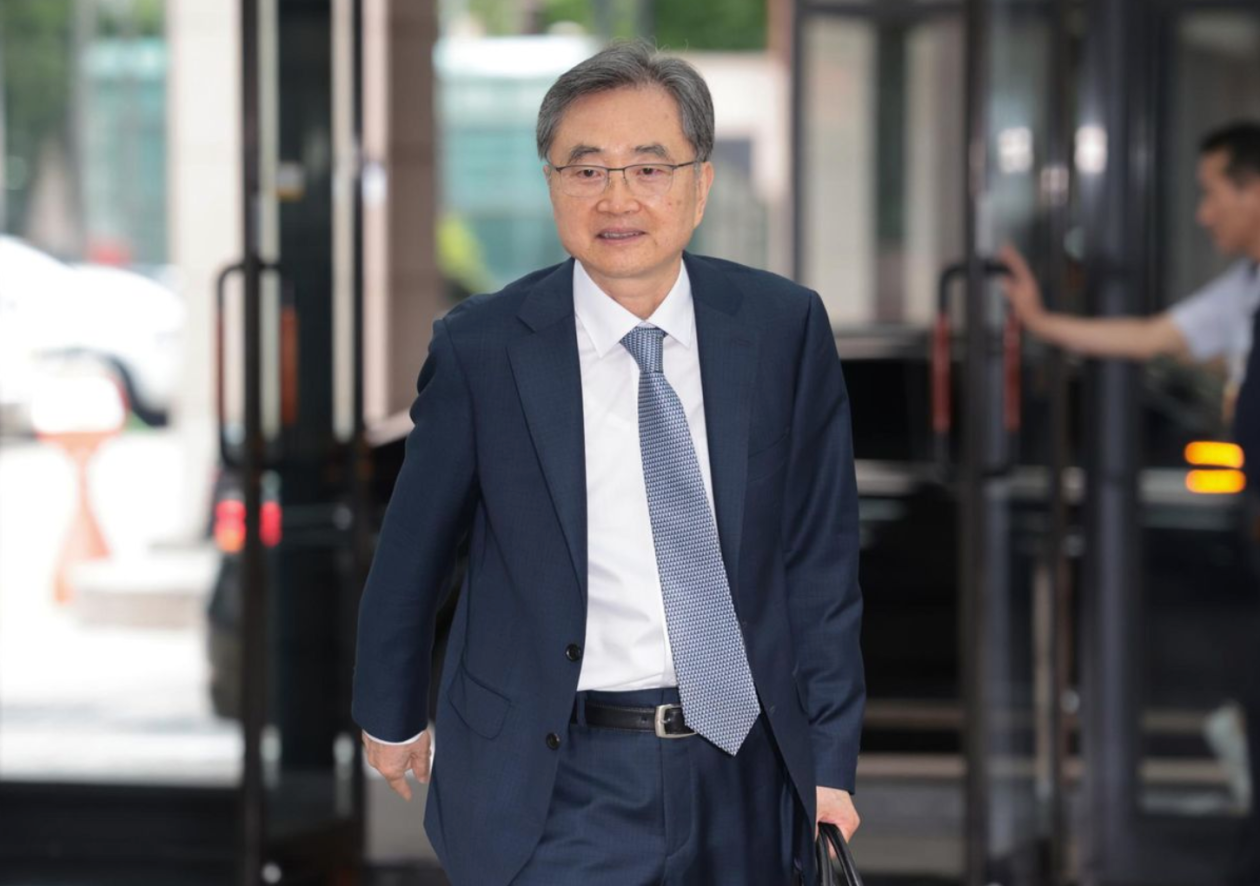
Group 1 - The new South Korean Foreign Minister, Park Jin, emphasizes the importance of maintaining good relations with China while cooperating with the US and Japan [1] - Park acknowledges the challenges posed by China's rapid development and its actions in the South China Sea and Yellow Sea, labeling China as a "competitor" [1] - The South Korean government aims to convey a message to China about adhering to international law in bilateral and regional matters [1] Group 2 - Since the establishment of diplomatic relations, South Korea has benefited significantly from trade with China, which has been its largest trading partner [2] - The recent visit of the South Korean Foreign Minister to the US occurs during a delicate phase in US-South Korea relations, with new tariffs and investment commitments being discussed [2] - Analysts suggest that South Korea is under increasing pressure from the US to take on more defense responsibilities and choose sides in the US-China competition [2]
X @外汇交易员
外汇交易员· 2025-07-03 03:19
Geopolitical Strategy - South Korea aims to pursue "pragmatic diplomacy" centered on national interests [1] - The focus includes maintaining a strong South Korea-US alliance and close cooperation between South Korea, the US, and Japan [1] - South Korea intends to improve relations with China and Russia as soon as possible [1] - The goal is to safeguard peace and the lives of South Korean citizens [1]
提及美韩同盟,谈到关税协商,李在明与特朗普通话20分钟
Huan Qiu Shi Bao· 2025-06-06 22:47
Core Points - The first phone call between South Korean President Lee Jae-myung and U.S. President Trump took place on the night of June 6, lasting approximately 20 minutes, where they discussed the importance of the Korea-U.S. alliance [1][3] - Both leaders praised each other's leadership and agreed to maintain close cooperation to advance the Korea-U.S. alliance, including coordination on tariff issues [3][5] - Trump invited Lee to visit the U.S., and Lee expressed the desire for frequent meetings between the leaders to coordinate on various issues [3][5] Summary by Sections Phone Call Details - The call was the first between Lee and Trump since Lee's inauguration, occurring at 10 PM and lasting around 20 minutes [1] - Lee thanked Trump for his congratulations and emphasized the significance of the Korea-U.S. alliance [1][3] Leadership and Cooperation - Both leaders commended each other's leadership capabilities and committed to fostering the development of the Korea-U.S. alliance [3] - They agreed to work towards a satisfactory resolution on tariff issues and to encourage visible outcomes in working-level negotiations [3] Future Engagements - Trump extended an invitation for Lee to visit the U.S., and Lee highlighted the special nature of the Korea-U.S. alliance, advocating for regular meetings between the two leaders [3][5] - There is anticipation regarding potential discussions on defense cost-sharing and tariff negotiations during their future interactions [5]