
Billionaire Tax

Search documents
Google's Larry Page Reportedly Exits California Over Proposed Billionaire Tax, Joining Peter Thiel, But This CEO Hasn't 'Thought About It Even Once' - Alphabet (NASDAQ:GOOG), Alphabet (NASDAQ:GOOGL)
Benzinga· 2026-01-08 07:20
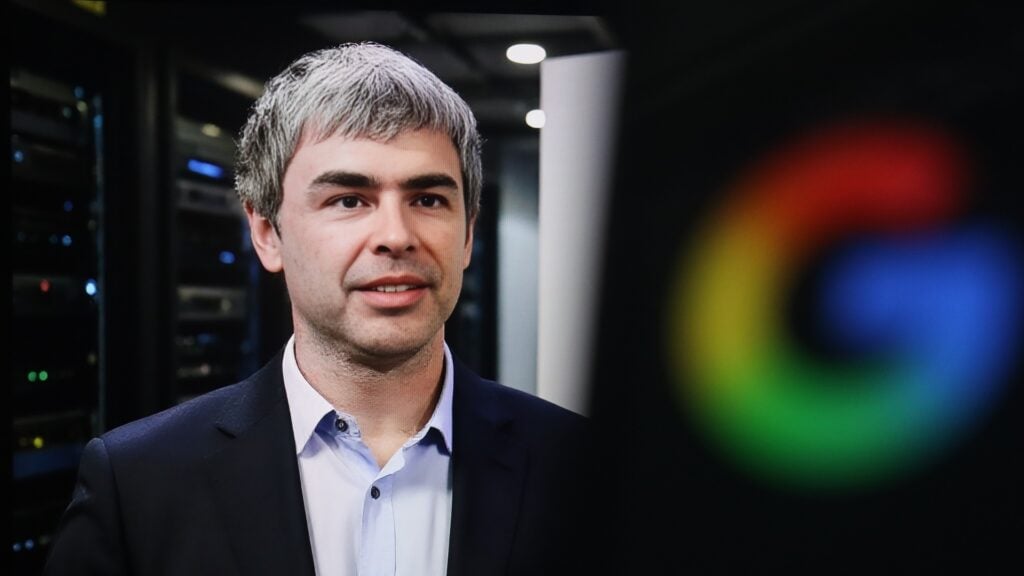
Core Viewpoint - Silicon Valley's elite are splitting into two factions regarding the proposed "billionaire tax," with some, like Larry Page, leaving California, while others, like Jensen Huang, remain committed to the state [1][4]. Group 1: Larry Page's Exit - Larry Page, co-founder of Google, has moved his family office and key assets out of California ahead of the January 1, 2026 deadline for the proposed "Billionaire Tax Act" [2]. - Page's family office, Koop, was converted to a Delaware corporation, and he has physically left California to avoid potential billions in tax liabilities [3][5]. - The proposed tax would impose a 5% levy on global assets for residents as of January 1, 2026, which could significantly impact Page's net worth of $276 billion [3]. Group 2: Jensen Huang's Commitment - In contrast, Nvidia's CEO Jensen Huang has dismissed concerns about the proposed tax, stating that it does not influence his decision to remain in Silicon Valley [4]. - Huang emphasized the importance of the talent pool in Silicon Valley over tax considerations, indicating a focus on innovation rather than tax mitigation [4]. Group 3: Broader Implications - The proposed tax has sparked criticism from business leaders, warning of potential capital flight from California, with venture capitalist Vinod Khosla suggesting that the state would suffer greater losses by driving away top taxpayers [7]. - San Jose Mayor Matt Mahan described the tax proposal as detrimental to California's innovation economy, highlighting the growing divide between tech leaders and state legislators [7].



Nvidia CEO Says He Doesn't Care About California's Proposed Billionaire Tax
WSJ· 2026-01-06 21:11
Core Viewpoint - The proposal has generated significant backlash from other ultrawealthy residents, who are concerned about a potential exodus from the state [1] Group 1 - The proposal has sparked outrage among ultrawealthy residents [1] - Concerns have been raised regarding the potential impact on the state's population dynamics [1]

David Friedberg: California’s “Billionaire Tax” is a Trojan Horse to Go After the Middle Class
All-In Podcast· 2026-01-05 04:14
The reason they're calling it a billionaire tax is to make it easier for people to vote for it and sign up to this entirely new tax system that they're proposing to put on all Americans at some point in the United States and for the first time ever degrading our private property rights. Forget about how much wealth you have. Forget about how rich you are.Forget about the term billionaire, millionaire, whatever it is. We're creating or proposing the creation of a new tax system that allows the government for ...

Chamath Palihapitiya Says People Worth $500 Billion 'Scrambled And Left California' Over Billionaire Tax, Warns That It Will Deepen Budget Deficit
Yahoo Finance· 2026-01-03 22:30
Core Viewpoint - The proposed California billionaire tax is prompting ultra-wealthy residents to leave the state, potentially exacerbating the budget deficit rather than alleviating it [1][3][4]. Group 1: Wealth Exit - Individuals with a combined net worth of approximately $500 billion have decided to permanently leave California due to the proposed billionaire tax, which is characterized as an asset seizure-style levy [2][4]. - The immediate exit of these high-net-worth individuals is seen as a preemptive measure to avoid the tax, which could ultimately lead to lower revenue collection for the state [3][4]. Group 2: Budget Implications - The departure of wealthy residents is expected to worsen California's budget deficit, placing additional financial burdens on ordinary taxpayers [3][4]. - Lawmakers may be forced to resort to increased borrowing or broader tax hikes to compensate for the loss of revenue from high-net-worth individuals [3]. Group 3: Tax Criticism - The billionaire tax is criticized for targeting unrealized and illiquid wealth, particularly affecting startup founders who may have significant equity but modest salaries [5]. - An example highlighted involves a founder with $1.2 billion in paper equity earning a $150,000 salary, who could face substantial cash obligations under the proposed tax, risking insolvency if the company's value declines [6].
Bill Ackman Blasts Ro Khanna For Defending Billionaire Tax: 'Lost His Way' - SPDR S&P 500 (ARCA:SPY)
Benzinga· 2025-12-29 08:27
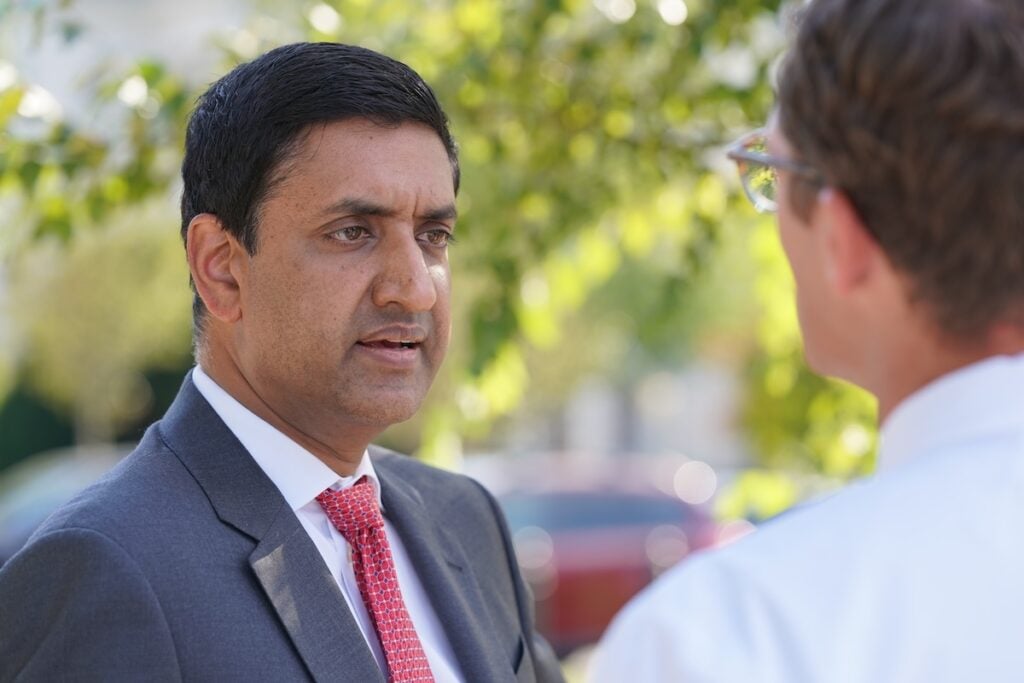
Core Viewpoint - Bill Ackman, CEO of Pershing Square Capital Management, has publicly withdrawn his support for Congressman Ro Khanna due to Khanna's defense of a controversial California wealth tax proposal, which Ackman believes contradicts Khanna's previous stance against taxing unrealized gains [1][2][3]. Group 1: Tax Controversy - The proposed California initiative could impose a tax of up to 5% on the net worth of billionaires, which has sparked significant debate [3][4]. - Ackman argues that aggressive taxation will lead to an exodus of entrepreneurs and job creators from California, citing concerns from tech leaders like Peter Thiel and Larry Page about leaving the state to avoid the tax [4]. - Venture capitalist Chamath Palihapitiya supports Ackman's view, warning that the tax could harm entrepreneurship by forcing founders to liquidate assets to pay taxes on unrealized wealth [4]. Group 2: Khanna's Response - Congressman Khanna has dismissed the threats of an exodus, asserting that the talent pool and ecosystem in Silicon Valley are more robust than the presence of individual billionaires [5].
Bernie Sanders Slams Elon Musk's $1 Trillion Tesla Pay Deal: 'Insanity. Billionaire Tax Now' - Tesla (NASDAQ:TSLA)
Benzinga· 2025-12-07 04:58
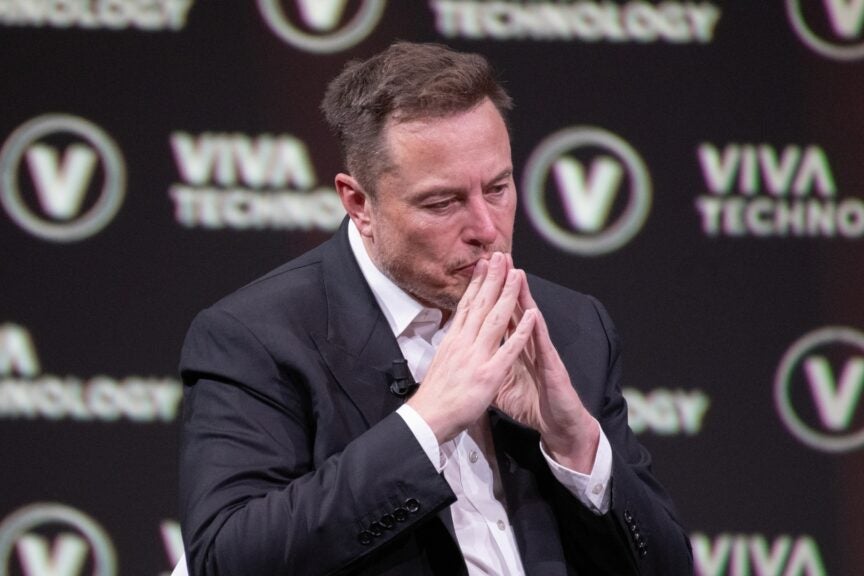
Core Viewpoint - Senator Bernie Sanders has called for immediate taxation on billionaires, criticizing Elon Musk's $1 trillion compensation package at Tesla, which he compares to the combined salaries of millions of American workers [1][2]. Pay Package Comparison - Musk's 10-year compensation package exceeds the total pay of every elementary school teacher, cashier, restaurant cook, farmworker, and bartender in the U.S. [2] - California has proposed the 2026 Billionaire Tax Act, which would impose a 5% tax on the net worth of the state's wealthiest residents [2]. Shareholder Approval Details - The compensation package, approved by over 75% of Tesla shareholders, is designed to motivate Musk's performance with high targets [3]. - It is the first pay package of its kind in global corporate history [3]. Compensation Structure - The package consists of 12 tranches tied to market capitalization milestones, starting at $2 trillion and requiring Tesla to reach $8.5 trillion for the final payout [4]. - Musk can unlock each grant over ten years by achieving one market cap milestone and one operational target [4]. Legislative Response - Sanders has criticized Musk's compensation as "oligarchy" and "grossly immoral," highlighting the disparity between Musk's earnings and cuts to low-income assistance programs [5]. - Representative Dan Goldman noted that Musk has paid a 3.3% effective tax rate by utilizing tax-free loans against stock [5]. Income Inequality Concerns - Pope Leo XIV has echoed concerns about income inequality, noting that CEO pay has reached 600 times that of worker wages, similar to Sanders' comparisons [6]. Stock Performance - Tesla stock has increased by 23.14% over the past year and 59.82% over the past six months, with a market capitalization of $1.51 trillion [7]. - TSLA shares have an annual price range of $214.25 to $488.54, and Benzinga's Edge Stock Rankings indicate a positive price trend across all time frames [7].

NBA Gambling Scandal, Billionaire Tax, Tesla's Future, Amazon Robots, AWS Outage, Dangerous AI Bias
All-In Podcast· 2025-10-24 23:13
(0:00) Bestie intros! (1:02) CA Billionaire Tax (17:00) Major NBA gambling scandal (29:51) Amazon's eventful week: AWS outage and leaked robotic automation plans (49:55) Tesla earnings, Optimus, Elon's pay package, "corporate terrorists" (1:03:54) Study shows AI bias Follow the besties: https://x.com/chamath https://x.com/Jason https://x.com/DavidSacks https://x.com/friedberg Follow on X: https://x.com/theallinpod Follow on Instagram: https://www.instagram.com/theallinpod Follow on TikTok: https://www.tikto ...

I Asked ChatGPT What Would Happen If Billionaires Paid Taxes at the Same Rate as the Average California Resident
Yahoo Finance· 2025-10-12 14:12
Core Viewpoint - The discussion around billionaire taxes centers on the potential impact of taxing the ultra-wealthy at the same effective rate as average citizens, with various interpretations of what "tax rate" means [1][2]. Tax Rate Definitions - The term "tax rate" can be interpreted in three main ways, each leading to different revenue outcomes [3]. - The first interpretation focuses on effective federal income tax rates, where average U.S. filers pay approximately 14% to 15% of their income in federal taxes, representing a conservative estimate [3]. - The second interpretation considers the total tax burden, which includes federal, state, payroll, local, property, and sales taxes, with typical households paying around 27% of their income in combined taxes [4]. - The third interpretation treats the tax as a wealth tax, where billionaires would pay the same percentage of their total wealth annually as average individuals pay of their income [4]. Revenue Scenarios - ChatGPT analyzed three scenarios to estimate potential revenue from taxing billionaires [5]. Scenario 1: Matching Federal Income Tax Rates - If billionaires paid the same effective federal income tax rate as average Americans (around 14% to 15%), it could generate tens of billions annually, but this approach has limitations due to much of billionaire wealth growth being from unrealized capital gains [6][7]. Scenario 2: Matching Total Tax Burden - This scenario would require billionaires to pay about 27% of their economic income in combined taxes, similar to typical households, potentially raising hundreds of billions annually and significantly reducing income inequality [8]. - Implementing this would necessitate major changes in capital income taxation, including closing avoidance strategies and possibly introducing new tax mechanisms [8].