
Digital finance

Search documents
Lloyds Bank, Archax and Canton Network Complete UK’s First Gilt Purchase Using Tokenised Deposits
Yahoo Finance· 2026-01-07 14:37
Core Insights - Lloyds Banking Group has executed the first-ever Gilt purchase using tokenised deposits on a public blockchain in the UK, marking a significant milestone in digital finance [1] Group 1: Transaction Overview - The transaction involved Lloyds Bank PLC issuing tokenised deposits on the Canton Network, which is designed for regulated financial markets [2] - Lloyds Bank Corporate Markets utilized these tokenised deposits to purchase a tokenised UK Gilt issued by Archax [2] - Following the trade, Archax transferred the underlying funds back to its standard Lloyds bank account, demonstrating interoperability between blockchain and traditional banking systems [3] Group 2: Technology and Design - The Canton Network's public-but-private design was crucial, allowing broader industry participation while ensuring confidentiality and compliance, essential for institutional adoption [4] - Tokenisation enables instant settlement and atomic transactions, reducing counterparty risk, improving liquidity, and shortening settlement cycles, addressing inefficiencies in traditional capital markets [6] Group 3: Benefits of Tokenised Deposits - Tokenised deposits allow businesses to transact on blockchain networks while maintaining characteristics of traditional bank deposits, such as interest accrual and regulatory protections [7] - Firms can access and trade a wider range of assets across both traditional and on-chain markets using a single cash instrument [7] - Additional benefits include real-time settlement, smart contract automation to mitigate operational risk, and enhanced transparency through distributed ledger records [8] Group 4: Future Implications - The Gilt purchase aligns with the UK government's exploration of issuing digital versions of traditional securities, showcasing how tokenisation can support this initiative [5] - Lloyds' transaction builds on previous digital asset collaborations with Archax, indicating a pathway to more efficient financial markets without compromising traditional banking safeguards [9]
StoneX Digital Secures MiCA Authorisation to Expand Regulated Digital Asset Services Across the EU
Globenewswire· 2026-01-06 13:00
Core Viewpoint - StoneX Group Inc. has secured its Crypto-Asset Service Provider license under the EU's Markets in Crypto-Assets Regulation, enhancing its regulated digital asset capabilities and expanding its services across the European Union [1][2][3]. Group 1: Company Developments - StoneX Digital has been operating as a Virtual Asset Service Provider for over a year and will now offer digital asset execution and custody under stringent regulatory frameworks [3]. - The authorization aligns with StoneX's long-term strategy to help clients integrate new products and technologies into their existing operating and investment frameworks [4]. - StoneX Digital was launched in June 2022 with a mission to provide institutional clients with sophisticated digital asset trading tools and market access [4]. Group 2: Market Position and Strategy - The company aims to reduce friction between traditional and digital finance environments, allowing clients to focus on their investment strategies and corporate goals [4]. - StoneX's robust product portfolio and global scale provide the security and reliability that financial institutions demand as they seek regulated entities for their digital asset needs [4]. - StoneX Group Inc. serves over 80,000 commercial, institutional, and payments clients, along with more than 260,000 retail accounts across over 80 offices on six continents [5].


Coinbase Warns: Digital Dollar Policy Risks Losing Ground to e-CNY
Yahoo Finance· 2025-12-31 12:25
Core Viewpoint - The U.S. risks losing its dominance in digital finance to China due to proposed stablecoin regulations that prohibit interest payments on U.S. dollar-pegged stablecoins, while China is enhancing the appeal of its digital yuan by allowing interest payments starting January 1, 2026 [1][2]. Regulatory Framework - The current legislation, known as the GENIUS Act, restricts U.S. stablecoin issuers from paying interest directly to holders, creating a competitive disadvantage for U.S. stablecoins compared to China's e-CNY [2][3]. Competitive Landscape - China's decision to allow interest on the e-CNY transforms it into a savings asset, increasing its attractiveness for both domestic and international users, which could undermine the position of non-interest-bearing U.S. dollar stablecoins [2][5]. Industry Debate - The ongoing debate features crypto advocates arguing that interest restrictions hinder innovation, while traditional banking institutions, represented by the American Bankers Association, advocate for strict enforcement of the interest ban to protect traditional banking [4]. Global Implications - The conflict over digital currency policies is not just about consumer rewards; it concerns the future of global digital settlement, with interest-bearing currencies like the e-CNY posing a challenge to the utility of U.S. dollar stablecoins as reserve assets [5][6]. Potential Consequences - If U.S. digital dollar policies render it less attractive, there is a risk that capital and innovation will shift towards platforms offering yield, potentially diminishing the dominance of USD-backed stablecoins in on-chain value transfer and impacting liquidity and trading volumes [6].

Beyond the wallet: How payments banks have quietly re-invented themselves
MINT· 2025-12-24 04:32
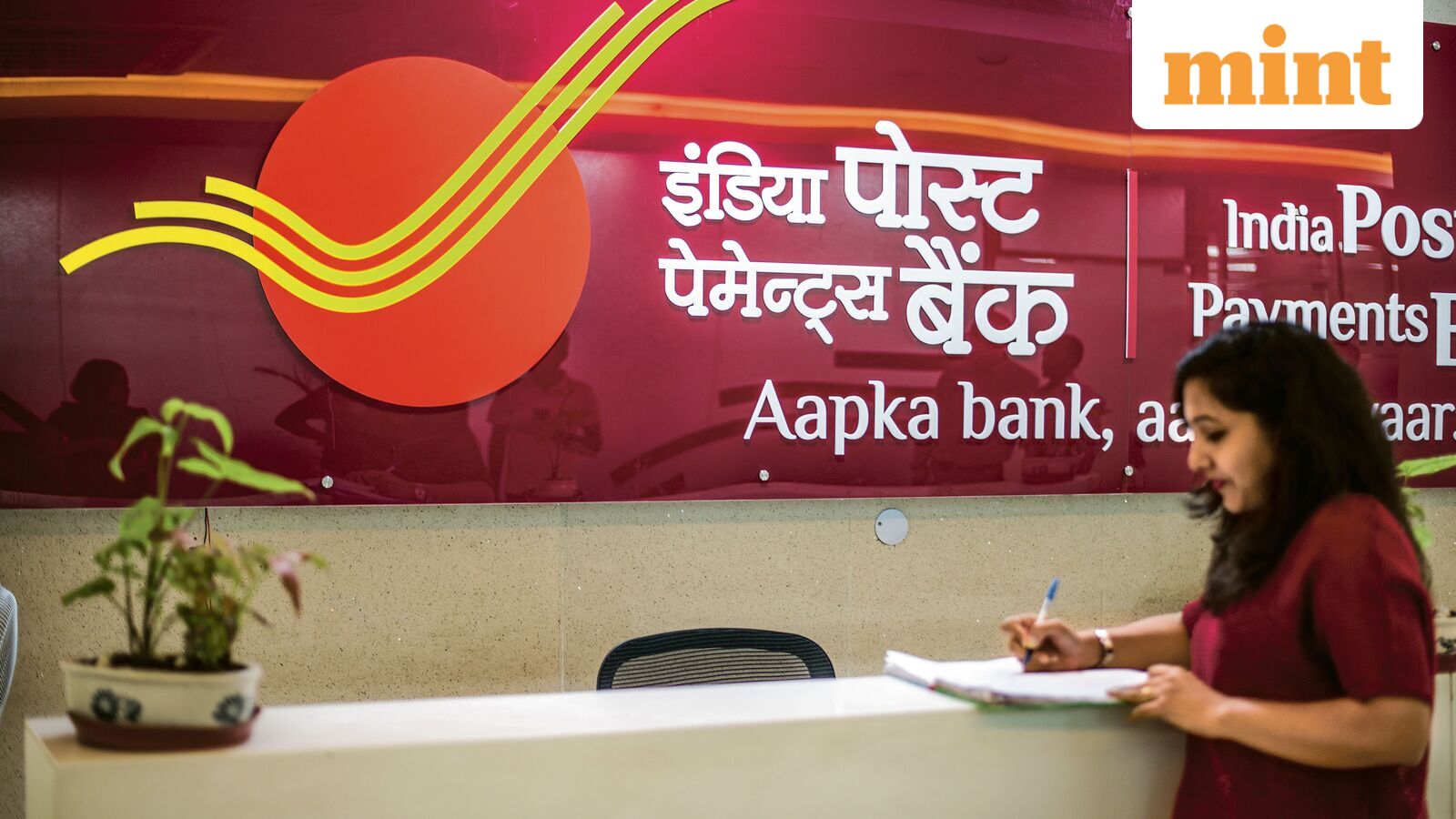
Core Insights - Payments banks in India accept deposits but cannot lend, instead investing customer deposits in government securities to generate modest interest and occasional gains [1] - They earn fees and commissions from various activities including digital payments, remittances, and micro-ATM transactions, contributing to their revenue model [2] Industry Overview - There are six payments banks in India, collectively holding only 0.1% of total bank deposits, yet they have managed to survive and serve over 250 million customers, primarily in rural and semi-urban areas [3] - Payments banks were established to enhance financial inclusion, utilizing the Jan Dhan-Aadhar-Mobile (JAM) framework to create a "phygital" model that combines digital banking with physical customer touchpoints [6] Customer Engagement - Payments banks have successfully improved financial inclusion by leveraging trusted local brands and agents, particularly reaching women customers who prefer familiar local representatives [7][19] - They provide accessible financial services through neighborhood customer service points, making banking less intimidating for first-time users [8] Brand Trust and Recognition - High customer acceptance is attributed to the backing of well-known brands like Airtel and Jio, which are among India's top valuable brands [9] - Payments banks have seen rising transaction volumes, comparable to large traditional banks, despite their relatively short existence [10] Business Model and Growth - Payments banks face regulatory limitations, such as a cap on deposits and restrictions on offering fixed deposits, yet they have adapted by focusing on their strengths to acquire customers [13] - Airtel has dominated the National Common Mobility Card market, while Fino and NSDL excel in micro-ATM and AePS segments, crucial for remote areas [14] Financial Products and Innovations - New product offerings, such as Jio Payments Bank's 'Savings Pro' account, attract customers by providing liquidity and returns, integrating them into a larger financial ecosystem [15] - Payments banks outperform other bank categories in terms of deposit value owned by women, with initiatives to support female customers and agents [18][19] Risk Mitigation and User Trust - Payments banks serve as a gateway for users hesitant about digital banking, with campaigns like Airtel's 'safe second account' promoting safer transaction practices [22] - They resonate particularly with elderly and less tech-savvy users, offering a low-risk entry point into digital finance that emphasizes familiarity and trust [23]
Bhutan Pledges 10,000 Bitcoin to Build New Economic Zone
Yahoo Finance· 2025-12-17 08:36
Core Insights - Bhutan has announced a pledge of up to 10,000 BTC, valued at $1 billion, to support the development of the Gelephu Mindfulness City, marking one of the largest sovereign Bitcoin commitments for economic development [1][3] - The initiative aims to create jobs and economic growth while integrating Bhutan's values of Gross National Happiness with modern digital finance [3] - Bhutan plans to accumulate Bitcoin for long-term value preservation rather than selling, exploring collateralization and yield strategies [2] Economic Development - The Gelephu Mindfulness City is intended to be an economic hub that benefits all Bhutanese citizens, aligning with the country's holistic approach to well-being [2][3] - Bhutan's existing green Bitcoin mining strategy, powered by hydropower, supports this initiative, showcasing the country's commitment to sustainable practices [2][4] Cryptocurrency Strategy - Bhutan has been a sovereign Bitcoin miner since 2019, currently holding 5,984 BTC worth over $520 million [3] - The country plans to tokenize its physical gold reserves on the Solana blockchain, launching a crypto asset backed by these reserves [4] - A Memorandum of Understanding was signed with Cumberland DRW to manage the GMC Bitcoin reserves, indicating a structured approach to asset management [4]
Interview: ‘the biggest mistake is treating 2026 as a reset year,' Jac Arbour on modernising portfolios for next market regime
Invezz· 2025-12-15 11:35
Core Insights - The investment strategies that have been effective over the past decade are unlikely to succeed in the upcoming years as the financial landscape is changing rapidly [1] - Key factors influencing this shift include persistent inflation concerns, increasing US national debt, and ongoing advancements in digital finance [1] - The distinctions between traditional financial institutions, government policies, and emerging Web3 technologies are becoming increasingly blurred [1] Economic Environment - Stubborn inflation fears are a significant concern for investors as they prepare for 2026 [1] - The US national debt is ballooning, which may impact fiscal policies and investment strategies [1] Technological Innovation - There is relentless innovation in digital finance, which is reshaping the investment landscape [1] - The convergence of Wall Street, Washington, and Web3 indicates a transformative period for financial markets [1]

New Hampshire Approves World's First Bitcoin-Backed Municipal Bond. 'It's the Opening of a New Debt Market'
Yahoo Finance· 2025-12-12 16:46
Core Viewpoint - New Hampshire has approved a $100 million Bitcoin-backed municipal bond, marking the first instance of such a bond being collateralized by cryptocurrency, pending final approval from the governor and state Executive Council [1][2]. Group 1: Bond Structure and Mechanism - The proposed bond structure requires borrowers to post 160% of the bond's value in Bitcoin as collateral, ensuring a buffer against market fluctuations [2]. - A liquidation mechanism is in place to sell the cryptocurrency if its value falls below 130% of the bond's value, protecting bondholders from potential losses [3]. Group 2: Economic and Technological Implications - The bond aims to create a Bitcoin Economic Development Fund through transaction fees, which will be used to invest in business growth and financial innovation programs in New Hampshire [2]. - New Hampshire has positioned itself as a leader in digital finance by being the first state to establish a strategic Bitcoin reserve and allowing the state treasurer to invest up to 5% of state funds in digital assets with a market capitalization of $500 billion or more [4][5]. Group 3: Collaboration and Future Outlook - The bond was developed in collaboration with digital asset companies like BitGo and Wave Digital Assets, indicating a partnership between public and private sectors to unlock the value of digital assets [6][7]. - The initiative is viewed as the opening of a new debt market, showcasing innovative financial solutions that could reshape investment opportunities [7].
Stablecoins and the future of remittances: Building the rails, not just the apps
Yahoo Finance· 2025-12-04 09:52
Core Insights - Stablecoins are expected to transform remittances through integration rather than disruption, enhancing the global payments infrastructure instead of replacing it [1] - The current remittance system is characterized by high fees, unpredictable delivery times, and inefficiencies, particularly affecting smaller transactions and cash remittances [2][3][4] Group 1: Current Challenges in Remittances - Migrant workers face high fees for sending money home, which may increase with proposed remittance taxes [2] - Delivery times for remittances are often unpredictable, constrained by traditional banking hours, leading to delays in urgent transactions [2] - Cash remains the most trusted method for remittances due to its immediacy and universal understanding, but it is limited by geography and infrastructure [3] Group 2: Infrastructure Limitations - The infrastructure for cross-border money transfers has seen little change over decades, still relying on outdated systems with cut-off times and batch settlements [4] - Current remittance systems do not meet the fast-paced expectations set by modern communication and commerce, causing delays for families relying on timely transfers [4] Group 3: Potential of Stablecoins - Stablecoins present an opportunity to address structural issues in remittances by providing speed, programmability, and lower costs, especially for smaller transactions [5][6] - Transactions using stablecoins can settle in seconds at any time, bypassing traditional banking limitations, and can be integrated into existing trusted systems [6] - The effectiveness of stablecoins is contingent upon their integration into established payout networks and banking systems that have built trust over time [6]
Nubank Intends to Obtain Banking License in Brazil in 2026
Businesswire· 2025-12-03 13:40
Core Viewpoint - Nubank, one of the largest digital financial services platforms globally, intends to obtain a banking license in Brazil, which aligns with regulatory requirements and will not affect its operations or client services [1] Group 1: Company Overview - Nubank has over 110 million customers in Brazil and has facilitated the financial inclusion of 28 million individuals since its founding 12 years ago [1] - The company's CEO, Livia Chanes, emphasizes that Nubank's identity and mission to simplify customer experiences will remain unchanged despite the new banking license [1] Group 2: Regulatory Compliance - Nubank currently operates as a Payment Institution, a Credit, Financing, and Investment Company, and a Securities Brokerage Company, fully complying with all applicable regulations [1] - The addition of a banking institution does not materially change Nubank's capital and liquidity requirements, ensuring that its financial solidity and resilience remain intact [1]


Major Exchanges “Alarmed” as SEC Eyes Tokenized Stock Exemptions — Here’s Why
Yahoo Finance· 2025-11-27 14:46
Core Viewpoint - Major U.S. exchanges express concern over the SEC's consideration of exemptions that could accelerate the introduction of tokenized stocks into mainstream markets, fearing it may distort market structure and favor lightly regulated crypto firms [1][2]. Group 1: Concerns from Major Exchanges - The World Federation of Exchanges (WFE) submitted a letter to the SEC, highlighting alarm over platforms offering tokenized U.S. equities without the protections of traditional securities [2][5]. - Tokenized instruments are marketed as equivalents to listed shares but lack legal ownership rights, voting power, and clear channels for investor redress [2][3]. - The WFE warns that broad exemptions could lead to unregulated crypto platforms diverting trading activity from traditional markets, undermining price discovery and creating discrepancies between tokenized and underlying share prices [5][6]. Group 2: SEC's Consideration and Framework - SEC Chairman Paul Atkins is developing an "innovation exemption" framework to allow crypto firms to launch blockchain-based products under conditional relief while the SEC finalizes long-term digital-asset regulations [2][3]. - The SEC is reviewing proposals for tokenized stocks, bonds, and partnership interests, with major financial institutions seeking approval for these products [3][4]. - Tokenized stocks aim to represent traditional shares on a blockchain ledger, facilitating global trading, faster settlement, and fractional access [3][4]. Group 3: Market Structure and Systemic Risk - Some tokenized structures replicate a stock's economic performance without granting actual ownership, while others attempt to place registered equity directly on-chain [4]. - The WFE cautions that tokenized equities could disrupt clearinghouse systems designed to manage netting and collateral, potentially increasing systemic risk [6].