RWA通证化

Search documents
青云租并购上市:租赁赛道的里程碑事件
Sou Hu Cai Jing· 2025-09-04 15:13
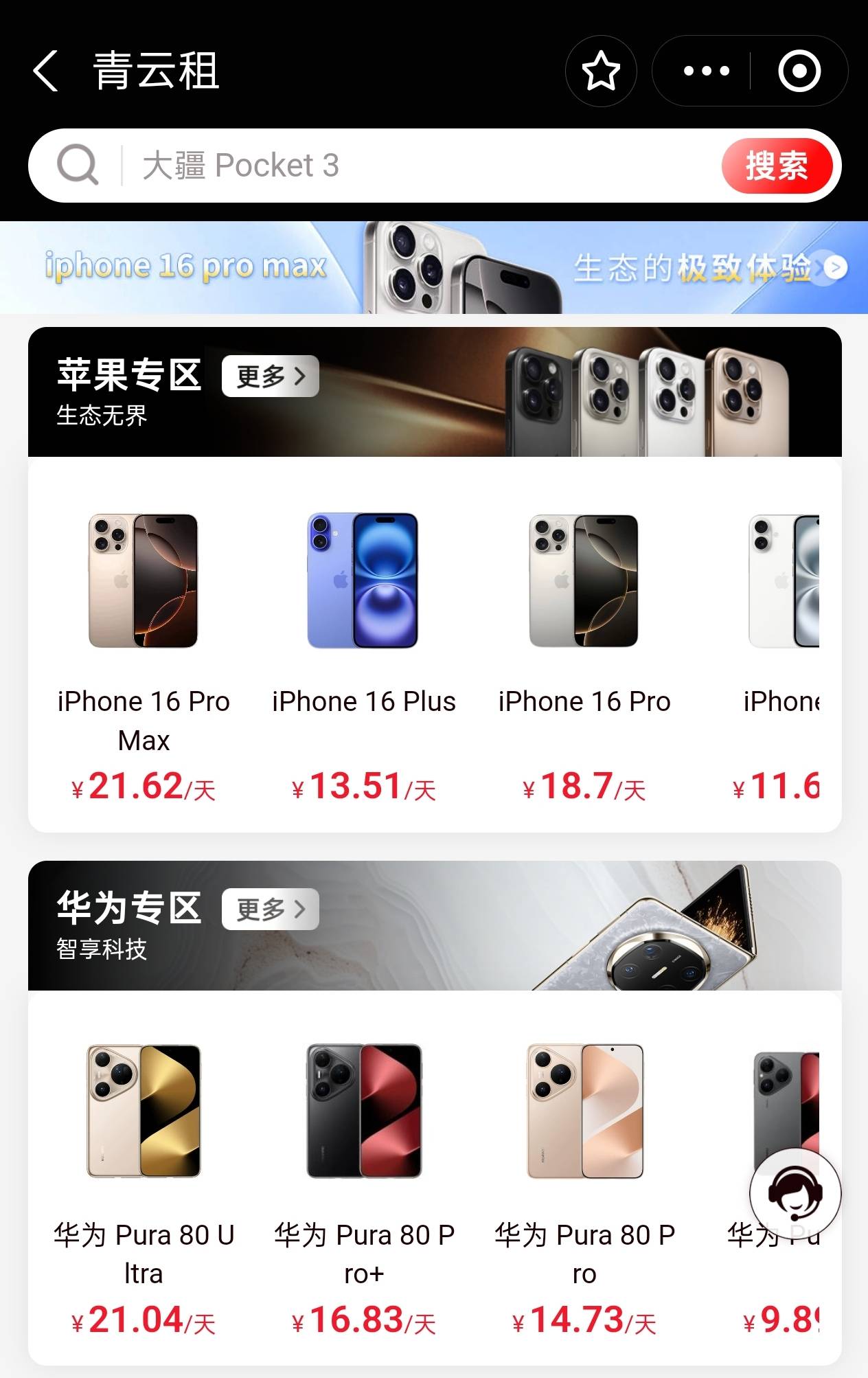
Core Viewpoint - Aigo Group has successfully acquired a 51% stake in Shenzhen Aigo Chuangke Holdings, marking a significant milestone in the domestic digital leasing industry and integrating Qingyun Rental into Aigo Group's framework [1][4]. Group 1: Aigo Group Overview - Aigo Group, established in 1968 and listed on the Hong Kong Stock Exchange since 1992, is a globally recognized consumer electronics manufacturer and brand operator [4]. - The company has been transitioning from traditional hardware manufacturing to a "hardware + digital services" ecosystem, actively engaging in the digital leasing and SaaS market [4]. Group 2: Qingyun Rental Overview - Qingyun Rental, developed by Wuhan Qingqing Times Network Technology Co., is a leading player in the domestic credit-free digital leasing sector, utilizing a combination of self-operated and managed business models [4]. - The platform has achieved significant growth, with monthly traffic exceeding 10 million and a cumulative GMV of over 2 billion yuan by August 2025 [5]. Group 3: Future Plans and Innovations - Post-acquisition, Qingyun Rental plans to leverage blockchain technology to tokenize leasing orders and receivables, enhancing financing and circulation efficiency [5]. - The company aims to become the first mobile leasing platform with a Hong Kong-listed company background, positioning itself for international expansion and capital market engagement [6].

杨涛:新形势下RWA产业需在创新与规范中寻找平衡|金融与科技
清华金融评论· 2025-08-07 11:41
Core Viewpoint - The report highlights the rapid expansion of the Real World Assets (RWA) market, emphasizing the need for clear theoretical frameworks and regulatory guidelines to manage the associated risks and innovations [3]. Financial Function Perspective on RWA Market - RWA provides new financing channels for illiquid assets, addressing traditional financing challenges [5]. - It lowers investment barriers, allowing ordinary investors to access high-value projects previously available only to institutional investors [5]. - RWA initiators benefit from flexible financial management, improving asset-liability management [5]. - The market enhances transaction efficiency and transparency, enabling global access and reducing fraud risks [5]. - RWA contributes to the stability of on-chain financial activities by providing quality underlying assets for DeFi protocols [5]. Challenges in RWA Market Development - The complexity of modern financial markets increases risks associated with structured financial products [8]. - Historical asset securitization has evolved, but the combination of structured financial derivatives and securitization raises systemic risks [10]. - RWA encompasses both financial and non-financial assets, inheriting risks from traditional financial innovations [11]. Strategies for Healthy RWA Market Development - Identifying RWA-related risk characteristics is crucial, ensuring asset ownership clarity and value stability [13]. - Regulatory frameworks need to evolve, establishing a classification system based on asset attributes and market circulation [14]. - Standardization of RWA is essential, focusing on asset mapping, data interfaces, and regulatory compliance [15]. - Encouraging innovation that serves the real economy is vital, with a focus on high-value scenarios and sandbox testing mechanisms [16].