Antitrust

Search documents
X @Bloomberg
Bloomberg· 2025-11-21 21:38
Antitrust Concerns - The judge is concerned about the timeline for a forced sale of Google's advertising exchange [1] - The judge is concerned about identifying appropriate buyers for Google's advertising exchange [1]
Google aims to dodge breakup of ad business as antitrust trial wraps
Reuters· 2025-11-21 11:06
Core Viewpoint - Alphabet's Google is making a final effort to prevent the breakup of its advertising technology business as the antitrust case led by the Department of Justice approaches its conclusion [1] Group 1 - The U.S. court hearing is scheduled for Friday, marking a critical moment in the antitrust proceedings against Google [1] - The Department of Justice has been pursuing this case to address concerns over Google's dominance in the advertising technology sector [1]



9 states reach $7M settlement with Greystar
Yahoo Finance· 2025-11-20 14:59
Core Viewpoint - Nine states have reached a $7 million settlement with Greystar over allegations of using shared rent-setting algorithms to inflate rental prices [1][2] Group 1: Settlement Details - The settlement amount is $7 million, which Greystar will pay to the participating states if approved by the federal district court [2] - Greystar will implement strict new limits on its use of rent-setting algorithms and data-sharing platforms as part of the settlement [2] - An antitrust compliance officer must be identified by Greystar within 30 days of the consent judgment [2] Group 2: Participating States and Legal Background - The states involved in the settlement are California, Colorado, Connecticut, Illinois, Massachusetts, Minnesota, North Carolina, Oregon, and Tennessee [3] - The settlement stems from a lawsuit filed in January 2025 by the U.S. Justice Department and attorneys general from 10 states against data and software firm RealPage [4] Group 3: Prohibited Actions - Greystar is prohibited from licensing or using any revenue management product that utilizes external non-public data to generate rental prices [6] - The company cannot use any revenue management system that incorporates a rental price floor or limits on rental price recommendation decreases, with specific exclusions [6] - Greystar is also barred from disclosing non-public data to other property managers or owners for setting rental prices [6]
Opinion | The FTC's Meta Antitrust Implosion
WSJ· 2025-11-19 22:41
Core Viewpoint - The company has lost its monopoly case after five years of intense online competition, indicating a significant shift in the competitive landscape [1] Group 1 - The legal battle lasted for five years, highlighting the prolonged nature of the competition in the online sector [1] - The outcome of the case suggests that the company's previous market dominance is being challenged by emerging competitors [1] - This development may lead to increased market dynamics and potential opportunities for other players in the industry [1]

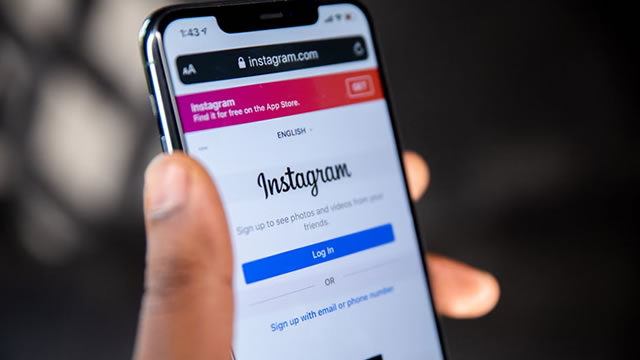
Meta prevails in landmark antitrust case as court rejects FTC monopoly claims
Invezz· 2025-11-19 09:09
Core Viewpoint - Meta has achieved a significant legal victory as a US federal judge dismissed the Federal Trade Commission's antitrust case, concluding a lengthy regulatory effort to dismantle the company's acquisitions [1] Group 1: Legal Developments - The dismissal of the antitrust case marks a pivotal moment for Meta, allowing the company to maintain its current business structure without the threat of regulatory intervention [1] - This legal outcome reflects a broader trend in the regulatory landscape, where courts are increasingly skeptical of antitrust claims against large tech companies [1] Group 2: Implications for the Company - With the case dismissed, Meta can continue its strategic initiatives and investments without the uncertainty posed by potential legal challenges [1] - The ruling may bolster investor confidence in Meta's long-term growth prospects, as it removes a significant legal hurdle [1]

Meta Wins Antitrust Case, Won't Have to Give Up WhatsApp or Instagram
CNET· 2025-11-18 23:36
Core Viewpoint - Meta has successfully won its antitrust case against the Federal Trade Commission (FTC), which claimed that Meta held an illegal monopoly in social networking through its acquisitions of WhatsApp and Instagram [1][2]. Summary by Sections Antitrust Case Outcome - The US District Court for the District of Columbia ruled that the FTC failed to prove its claims against Meta, allowing the company to continue operating WhatsApp and Instagram without any restrictions [1][3]. - Judge James Boasberg emphasized that the FTC must demonstrate that Meta currently holds monopoly power, not just in the past [2]. Background of the Case - The FTC's initial complaint was dismissed in 2021 due to insufficient evidence regarding Meta's market power in social networking [2]. - After the FTC amended its filing with additional data on Meta's user numbers and acquisitions, the case proceeded in 2022, culminating in a trial that began in April [3]. Testimonies and Arguments - Key testimonies included Meta CEO Mark Zuckerberg, who argued against the FTC's claims by referencing his 2008 statement that "it is better to buy than compete" [3]. - The outcome of the case means that Meta avoids the potential requirement to separate WhatsApp and Instagram into independent companies [3]. Reactions to the Verdict - Meta released a statement highlighting the decision as recognition of the fierce competition it faces in the social networking industry and reaffirming its commitment to innovation and economic growth [4]. - The FTC expressed disappointment with the ruling, indicating a potential review of their options moving forward [5]. Industry Context - The ruling comes amid other antitrust actions in the tech industry, including a recent settlement involving Google, which was mandated to share limited search and user-interaction data with competitors [6].

How Big Tech is faring against US antitrust lawsuits
Reuters· 2025-11-18 20:22
Core Insights - The U.S. antitrust enforcement is intensifying against major tech companies, including Alphabet, Meta, Amazon, Apple, Microsoft, and Nvidia, focusing on their market dominance and competitive practices [1][2]. Alphabet (Google) - Google is currently involved in two significant antitrust cases, one requiring it to share search data with competitors and another regarding its online advertising technology [3][5]. - A judge ruled that Google must share data to enhance competition in online search and cannot enter exclusive agreements with device makers [3][4]. - Google is appealing the ruling, which may delay compliance, while it has already begun to adjust its agreements with device manufacturers and carriers [4][6]. Meta Platforms - Meta is facing an antitrust trial initiated by the U.S. Federal Trade Commission (FTC) aimed at reversing its acquisitions of Instagram and WhatsApp, with evidence suggesting strategic purchases to eliminate competition [7]. - The judge overseeing the case is not expected to make a ruling until late 2025 [8]. Amazon - Amazon is under scrutiny from the FTC and state enforcers for allegedly using anti-competitive tactics to maintain its dominance in online retail [9]. - The FTC claims that Amazon's pricing algorithm has led to increased costs for U.S. households by over $1 billion, although Amazon asserts that the algorithm was discontinued in 2019 [10]. - A trial regarding these allegations is scheduled for February 2027 [10]. Apple - Apple is being sued by the Justice Department and a coalition of states for restricting competition by limiting app and device makers, which keeps iPhone users within its ecosystem [11]. - Apple's motion to dismiss the case was rejected, with information exchange deadlines extending into early 2027, and no trial date set yet [11]. Microsoft - The FTC has opened a probe into Microsoft for potentially abusing its market power in productivity software, but no formal case has been filed yet [12]. Nvidia - The Justice Department is investigating Nvidia, a leading semiconductor company, particularly in relation to its role in powering artificial intelligence applications, but no lawsuit has been initiated [13].


X @TechCrunch
TechCrunch· 2025-11-18 19:02
Antitrust Litigation - Meta wins antitrust trial [1] - Judge denies that Meta is a monopoly [1]
Meta wins antitrust trial as judge denies that it's a monopoly
TechCrunch· 2025-11-18 19:01
Core Insights - Meta has successfully defended itself against a U.S. Federal Trade Commission (FTC) lawsuit regarding its acquisitions of Instagram and WhatsApp, with the court ruling that the FTC did not prove any violation of antitrust laws [1][2] Summary by Sections Legal Outcome - The U.S. District Court Judge James Boasberg concluded that the FTC failed to demonstrate that Meta violated antitrust laws when it acquired Instagram for $1 billion in 2012 and WhatsApp for $19 billion in 2014 [1] Competitive Landscape - Evidence presented during the trial indicated that Meta was aware of Instagram's rapid growth and the potential competition it could create [2] - Judge Boasberg noted that the current competitive landscape has changed significantly, with apps like TikTok providing substantial competition to Meta, suggesting that the market dynamics have evolved since the FTC's initial lawsuit [3][4] Market Dynamics - The judge emphasized that the distinction between social networking and social media markets has diminished, reflecting a more integrated market environment than five years ago [4]

Meta Defeats FTC's Antitrust Case Alleging Social-Media Monopoly
WSJ· 2025-11-18 18:24
The ruling denies the agency's attempt to force the company to unwind its Instagram and WhatsApp acquisitions. ...