个人信息保护

Search documents
刷脸怎样规范?个保合规审计注意啥?这场政策宣贯活动邀你来
Nan Fang Du Shi Bao· 2025-07-07 03:07
Group 1 - The event focuses on the compliance and regulatory aspects of facial recognition technology and personal information protection [1][2] - The event is organized under the guidance of the Guangdong Provincial Internet Information Office and involves multiple associations and institutions [1] - Key experts from the China Electronic Technology Standardization Institute will provide detailed interpretations of new policies related to facial recognition and personal information protection [1][2] Group 2 - The event schedule includes a leadership speech, expert presentations on specific regulations, an interactive Q&A session, and association exchanges [2] - The presentations will cover the "Facial Recognition Technology Application Safety Management Measures" and the "Personal Information Protection Compliance Audit Management Measures" [2] - The event is set to take place on July 9, with limited seating available for interested participants [1]


工信部规划700号段:给个人信息上“安全锁”
Bei Jing Shang Bao· 2025-07-06 15:57
Core Viewpoint - The Ministry of Industry and Information Technology has launched a pilot program for number protection services, utilizing the 700 number range to enhance user privacy and security in communications [1][4]. Group 1: Issues Addressed - The rise of personal information leaks has led to increased concerns over privacy, with users frequently receiving unsolicited marketing calls and facing risks of fraud due to the misuse of their phone numbers [2]. - The number protection service aims to mitigate these issues by providing users with temporary "privacy numbers" for various scenarios, such as food delivery and ride-hailing, thereby concealing their real phone numbers [2][3]. Group 2: Challenges in Implementation - Despite initial attempts by leading companies in delivery, e-commerce, and ride-hailing to use "intermediate numbers," challenges remain, including user confusion over distinguishing between real and intermediate numbers, which can facilitate fraud [3]. - The lack of unified technical standards and service norms among different stakeholders complicates the implementation of number protection services, leading to potential compatibility issues and service disruptions [3]. Group 3: 700 Number Range Benefits - The introduction of the 700 number range provides a clear distinction from regular phone numbers, allowing users to easily identify calls related to number protection services, thus enhancing their willingness to answer [4]. - The 700 number range is expected to meet the substantial demand for number resources in sectors like delivery and ride-hailing, supporting the long-term development of number protection services [4]. Group 4: Development Strategy - The Ministry of Industry and Information Technology has outlined a systematic approach for the pilot program, including a three-month preparation phase, a three-month transition phase, and a two-year formal pilot phase to ensure smooth implementation [5][6]. - The program emphasizes compliance, risk prevention, and the establishment of clear responsibilities among service providers, telecom operators, and users to protect user rights and enhance service quality [5][6]. Group 5: Future Outlook - The number protection service is anticipated to foster a healthier and safer information communication environment, addressing public concerns over personal information protection and contributing to the growth of new economic activities [6].
公共场所不得“强制刷脸”!北京将开展专项治理
Bei Jing Ri Bao Ke Hu Duan· 2025-07-06 08:15
Core Points - The "Facial Recognition Technology Application Security Management Measures" will be implemented starting June 1, 2025, prohibiting the use of facial recognition as the sole verification method in public places unless necessary [1][2] - The Beijing Municipal Cyberspace Administration will initiate a special governance campaign starting in July to address illegal collection and use of facial recognition information in public spaces [1][2] Group 1: Regulatory Framework - The new regulations require that any institution must not collect facial recognition data through coercion and must provide alternative verification methods if individuals refuse to use facial recognition [2] - Organizations processing facial recognition data for over 100,000 individuals must register with the provincial cyberspace administration [2] Group 2: Public Awareness and Reporting - Public awareness is emphasized, urging individuals to remain vigilant against unnecessary facial recognition usage and report any violations to the cyberspace administration [3] - The Beijing Municipal Cyberspace Administration has received complaints regarding the inability to delete facial recognition data after account cancellation on online platforms [2]
向“只能人脸识别”说不!北京治理公共场所人脸识别滥用:欢迎市民举报
Huan Qiu Wang Zi Xun· 2025-07-06 07:17
Core Viewpoint - The implementation of facial recognition technology has become pervasive in daily life, but the potential risks associated with the leakage or misuse of facial information, classified as sensitive personal information, pose significant threats to individual safety and public security [1][2]. Group 1: Regulatory Framework - The National Internet Information Office and the Ministry of Public Security have jointly developed the "Facial Recognition Technology Application Security Management Measures," which will take effect on June 1, 2025, aiming to regulate the use of facial recognition technology and protect personal information rights [1][2]. - The new regulations prohibit any institution from collecting facial information through coercion and require public places to provide non-biometric verification options [2]. Group 2: Compliance and Monitoring - Organizations that process facial information for over 100,000 individuals must file a record with the provincial internet information department, which includes not only original images but also processed feature vectors [2]. - As of now, 69 entities have completed the filing process under the guidance of the municipal internet information office, which is actively monitoring compliance with personal information handling regulations [2]. Group 3: Special Governance Actions - Starting in July, the Beijing Internet Information Office will collaborate with relevant departments to conduct special governance actions focusing on illegal collection and use of facial recognition information in various sectors, including transportation, tourism, and entertainment [3]. - Citizens are encouraged to report violations, such as the lack of non-facial recognition options, through a dedicated hotline, ensuring the protection of their legal rights in the digital space [3].
15位号码要来了:工信部出手,人人都能用上!
猿大侠· 2025-07-05 04:49
Core Viewpoint - The Ministry of Industry and Information Technology (MIIT) has initiated a pilot program for number protection services to reduce the risk of personal information leakage, particularly in sectors like express delivery, food delivery, and ride-hailing [1][15]. Summary by Sections Number Protection Service - Number protection service involves assigning temporary numbers (referred to as "intermediate numbers" or "privacy numbers") to users, allowing them to communicate without revealing their real phone numbers [2][3]. Application in Various Services - In ride-hailing, drivers and passengers communicate through a temporary number assigned by the platform, keeping their actual phone numbers hidden [4]. - In e-commerce, platforms generate a temporary number to conceal the actual phone number of the recipient during order fulfillment and delivery [5]. - For food delivery, a temporary number is created to hide the consumer's phone number from merchants and delivery personnel [6]. Challenges Encountered - Initial implementations faced issues such as inconsistent formats for intermediate numbers, leading to user confusion about whether they were receiving calls from a temporary or actual number [7]. - Some companies misused the service by using real phone numbers as intermediate numbers for marketing calls or even fraudulent activities [8]. Introduction of 700 Numbers - The MIIT has designated the 700 number as a dedicated code for number protection services, which is distinct in length and format, making it easier for users to identify [9][10]. - The 700 number system is designed to meet the future demand for billions of code resources in sectors like express delivery and ride-hailing [11]. User Experience and Communication - Users can opt-in for number protection services when using internet platforms, and calls made using the 700 number will not reveal the user's actual number [12][13]. - The communication process remains unaffected, as both parties will see the intermediate number during calls and messages [13]. Pilot Program Timeline - The pilot program consists of three phases: a three-month preparation phase, a three-month transition phase, and a two-year formal pilot phase, after which the 700 number will be fully utilized for number protection services [14]. - The 700 number is prohibited from being used for commercial marketing calls or messages, with strict management and monitoring by the MIIT to prevent misuse [14]. Conclusion - The introduction of the 700 number is expected to enhance user experience by providing convenient services while better protecting personal phone number information and reducing the risk of information leakage [15].
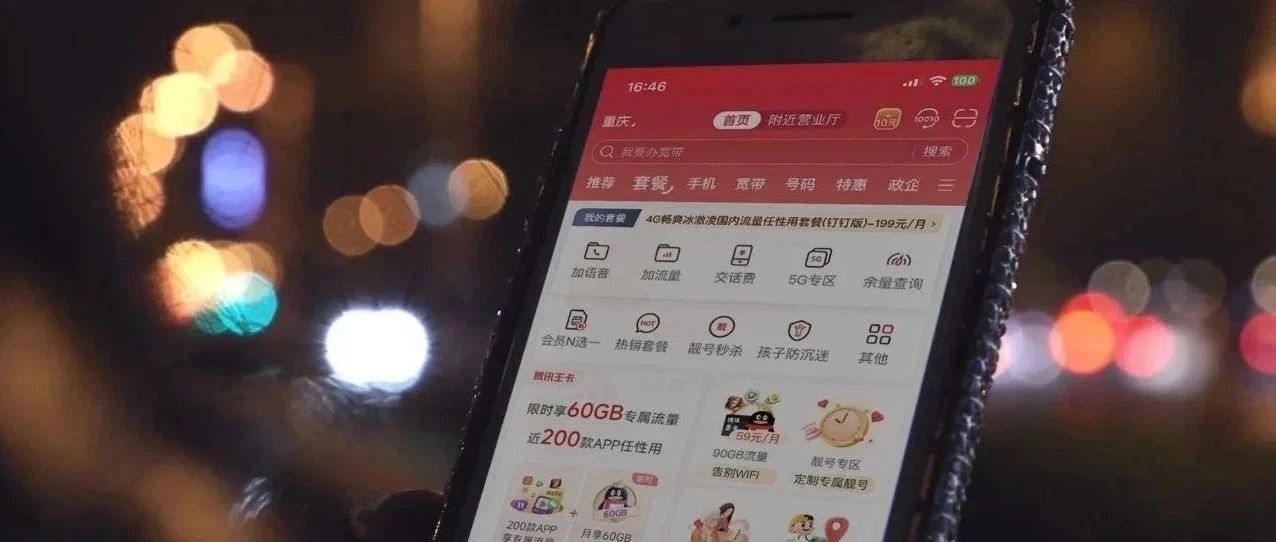
700号段来了,专为保护你的个人信息(信息服务台)
Ren Min Ri Bao· 2025-07-04 21:56
Core Viewpoint - The Ministry of Industry and Information Technology has launched a pilot program for number protection services, utilizing the 700 number range to enhance personal information protection and combat telecom fraud [1][2]. Group 1: Number Protection Service Implementation - The 700 number range will be designated for number protection services, allowing users to receive calls from temporary "privacy numbers" instead of their actual phone numbers when using services like food delivery and ride-hailing [1][3]. - The service aims to create a safer communication environment by hiding users' real phone numbers from service providers and delivery personnel, thereby reducing the risk of information leakage [1][3]. Group 2: Challenges and Solutions - Previous attempts by major internet and telecom companies to implement "intermediate numbers" faced challenges, including user confusion over whether a number is an "intermediate number" or the actual number, and a lack of standardized technical implementation [2]. - The pilot program seeks to establish a sustainable framework for high-quality business development while ensuring compliance and preventing telecom fraud, thereby protecting user rights and meeting the demand for personal information protection [2][3]. Group 3: Pilot Program Structure - The pilot program will be rolled out in three phases: a 3-month preparation phase, a 3-month transition phase, and a 2-year formal pilot phase, with the goal of fully transitioning to the 700 number range for number protection services after the transition phase [3]. - The implementation of the number protection service will not interfere with normal communication, as both parties will see the "intermediate number" during calls, ensuring privacy while maintaining service functionality [3].
15位电话号码,要来了
券商中国· 2025-07-04 15:55
Core Viewpoint - The Ministry of Industry and Information Technology has initiated a pilot program for number protection services, aimed at reducing the risk of personal phone number leakage by providing temporary numbers for users [1][2]. Group 1: Overview of Number Protection Service - Number protection service allows internet platform companies to assign temporary numbers (referred to as "intermediate numbers" or "privacy numbers") to users, which replace their real phone numbers for communication [1][2]. - The service is designed to be used in various online and offline scenarios where personal phone number protection is necessary [2]. Group 2: Implementation and Identification - The Ministry has designated the 700 number range as a dedicated resource for number protection services, which will have a specific format to distinguish it from regular phone numbers [3][4]. - Users can identify if they are using the number protection service by recognizing the 15-digit format starting with "700" during calls [3]. Group 3: Application Scenarios - In ride-hailing services, drivers and passengers can communicate through a temporary "intermediate number," keeping their actual phone numbers hidden [5]. - In e-commerce, platforms can generate a temporary number to conceal the actual phone number of the recipient during order fulfillment and delivery [5]. - In food delivery services, a temporary number is also used to protect the consumer's phone number from being disclosed to merchants and delivery personnel [5]. Group 4: Communication Process - The number protection service does not interfere with normal communication, allowing service personnel to contact users without accessing their actual phone numbers [6]. - When using the "intermediate number," both parties see the temporary number, while the network translates it to the actual number for communication [6].

15位长的电话号码,要来了
中国基金报· 2025-07-03 16:00
Core Viewpoint - The Ministry of Industry and Information Technology (MIIT) is initiating a pilot program for number protection services to enhance personal information security and reduce the risk of mobile number leakage through temporary numbers, also known as "intermediate numbers" or "privacy numbers" [1][4]. Group 1: Pilot Program Overview - The number protection service aims to provide temporary numbers for users of platforms like express delivery, takeout, and ride-hailing services, thereby facilitating communication while protecting users' real phone numbers [3][4]. - The MIIT has designated the 700 number range as a dedicated resource for this service, with a management length of 11 digits and a usage length of 15 digits [1][11]. Group 2: Participants in the Pilot - The service involves three main participants: application platform providers, basic platform providers, and business users [5][6]. - Application platform providers will create the service platform and manage the relationship between real and temporary numbers, while basic platform providers will handle the technical aspects of communication [5][6]. Group 3: Conditions for Participation - Companies wishing to participate as application platform providers must meet specific criteria, including legal establishment, sufficient funding, and relevant experience in telecommunications [8]. - Basic platform providers must hold a mobile communication business license to participate in the pilot [9]. Group 4: Implementation Timeline - The pilot program will unfold in three phases: a preparation phase lasting three months, a transition phase also lasting three months, and a formal pilot phase lasting two years [12][13]. - During the transition phase, existing services must migrate to the new number range, and only approved companies can conduct number protection services thereafter [12]. Group 5: Regulatory Requirements - All participants must adhere to regulations regarding number resource management, anti-fraud measures, and user privacy [14]. - Application platform providers are required to manage number resources responsibly and ensure that temporary numbers are not used for unsolicited commercial communications [15][16]. Group 6: Responsibilities of Participants - Application platform providers must establish contracts with business users, detailing the service scope and compliance measures [15]. - Basic platform providers are responsible for ensuring the technical infrastructure supports the new service and maintains accurate records of usage data [21][22]. - Business users must ensure that the temporary numbers are used solely for the intended purpose and not for fraudulent activities [23][24]. Group 7: Oversight and Future Developments - Local communication management bureaus will oversee the compliance of application platform providers and business users [25]. - The MIIT will refine policies based on the pilot's outcomes and consider formal implementation of the number protection service [26].

15位长的电话号码,要来了
财联社· 2025-07-03 15:07
Core Viewpoint - The Ministry of Industry and Information Technology (MIIT) is initiating a pilot program for number protection services to reduce the risk of personal phone number leakage through temporary numbers, also known as "intermediate numbers" or "privacy numbers" [1] Group 1: Number Protection Service Overview - Number protection service involves assigning temporary numbers to users on behalf of internet platform companies and other organizations, allowing communication without revealing the user's real phone number [1] - The service aims to mitigate risks associated with personal data exposure in sectors like express delivery, food delivery, and ride-hailing [1] Group 2: Implementation and Regulation - The MIIT has designated the 700 number range for number protection services, with a management length of 11 digits and a usage length of 15 digits to distinguish from fixed and mobile user numbers [1] - All participating entities are required to comply with regulations on number resource management, prevention of telecom network fraud, real-name registration, and control of unsolicited commercial electronic information [1]

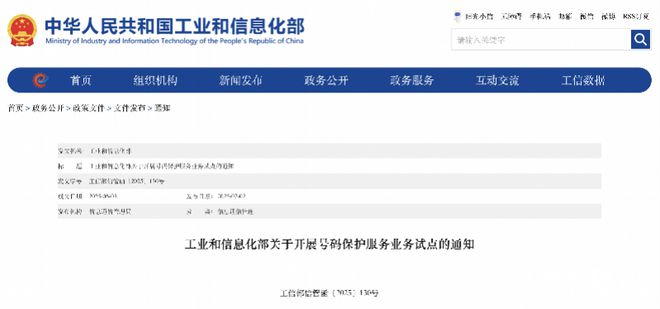
工信部:规划700号段作为号码保护服务业务的专用码号资源
Nan Fang Du Shi Bao· 2025-07-03 13:32
Core Viewpoint - The Ministry of Industry and Information Technology (MIIT) of China has issued a notice to initiate a pilot program for number protection services to enhance personal information protection and manage telecom resources effectively [1][3]. Group 1: Number Protection Service Overview - The number protection service aims to reduce the risk of personal information leakage and telecom fraud by providing users with temporary numbers (referred to as "intermediate numbers" or "privacy numbers") for communication with service providers [2][3]. - This service is applicable in various online and offline scenarios, such as ride-hailing, online shopping, and food delivery, where users' real phone numbers are hidden during communication [3][4]. Group 2: Implementation Details - The MIIT has planned a dedicated 700 number range for the number protection service, which will be easily distinguishable from regular mobile numbers, with a total length of 15 digits [3][4]. - The pilot program will consist of three phases: a three-month preparation phase, a three-month transition phase, and a two-year formal pilot phase, after which all services will utilize the 700 dedicated numbers [4][5]. Group 3: Operational Management - The notice mandates strict compliance with regulations regarding number resource management, fraud prevention, and non-solicited commercial electronic information control, requiring businesses to establish relevant measures and enhance technical management [4][5]. - The daily order volume for the current number protection service in China is at least 350 million, indicating a significant demand for this service across various sectors [4].