房价调整

Search documents
房价失守!深圳楼市,终于坐不住了!
Sou Hu Cai Jing· 2025-09-07 00:18
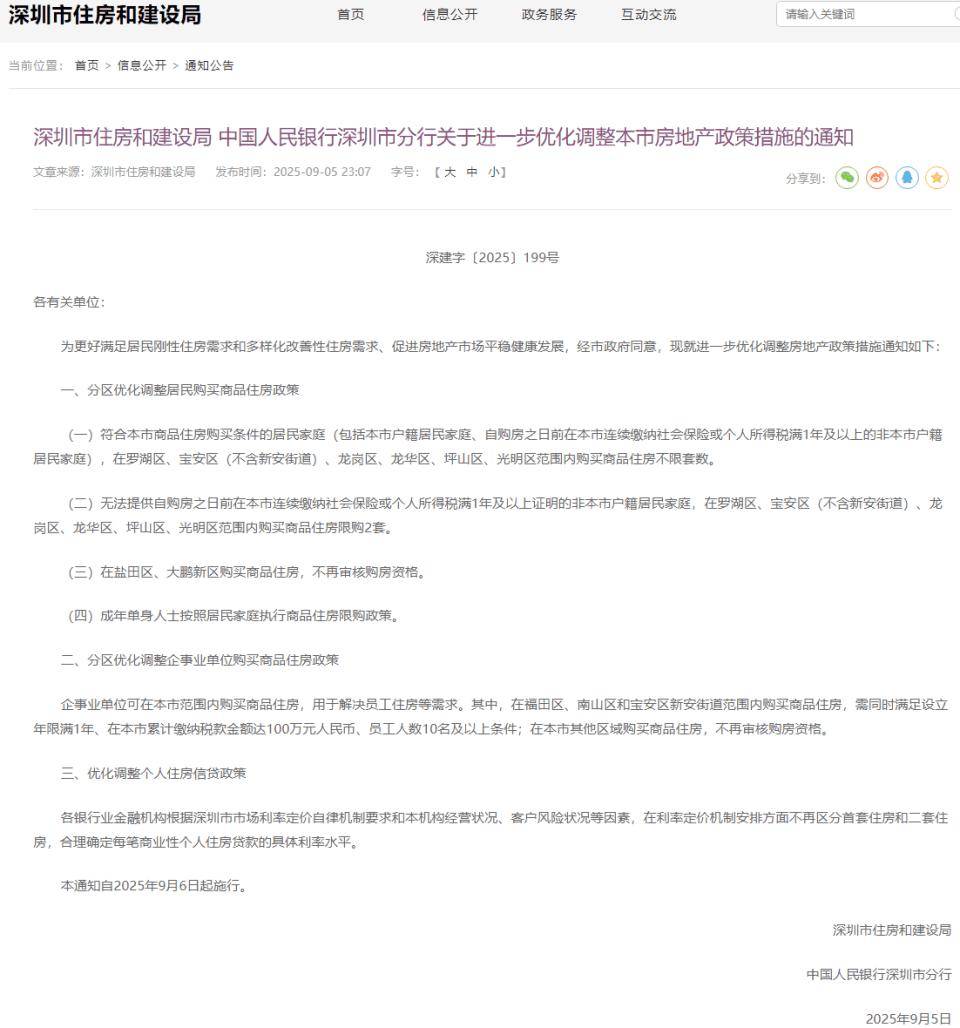
Core Viewpoint - Shenzhen's real estate market is responding to regulatory changes, with new policies introduced to stimulate housing demand and adjust market dynamics [1][11]. Policy Changes - Shenzhen's new housing policy categorizes the city into three zones: core areas (Nanshan, Futian, and Bao'an New An), peripheral areas (Luohu, Bao'an excluding New An, Longhua, Longgang, Guangming, and Pingshan), and suburban areas (Yantian, Dapeng, and Deep-Shan) [4][5][6]. - The policy allows for unlimited purchases for local residents and non-residents with one year of social security in peripheral areas, while suburban areas have no purchase restrictions for outsiders [6][8]. - Single individuals now have equal purchasing rights as families, allowing them to buy two properties in core areas if they have paid social security for one year [8]. Financial Implications - The distinction between first and second homes has been removed, aligning down payment ratios and loan rates for both categories, effectively lowering costs for second-home buyers [9][10]. - Current mortgage rates for both first and second homes are set at 3.05%, down from 3.45% for second homes, which could save buyers significant interest over time [9][10]. Market Performance - Shenzhen's housing prices have fallen below 60,000 yuan per square meter, with recent data showing a drop to 59,300 yuan in July, marking the second time since last year that prices have dipped below this threshold [16][18][21]. - The overall trend indicates a significant decline in property prices across major cities, with Shenzhen experiencing a 39.6% drop since 2016 [21]. Market Dynamics - The current market environment reflects a broader adjustment phase, with many potential buyers hesitant due to economic uncertainties and previous high prices creating a "demand gap" [37][40]. - The population decline in China, with a reduction of 208,000 in 2023, is expected to further impact the real estate market, as population growth is a key driver of housing demand [46][49]. Long-term Outlook - The recent policy changes are anticipated to have a short-term stimulating effect, but the long-term impact remains uncertain, as the market continues to adjust to economic realities and changing buyer sentiments [33][52].

苏州楼市,全脱了!
商业洞察· 2025-09-01 09:23
Core Viewpoint - The article discusses the recent policy changes in Suzhou's real estate market, highlighting the complete removal of restrictions on new housing sales, which reflects the urgency of the local housing market situation [4][6][9]. Group 1: Policy Changes - Suzhou has lifted the two-year restriction on the transfer of new housing, allowing for immediate sales [4][6]. - This policy change follows the previous removal of purchase restrictions, indicating a significant shift in the regulatory landscape for the housing market [6][9]. - The aim of these changes is to meet the improvement housing needs of residents and stimulate the declining transaction volumes in the market [11][14]. Group 2: Market Conditions - The real estate market in Suzhou has seen a drastic decline in transaction volumes, with new housing sales dropping significantly from 2020 to 2023, with a 22.3% decrease in sales area [36][37]. - The average price of new housing has also decreased from 18,500 yuan per square meter in 2021 to 16,700 yuan per square meter in 2023, a drop of 9.9% [37]. - Predictions for 2024 indicate a further decline in both new and second-hand housing transaction volumes, with new housing sales expected to decrease by approximately 26% [40]. Group 3: Financial Products and Incentives - Suzhou has introduced a set of financial products aimed at reducing the barriers to homeownership, including low down payments (15%), low interest rates (minimum 3%), and a unique low monthly payment structure [15][16][18]. - For example, a buyer purchasing a 2 million yuan home can benefit from a significantly reduced first-month payment due to these incentives, effectively halving their initial financial burden [19][28]. - This approach aims to alleviate the financial pressure on buyers while not increasing the overall cost of homeownership [30][31]. Group 4: Economic Context - Suzhou's economy remains robust, with a GDP of 2.67 trillion yuan, ranking sixth nationally, and a population of approximately 12.99 million [49][50]. - The city is recognized as the second-largest industrial hub in China, with significant industrial output surpassing that of Shanghai [54][56]. - Despite these strengths, the article suggests that the decline in housing prices is a broader reflection of market adjustments across various cities, indicating a necessary correction in the real estate sector [60][62].
房价要破“2”,GDP要被宁波超越!南京,难了
Sou Hu Cai Jing· 2025-08-27 06:18
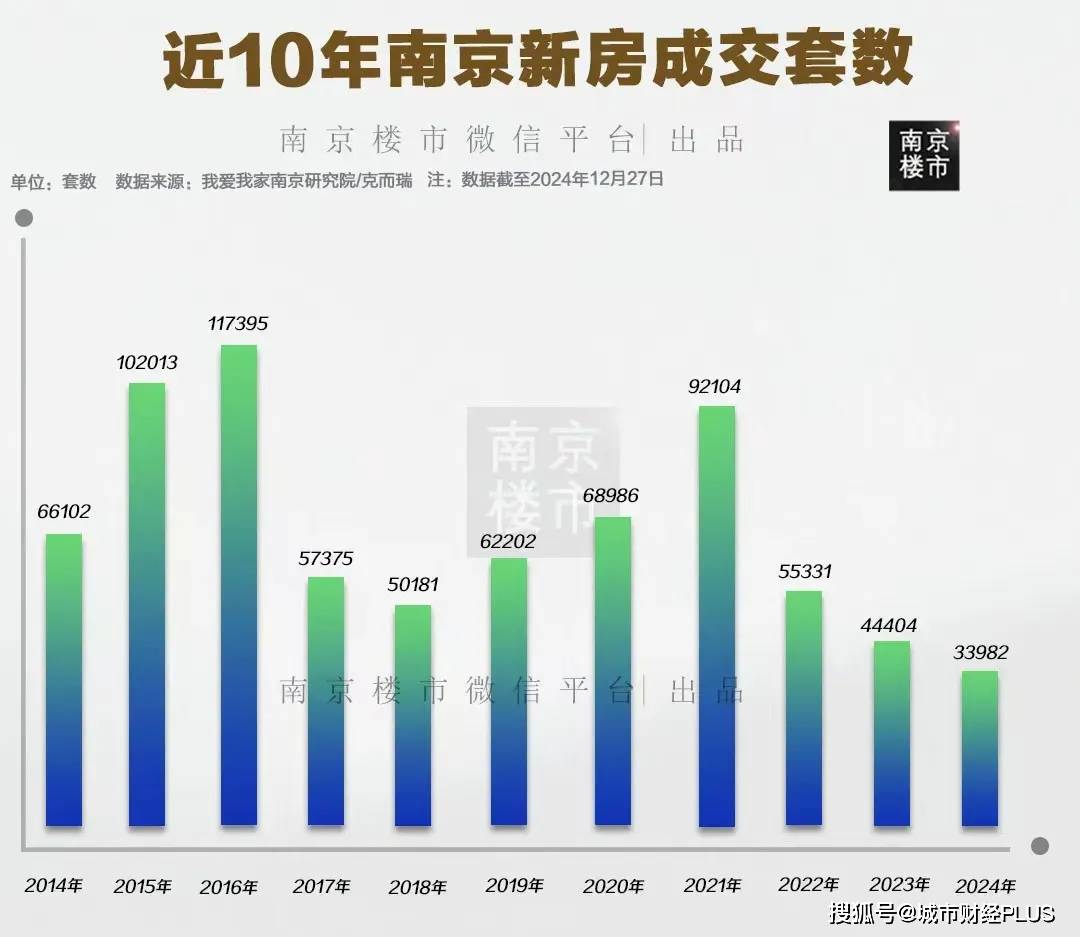
Group 1 - The core viewpoint of the article highlights the stark contrast between the booming sports enthusiasm in China and the declining real estate market in Nanjing, indicating a broader trend of falling property prices across various cities in the country [1][18]. - Nanjing's new home transaction volume peaked in 2016 at 117,395 units but has since declined, with a significant drop to 33,982 units projected for 2024 [1]. - The second-hand housing market in Nanjing also peaked in 2016 at 151,600 units, with a subsequent decline, falling below 100,000 units in recent years [3]. Group 2 - Nanjing's second-hand housing prices reached a peak average of 35,246 yuan per square meter in 2021, but have since fallen below 30,000 yuan in 2023 and are projected to drop to 23,661 yuan in 2024, marking a 20% decrease [5]. - In July 2024, Nanjing's second-hand home transactions totaled 7,263 units, reflecting a 2.6% month-on-month decline, indicating a significant contraction in the market [5]. - The article notes that the psychological threshold of 20,000 yuan per square meter is not just a numerical barrier but also represents a shift in market sentiment, with varying reactions from buyers [7]. Group 3 - The article discusses the broader trend of declining property prices across major cities, including Shenzhen, Xiamen, and Ningbo, with significant price drops observed [9][12][15]. - The underlying logic for the price declines is attributed to property prices exceeding the purchasing power of residents, leading to a market correction since 2021 [18]. - Data from the National Bureau of Statistics indicates that in April 2025, 45 cities experienced a decline in new home prices, with 64 cities seeing a drop in second-hand home prices, reflecting a widespread market downturn [19]. Group 4 - Nanjing faces increasing pressure from neighboring cities like Ningbo, which is closing the gap in GDP rankings, with projections suggesting Ningbo may surpass Nanjing in the near future [20][24]. - Key economic indicators show that while Nanjing has a higher GDP and total retail sales, Ningbo outperforms in several critical metrics, including industrial revenue and export volume [27][39]. - The article emphasizes that the strength of Ningbo's private economy and industrial base positions it favorably for future growth compared to Nanjing [35][39].
势不可当!楼市调整趋势不可逆转,房价跌至多少才会有人买?
Sou Hu Cai Jing· 2025-06-21 05:48
Core Viewpoint - The Chinese real estate market is experiencing a significant downward adjustment in the first half of 2023, with various cities showing varying degrees of price declines and a notable increase in housing supply, indicating a growing pressure of oversupply in the market [1][3]. Price Trends - In June, 91 out of 100 cities reported a decline in second-hand housing prices, with only one city remaining stable and eight cities experiencing slight increases. Specifically, first-tier cities saw a price drop of 0.13%, second-tier cities dropped by 0.27%, and third and fourth-tier cities decreased by 0.3% [1]. - The most drastic decline was observed in Dandong, Liaoning, where second-hand housing prices fell by 2% month-on-month [1]. Market Dynamics - The transaction volume in the market continues to shrink, with the number of second-hand residential listings in 13 key cities rising to 1.99 million, a 25% increase from 1.59 million at the beginning of the year. Notably, cities like Shanghai, Wuhan, and Xi'an saw increases of 82%, 72%, and 40%, respectively [1]. - A survey by the central bank revealed that only 15.9% of residents expect housing prices to rise, while 16.5% predict a decline, reflecting a growing pessimism about future price trends [1]. Consumer Behavior - The prolonged impact of the pandemic has led to a decrease in income and job losses among the middle class, resulting in a more rational approach to home buying, with consumers no longer blindly pursuing real estate [3]. - Speculators, after two years of market observation, have recognized the diminishing profitability of real estate investments, leading many to sell properties or hold cash, further exacerbating market downward pressure [3]. Price Adjustment Predictions - The extent of price adjustments varies significantly across cities. For first-tier cities like Beijing, Shanghai, and Shenzhen, prices need to drop to around 20,000 yuan per square meter to align with local income levels. Second-tier cities may need to fall to 6,000-8,000 yuan per square meter, while third and fourth-tier cities could stabilize at 3,000-4,000 yuan per square meter [5]. - Despite these predictions, there are doubts about the feasibility of such price drops, as current average prices in first-tier cities remain between 65,000-70,000 yuan per square meter, with some new properties exceeding 100,000 yuan per square meter [5]. Market Outlook - There is a divergence of opinions regarding how much further prices need to drop to attract buyers back into the market. Some believe a 20% decrease would suffice, while others argue that a drop of at least 50% is necessary due to the significant market bubble [6].
这些城市的房价还在上涨
Mei Ri Jing Ji Xin Wen· 2025-05-19 13:59
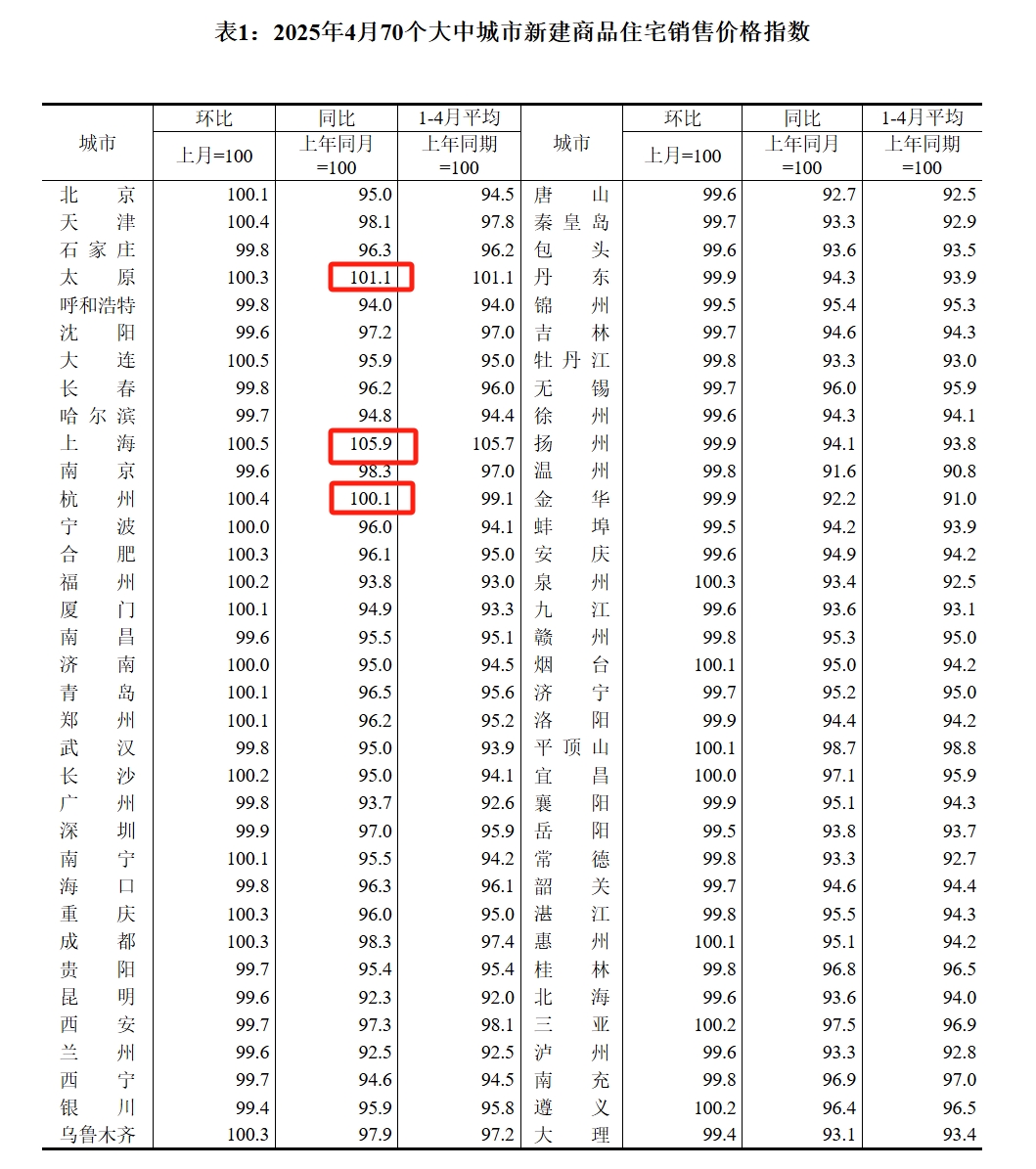
Core Insights - In April, new residential sales prices in first-tier cities remained stable, with Beijing and Shanghai experiencing slight increases of 0.1% and 0.5% respectively, while second-tier cities remained flat and third-tier cities saw a decrease of 0.2% [2][4][6] - From January to April, the total sales area of new residential properties nationwide was approximately 283 million square meters, a year-on-year decrease of 2.8%, while sales revenue exceeded 2.7 trillion yuan, down 3.2% year-on-year, indicating a stable trend overall [2][3] - The real estate market is undergoing a phase of adjustment, with core cities showing resilience in demand, and some regions experiencing moderate price increases, suggesting potential opportunities for high-quality development in the sector [3][4] Price Trends - In April, 22 out of 70 cities saw an increase in new residential prices, with Dalian and Shanghai both rising by 0.5%, and cities like Tianjin and Hangzhou increasing by 0.4% [4][6] - Year-on-year, first-tier cities saw a price decline of 2.1%, with only Shanghai showing an increase of 5.9%, while Beijing, Guangzhou, and Shenzhen experienced declines of 5.0%, 6.3%, and 3.0% respectively [7][9] - The second-hand housing market showed a mixed performance, with cities like Shanghai, Chengdu, and Hangzhou demonstrating strong resilience, while the overall number of cities with rising second-hand prices decreased to five in April [9][10] Market Dynamics - The performance of the real estate market is characterized by two types of resilient cities: high-tier cities like Shanghai and Hangzhou, and stable markets that have not experienced significant fluctuations [4][7] - The recent data indicates that the second-hand housing market's recovery needs to be consolidated, with a focus on leveraging various policies to promote price increases in more cities [9][11] - The overall sentiment in the market remains cautiously optimistic, with signs of potential recovery driven by favorable policies and demand upgrades [3][4][7]
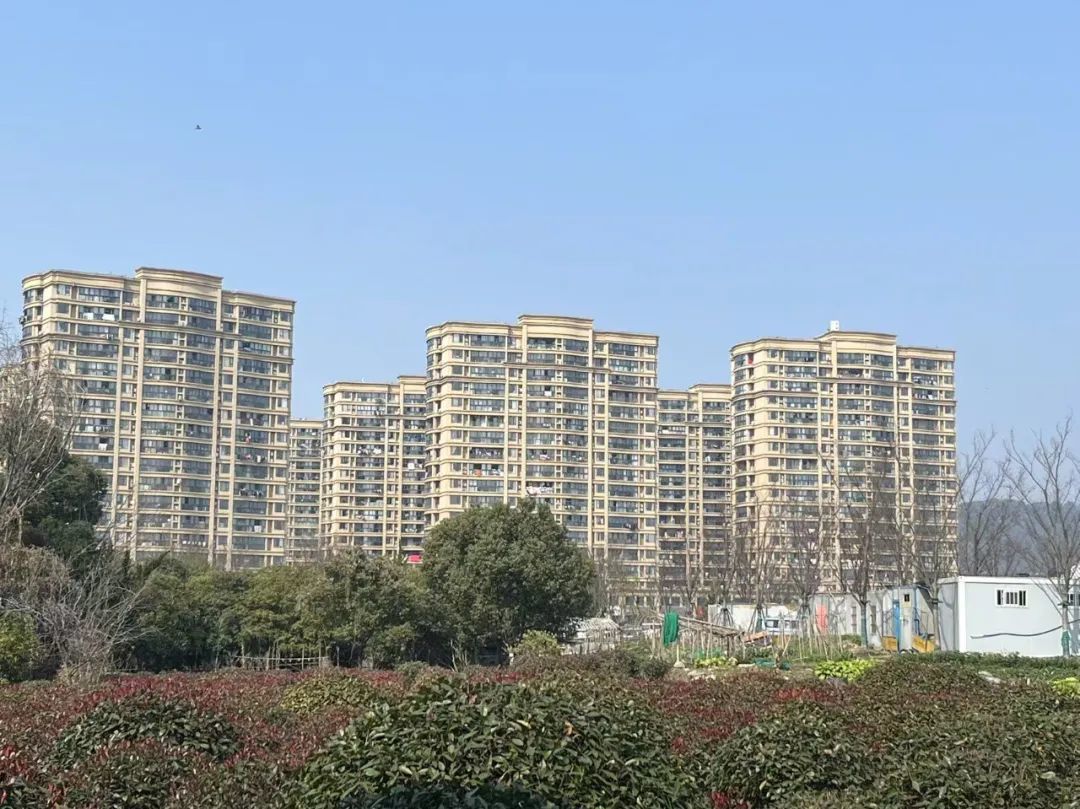
统计局最新数据:4月份房价上涨城市减少,二手房调整态势更明显
3 6 Ke· 2025-05-19 02:36
Core Insights - The latest data from the National Bureau of Statistics indicates that in April, 22 out of 70 large and medium-sized cities saw a month-on-month increase in new residential prices, a decrease of 2 from the previous month, with Beijing shifting from a decline to an increase [1] - In the second-hand housing market, only 5 cities experienced month-on-month price increases, a decrease of 5 from the previous month, with both Beijing and Shenzhen shifting from increases to declines [1] - The overall trend shows that the sales prices of new residential properties in first-tier cities remained stable or slightly decreased, with year-on-year declines continuing to narrow [1][3] New Residential Prices - In April, new residential prices in first-tier cities remained flat month-on-month, with Beijing and Shanghai increasing by 0.1% and 0.5% respectively, while Guangzhou and Shenzhen decreased by 0.2% and 0.1% [1] - Year-on-year, new residential prices in first-tier cities decreased by 2.1%, with Shanghai showing a 5.9% increase, while Beijing, Guangzhou, and Shenzhen saw declines of 5.0%, 6.3%, and 3.0% respectively [3] Second-hand Residential Prices - In April, second-hand residential prices in first-tier cities decreased by 0.2% month-on-month, with Shanghai increasing by 0.1%, while Beijing and Shenzhen saw declines of 0.6% and 0.3% respectively [1] - Year-on-year, second-hand residential prices in first-tier cities decreased by 3.2%, with declines in Beijing, Shanghai, Guangzhou, and Shenzhen of 1.0%, 0.6%, 7.4%, and 3.7% respectively [3] Market Analysis - The analysis indicates a divergence within first-tier cities, with Beijing and Shanghai showing some resilience in their new housing markets, suggesting underlying support factors [3][6] - The second-tier cities are relatively stable, but the second-hand market is experiencing a decline in transaction activity, indicating a need for policy stimulation or economic improvement [3][7] - The land market in core cities like Hangzhou is heating up, with significant increases in land prices, which is expected to influence the new housing price structure positively [7]
跌破1.7万!苏州楼市,急了
城市财经· 2025-03-13 03:43
Core Viewpoint - Suzhou has initiated a new round of market rescue measures for 2025, focusing on lowering the barriers for home purchases through innovative financial products aimed at young people and new residents [1][14]. Group 1: Financial Products - The "three lows and one wide" financial products include low down payment (15%), low interest rates (minimum commercial loan rate of 3%), low monthly payments (minimum repayment of 100 yuan principal for the first five years), and extended repayment terms [2][3][4]. - An example illustrates that for a 2 million yuan home, the down payment would be 300,000 yuan, with 80,000 yuan covered by talent housing vouchers, leading to a loan of 1.7 million yuan at a 3% interest rate. The first month's payment would be reduced from 8,972 yuan to 4,350 yuan, a decrease of approximately 51% [5][10]. Group 2: Real Estate Market Trends - Suzhou's average second-hand housing price has fallen below 17,000 yuan per square meter, with significant price drops observed since 2019 [15][28]. - From 2019 to 2023, the total transaction area of commercial housing in Suzhou decreased from 21.92 million square meters to 17.04 million square meters, a decline of 22.3% [21]. - The average price per square meter dropped from 18,506 yuan in 2021 to 16,681 yuan in 2023, reflecting a 9.9% decrease [22]. Group 3: Economic and Industrial Strength - Suzhou ranks second nationally in industrial strength, with a total industrial output value exceeding 4.7 trillion yuan in 2024, surpassing Shanghai [34]. - The city has a significant number of industries with output exceeding 100 billion yuan, ranking second in the country, with a notable presence in high-tech manufacturing [38][40]. - Despite strong industrial performance, the overall housing market is experiencing a downturn, indicating a disconnect between economic strength and housing prices [41][44].