
核问题

Search documents
外媒:伊朗和美国代表团已在阿曼开始谈判
Zhong Guo Xin Wen Wang· 2026-02-06 08:08
Core Viewpoint - Negotiations between Iran and the United States have commenced in Oman, focusing on nuclear issues and the lifting of sanctions against Iran [1] Group 1: Negotiation Details - The Iranian delegation is led by Foreign Minister Amir-Abdollahian, while the U.S. delegation is headed by Middle East Special Envoy Steve Hanke [1] - The talks are described as indirect negotiations, specifically limited to nuclear matters and sanctions relief [1] Group 2: Context and Background - The U.S. government has recently issued military threats towards Iran and has increased military presence in the region, urging Iran to negotiate and reach an agreement promptly [1] - The negotiations are taking place in Muscat, the capital of Oman, as confirmed by Iranian officials [1]
美政府发布警告:敦促美国公民尽快离开伊朗,如暂无法离境,应就地避险,储备必要物资!
Xin Lang Cai Jing· 2026-02-06 05:16
Group 1 - The U.S. government has been issuing military threats against Iran and increasing military presence in the region, urging Iran to negotiate and reach an agreement [1][2] - A nuclear negotiation between the U.S. and Iran is scheduled for February 6 in Muscat, Oman, with indirect talks involving Iranian Foreign Minister Zarif and U.S. Special Envoy Hook [1][2] - The White House has stated that achieving "zero nuclear capability" is a key goal for President Trump, who is exploring various options beyond diplomacy [11][12] Group 2 - U.S. officials have not clarified Trump's ultimate demands regarding Iran, including whether he seeks regime change or stricter limits on Iran's nuclear and missile programs [2][12] - The upcoming talks are expected to cover nuclear projects, ballistic missiles, regional activities, and human rights issues, although Iran has rejected discussions on topics outside of nuclear issues [2][12] - The U.S. continues to deploy aircraft carriers, fighter jets, and defense systems to the Middle East as a response to regional tensions, with allies urging for negotiations to avoid conflict [2][12] Group 3 - The U.S. State Department has issued a warning for American citizens to leave Iran and avoid travel to Afghanistan and Iraq due to heightened security concerns [3][13] - Dual nationals must use Iranian passports to exit Iran, as the country does not recognize dual citizenship, increasing the risk of detention for U.S. citizens [5][13] - Several countries, including Saudi Arabia and Qatar, are advocating for a non-aggression agreement between the U.S. and Iran during the upcoming negotiations [14][16] Group 4 - The negotiations in Oman are expected to involve multiple Middle Eastern countries, which have drafted a framework for a non-aggression agreement that includes commitments from both the U.S. and Iran [16] - The core differences between the U.S. and Iran remain unresolved, with the U.S. demanding Iran to completely abandon uranium enrichment while Iran insists on its right to peaceful nuclear energy [8][16] - Following the news, gold prices rebounded to $4,800, and international oil prices also began to rise [8][18]

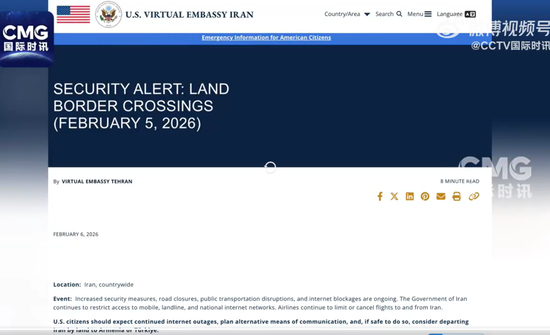
伊朗突发!美国国务院:尽快离开!石油、黄金集体反攻!
券商中国· 2026-02-06 03:08
Core Viewpoint - The situation in Iran remains tense, with the U.S. urging its citizens to leave the country while diplomatic talks regarding Iran's nuclear program are ongoing in Oman [1][2]. Group 1: U.S. and Iran Relations - The U.S. State Department has issued a security warning for American citizens in Iran, advising them to leave and prepare for self-reliance in evacuation plans [1]. - Iran's Foreign Minister, Amir-Abdollahian, is leading a delegation to Oman for negotiations with the U.S. on nuclear issues, aiming for a fair and mutually acceptable agreement [2]. - U.S. President Trump has indicated that Iran is considering establishing new nuclear facilities, warning of potential U.S. action if this occurs [2]. Group 2: Military Preparedness - Israeli Prime Minister Netanyahu stated that Israel is prepared for a "very severe strike" against Iran, with current military readiness exceeding that of previous actions [2]. - Iranian military spokesperson Akraminia warned that U.S. military bases in the Middle East are vulnerable to attacks and that Iran is prepared for any scenario, including conflict [5]. - Iran has showcased its military capabilities, including the "Khoramshahr-4" ballistic missile, which has a range of 2000 kilometers and is a key component of its deterrent strategy [5]. Group 3: Market Reactions - Following the news of heightened tensions, spot gold prices rose to $4777.31 per ounce, rebounding over $100 from a low of $4655.31 [3]. - International oil prices also reversed course, with Brent crude increasing from $66.9 to $67.5 [3]. Group 4: Regional Developments - Iran's Islamic Revolutionary Guard Corps has seized two foreign oil tankers in the Persian Gulf, citing fuel smuggling, amidst a backdrop of heightened regional tensions [6].

伊朗坚持只谈核问题
Xin Lang Cai Jing· 2026-02-05 20:15
Group 1 - The core issue in the upcoming negotiations between Iran and the U.S. is the scope of discussions, with Iran insisting on focusing solely on nuclear issues while the U.S. demands the inclusion of Iran's ballistic missile program [1] - Iranian officials express that limiting the development of ballistic missile programs poses a greater obstacle than uranium enrichment in the negotiations [1] - The U.S. has set three non-negotiable demands regarding Iran's nuclear program: no development of nuclear weapons, no uranium enrichment, and no possession of enriched uranium [1] Group 2 - Iranian military leadership has shifted its military doctrine from defensive to offensive, indicating readiness to respond with devastating strikes against perceived enemies [2] - Recent military threats from the U.S. include the deployment of additional military forces around Iran and calls for swift negotiations [2] - Following a significant conflict with Israel, Iran has conducted multiple missile and drone strikes in retaliation, highlighting the escalating military tensions in the region [2]
一波三折 美伊定于6日在阿曼举行间接谈判
Xin Lang Cai Jing· 2026-02-05 12:03
Group 1 - The core issue of the negotiations between the US and Iran revolves around the location and format of the talks, with the US preferring Turkey and a multilateral approach, while Iran insists on Oman and a bilateral focus on nuclear issues [1][2] - The negotiations, initially set to take place in Istanbul with multiple observers, were nearly canceled due to disagreements over these terms, but were ultimately rescheduled for June 6 in Muscat, Oman, following intervention from regional leaders [1] - The ongoing stalemate has raised concerns in the Middle East about potential military actions from the US, prompting at least nine regional countries to urge the US to proceed with the talks [1] Group 2 - US Secretary of State Rubio emphasized that the negotiations must include Iran's ballistic missile program, while Iran insists the discussions should focus solely on its nuclear program and the lifting of US sanctions [2] - Iranian military officials have stated that they have enhanced their deterrent capabilities through comprehensive upgrades to their ballistic missile technology, preparing for any potential actions from adversaries [2] - The uncertainty surrounding the negotiations has drawn significant attention from participants at the World Government Summit, with regional leaders expressing hope for progress to maintain stability in the area [2]
伊朗:只谈核问题
中国能源报· 2026-02-05 09:39
Group 1 - The core viewpoint of the article is that Iran is set to engage in nuclear negotiations with the United States, focusing solely on nuclear issues, while the U.S. insists on including Iran's ballistic missile program in the discussions [1][3]. - Iranian officials have stated that their missile program will not be part of the negotiations, emphasizing that the U.S. insistence on discussing non-nuclear issues could jeopardize the talks [3][4]. - Iran maintains that it does not seek to develop nuclear weapons and insists on its right to peaceful nuclear energy, despite U.S. demands that include no nuclear weapon development, no uranium enrichment, and no possession of enriched uranium [4][5]. Group 2 - The Iranian military has reportedly enhanced its deterrent capabilities through comprehensive upgrades to its ballistic missile technology, indicating a shift in military strategy from defensive to offensive following recent conflicts with Israel [5]. - The U.S. has been increasing military presence around Iran and has issued threats, urging Iran to negotiate and reach an agreement promptly [5].
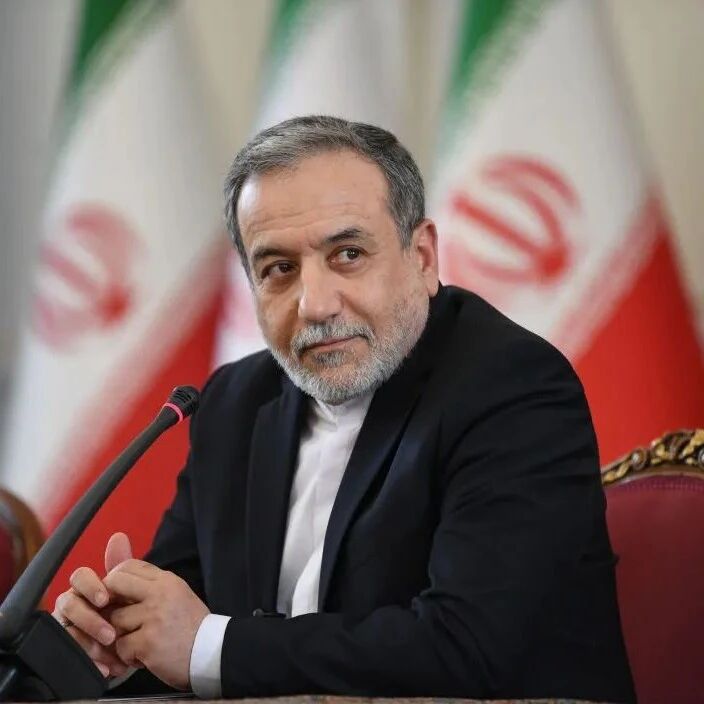
美伊谈判在即 伊朗:只谈核问题
Xin Hua Wang· 2026-02-05 09:13
Group 1 - Iran's Foreign Minister Zarif announced negotiations with the U.S. on nuclear issues scheduled for February 6 in Muscat, Oman [1] - The main disagreement lies in Iran's insistence that discussions focus solely on nuclear issues, while U.S. Secretary of State Pompeo insists on including Iran's ballistic missile program [1][3] - Iranian officials stated that the missile program is "not on the negotiation table" and emphasized that non-nuclear issues could jeopardize the talks [3] Group 2 - Iran is willing to show flexibility on uranium enrichment for peaceful purposes, despite U.S. demands that include no nuclear weapons, no uranium enrichment, and no possession of enriched uranium [3] - Iranian military leadership has indicated that they have enhanced deterrent capabilities through comprehensive upgrades to their ballistic missile technology [3] - Following recent military threats from the U.S., Iran has prepared to respond to any actions from adversaries, shifting its military posture from defensive to offensive [3][4]
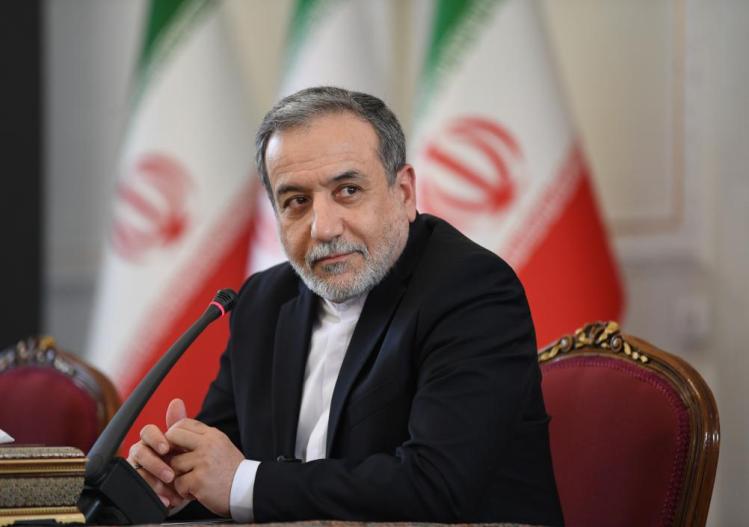
美伊谈判在即 伊朗:只谈核问题
Xin Hua She· 2026-02-05 08:30
Group 1 - Iran's Foreign Minister Zarif announced nuclear negotiations with the U.S. scheduled for October 6 in Muscat, Oman, focusing solely on nuclear issues [1] - U.S. Secretary of State Rubio insists that discussions must also include Iran's ballistic missile program, which Iran's officials claim is "not on the negotiation table" [3] - Iranian officials express that limiting the development of ballistic missile programs poses a greater obstacle than uranium enrichment issues, emphasizing their willingness to show flexibility on uranium enrichment for peaceful purposes [3] Group 2 - The U.S. demands from Iran include a "three no's" policy: no nuclear weapons, no uranium enrichment, and no possession of enriched uranium, while Iran maintains its right to peaceful nuclear energy [3] - Iranian military leadership has stated that they are prepared to respond to any enemy actions, indicating a shift from a defensive to an offensive military doctrine following recent conflicts with Israel [5] - The U.S. has increased military presence around Iran and has issued threats, urging Iran to negotiate and reach an agreement [5]
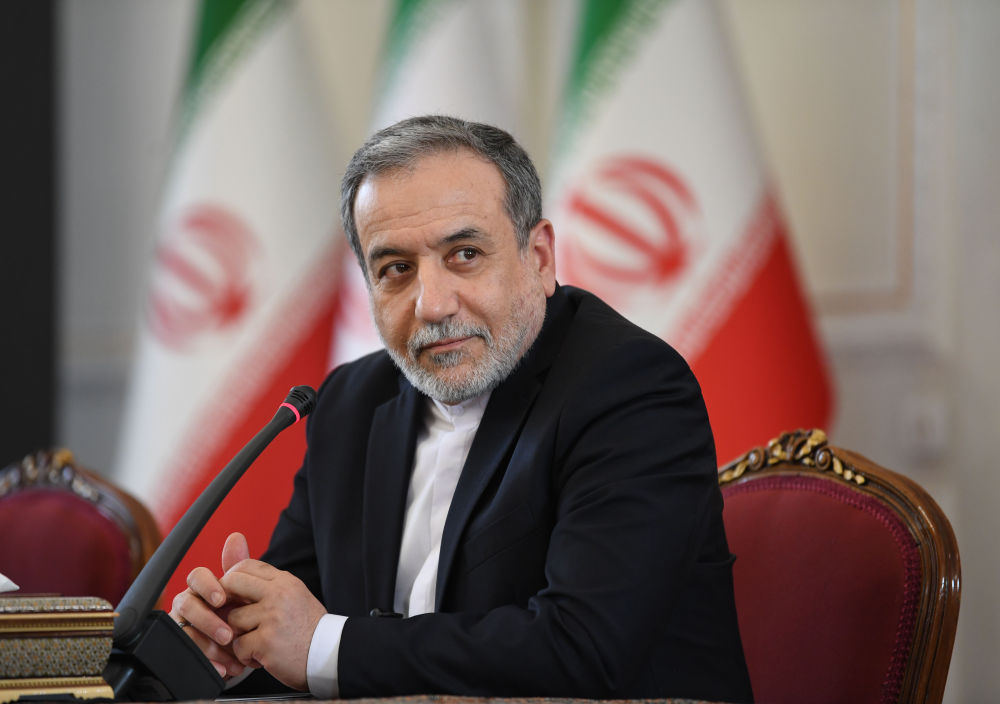
关于谈判内容,美伊仍有很大分歧
Xin Lang Cai Jing· 2026-02-05 07:38
Core Viewpoint - Iran is set to hold nuclear negotiations with the United States in Muscat, Oman, on June 6, with key disagreements centered around the scope of discussions, particularly regarding Iran's ballistic missile program [1][6]. Group 1: Negotiation Dynamics - Iran insists that the negotiations should focus solely on nuclear issues, while U.S. Secretary of State Rubio emphasizes that discussions must also include Iran's ballistic missile program [1][6]. - An Iranian official stated that the missile program is "not on the negotiation table," indicating a firm stance on the matter [3][8]. - Iran is willing to show flexibility on uranium enrichment for peaceful purposes, contrasting with U.S. demands that include a prohibition on nuclear weapons development, uranium enrichment, and possession of enriched uranium [3][8]. Group 2: Military Posture and Threats - Iran's military leadership has indicated that they have enhanced their deterrent capabilities through comprehensive upgrades to their ballistic missile technology [3][8]. - Following the recent conflict with Israel, Iran's military doctrine has shifted from a defensive to an offensive posture, with threats of severe retaliation against adversaries [3][9]. - The U.S. has been increasing military presence around Iran and issuing threats, urging Iran to engage in negotiations and reach an agreement [3][8].
伊美将在阿曼恢复谈判
Xin Lang Cai Jing· 2026-02-05 05:51
伊朗总统佩泽希齐扬3日表示,已指示外交部长阿拉格齐同美国进行"公平公正谈判"。佩泽希齐扬在社 交媒体上发文称,"鉴于地区友好政府要求对美国总统特朗普提出的谈判建议作出回应",他作出上述指 示。他称,谈判的前提是存在"不受威胁且没有不合理预期的适宜环境"。 关于谈判内容,伊朗官员强调称,主要议题仍是核问题,伊朗最重要的要求之一仍然是解除美国制裁。 据伊朗媒体4日报道,伊朗议会前副议长莫塔哈里日前在接受采访时表示,伊朗对谈判内容有明确底 线,涉及保留铀浓缩权、导弹射程以及支持"抵抗轴心"等问题。他还称:"伊朗不会在这些问题上作出 任何让步,也永远不会承认以色列"。 据阿克西奥斯新闻网站3日报道,伊朗此前希望与美方进行双边会谈,"而不是还有几个阿拉伯和伊斯兰 国家作为观察员"。但这一与美方直接对话的形式并不在谈判议程上。一名伊朗官员表示,伊朗之所以 不希望更多国家参与谈判,是担心随着更多国家参与,谈判过程将无法聚焦,反而变成一场"政治表 演"。 本报驻伊朗特约记者 包小龙 本报记者 李迅典 伊朗学生通讯社4日报道称,伊朗和美国6日在阿曼的谈判计划已经敲定,谈判形式和前几轮相同。前一 日,美国阿克西奥斯新闻网站援引阿 ...