
弹道导弹计划

Search documents
美伊日内瓦谈判生死局:美军航母压境,伊朗暗示“新让步”能否换来和平?
Jin Shi Shu Ju· 2026-02-26 10:09
Group 1 - The latest round of negotiations between Iran and the U.S. in Geneva aims to resolve the long-standing nuclear dispute and prevent potential military action by the U.S. against Iran [1] - The U.S. has deployed significant military forces in the region, the largest since the 2003 invasion of Iraq, raising concerns about broader regional conflict [4] - U.S. Secretary of State Rubio highlighted that Iran's refusal to discuss its ballistic missile program is a major issue that must be addressed, as these missiles are designed to target the U.S. and threaten regional stability [2] Group 2 - Iranian Foreign Minister Zarif stated that an agreement is within reach, but prioritizing diplomatic means is essential [5] - Iran is reportedly offering new concessions in exchange for sanctions relief and recognition of its uranium enrichment rights, aiming to avoid U.S. attacks [5] - The Iranian leadership insists that its nuclear program remains within the scope of the Treaty on the Non-Proliferation of Nuclear Weapons (NPT), which allows for civilian nuclear activities in exchange for abandoning atomic weapons [6]
伊朗拒谈导弹成最大隐患?鲁比奥疑似发出“最后通牒”
Jin Shi Shu Ju· 2026-02-26 07:09
Group 1 - The core issue highlighted is Iran's refusal to discuss its ballistic missile program, which U.S. Secretary of State Rubio considers a significant problem ahead of negotiations aimed at preventing military action against Iran [1] - Rubio emphasized that Iran possesses "thousands of short-range ballistic missiles" that threaten U.S. forces and allies in the region, along with naval assets that could threaten shipping and U.S. naval operations [1] - The upcoming negotiations in Geneva will primarily focus on Iran's nuclear program, with the U.S. hoping to make progress despite the challenges posed by Iran's missile program [1] Group 2 - Rubio criticized Iran's pursuit of uranium enrichment, asserting that the country does not need nuclear energy given its abundant natural gas resources [2] - Iran maintains that its nuclear program is for peaceful purposes and insists on its right to enrich uranium under the Non-Proliferation Treaty, while refusing to agree to U.S. demands to limit its ballistic missile program [2] - An internal Iranian source indicated that Iran has adjusted its strategy to impose significant costs on U.S. forces in the event of conflict, while still hoping for a new nuclear agreement to prevent U.S. attacks [3]
土耳其外长警告:美伊核协议“有戏”,但硬要谈导弹恐怕会引爆新战争
Jin Shi Shu Ju· 2026-02-12 07:33
Group 1 - The core viewpoint is that both the US and Iran appear willing to compromise to reach a nuclear agreement, but expanding negotiations to include Iran's ballistic missile program could lead to further conflict [1][2] - Turkish Foreign Minister Hakan Fidan indicated that the US has signaled a willingness to show flexibility on the key issue of halting Iran's uranium enrichment activities, which has been a longstanding obstacle to an agreement [1][2] - Fidan believes that Iran genuinely wants to reach a real agreement and is willing to accept limits on enrichment levels and strict verification mechanisms similar to those in the 2015 agreement [1][2] Group 2 - Recent indirect talks between US officials and Iranian Foreign Minister Abbas Araghchi were described as a positive first step, marking the first discussions since the US's military actions against Iran's nuclear facilities [2] - The initial plan for talks in Istanbul was changed to Oman at Iran's insistence, focusing solely on the nuclear program [2] - President Trump expressed mixed signals regarding the potential scope of an agreement, suggesting that a deal limited to Iran's nuclear program might be acceptable [2][3] Group 3 - Fidan emphasized the importance of addressing Iran's ballistic missile program and support for militant groups, noting that these issues are closely tied to regional security [3] - Concerns were raised about Israeli Prime Minister Netanyahu's influence on Trump during his visit to the White House, particularly regarding Israel's military superiority in the region [3] - The 2015 agreement limited Iran's uranium enrichment purity to 3.67% and its enriched uranium stockpile to 300 kilograms, but did not address other issues, allowing Iran to develop its missile program [4] Group 4 - Fidan highlighted the necessity for Iran to build trust with regional partners while negotiating with the US, as there is a significant trust gap among regional countries [5] - The Iranian leadership is aware of the dangers they face following recent conflicts and protests, which were driven largely by economic difficulties [5] - Fidan stated that US military strikes are unlikely to lead to regime change in Iran, suggesting that while the regime may suffer damage, it will continue to operate as a political entity [5]
伊朗坚持只谈核问题
Xin Lang Cai Jing· 2026-02-05 20:15
Group 1 - The core issue in the upcoming negotiations between Iran and the U.S. is the scope of discussions, with Iran insisting on focusing solely on nuclear issues while the U.S. demands the inclusion of Iran's ballistic missile program [1] - Iranian officials express that limiting the development of ballistic missile programs poses a greater obstacle than uranium enrichment in the negotiations [1] - The U.S. has set three non-negotiable demands regarding Iran's nuclear program: no development of nuclear weapons, no uranium enrichment, and no possession of enriched uranium [1] Group 2 - Iranian military leadership has shifted its military doctrine from defensive to offensive, indicating readiness to respond with devastating strikes against perceived enemies [2] - Recent military threats from the U.S. include the deployment of additional military forces around Iran and calls for swift negotiations [2] - Following a significant conflict with Israel, Iran has conducted multiple missile and drone strikes in retaliation, highlighting the escalating military tensions in the region [2]
伊朗:只谈核问题
中国能源报· 2026-02-05 09:39
Group 1 - The core viewpoint of the article is that Iran is set to engage in nuclear negotiations with the United States, focusing solely on nuclear issues, while the U.S. insists on including Iran's ballistic missile program in the discussions [1][3]. - Iranian officials have stated that their missile program will not be part of the negotiations, emphasizing that the U.S. insistence on discussing non-nuclear issues could jeopardize the talks [3][4]. - Iran maintains that it does not seek to develop nuclear weapons and insists on its right to peaceful nuclear energy, despite U.S. demands that include no nuclear weapon development, no uranium enrichment, and no possession of enriched uranium [4][5]. Group 2 - The Iranian military has reportedly enhanced its deterrent capabilities through comprehensive upgrades to its ballistic missile technology, indicating a shift in military strategy from defensive to offensive following recent conflicts with Israel [5]. - The U.S. has been increasing military presence around Iran and has issued threats, urging Iran to negotiate and reach an agreement promptly [5].

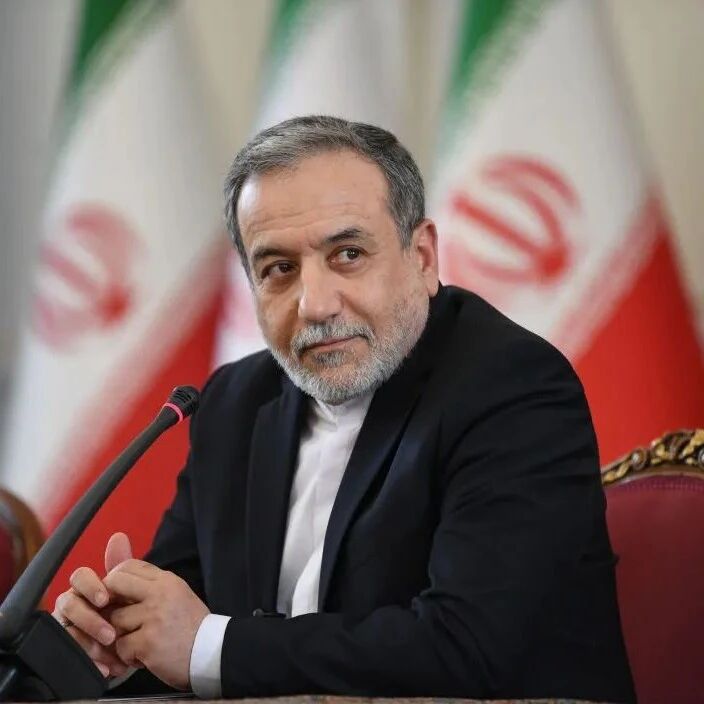
美伊谈判在即 伊朗:只谈核问题
Xin Hua Wang· 2026-02-05 09:13
Group 1 - Iran's Foreign Minister Zarif announced negotiations with the U.S. on nuclear issues scheduled for February 6 in Muscat, Oman [1] - The main disagreement lies in Iran's insistence that discussions focus solely on nuclear issues, while U.S. Secretary of State Pompeo insists on including Iran's ballistic missile program [1][3] - Iranian officials stated that the missile program is "not on the negotiation table" and emphasized that non-nuclear issues could jeopardize the talks [3] Group 2 - Iran is willing to show flexibility on uranium enrichment for peaceful purposes, despite U.S. demands that include no nuclear weapons, no uranium enrichment, and no possession of enriched uranium [3] - Iranian military leadership has indicated that they have enhanced deterrent capabilities through comprehensive upgrades to their ballistic missile technology [3] - Following recent military threats from the U.S., Iran has prepared to respond to any actions from adversaries, shifting its military posture from defensive to offensive [3][4]
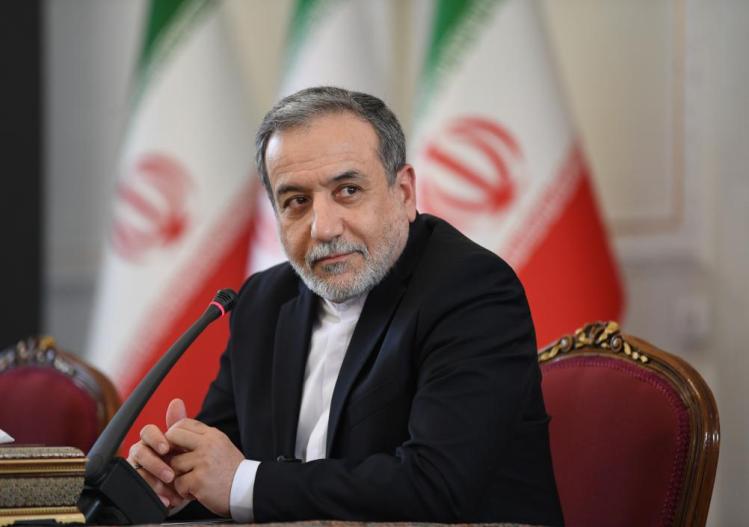
美伊谈判在即 伊朗:只谈核问题
Xin Hua She· 2026-02-05 08:30
Group 1 - Iran's Foreign Minister Zarif announced nuclear negotiations with the U.S. scheduled for October 6 in Muscat, Oman, focusing solely on nuclear issues [1] - U.S. Secretary of State Rubio insists that discussions must also include Iran's ballistic missile program, which Iran's officials claim is "not on the negotiation table" [3] - Iranian officials express that limiting the development of ballistic missile programs poses a greater obstacle than uranium enrichment issues, emphasizing their willingness to show flexibility on uranium enrichment for peaceful purposes [3] Group 2 - The U.S. demands from Iran include a "three no's" policy: no nuclear weapons, no uranium enrichment, and no possession of enriched uranium, while Iran maintains its right to peaceful nuclear energy [3] - Iranian military leadership has stated that they are prepared to respond to any enemy actions, indicating a shift from a defensive to an offensive military doctrine following recent conflicts with Israel [5] - The U.S. has increased military presence around Iran and has issued threats, urging Iran to negotiate and reach an agreement [5]
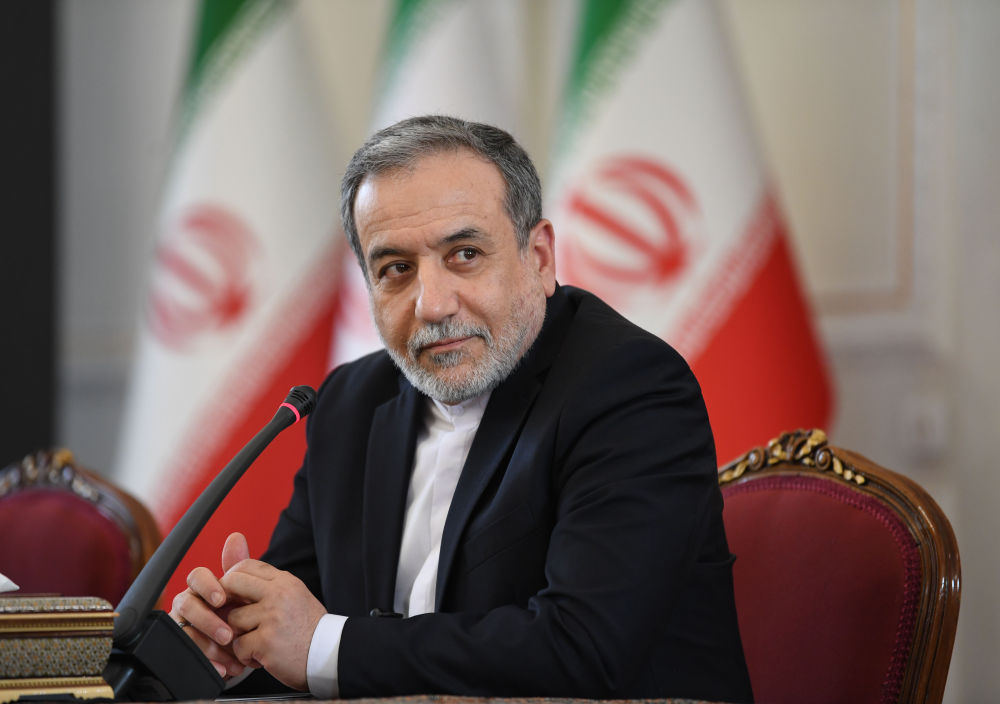
关于谈判内容,美伊仍有很大分歧
Xin Lang Cai Jing· 2026-02-05 07:38
Core Viewpoint - Iran is set to hold nuclear negotiations with the United States in Muscat, Oman, on June 6, with key disagreements centered around the scope of discussions, particularly regarding Iran's ballistic missile program [1][6]. Group 1: Negotiation Dynamics - Iran insists that the negotiations should focus solely on nuclear issues, while U.S. Secretary of State Rubio emphasizes that discussions must also include Iran's ballistic missile program [1][6]. - An Iranian official stated that the missile program is "not on the negotiation table," indicating a firm stance on the matter [3][8]. - Iran is willing to show flexibility on uranium enrichment for peaceful purposes, contrasting with U.S. demands that include a prohibition on nuclear weapons development, uranium enrichment, and possession of enriched uranium [3][8]. Group 2: Military Posture and Threats - Iran's military leadership has indicated that they have enhanced their deterrent capabilities through comprehensive upgrades to their ballistic missile technology [3][8]. - Following the recent conflict with Israel, Iran's military doctrine has shifted from a defensive to an offensive posture, with threats of severe retaliation against adversaries [3][9]. - The U.S. has been increasing military presence around Iran and issuing threats, urging Iran to engage in negotiations and reach an agreement [3][8].
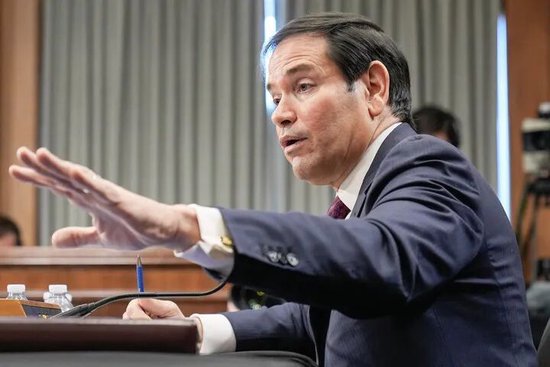
以色列官员计划向特朗普通报可能对伊朗发动新一轮打击的计划
Xin Lang Cai Jing· 2025-12-20 13:55
Core Viewpoint - Israeli officials are increasingly concerned about Iran expanding its ballistic missile program, which was previously disrupted by Israeli military strikes earlier this year [1] Group 1: Concerns about Iran's Military Capabilities - Israeli officials are preparing to report to Trump about the option of attacking Iran again due to the perceived threat from Iran's ballistic missile program [1] - There are worries that Iran is rebuilding its nuclear enrichment facilities that were bombed by the U.S. in June, but the immediate concern is the restoration of ballistic missile production facilities and damaged air defense systems [1] Group 2: Upcoming Diplomatic Engagement - Trump and Israeli Prime Minister Netanyahu are expected to meet later this month at Mar-a-Lago, where Netanyahu will likely explain the threat posed by Iran's expanding ballistic missile program and the need for prompt action [1]
法国外交部:法国呼吁伊朗立即参与谈判,以达成关于其核计划和弹道导弹计划的协议。
news flash· 2025-06-24 08:33
Core Viewpoint - France calls for Iran to immediately engage in negotiations to reach an agreement regarding its nuclear and ballistic missile programs [1] Group 1 - The French Foreign Ministry emphasizes the urgency of Iran's participation in talks [1] - The focus of the negotiations is on Iran's nuclear program and ballistic missile development [1]