
核问题

Search documents
未知机构:伊朗陆军发言人核问题绝非美国与伊朗间核心问题金十数据3月29日讯当地-20260330
未知机构· 2026-03-30 01:40
Summary of Key Points Industry or Company Involved - The discussion revolves around the geopolitical tensions between the United States and Iran, particularly focusing on Iran's military perspective and its stance on nuclear issues. Core Points and Arguments - The Iranian military spokesperson, Mohammad Akraminia, stated that the core issue between the U.S. and Iran is not the nuclear question, but rather Iran's sovereignty and independence [1] - Akraminia mentioned that during President Obama's administration, an agreement was reached between Iran and the U.S. regarding the nuclear issue [2] - He criticized former President Trump's decision to withdraw from the nuclear agreement during his first term, indicating a disregard for laws and commitments [3] - Akraminia emphasized that the Strait of Hormuz has historically been a safe and peaceful passage, but actions by the U.S. and "Zionist regime" threaten its security [4] - He also highlighted that the "Greater Israel Project" is essentially aimed at dividing regional countries, including Iran, Saudi Arabia, Iraq, and Syria [5] Other Important but Possibly Overlooked Content - The statements reflect Iran's broader geopolitical strategy and its narrative against U.S. influence in the region, which may have implications for international relations and market stability in the Middle East [6]
特朗普称美伊谈判“可能已相当接近达成协议”、伊朗同意永不拥有核武,报道称美国有意停火一个月、提15条和谈方案
美股IPO· 2026-03-25 00:52
Core Viewpoint - The article discusses the ongoing negotiations between the United States and Iran, highlighting that Iran is showing a willingness to reach an agreement, particularly regarding its nuclear program and military capabilities. The U.S. has proposed a ceasefire plan and is in discussions with various intermediaries to facilitate high-level talks with Iran. Group 1: Negotiation Status - President Trump stated that the U.S. is communicating with the "right people" and that Iran "wants to reach an agreement" [3] - Reports indicate that the U.S. is discussing a high-level peace talk with multiple intermediaries, expecting a response from Tehran soon [8] - The U.S. has presented a ceasefire proposal containing 15 points, with Iran making concessions on some key terms [9] Group 2: Conditions and Concessions - The U.S. has proposed conditions including a ban on domestic uranium enrichment and ensuring the Strait of Hormuz remains open, with Iran potentially receiving full relief from international sanctions in return [12][13] - Iran may also gain U.S. support for its civilian nuclear program and the cancellation of the "snapback" sanctions mechanism [13] Group 3: Military and Strategic Context - Trump emphasized that U.S. military actions have significantly weakened Iran's military capabilities, including missile launch and defense systems [6][16] - The current situation is described as a form of regime change, with Iran's leadership being "cleared" and lacking effective military power [7][17] - The U.S. maintains a strong position in negotiations, with the ability to further strike key Iranian infrastructure if necessary [18][22] Group 4: Regional Implications - Israel expresses caution regarding a potential agreement, fearing that the U.S. may reach a deal without fully addressing its security concerns [10] - The article notes fluctuations in international oil prices influenced by the Middle East situation, with prices dropping to a low of $87.88 per barrel [15]

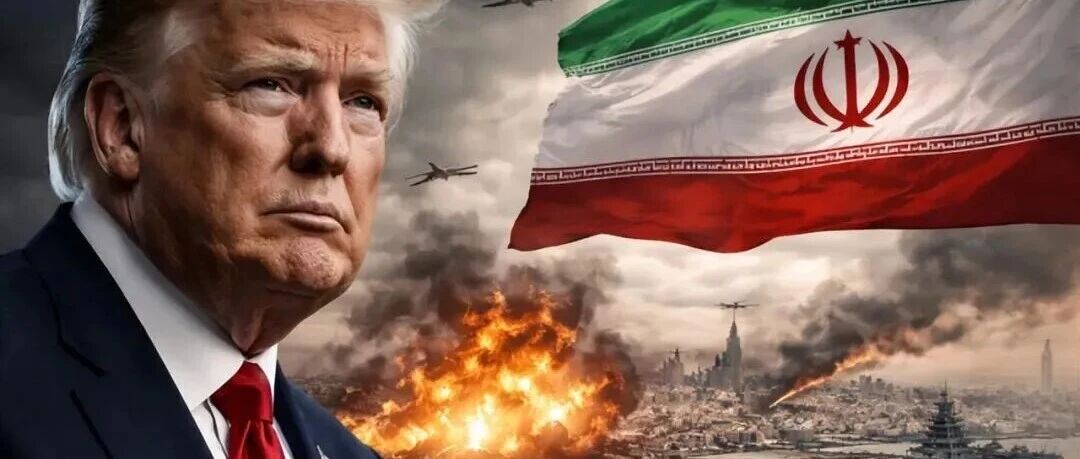
中东专家路演-中东地缘重构与大国博弈再审视
2026-03-03 02:52
Summary of Conference Call on Middle East Geopolitical Restructuring and Major Power Games Industry/Company Involved - The discussion revolves around the geopolitical dynamics in the Middle East, particularly focusing on the U.S.-Iran conflict and its implications for regional stability and global power structures. Core Points and Arguments Escalation of U.S.-Iran Conflict - The U.S.-Iran conflict has escalated to a "war-like nature," with potential impacts exceeding those of the 2003 Iraq War, as the strategic goal has shifted from "eliminating nuclear capabilities" to "overthrowing the regime" [1][2] - Iran's military response has intensified, targeting not only Israel but also all U.S. military bases in the Middle East, indicating a broader scope of conflict [1][6] Long-term Nature of the Conflict - The conflict is likely to be prolonged due to the size and resilience of Iran, making regime change through short-term military action improbable [3][5] - Both the U.S. and Iran face a "no retreat" situation, as backing down could damage their international reputations [7][8] Historical Context - The 1979 Islamic Revolution marked a pivotal shift in U.S.-Iran relations from allies to adversaries, with subsequent events like the hostage crisis solidifying a long-term antagonistic stance [1][9] Military Dynamics - The current military actions are characterized by a significant increase in intensity and scope compared to previous confrontations, with Iran employing a larger arsenal of missiles and drones [5][6] - Iran's military capabilities, particularly its missile systems, pose a substantial threat to U.S. and Israeli assets in the region [24][26] Political Stability in Iran - Iran's political system is described as one of the most stable in the Middle East, with strong institutional resilience and a combination of clerical and elected governance [22][23] - The regime is expected to withstand current pressures, supported by a strong national identity and military capabilities [28][29] Implications for Regional Power Dynamics - The conflict is seen as a critical determinant of future Middle Eastern power structures, with military strength being a fundamental factor in shaping regional dominance [29][30] - Should Israel emerge victorious, it could lead to a U.S.-Israel-dominated Middle East, diminishing China's influence in the region [31] Economic and Strategic Considerations - The economic implications of prolonged conflict could strain U.S. resources, with significant financial costs associated with military operations [33] - The potential for a shift in U.S. focus from global dominance to regional conflicts raises questions about the sustainability of American military engagement in the Middle East [32][33] Other Important but Possibly Overlooked Content - The assassination of Iranian leader Menai is viewed as a risky escalation that could provoke widespread sectarian backlash across the region [5] - The conflict's duration is expected to exceed previous confrontations, with predictions suggesting it could last significantly longer than the 12 days of the June 2025 conflict [9] - The interplay between U.S. domestic politics and foreign policy decisions regarding Iran is highlighted, suggesting that internal pressures may influence military actions [20][21] This summary encapsulates the key points discussed in the conference call, providing a comprehensive overview of the current geopolitical landscape in the Middle East and its implications for global power dynamics.
美伊局势突变-中东专家火线解读-战争影响及后续展望
2026-03-01 17:22
Summary of Key Points from the Conference Call Industry or Company Involved - The discussion revolves around the geopolitical situation in the Middle East, specifically focusing on the conflict between Israel and Iran, and the implications for U.S. foreign policy and military strategy in the region. Core Points and Arguments 1. **Military Actions and Outcomes**: Israel launched airstrikes against Iranian nuclear facilities in June 2025, with mixed assessments on the effectiveness of these strikes. Optimists believe Iran's nuclear capabilities were significantly damaged, while pessimists argue the strikes did not meet expectations [3][4][6]. 2. **Negotiations and Demands**: The U.S. and Iran engaged in three rounds of negotiations in early 2026, with the U.S. demanding Iran cease all uranium enrichment and transfer existing enriched uranium to the U.S. Iran expressed willingness to limit its nuclear ambitions but insisted on retaining some low-enriched uranium for civilian use [4][5]. 3. **Escalation of Conflict**: The current conflict is characterized by a shift from limited strikes to a potential full-scale war, with Israel aiming to overthrow the Iranian regime and the U.S. focusing on destroying Iran's military capabilities [6][7]. 4. **Iran's Response**: Iran has begun retaliating against U.S. military bases in the Middle East, indicating a potential escalation in violence and civilian casualties [8][9]. 5. **Differences from Past Conflicts**: Unlike the 2003 Iraq War, there are no indications of ground troop deployments from the U.S. or Israel, with the current strategy relying heavily on airstrikes and intelligence operations [10][11]. 6. **Potential Outcomes of Airstrikes**: The reliance on airstrikes may lead to significant damage to Iran's military capabilities, but achieving regime change without ground forces remains uncertain [11][12]. 7. **Regional Geopolitical Changes**: If the Iranian regime is overthrown, the geopolitical landscape in the Middle East could shift dramatically, with the U.S. potentially increasing its military influence and altering the balance of power among regional states [2][17]. 8. **Impact on U.S. Domestic Politics**: The military actions are influenced by the political contexts in both Israel and the U.S., with leaders seeking to bolster their positions ahead of upcoming elections [16][18]. 9. **Long-term Conflict Dynamics**: The potential for a prolonged conflict exists, especially if Iran can maintain internal stability despite external pressures. Historical parallels suggest that regime change does not guarantee immediate stability [14][19]. 10. **International Relations and Support**: The role of external powers, particularly Russia, is complicated by the ongoing Ukraine conflict, limiting their ability to support Iran effectively [20][21]. Other Important but Possibly Overlooked Content - **Civilian Impact**: Reports of civilian casualties, including children, highlight the humanitarian consequences of the conflict [9]. - **Proxy Forces and Regional Alliances**: The discussions also touch on Iran's support for proxy groups in the region, which complicates the conflict dynamics and potential resolutions [5][6]. - **Economic Implications**: The potential for Iran to block the Strait of Hormuz could have significant implications for global oil prices and shipping routes, further complicating the geopolitical landscape [12][13].
张伟团队-伊朗冲突走向何方
2026-03-01 17:22
Summary of Key Points from Conference Call Industry or Company Involved - The discussion revolves around the geopolitical conflict involving the United States, Israel, and Iran, particularly focusing on military actions and negotiations regarding Iran's nuclear capabilities and regional influence. Core Points and Arguments 1. **Differing Objectives of the U.S. and Israel**: The highest goal is regime change in Iran, while the minimum goal is to force Iran back to negotiations under unfavorable conditions through military action [1][2][3] 2. **Iran's Core Demands**: Iran seeks to retain its right to peaceful nuclear energy and refuses to link its missile capabilities and regional influence to negotiations [1][3][4] 3. **Military Strategies**: Israel focuses on long-range airstrikes to destroy Iranian missile facilities, while the U.S. aims to create a military encirclement using naval forces [1][4][5] 4. **Negotiation Stalemate**: The core disagreement in U.S.-Iran negotiations centers on three issues: nuclear capabilities, missile development, and Iran's connections to regional militant groups [4][5] 5. **Israel's Urgency**: Israel is more aggressive in pushing for simultaneous resolution of all three issues, fearing that failure to address missile and regional influence will leave it vulnerable [3][5] 6. **Military Action as Leverage**: The U.S. hopes military action will shift the internal power balance in Iran, creating conditions for future negotiations [2][3] 7. **Potential Outcomes of Conflict**: Even with regime change, the three core issues are unlikely to resolve automatically, necessitating continued negotiations [6][7] 8. **Post-War Political Arrangements**: The U.S. envisions a governance structure in Iran that balances power among various factions without reverting to strongman rule [7][8] 9. **Economic Implications**: The conflict's impact on oil prices is significant, with OPEC+ expected to respond to rising prices due to geopolitical tensions [15][17] 10. **Cost of War**: Historical data from previous conflicts indicates that prolonged military engagement could impose significant financial burdens on the U.S. [16][17] 11. **Domestic Political Pressures**: The U.S. faces internal pressures that may compel a swift resolution to the conflict, particularly in light of upcoming elections [11][17] 12. **Iran's Internal Dynamics**: The potential for civil unrest in Iran exists, with various factions possibly vying for power in the event of regime change [18][22] Other Important but Possibly Overlooked Content 1. **Risk of Prolonged Conflict**: The potential for a drawn-out conflict could lead to significant instability in the region, affecting global markets and U.S. interests [21][22] 2. **Indicators to Monitor**: Key indicators include the status of the Strait of Hormuz and oil price fluctuations, which could signal broader geopolitical shifts [19][20] 3. **Long-Term Strategic Goals**: The U.S. aims to reshape the Middle East security order, but failure to resolve the Iran issue could hinder these objectives [21][22]
伊美谈判检验外交意愿 分歧短期内难弥合
Xin Lang Cai Jing· 2026-02-26 16:37
Core Viewpoint - The third round of indirect negotiations between Iran and the United States took place in Geneva, focusing on nuclear issues and sanctions relief, with the potential for diplomatic engagement being tested against the backdrop of military tensions [1][3]. Group 1: Negotiation Focus - Iran's negotiation stance centers on nuclear issues and the lifting of sanctions, while the U.S. insists on expanding discussions to include missile capabilities and regional influence, indicating fundamental disagreements that are unlikely to be resolved quickly [5]. - The involvement of the International Atomic Energy Agency (IAEA) could facilitate a rational agreement if both parties prioritize diplomatic engagement over military confrontation [3]. Group 2: Military Considerations - The potential for military conflict remains a significant concern, with the U.S. needing to consider the implications of military action against Iran, including the costs and consequences for itself and its allies [3][5]. - Israel is identified as a major variable in the negotiations, expressing concerns over diplomatic engagement and relying on U.S. support to counter Iran's capabilities [5]. Group 3: Challenges Ahead - Achieving a mutually satisfactory agreement through negotiations is complicated by ongoing military pressure from the U.S. on Iran and significant differences on key issues [7].
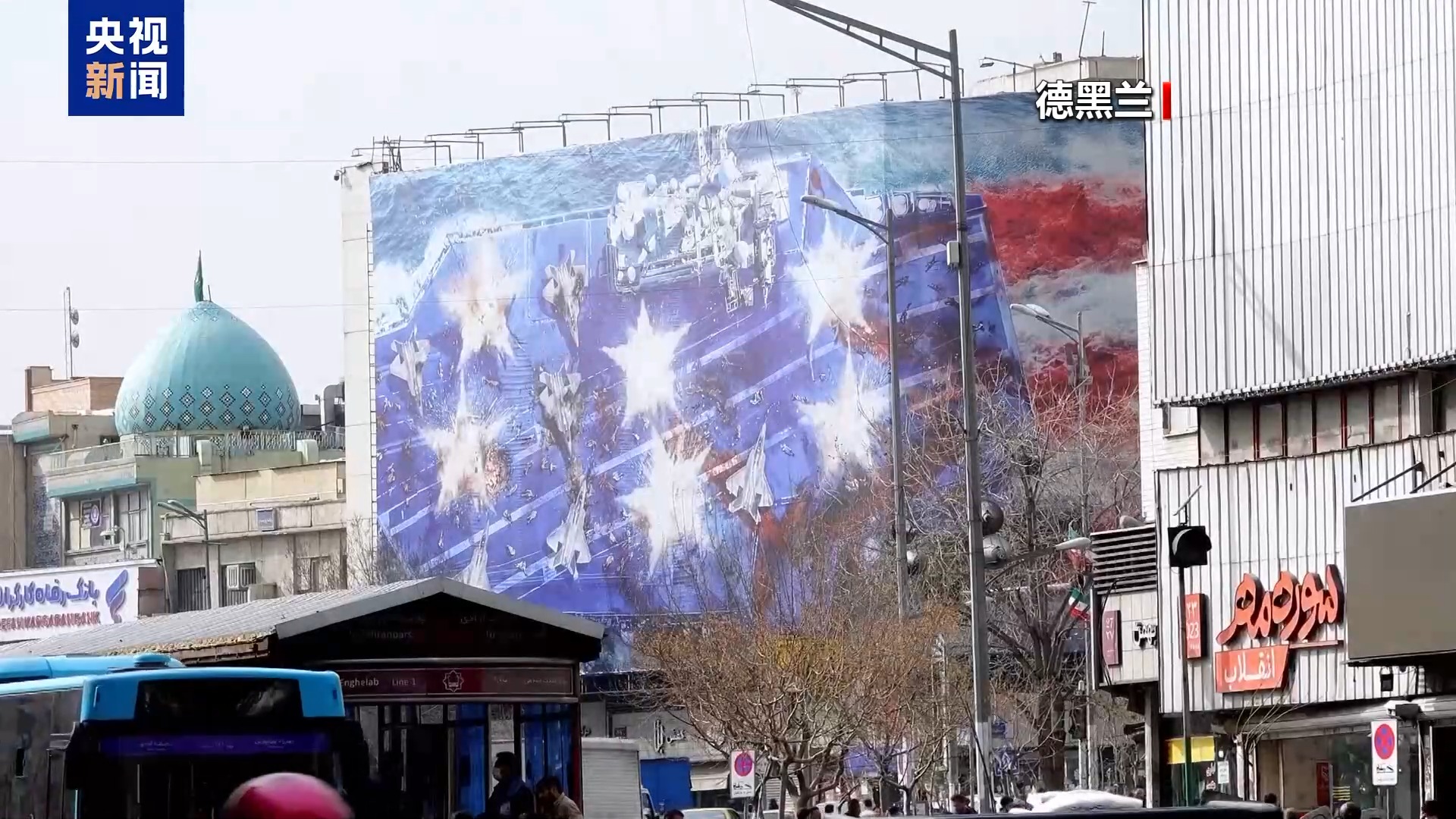
伊朗外交部说伊美双方提出了“严肃而重要的建议”
Xin Hua She· 2026-02-26 15:36
Group 1 - The core viewpoint of the article is that Iran and the United States engaged in serious discussions regarding nuclear issues and sanctions during their third round of indirect negotiations [1] - The negotiations took place in Geneva, Switzerland, and were mediated by Oman, involving representatives from both countries and officials from the International Atomic Energy Agency [1] - The talks lasted approximately three hours and have been temporarily suspended for both delegations to consult with their respective governments before resuming [1]
伊朗代表团抵达日内瓦伊美谈判地
Xin Hua Wang· 2026-02-26 07:37
Group 1 - The Iranian Foreign Minister, Zarif, leads a delegation to Oman’s diplomatic mission in Geneva for the third round of indirect negotiations with the United States [1] - The negotiations are mediated by Oman and focus on nuclear issues and the lifting of sanctions [1]
美伊冲突未来如何演绎?对油价有何影响?
2026-02-24 14:16
Summary of Conference Call Industry or Company Involved - The conference call primarily discusses the geopolitical situation involving Iran and the United States, with a focus on the implications for energy prices and regional stability. Core Points and Arguments 1. **Iran Conflict and U.S. Military Presence** The conflict involving Iran has reached a critical stage, with the U.S. increasing its military presence in the region. The potential for a large-scale conflict remains high, although immediate military action is not anticipated due to U.S. preparedness issues [3][4][36]. 2. **Dialogue Mechanism Between U.S. and Iran** A new dialogue mechanism has been established between the U.S. and Iran after a period of no communication. This dialogue is crucial for addressing tensions and is seen as a positive development despite the underlying risks [5][6][19]. 3. **Negotiation Locations and Dynamics** Initial negotiations were proposed to take place in Istanbul, but Iran preferred Oman as a neutral ground. This shift indicates Iran's desire for a more favorable negotiation environment, reflecting its internal political dynamics and economic pressures [15][22]. 4. **Iran's Economic Challenges** Iran continues to face significant economic difficulties, which are exacerbated by external sanctions and internal political issues. The government is under pressure to stabilize the economy, which may drive it to seek dialogue with the U.S. [11][12][14]. 5. **Cultural and Religious Factors in Iran** The significance of cultural and religious practices, such as the 40-day mourning period, plays a role in the political landscape and public sentiment in Iran. This could influence the timing and nature of protests and governmental responses [9][10]. 6. **U.S. Demands in Negotiations** The U.S. is expected to demand comprehensive discussions on Iran's nuclear capabilities, missile technology, and regional policies. However, Iran is resistant to discussing issues beyond its nuclear program, indicating a significant divide in negotiation agendas [17][23][30]. 7. **Potential for a Transitional Agreement** There is a possibility of reaching a transitional or phased agreement rather than a comprehensive deal. This could involve Iran making some concessions on its nuclear program while maintaining its right to develop nuclear energy [27][30][33]. 8. **Military Readiness and Potential Conflict** The U.S. military is preparing for potential conflict, with increased naval presence in the region. This military readiness could escalate tensions if diplomatic efforts fail [36][37]. Other Important but Possibly Overlooked Content 1. **Impact of Domestic Politics on Negotiations** The internal political landscape in Iran, including the influence of hardliners and reformists, will significantly affect the negotiation process and the government's ability to make concessions [12][14][28]. 2. **International Atomic Energy Agency (IAEA) Involvement** Future negotiations will likely require the involvement of the IAEA to verify Iran's nuclear activities, which adds another layer of complexity to the discussions [24][31]. 3. **Israel's Influence on U.S. Policy** The relationship between Israel and the U.S. may not be as influential in shaping U.S. policy towards Iran as previously thought, indicating a potential shift in how the U.S. approaches negotiations [28][30]. 4. **Public Sentiment and Protests in Iran** The potential for renewed protests in Iran due to economic dissatisfaction and political repression remains a critical factor that could influence the government's negotiation stance [11][14].
今日财经要闻TOP10|2026年2月23日
Xin Lang Cai Jing· 2026-02-23 11:48
Group 1 - The U.S. government is considering a military strike against Iran if diplomatic efforts fail, with a potential first strike planned in the coming days [1][3] - Trump has indicated that if initial precision strikes do not compel Iran to abandon its nuclear program, a larger military action may be considered later this year [1][3] - U.S. and Iranian representatives are set to meet in Geneva for what appears to be the final round of negotiations to avoid military conflict [1][3] Group 2 - Iran's Foreign Minister has stated that diplomatic solutions to the nuclear issue are still viable and emphasized the importance of negotiations over military actions [4][12] - Iran is preparing a proposal to submit to the U.S. and believes that an agreement could be reached soon, potentially better than the 2015 nuclear deal [4][12] Group 3 - The U.S. Supreme Court ruled that the government's imposition of tariffs under the International Emergency Economic Powers Act was unlawful, prompting a response from the Chinese government [2][10] - China opposes unilateral tariff measures and emphasizes that trade wars have no winners, urging the U.S. to eliminate such tariffs [2][10] Group 4 - The Hong Kong stock market saw significant movements, with the Hang Seng Index rising by 2.531% and the Hang Seng Tech Index increasing by 3.336% [5][14] - Notable stock performances included Zijin Mining up by 5.347% and NIO-SW up by 5.290% [6][14] Group 5 - The AI model company Kimi has achieved rapid growth, becoming the fastest domestic company to reach a valuation of over $10 billion, with significant revenue growth driven by international users [7][15] - Kimi's recent funding rounds have exceeded $1.2 billion, and its revenue in the last 20 days surpassed its total revenue for the previous year [7][15] Group 6 - The AI sector experienced volatility, with significant declines in stock prices for companies like Zhiyu and Haizhi Technology, attributed to a recent apology letter addressing user concerns [8][16] - Zhiyu's market value dropped by over 700 billion HKD following the announcement, despite previous strong performance [8][16]