
Addiction

Search documents
Pulitzer-winning novel sparks real-life recovery effort in Appalachia
NBC News· 2025-10-25 23:41
Substance Abuse Crisis in Appalachia - Overdose deaths in Appalachia are more than 50% higher than the national average [1] - A character in the book "Demon Copperhead" navigates poverty, foster care, and addiction, highlighting the issues in the region [2] Recovery Initiatives - Royalties from the book "Demon Copperhead" were used to purchase a temporary residence, "Higher Ground", for recovering addicts [3] - "Higher Ground" provides a safe space for women in recovery, offering an alternative to drug use [3] Challenges and Hope - Fentanyl is easily accessible, even more so than food, contributing to the addiction crisis [4] - Individuals are choosing healing over habit, indicating a potential shift towards recovery [4] - The establishment of "Higher Ground" offers hope for a better future and the possibility of rewriting lives affected by addiction [4][5]


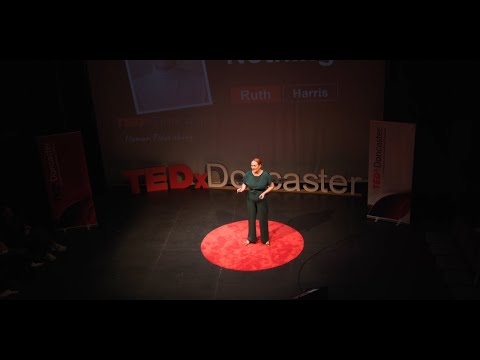
What if you had to become nothing to become everything? | Ruth Harris | TEDxDoncaster
TEDx Talks· 2025-10-16 15:22
Core Message - The core of the 12 steps is not self-removal but self-improvement, contrasting with the modern emphasis on building a personal brand and chasing titles [4][5] - True value lies in what one gives, and worth is measured by how quietly one serves, highlighting the radical nature of anonymity as an ego death [5] - Identifying with others, stripping away superficial identities, allows people to meet as equals, fostering human flourishing [7][8] Program & Impact - Alcoholics Anonymous and Narcotics Anonymous operate in over 180 countries, with over 2 million people accessing the 12 steps, demonstrating the program's global reach and impact [9] - The program welcomes anyone regardless of age, race, sexual identity, creed, or religion, focusing on helping with their problem [10] - Healing and flourishing enable individuals to help others, emphasizing the importance of peer-to-peer support [17] Daily Steps for Personal Growth - The speaker outlines 12 daily steps inspired by the program, including honesty, hope, surrender, courage, truth, willingness, humility, love, repair, reflection, stillness, and service [14][15][16] - These steps encourage individuals to admit they don't know, believe in change, let go of control, confront fears, share authentically, release habits, ask for help, show compassion, make amends, evaluate their day, practice silence, and seek opportunities to help others [14][15][16]
THIS HACK REWIRES YOUR BRAIN...
The Diary Of A CEO· 2025-10-04 11:57
Alzheimer's Risk Factors - The industry suggests that only 5% of Alzheimer's risk is genetic, with the remaining 95% attributed to environmental factors like air pollution, microplastics, and ultra-processed food [1] - Research indicates a correlation between sweetener consumption and dementia [1] Sugar Consumption and Health - The food industry uses 262 names for sugar to increase product appeal and consumption [2] - Ultra-processed food is associated with dementia, diabetes, cancer, and mental health diseases [3] - 73% of items in American grocery stores contain hidden sugars [2] Dietary Recommendations - The industry advises caution with labeled foods and considers foods with sugar in the first three ingredients as dessert [4] - It's recommended to avoid grocery shopping while hungry [4] Addiction and Remedy - Ultra-processed foods provide a dopamine hit, leading to addiction and biochemical problems [3]
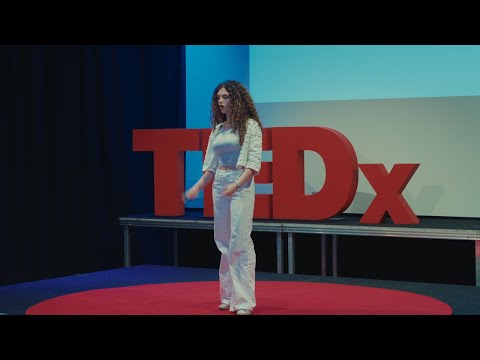
Are we addicted to punishment? | Elisa Bors | TEDxFrancisHollandSchoolSloaneSquare
TEDx Talks· 2025-09-30 15:15
Core Argument - The presentation posits that society is becoming addicted to punishment as a means of emotional regulation and control, often prioritizing suffering over rehabilitation [2][3][5][6] - It argues that this reliance on punishment stems from learned behaviors and institutional practices, particularly evident in the justice system's approach to issues like addiction [7][8][9][10][11] - The presentation advocates for a shift towards restorative justice, emphasizing reintegration, understanding, and healing rather than retribution, citing Norway's justice system as a successful example [13][14][15][16][17] Psychological and Neurological Aspects - Self-punishment activates brain regions associated with learning and social survival, indicating its evolutionary importance in maintaining social bonds and regulating guilt [4] - Neuroscience suggests that punishing others can activate reward regions in the brain, highlighting the potential for punishment to be used for self-regulation and control [6] - The presentation suggests that individuals, especially those with mental health challenges, may overuse punishment as a coping mechanism for feelings of guilt and shame [5] Societal and Institutional Critique - The presentation criticizes the justice system for often prioritizing punishment over addressing the root causes of issues like addiction, leading to ineffective outcomes [9][10][11] - It argues that cultural and institutional teachings equate suffering with accountability, leading to a focus on making individuals feel worse rather than helping them [11] - The presentation contrasts this approach with Norway's restorative justice system, which focuses on preventing future harm, understanding the causes of harm, and supporting individual change [14][15] Proposed Solutions and Recommendations - The presentation urges individuals to find a balance between justice, accountability, and understanding, practicing self-compassion and treating others with empathy [18] - It suggests implementing a restorative justice approach that prioritizes restoring dignity and understanding pain over simply removing it [17] - The presentation implies that a societal shift towards empathy and understanding can lead to a change in the way society functions, starting with individual actions [18] Comparative Analysis - The presentation highlights Norway's justice system, which has a recidivism rate of around 20%, as a model for restorative justice [15] - It contrasts this with countries like the US, which have a recidivism rate of around 70%, suggesting the effectiveness of Norway's approach [15] - Norway's system focuses on reintegration, providing inmates with education, work training, therapy, and respect, treating them as citizens in crisis rather than offenders [13][14][16]
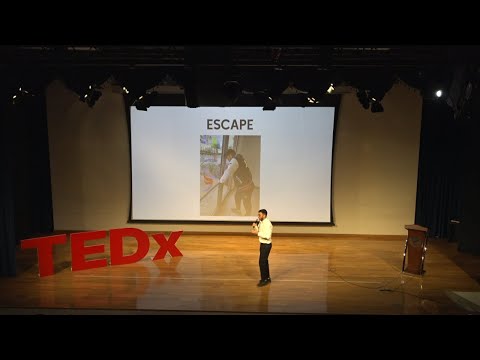
Just One More Episode | Abdelaziz Arbia | TEDxYouth@AKISGEMS
TEDx Talks· 2025-09-29 15:25
Core Argument - The presentation addresses the issue of dopamine addiction among students, highlighting its negative impact on their well-being and academic performance [4][10] - It identifies a domino effect leading to addiction, starting with boredom and progressing through escape and dependence to full-blown addiction [5][7][8][10] Stages of Addiction - Boredom is the initial trigger, making it difficult for students to focus on schoolwork [5][6] - Escape follows, where individuals turn to detrimental habits like excessive phone use (over 3 hours a day) to avoid unpleasant tasks [7] - Dependence develops as individuals feel something is wrong if they don't engage in the addictive behavior [8] - Addiction is the final and most dangerous stage, leading to negative self-perception and potentially requiring professional help [10][11][12] Solutions and Support - The presentation emphasizes that overcoming addiction is possible and that individuals are not alone [13] - Seeking help from friends, teachers, or specialists is encouraged [12][13] - Staying in a state of weakness and succumbing to the domino effect is discouraged [12]
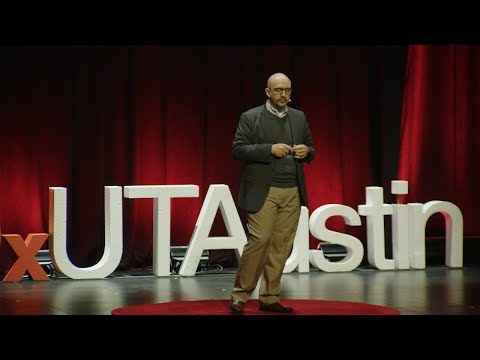
The Protective Power of Love in Your Brain | Juan Dominguez | TEDxUTAustin
TEDx Talks· 2025-09-23 15:04
Neuroscience & Addiction - The brain's dopamine system is activated by both naturally rewarding behaviors (like love and social bonding) and drugs of abuse, but drugs create artificial highs that are much stronger than natural rewards [16][17] - Drugs like cocaine can increase dopamine levels by 400-500%, approximately 20 times larger than the 25-35% increase observed with ejaculation, and lead to a prolonged dopamine depletion and a state of apathy [18][19][20] - Oxytocin, often referred to as the "love hormone," plays a crucial role in social bonding and can counteract the effects of stress and reduce cravings for drugs [23] - Stress is a major factor that can trigger relapse or substance use disorder [28] - Love and support from loved ones provide natural levels of dopamine and oxytocin, potentially minimizing the yearning to seek other sources of dopamine, such as illicit drugs [30][31] Social Impact & Protective Factors - Unconditional love and support can act as a protective factor against falling into negative patterns, potentially shaping the brain in ways that protect against certain risk-taking behaviors [3][10] - Oxytocin administration has been shown to reduce response to stressful stimuli, decrease cortisol levels (a marker of stress response), and decrease anxiety during social stress tests [24][25] - Oxytocin can decrease activity in the amygdala, the part of the brain that regulates fear, in the presence of stressful stimuli [26] - Love and support should be used as one mitigating factor in the battle against substance use disorder [32]
X @The Economist
The Economist· 2025-09-22 17:20
Industry Trend - A whole industry is emerging around livestream shopping, where jovial hosts turn buying things into a game [1] Ethical Consideration - There is a fine line between exploitation and enhancement in livestream shopping [1]
X @The Economist
The Economist· 2025-09-19 15:00
By some reckonings, nicotine is as addictive as cocaine. But is it simply a compound on which people are hooked or does it offer some kind of benefit? https://t.co/9wVZk3ivygIllustration: Cristina Spanò https://t.co/tfDS4z177D ...
X @The Economist
The Economist· 2025-09-17 11:20
Health & Addiction - Nicotine provides a mental boost, but addiction is a significant downside [1]
X @The Economist
The Economist· 2025-09-15 10:20
By some reckonings, nicotine is as addictive as cocaine. But is it simply a compound on which people are hooked, or does it offer some kind of benefit? https://t.co/5vSBkCuG7r ...