全面从严治党

Search documents
水利部党组学习贯彻习近平总书记在二十届中央纪委五次全会上的重要讲话精神
Shui Li Bu Wang Zhan· 2026-01-15 07:45
Group 1 - The meeting emphasized the importance of Xi Jinping's speech at the Fifth Plenary Session of the 20th Central Commission for Discipline Inspection, which provides fundamental guidance for advancing strict governance of the Party and anti-corruption efforts [1] - The meeting called for a deeper understanding of the "two establishments" and the enhancement of the "four consciousnesses," "four self-confidences," and "two safeguards" to ensure the implementation of the 14th Five-Year Plan for water resources development [1] Group 2 - The meeting required a stronger commitment to implement major decisions from the Central Committee, enhancing political responsibility and historical mission awareness, and focusing on the new development concept and high-quality development [2] - It stressed the need for effective institutional mechanisms to ensure power is regulated, emphasizing strict adherence to democratic centralism and improving the clarity and traceability of institutional mechanisms [2] - The meeting highlighted the importance of advancing the anti-corruption campaign, establishing mechanisms to address corruption and unhealthy practices, and fostering a clean political environment [2]
持之以恒强化政治监督 坚定不移正风肃纪反腐
Bei Jing Wan Bao· 2026-01-15 05:50
中共中央总书记、国家主席、中央军委主席习近平出席全会并发表重要讲话。李强、赵乐际、王沪宁、 蔡奇、丁薛祥、李希等党和国家领导人出席会议。 全会由中央纪律检查委员会常务委员会主持。全会深入学习贯彻习近平新时代中国特色社会主义思想, 全面贯彻落实党的二十大和二十届历次全会精神,认真落实四中全会部署,总结2025年纪检监察工作, 部署2026年任务,审议通过了李希同志代表中央纪委常委会所作的《以更高标准、更实举措推进全面从 严治党,为实现"十五五"时期目标任务提供坚强保障》工作报告。 始终做到忠诚干净担当、敢于善于斗争 中国共产党第二十届中央纪律检查委员会第五次全体会议,于2026年1月12日至14日在北京举行。出席 这次全会的有中央纪委委员120人,列席265人。 为如期基本实现社会主义现代化贡献力量 全会认真学习、深刻领会习近平总书记重要讲话。一致认为,讲话充分肯定过去一年全面从严治党取得 的显著成效,着眼基本实现社会主义现代化关键时期,对以更高标准、更实举措推进全面从严治党,为 实现"十五五"时期目标任务提供坚强保障作出战略部署,对纪检监察干部队伍寄予殷切期望。讲话高屋 建瓴、视野宏阔、思想深邃、内涵丰富,具 ...
以更高标准、更实举措推进全面从严治党
Xin Lang Cai Jing· 2026-01-15 05:02
Core Points - The speech by General Secretary Xi Jinping emphasizes the significant achievements in strict party governance over the past year and outlines strategic deployments to ensure the successful realization of the "14th Five-Year Plan" goals [1] Group 1: Implementation of Central Decisions - The importance of implementing major decisions from the Central Committee is highlighted as a fundamental requirement for maintaining authority and leadership [2] - Local officials express commitment to enhance political supervision and ensure that central decisions are effectively executed [2][3] Group 2: Strengthening Supervision Mechanisms - There is a focus on creating clear responsibilities and efficient supervision mechanisms to ensure that institutional regulations are effectively enforced [3][4] - The need for a comprehensive approach to supervision that integrates various levels and departments is emphasized [3][4] Group 3: Anti-Corruption Efforts - Xi Jinping stresses that corruption is a significant obstacle to development, and the fight against corruption must be relentless [5] - Local leaders commit to maintaining a high-pressure stance against corruption, utilizing data analysis and enhancing cooperation among departments to combat corrupt practices [5][6] Group 4: Building a Strong Disciplinary Team - The speech calls for the continuous strengthening of the discipline inspection and supervision work to improve the quality and effectiveness of oversight [6] - There is a focus on cultivating a disciplined and capable team that is loyal and dedicated to the party's mission [6]
更加清醒坚定地推进反腐败斗争——论学习贯彻习近平总书记二十届中央纪委五次全会重要讲话精神
Ren Min Ri Bao· 2026-01-15 03:24
Group 1 - The core message emphasizes that corruption is a significant obstacle to the development of the party and the state, and the fight against corruption is a crucial struggle that cannot be lost [1] - The party has undertaken an unprecedented anti-corruption campaign since the 18th National Congress, characterized by a zero-tolerance approach and comprehensive measures, including "tiger hunting," "fly swatting," and "fox hunting" [1] - The anti-corruption efforts have been integrated into a broader strategy of strict governance of the party, ensuring the party remains united and capable of leading the nation towards national rejuvenation [1][4] Group 2 - The effectiveness of party governance directly correlates with the strength of economic and social development, highlighting the interconnection between self-revolution within the party and societal progress [2] - The current anti-corruption landscape remains severe and complex, necessitating a sustained high-pressure approach and innovative methods to enhance the effectiveness of anti-corruption measures [2] - The fight against corruption is evolving, with increasing challenges in identifying and addressing corrupt behaviors due to their hidden and interconnected nature [2] Group 3 - There is a clear relationship between improper conduct and corruption, with many disciplinary violations stemming from issues like extravagant dining and violations of central regulations [3] - Investigative efforts focus on both "wind" (improper conduct) and "corruption," aiming to address the root causes of both issues through comprehensive investigations and reforms [3] - The strategy involves a dual approach of investigating and rectifying both improper conduct and corruption to create a robust deterrent effect and strengthen preventive measures [3]
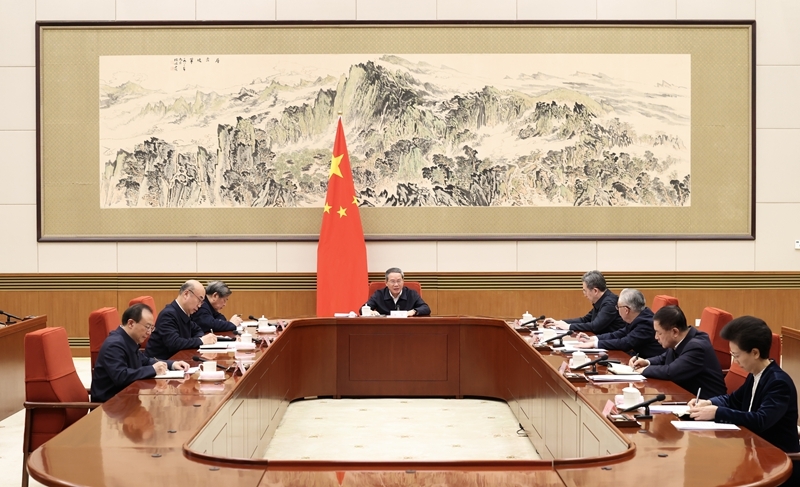
李强主持召开国务院党组会议学习贯彻习近平总书记在二十届中央纪委五次全会上的重要讲话和全会精神 丁薛祥出席
Xin Hua Wang· 2026-01-15 01:16
会议指出,过去一年,国务院党组和国务院各部门党组(党委)认真贯彻党中央决策部署,扎实开展深入贯彻中央八项规 定精神学习教育,政府党风廉政建设和反腐败斗争取得新进展。新的一年,要持之以恒强化正风肃纪反腐,采取更加有力有效 的举措,坚定不移推进政府党风廉政建设和反腐败斗争,为实现"十五五"良好开局提供坚强保障。要突出抓好党中央决策部署 贯彻落实,提高一贯到底的执行力穿透力,树立和践行正确政绩观,坚持为人民出政绩、以实干出政绩,着力推动高质量发展 不断取得新成效。要突出抓好法规制度建设和执行,增强约束力,把制度的笼子扎得更紧更牢,铲除腐败滋生的土壤。要突出 抓好风腐同查同治,以钉钉子精神推进作风建设常态化长效化,紧盯腐败易发多发的重点领域持续深化标本兼治、惩防并举, 防范各类新型腐败和隐性腐败。 会议强调,国务院党组要认真履行全面从严治党政治责任,持续加强政府自身建设,提高行政效能和服务质量。党组同志 要履行好"一岗双责",不断加强党性修养,始终做到严格自律、清正廉洁。 丁薛祥、何立峰、张国清、刘国中、王小洪、吴政隆、谌贻琴出席。 (责任编辑:张林) 1月14日,国务院总理、党组书记李强在北京主持召开国务院党组会议 ...

林武指导青岛市委常委会2025年度民主生活会暨巡视整改专题民主生活会
Da Zhong Ri Bao· 2026-01-15 01:09
Group 1 - The meeting focused on the implementation of the Central Eight Regulations and the rectification of issues identified in previous inspections, emphasizing the importance of high-quality party building to lead high-quality development [2][3] - The Qingdao Municipal Committee is expected to use this meeting as an opportunity to address inspection issues, enhance economic stability, improve quality and efficiency, promote reforms, mitigate risks, and benefit people's livelihoods [3][4] - Political leadership and discipline are highlighted as essential, with a call for strengthening the commitment to the "two establishments" and "two safeguards" [3][4] Group 2 - The meeting underscored the need for responsible governance, with primary leaders being accountable for party management and members fulfilling dual responsibilities [4] - There is a strong emphasis on improving decision-making capabilities and maintaining a people-oriented approach to governance [4] - The importance of discipline construction and the continuous implementation of the Central Eight Regulations is reiterated, aiming for a clean and honest governance environment [4]
苏州市委常委会召开会议 学习贯彻习近平总书记在二十届中央纪委五次全会上的重要讲话精神 范波主持
Su Zhou Ri Bao· 2026-01-15 00:44
1月13日,市委书记范波主持召开市委常委会会议,学习贯彻习近平总书记在二十届中央纪委五次 全会上的重要讲话精神。 会议指出,习近平总书记的重要讲话思想深邃、内涵丰富,为纵深推进全面从严治党提供了根本遵 循。要认真学习领会、抓好贯彻落实,以更高标准、更实举措推进全面从严治党,更加坚决有力地贯彻 落实党中央重大决策部署,更加科学有效地把权力关进制度笼子,更加清醒坚定地推进反腐败斗争,以 实际行动坚定拥护"两个确立"、坚决做到"两个维护"。 会议强调,要以有力政治监督保障党中央重大决策部署一贯到底、落地见效。持续深入学习贯彻党 的二十大、二十届历次全会精神和习近平总书记对江苏、苏州工作重要讲话重要指示精神,紧紧围绕党 中央决策部署及省委工作要求,深化运用"1+7"工作清单制度,具体化精准化常态化推进政治监督,着 力抓贯彻、促落实,防风险、促发展,保障上级各项决策部署落到实处。锚定在江苏推进中国式现代化 走在前、做示范中勇挑大梁,结合抓好巡视反馈意见整改工作,注重因地制宜、因时制宜,创造性开展 工作,确保最终效果符合党中央决策意图、政策初衷。 会议指出,要坚持授权用权制权相统一,切实扎牢制度笼子、规范权力运行。坚持用 ...
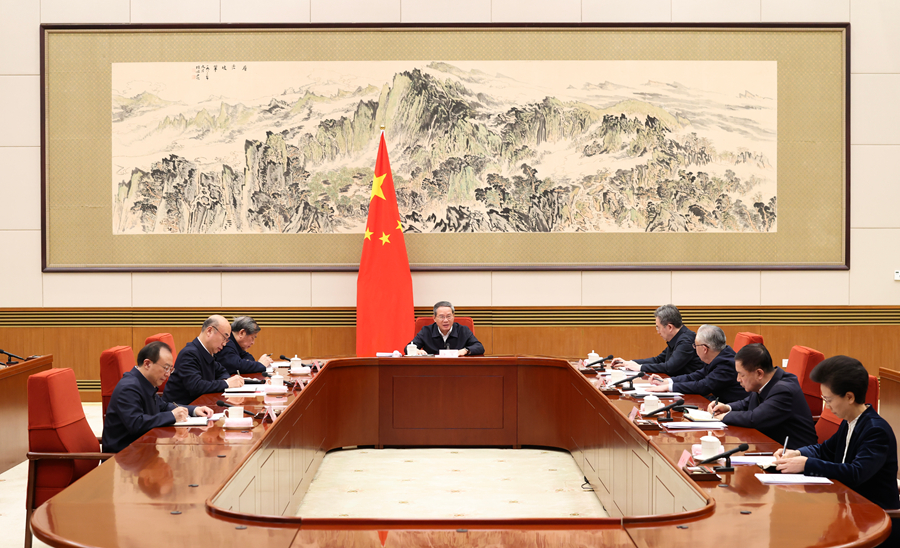
李强主持召开国务院党组会议
Xin Hua Wang· 2026-01-15 00:30
1月14日,国务院总理、党组书记李强在北京主持召开国务院党组会议,学习贯彻习近平总书记在二 十届中央纪委五次全会上的重要讲话和全会精神,部署进一步推动政府党风廉政建设和反腐败斗争。 丁薛祥出席。新华社记者 黄敬文 摄 会议指出,过去一年,国务院党组和国务院各部门党组(党委)认真贯彻党中央 决策部署,扎实开展深入贯彻中央八项规定精神学习教育,政府党风廉政建设和反腐 败斗争取得新进展。新的一年,要持之以恒强化正风肃纪反腐,采取更加有力有效的 举措,坚定不移推进政府党风廉政建设和反腐败斗争,为实现"十五五"良好开局提供 坚强保障。要突出抓好党中央决策部署贯彻落实,提高一贯到底的执行力穿透力,树 立和践行正确政绩观,坚持为人民出政绩、以实干出政绩,着力推动高质量发展不断 取得新成效。要突出抓好法规制度建设和执行,增强约束力,把制度的笼子扎得更紧 更牢,铲除腐败滋生的土壤。要突出抓好风腐同查同治,以钉钉子精神推进作风建设 常态化长效化,紧盯腐败易发多发的重点领域持续深化标本兼治、惩防并举,防范各 类新型腐败和隐性腐败。 1月14日,国务院总理、党组书记李强主持召开国务院党组会议,学习贯彻习近 平总书记在二十届中央纪委五 ...
习近平总书记重要讲话为推进全面从严治党指引方向
Xin Hua She· 2026-01-15 00:26
新华社北京1月14日电 题:以永远在路上的坚韧和执着把党的自我革命进行到底——习近平总书记在 二十届中央纪委五次全会上的重要讲话为推进全面从严治党指引方向 新华社记者 习近平总书记12日在二十届中央纪委五次全会上发表重要讲话,为深入推进全面从严治党和反腐败斗争 提供了根本遵循。广大党员干部表示,要深入学习贯彻习近平总书记重要讲话精神,砥砺初心使命,保 障党中央重大决策部署落到实处,把权力关进制度笼子,增强制度执行力,坚定不移把全面从严治党向 纵深推进,为实现"十五五"时期目标任务提供坚强保障。 坚决维护党中央权威和集中统一领导 习近平总书记的重要讲话,充分肯定过去一年全面从严治党取得的显著成效。中国人民大学纪检监察学 院教授邓矜婷倍感振奋:"新时代以来,在党中央集中统一领导下,我们党成功走出一条标本兼治、一 体推进不敢腐不能腐不想腐的中国特色反腐败之路。实践证明,党中央集中统一领导,是新时代反腐败 斗争取得历史性成就的根本保证。" "面对仍然严峻复杂的反腐败斗争形势,必须强化政治监督,深化政治巡视,切实把党中央重大决策部 署贯彻落实好,推动党和人民事业不断发展进步。"邓矜婷说。 "我们要按照习近平总书记要求, ...
国务院召开党组会议学习贯彻习近平总书记在二十届中央纪委五次全会上重要讲话和全会精神 丁薛祥出席
Xin Hua She· 2026-01-15 00:16
李强主持召开国务院党组会议 学习贯彻习近平总书记在二十届中央纪委五次全会上的重要讲话和全会精神 丁薛祥出席 会议指出,习近平总书记在二十届中央纪委五次全会上发表的重要讲话,站在党和国家事业发展全局高度,对深入推进党的 自我革命,以更高标准、更实举措推进全面从严治党作出战略部署,具有很强的政治性、思想性、指导性,为深入推进党风廉政 建设和反腐败斗争提供了根本遵循。国务院党组和国务院各部门党组(党委)要切实把思想和行动统一到习近平总书记重要讲话 精神和中央纪委五次全会部署上来,深刻领悟"两个确立"的决定性意义,坚决做到"两个维护",进一步增强政治自觉,把全面从 严治党的要求贯穿到政府工作各方面全过程。 会议指出,过去一年,国务院党组和国务院各部门党组(党委)认真贯彻党中央决策部署,扎实开展深入贯彻中央八项规定 精神学习教育,政府党风廉政建设和反腐败斗争取得新进展。新的一年,要持之以恒强化正风肃纪反腐,采取更加有力有效的举 措,坚定不移推进政府党风廉政建设和反腐败斗争,为实现"十五五"良好开局提供坚强保障。要突出抓好党中央决策部署贯彻落 实,提高一贯到底的执行力穿透力,树立和践行正确政绩观,坚持为人民出政绩、以实干 ...