
中国特色反腐败之路

Search documents
实践与思考丨立足纪检监察系统党校定位 推动中央纪委五次全会精神落地见效
Zhong Yang Ji Wei Guo Jia Jian Wei Wang Zhan· 2026-02-26 00:23
Core Points - The speech by General Secretary Xi Jinping at the Fifth Plenary Session of the 20th Central Commission for Discipline Inspection emphasizes the significant achievements in strict governance of the Party over the past year and outlines measures to further advance this governance to ensure the successful completion of the "14th Five-Year Plan" [1][3][4] Group 1: Political Guidance - The speech provides new insights into the Party's self-revolution, emphasizing the importance of adhering to the centralized leadership of the Party and enhancing the understanding of the rules governing the Party's governance [2][3] - It highlights the need for a more scientific and effective approach to institutional governance of power, ensuring long-term self-correction capabilities within the Party [2][5] Group 2: Anti-Corruption Strategy - The speech outlines a clear direction for advancing China's unique anti-corruption path, emphasizing the need for a strong leadership role from the Party Central Committee and the implementation of a comprehensive approach to anti-corruption [5][6] - It stresses the importance of both immediate and fundamental measures in combating corruption, advocating for a holistic strategy that integrates punishment, rectification, and governance [5][6] Group 3: Institutional Development - The speech calls for the establishment of a high-quality disciplinary inspection and supervision system, with a focus on enhancing political supervision and maintaining strict discipline [4][6] - It emphasizes the need for continuous improvement in the training and development of disciplinary inspection personnel, ensuring they are equipped to meet the challenges of their roles [6][10] Group 4: Educational Initiatives - The China National Academy of Supervisory Studies is tasked with integrating the spirit of the Fifth Plenary Session into its educational framework, ensuring that the principles are taught and understood by future leaders in the field [8][9] - The Academy aims to enhance its curriculum by developing specialized courses that reflect the Party's innovative theories and the importance of self-revolution [8][9] Group 5: Institutional Integrity - The speech underscores the importance of maintaining a strong and disciplined faculty within the Academy, focusing on political integrity and adherence to Party principles [11][12] - It advocates for a culture of accountability and continuous improvement in the Academy's operations, ensuring that all activities align with the Party's goals and standards [12][13]
时代专论丨坚定走好中国特色反腐败之路
Zhong Yang Ji Wei Guo Jia Jian Wei Wang Zhan· 2026-02-26 00:23
Group 1 - The core viewpoint emphasizes the importance of anti-corruption efforts as a fundamental self-revolution for the party and the nation, highlighting the need for continuous commitment to this cause [3][6][17] - The article discusses the historical context of corruption, noting that it has been a persistent issue affecting governance and societal stability across different eras and regions [3][4][5] - It stresses the necessity of a comprehensive approach to anti-corruption, integrating political, legal, and educational measures to create a robust system that deters corruption [11][12][14][16] Group 2 - The article outlines the significance of maintaining a high-pressure stance against corruption, advocating for a zero-tolerance policy and continuous vigilance in addressing corrupt practices [13][18] - It highlights the role of public engagement and community oversight in the anti-corruption framework, suggesting that citizen involvement is crucial for effective monitoring and accountability [17][18][19] - The need for a feedback mechanism to evaluate the effectiveness of anti-corruption measures based on public satisfaction is emphasized, indicating that the success of these initiatives should be judged by the people's perception [19]

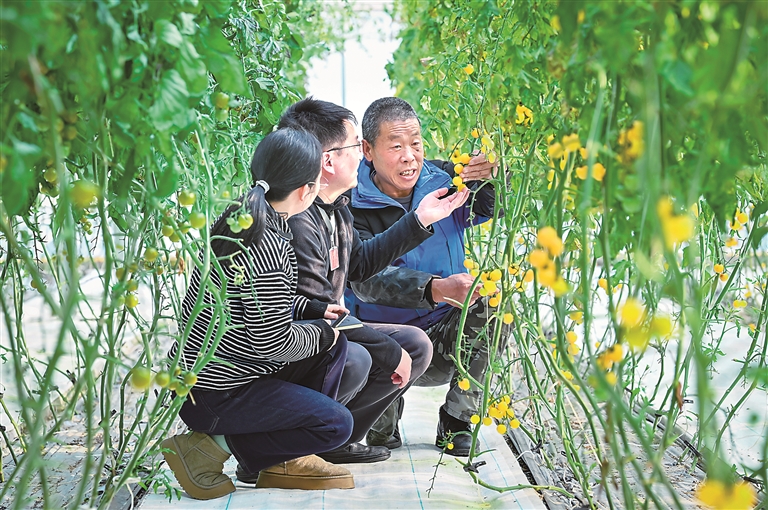
书记谈丨以更高标准更实举措推进全面从严治党
Zhong Yang Ji Wei Guo Jia Jian Wei Wang Zhan· 2026-02-05 00:00
Core Viewpoint - The importance of advancing strict governance of the Party with higher standards and more practical measures is emphasized, aiming to provide strong support for achieving the goals of the "14th Five-Year Plan" period [3][4]. Group 1: Significance of Higher Standards - Upholding the Party's fundamental mission to serve the people and achieve national rejuvenation is essential for maintaining public trust and support [3][4]. - The complex international situation and domestic challenges necessitate higher demands on the ideological and operational capabilities of Party members [4][5]. - Effective governance correlates with economic and social development, requiring a persistent commitment to strict Party governance [4][5]. Group 2: Practical Requirements for Implementation - Political supervision must be integrated into daily operations, focusing on specific individuals, projects, and funding to ensure compliance with central directives [8][9]. - Strengthening institutional frameworks is crucial to prevent corruption and ensure effective governance, emphasizing the need for clear and enforceable regulations [9][10]. - Continuous improvement in anti-corruption efforts is necessary, addressing both overt and subtle forms of corruption through comprehensive strategies [10][11]. Group 3: Responsibilities of Supervisory Bodies - Supervisory bodies must enhance their mission awareness and political responsibility, ensuring that anti-corruption measures are effectively implemented [12][13]. - There is a need for standardized and lawful operations within the supervisory framework, focusing on training and professional development for personnel [13].
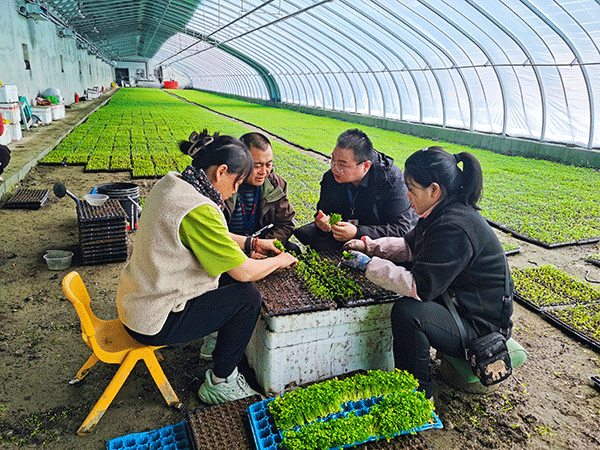
落实五次全会精神见行动 | 不断增强治理腐败综合效能
Zhong Yang Ji Wei Guo Jia Jian Wei Wang Zhan· 2026-02-05 00:00
Core Viewpoint - The article emphasizes the importance of a comprehensive approach to anti-corruption, integrating deterrence, institutional constraints, and educational advantages to enhance the effectiveness of the "three no's" strategy: not daring to corrupt, not being able to corrupt, and not wanting to corrupt [2][3][4][5][6] Group 1: Anti-Corruption Strategy - The central government has successfully established a unique anti-corruption path under the centralized leadership of the Party, focusing on a comprehensive approach to deter, prevent, and discourage corruption [2] - Recent meetings in provinces such as Fujian, Jiangxi, Guizhou, and Qinghai have reiterated the need to deepen the anti-corruption efforts and eliminate the conditions that foster corruption [2][3][4][5][6] Group 2: Implementation Measures - Fujian's meeting highlighted the integration of deterrence, institutional constraints, and educational advantages to enhance the effectiveness of anti-corruption measures [3] - Jiangxi's meeting focused on collaborative efforts to improve anti-corruption effectiveness, addressing corruption in key sectors like finance, state-owned enterprises, and education [4] - Guizhou's meeting emphasized maintaining a high-pressure stance against corruption while enhancing the effectiveness of governance and supervision in various sectors [5] - Qinghai's meeting called for a strong commitment to anti-corruption, emphasizing the need for precise supervision and the establishment of a data-driven oversight platform [6]
学讲话 悟思想⑫坚定不移走好中国特色反腐败之路
Zhong Yang Ji Wei Guo Jia Jian Wei Wang Zhan· 2026-02-03 07:52
Group 1 - The core viewpoint emphasizes the importance of adhering to the path of anti-corruption with Chinese characteristics, which is guided by the centralized and unified leadership of the Party [1][2] - The anti-corruption path is rooted in the Party's firm stance against corruption and the necessity to eliminate it as a major threat to governance [1][3] - The Party's commitment to anti-corruption is seen as a crucial element for achieving national rejuvenation and maintaining a healthy political environment amid increasing international competition [1][3] Group 2 - The anti-corruption strategy reflects the Party's historical conclusion that issues must be addressed based on China's specific conditions, emphasizing the need for independent exploration [2][3] - The Party has elevated the anti-corruption fight to a level of "thorough self-revolution," demonstrating a zero-tolerance approach and a systematic strategy to combat corruption [3][4] - The current anti-corruption landscape remains complex, necessitating a robust and unified approach to ensure the Party retains leadership and initiative in the fight against corruption [4][5]
书记谈丨坚定不移保障党中央重大决策部署落地见效
Zhong Yang Ji Wei Guo Jia Jian Wei Wang Zhan· 2026-01-28 23:32
Group 1 - The core message emphasizes the importance of strict governance and anti-corruption efforts in Beijing, aligning with the strategic goals of the "14th Five-Year Plan" [2][11] - The need for political responsibility and historical mission awareness among party organizations and members is highlighted to ensure effective implementation of central decisions [2][3] - The focus on enhancing the capital's functions and promoting high-quality development through political supervision and collaboration among various departments is stressed [5][9] Group 2 - The article discusses the establishment of a robust supervision system to address key tasks and enhance political discipline, particularly in the context of major events like the Winter Olympics [4][11] - It outlines the importance of correcting "four styles" (formalism, bureaucratism, hedonism, and extravagance) and emphasizes the need for practical solutions to improve governance and public service [7][8] - The article underscores the significance of cultivating a correct view of performance among party members and officials, focusing on genuine contributions to the public rather than superficial achievements [6][10] Group 3 - The necessity of a strong cadre team characterized by loyalty, integrity, and accountability is emphasized, especially in light of upcoming local elections [9][10] - The article highlights the importance of a clear and effective anti-corruption strategy, aiming to create a clean political environment conducive to the capital's modernization [11][12] - It discusses the integration of technology in anti-corruption efforts, aiming to enhance the detection and management of corruption issues [13]
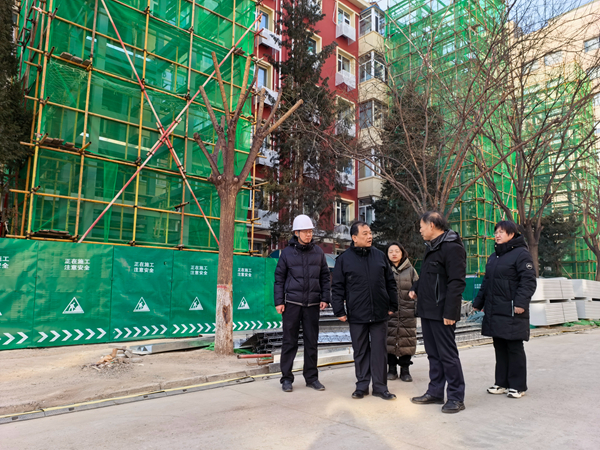
落实五次全会精神见行动丨在一体推进“三不腐”上下更大功夫
Zhong Yang Ji Wei Guo Jia Jian Wei Wang Zhan· 2026-01-22 00:38
Core Viewpoint - Corruption is identified as a significant obstacle to the development of the Party and the state, and the fight against corruption is deemed a critical struggle that cannot be lost. The emphasis is on a comprehensive strategy to prevent corruption through a three-pronged approach: "not daring to corrupt, not being able to corrupt, and not wanting to corrupt" [2]. Group 1: National Strategy - The Central Commission for Discipline Inspection (CCDI) emphasizes the importance of a unified leadership under the Party Central Committee to advance the anti-corruption strategy, which has been successful since the 18th National Congress [2]. - The CCDI's fifth plenary session outlines the focus for 2026 on strengthening the comprehensive approach to anti-corruption, aiming to eliminate the conditions that foster corruption [2]. Group 2: Regional Implementation - In Liaoning, the provincial discipline inspection committee stresses the need for strategic determination and resilience in the ongoing anti-corruption battle, aiming for a complete transformation of the political ecosystem [3]. - Zhejiang's discipline inspection committee highlights the simultaneous and comprehensive efforts to combat corruption, ensuring that all corrupt activities are addressed decisively [5]. - The Xinjiang Production and Construction Corps emphasizes the need for strict adherence to regulations and the promotion of integrity among party members [7]. Group 3: Specific Measures - The focus on the "three no-corruption" strategy involves maintaining a high-pressure environment to deter corruption, with specific attention to sectors like finance, state-owned enterprises, and education [4][6]. - There is a commitment to enhancing the transparency and accountability of power usage, particularly concerning key leadership positions, to prevent corruption [8]. - The promotion of a culture of integrity is prioritized, with initiatives aimed at enhancing the effectiveness of anti-corruption education and fostering a clean political environment [6][8].
更加清醒坚定地推进反腐败斗争——论学习贯彻习近平总书记二十届中央纪委五次全会重要讲话精神
Ren Min Ri Bao· 2026-01-15 03:24
Group 1 - The core message emphasizes that corruption is a significant obstacle to the development of the party and the state, and the fight against corruption is a crucial struggle that cannot be lost [1] - The party has undertaken an unprecedented anti-corruption campaign since the 18th National Congress, characterized by a zero-tolerance approach and comprehensive measures, including "tiger hunting," "fly swatting," and "fox hunting" [1] - The anti-corruption efforts have been integrated into a broader strategy of strict governance of the party, ensuring the party remains united and capable of leading the nation towards national rejuvenation [1][4] Group 2 - The effectiveness of party governance directly correlates with the strength of economic and social development, highlighting the interconnection between self-revolution within the party and societal progress [2] - The current anti-corruption landscape remains severe and complex, necessitating a sustained high-pressure approach and innovative methods to enhance the effectiveness of anti-corruption measures [2] - The fight against corruption is evolving, with increasing challenges in identifying and addressing corrupt behaviors due to their hidden and interconnected nature [2] Group 3 - There is a clear relationship between improper conduct and corruption, with many disciplinary violations stemming from issues like extravagant dining and violations of central regulations [3] - Investigative efforts focus on both "wind" (improper conduct) and "corruption," aiming to address the root causes of both issues through comprehensive investigations and reforms [3] - The strategy involves a dual approach of investigating and rectifying both improper conduct and corruption to create a robust deterrent effect and strengthen preventive measures [3]
深刻把握目标任务 坚决落实全会部署读懂二十届中央纪委五次全会公报中的新论断新部署
Zhong Yang Ji Wei Guo Jia Jian Wei Wang Zhan· 2026-01-15 00:04
Core Points - The Fifth Plenary Session of the 20th Central Commission for Discipline Inspection of the Communist Party of China was held from January 12 to 14, 2026, focusing on the implementation of Xi Jinping's thoughts and the strategic deployment for the upcoming "15th Five-Year Plan" [1][2] - The session emphasized the significant achievements in strict party governance over the past year and outlined tasks for 2026, reinforcing the importance of political supervision and anti-corruption efforts [2][3] Group 1: Political Supervision and Governance - The session highlighted the necessity of effective political supervision to ensure the implementation of major decisions made by the Central Committee, with a focus on specific, precise, and regular oversight [3][4] - The Central Commission reported that over 250,000 violations of the Central Eight Regulations were addressed in 2025, with more than 320,000 individuals receiving criticism or disciplinary action [5][6] Group 2: Anti-Corruption Efforts - The anti-corruption campaign has seen significant results, with 65 senior officials investigated in 2025 and nearly 790,000 cases opened by disciplinary inspection agencies [5][6] - The "Sky Net 2025" operation successfully repatriated 782 fugitives and recovered 23.657 billion yuan in illicit funds [5][6] Group 3: Institutional Reforms and Regulations - The session underscored the importance of institutional governance, emphasizing the need to confine power within a regulatory framework to enhance party discipline and governance [9][10] - Continuous improvement of internal regulations and strict enforcement are deemed essential for maintaining the party's integrity and effectiveness [9][10] Group 4: Future Directions and Responsibilities - The session called for a unified approach among party members to align with the Central Committee's strategic goals, particularly in the context of the "15th Five-Year Plan" [7][8] - Emphasis was placed on the need for party members to enhance their sense of mission and responsibility, ensuring that actions align with the party's objectives [7][8]
更加清醒坚定地推进反腐败斗争
Xin Lang Cai Jing· 2026-01-14 19:41
Group 1 - The core viewpoint emphasizes that corruption is a significant obstacle to the development of the party and the state, and the anti-corruption struggle is a critical battle that must be won [1] - Since the 18th National Congress, the party has conducted an unprecedented anti-corruption campaign, adhering to a zero-tolerance policy and employing various strategies to combat corruption [1] - The anti-corruption path with Chinese characteristics has been established under the centralized leadership of the Party Central Committee, focusing on both prevention and punishment [1] Group 2 - Effective party governance is closely linked to robust economic and social development, with self-revolution within the party fostering a positive political environment [2] - The current anti-corruption situation remains severe and complex, necessitating a sustained high-pressure approach and innovative methods to enhance the effectiveness of anti-corruption efforts [2] - As the anti-corruption struggle deepens, the challenges of identifying and addressing corruption are increasing, requiring timely and accurate recognition of new trends and characteristics [2] Group 3 - There is a strong interconnection between improper conduct and corruption, with many violations stemming from issues like extravagant spending and violations of central regulations [3] - Investigative efforts are focusing on both "wind" (improper conduct) and "corruption," aiming to address the root causes of both issues through comprehensive investigations [3] - By thoroughly examining the connections between improper conduct and corruption, a strong deterrent effect can be established to prevent further issues [3] Group 4 - The party is committed to continuing the anti-corruption struggle under the strong leadership of the Central Committee, emphasizing the importance of perseverance in this endeavor [4]