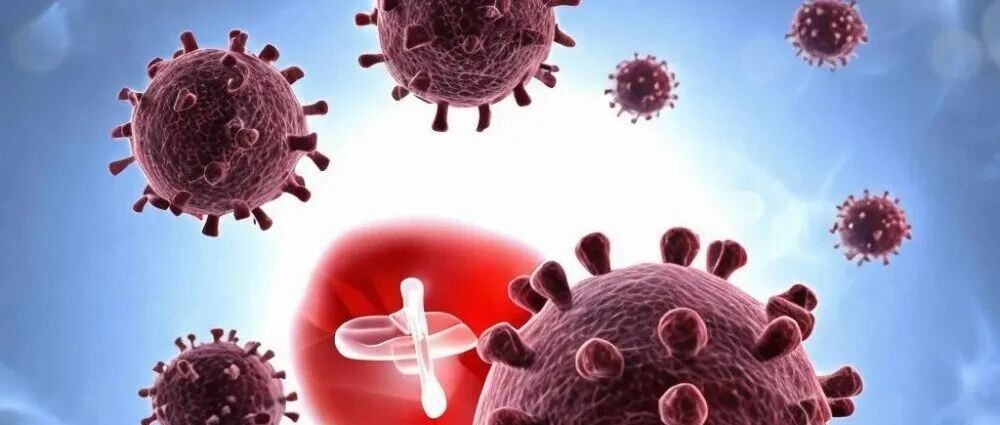
尼帕病毒

Search documents
印度暴发尼帕病毒疫情 会波及我国吗?
Ke Ji Ri Bao· 2026-01-27 06:24
Core Viewpoint - The recent outbreak of Nipah virus in West Bengal, India, has raised international concern due to its high fatality rate and human-to-human transmission potential, prompting preventive measures in neighboring countries and within China [1] Group 1: Virus Overview - Nipah virus is not a new virus; it was first reported in Malaysia in 1988 and has since been detected in several countries including Bangladesh, Cambodia, and India [2] - India has experienced Nipah virus outbreaks before, with four confirmed cases reported in May-July 2022, resulting in two deaths [2] Group 2: Transmission and Prevention - The initial case in India was linked to the consumption of fresh date palm juice contaminated by bats, which are the natural hosts of the virus [3] - Transmission occurs primarily through animal-to-human and human-to-human contact, with close contact posing a higher risk for healthcare workers and family members of infected individuals [3] - Public health recommendations include avoiding raw fruit juices, maintaining distance from bat habitats, and ensuring proper hygiene when consuming fruits [4] Group 3: Monitoring and Detection - Currently, there are no reported Nipah virus cases in China, but the virus has been included in the country's monitoring system [5] - Hospitals in China are equipped with next-generation sequencing technology to detect various pathogens, including Nipah virus, and a three-tiered detection system is in place for suspected cases [5] - Specialized testing kits for Nipah virus have been developed and are available for screening at ports of entry and for clinical diagnosis [5]
印度疫情,会失控吗?世卫:尼帕病毒或引发全球大流行
Xin Lang Cai Jing· 2026-01-27 05:45
Core Insights - The recent outbreak of Nipah virus in West Bengal, India, has raised international concern, with 5 confirmed cases reported, including one critical patient [1][5] - The World Health Organization (WHO) classifies Nipah virus as a zoonotic virus with a mortality rate ranging from 40% to 75%, depending on local monitoring and clinical management capabilities [1][6] Group 1: Outbreak Details - The first confirmed cases were two healthcare workers at a private hospital near Kolkata, likely infected from a deceased patient who had severe respiratory symptoms but was not tested for the virus [1][5] - Symptoms of Nipah virus infection include fever, sore throat, vomiting, and muscle pain, which can progress to severe complications like acute respiratory distress syndrome and sepsis [1][5] Group 2: Government Response - The Indian government has issued a national alert, urging states to enhance monitoring and control measures, with approximately 100 individuals currently under home isolation [2][6] - Thailand's Civil Aviation Authority has implemented comprehensive screening for flights from West Bengal, including health checks and temperature screenings [2][6] Group 3: Historical Context and Risk Factors - The last reported Nipah cases in West Bengal were in 2007, with recent outbreaks primarily occurring in Kerala, indicating the virus's potential for re-emergence [2][6] - The natural host of the Nipah virus is fruit bats, and human infections typically occur through consumption of contaminated fruits or contact with infected pigs [2][6] Group 4: Public Health Challenges - Early identification of Nipah virus cases is challenging due to its incubation period of 4-14 days, with symptoms resembling influenza, leading to potential misdiagnosis [8][9] - There are currently no specific treatments or vaccines for Nipah virus, although over ten candidate vaccines are in development, hindered by sporadic outbreaks and limited clinical trial opportunities [9]
尼帕病毒:挑战公共卫生防线的“隐形杀手”
Xin Hua She· 2026-01-27 05:10
Core Viewpoint - The recent outbreak of Nipah virus in West Bengal, India, has raised significant global health concerns, with five confirmed cases reported, including one critical patient. Neighboring countries like Thailand and Nepal have intensified preventive measures at airports and border checkpoints [1]. Group 1: Virus Characteristics and History - Nipah virus, known as a "silent killer," has a long incubation period and can infect various animals and humans, posing a severe public health challenge globally [1]. - It belongs to the Paramyxoviridae family and is a single-stranded RNA virus, closely related to other Henipaviruses like Hendra virus. The natural host of Nipah virus is fruit bats from the Pteropodidae family [1]. - The virus was first identified during an outbreak in Malaysia in 1998, primarily affecting individuals in close contact with infected animals, leading to 265 cases of acute encephalitis and 105 deaths [1][2]. Group 2: Current Situation and Response - The outbreak has spread to neighboring Singapore, with initial misdiagnoses of the disease as African swine fever and Japanese encephalitis. The identification of Nipah virus in patient samples was crucial for controlling the outbreak [2]. - The Indian Council of Medical Research has initiated nationwide bat surveys to better understand the distribution of Nipah virus in the country, detecting antibodies in bats across multiple states [2]. Group 3: Symptoms and Prevention - The incubation period for Nipah virus ranges from 4 to 14 days, with a maximum of 45 days. Symptoms include fever, headache, drowsiness, confusion, and coma, with a mortality rate between 40% and 75% depending on the region's healthcare capabilities [3]. - There are currently no specific treatments or vaccines for Nipah virus infection. The World Health Organization recommends immediate isolation and culling of infected animals in suspected outbreak areas to reduce human infection risks [3]. Group 4: Ongoing Research and Collaboration - The Coalition for Epidemic Preparedness Innovations is actively promoting measures for Nipah virus control, diagnosis, and vaccine development, having allocated funds for scientific projects aimed at establishing detection standards and advancing vaccine research [4]. - Collaboration among healthcare professionals, veterinarians, and wildlife experts is essential in investigating emerging infectious diseases, highlighting the impact of environmental mismanagement on zoonotic disease transmission [4].
“孟加拉株”尼帕病毒致死率更高、更可能“人传人”
第一财经· 2026-01-27 04:30
Core Viewpoint - The Nipah virus, with a mortality rate as high as 75%, is not a new threat but has become an annual challenge in countries like India and Bangladesh. The recent outbreak in West Bengal, India, is considered to be a localized event and does not currently pose a risk of widespread infection [3][4]. Group 1: Current Situation and Risks - As of now, there have been no reported human cases of Nipah virus infection in mainland China, but the country is tightening its epidemic prevention measures due to the proximity of outbreak regions [4][5]. - The recent outbreak in West Bengal has confirmed five cases, with one patient in critical condition. Initial reports suggest that two healthcare workers may have contracted the virus from a deceased patient [6][7]. - The Nipah virus has evolved in its transmission patterns, shifting from a "bat-pig-human" model to a "bat-human" model, with potential for human-to-human transmission [7][8]. Group 2: Transmission and Variants - Different strains of the Nipah virus exhibit varying potentials for human transmission. The "Bangladesh strain" is associated with a higher transmission rate compared to the "Malaysia strain" [8][10]. - Research indicates that 29% of cases in Bangladesh and over 50% in India are due to human-to-human transmission, contrasting sharply with earlier outbreaks in Malaysia and Singapore where such transmission was nearly non-existent [8][9]. Group 3: Treatment and Vaccine Development - Currently, there are no approved antiviral drugs or vaccines for Nipah virus, and treatment relies on supportive care, which can be challenging in resource-limited settings [11][12]. - Some existing medications, like Ribavirin, have shown limited effectiveness against Nipah virus, and there is a need for specific antiviral drug development targeting the virus's replication mechanisms [12][13]. - Vaccine development is ongoing, with candidates like the adenovirus vector vaccine ChAdOx1 NipahB entering clinical trials. However, challenges such as sporadic outbreaks and funding limitations hinder progress [13][14][15]. Group 4: Implications for China - Despite the absence of reported cases in China, the proximity of outbreak regions and the discovery of new Nipah virus variants in the country highlight the need for proactive research and preventive measures [15]. - Increased investment in antiviral drug and vaccine research is essential, especially given the accelerating pace of related scientific advancements [15].


“孟加拉株”尼帕病毒致死率更高、更可能“人传人”,印度疫情有何启示
Di Yi Cai Jing· 2026-01-27 04:07
Core Insights - The Nipah virus is not a new threat but an evolving adversary with a high mortality rate of up to 75%, posing annual challenges in countries like India and Bangladesh [1][8] - Recent outbreaks in West Bengal, India, are considered to be localized and not indicative of a larger pandemic potential, although the situation is being closely monitored [1][3] Group 1: Current Situation and Spread - India has reported a small-scale outbreak of the Nipah virus with confirmed cases rising to 5, including one critical patient [3][4] - The virus may have transmitted between patients and healthcare workers in hospitals, indicating potential human-to-human transmission [4][8] - The outbreak is characterized by high mortality rates and localized clusters, with concerns about cross-regional spread and hospital-acquired infections [8][10] Group 2: Transmission and Variants - The Nipah virus has evolved from a "bat-pig-human" transmission model to a more direct "bat-human" model, with potential for human-to-human transmission [4][5] - Different strains of the Nipah virus exhibit varying human-to-human transmission potentials, with the Bangladesh strain showing higher transmissibility compared to the Malaysian strain [5][6] - Studies indicate that 29% of cases in Bangladesh and over 50% in India are due to human-to-human transmission, contrasting sharply with earlier outbreaks in Malaysia and Singapore [6][7] Group 3: Research and Development Challenges - Despite the high mortality rate and the virus being on the WHO's priority pathogen list, there are currently no approved antiviral treatments or vaccines for Nipah virus [8][10] - Existing treatments rely on supportive care, and the efficacy of repurposed drugs like ribavirin remains uncertain [9][10] - Research efforts are ongoing, with some candidates entering clinical trials, but funding and resource limitations pose significant challenges to advancing these initiatives [9][11] Group 4: Future Considerations - The need for sustained investment in research for vaccines and antiviral drugs targeting the Nipah virus is critical, especially given its proximity to China and the potential for outbreaks [2][11] - The development of vaccines is underway, with candidates like the adenovirus vector vaccine and mRNA vaccine showing promise, but progress is slow [10][11] - Regulatory challenges and funding gaps hinder the development of effective vaccines and treatments for sporadic but severe infectious diseases like Nipah virus [11]
泰国强化入境旅客筛查严防尼帕病毒
Zhong Guo Xin Wen Wang· 2026-01-26 23:38
Core Viewpoint - Thailand has not reported any cases of Nipah virus infection as of January 26, 2023, but has implemented enhanced health screening measures for travelers arriving from West Bengal, India, due to recent outbreaks in that region [1] Group 1: Health Screening Measures - Travelers from West Bengal, whether for tourism or business, are required to undergo temperature checks and fill out health declaration forms upon arrival at major airports [1] - Health screening will be conducted at Suvarnabhumi International Airport, Don Mueang International Airport, and Phuket International Airport [1] Group 2: Disease Control and Preparedness - The Thai Public Health Ministry has instructed both public and private healthcare facilities to prepare for the assessment and management of suspected Nipah virus infection cases [1] - Previous investigations into suspected cases have returned negative results [1] Group 3: Virus Characteristics and Risks - The transmission capability of the Nipah virus is approximately one-fortieth that of the COVID-19 virus, but it has a high pathogenicity with a mortality rate that can reach up to 70% [1] - Current screening measures are specifically targeting flights from West Bengal and do not include other regions of India [1] - Monitoring studies in Thailand have not found evidence of the virus spreading to humans or livestock from local bat populations [1]
致死率最高达75%,印度尼帕病毒来袭这样防范
Xin Lang Cai Jing· 2026-01-26 23:12
Core Viewpoint - The recent outbreak of Nipah virus in West Bengal, India, has led to 5 confirmed cases, with the local government taking measures to contain the spread, including quarantining nearly 100 individuals and testing bats in local zoos [1]. Group 1: Virus Overview - Nipah virus is a deadly zoonotic virus belonging to the paramyxovirus family, transmitted from infected animals (such as bats or pigs) or contaminated food, with a human-to-human transmission occurring in rare cases [1]. - The mortality rate of Nipah virus can reach as high as 75%, with a general range between 40% to 75% [1]. Group 2: Symptoms and Progression - Initial symptoms of Nipah virus infection resemble flu-like symptoms, including fever, headache, muscle pain, and fatigue, with potential respiratory symptoms such as cough and shortness of breath appearing in some cases [2]. - The incubation period for the virus ranges from 4 to 14 days, with a maximum of 45 days, and severe cases can lead to confusion, seizures, and coma, with one-third of patients potentially dying in a comatose state [3]. Group 3: Prevention and Treatment - There is currently no specific vaccine or effective treatment for Nipah virus, and medical professionals can only manage the symptoms presented by patients [4]. - Preventive measures include consuming protein-rich foods, avoiding contact with fruit bats and their secretions, and ensuring personal protection when handling animals [4].
印度西孟加拉邦出现尼帕病毒疫情
Xin Lang Cai Jing· 2026-01-26 21:05
Core Viewpoint - Recent cases of Nipah virus infection have been reported in West Bengal, India, with five confirmed cases, including healthcare workers [1] Group 1 - Five confirmed cases of Nipah virus infection have been identified in West Bengal, India [1] - Nearly 100 individuals have been asked to stay in home isolation as a precautionary measure [1] - Infected patients are receiving treatment in hospitals in Kolkata and surrounding areas, with one patient in critical condition [1]
印度出现尼帕病毒疫情,专家解读
Xin Lang Cai Jing· 2026-01-26 15:53
Core Viewpoint - The recent outbreak of Nipah virus in West Bengal, India, has confirmed 5 cases with nearly 100 individuals under observation, prompting neighboring countries like Thailand and Nepal to enhance health screening for travelers from India [1][2]. Group 1: Virus Characteristics and History - Nipah virus is not a new pathogen; it has been present in human society for over 25 years, first identified in Malaysia and Singapore in 1998-1999, leading to nearly 300 infections and over 100 deaths [3][4]. - The virus primarily spreads from bats to humans, with recent outbreaks in South Asia showing direct transmission from bats or through contaminated food, such as fresh date palm juice [3][4]. Group 2: Transmission and Symptoms - Nipah virus has a high mortality rate, ranging from 40% to 75% in different outbreaks, with some localized cases reaching 100% [4]. - The virus affects critical systems in the human body, particularly the brain and lungs, causing severe respiratory diseases and potentially fatal encephalitis [4]. - Transmission routes include animal-to-human contact, consumption of contaminated food, and human-to-human contact, especially in healthcare settings [4][6]. Group 3: Current Situation and Precautions - Recent cases in India suggest the virus may be adapting to new environments, indicating a potential for increased transmission outside traditional seasonal patterns [6]. - There have been no reported human cases of Nipah virus in mainland China, but public awareness and hygiene practices are encouraged [6]. - Personal protective measures include avoiding consumption of potentially contaminated food and seeking medical attention if symptoms arise after visiting affected areas [6]. Group 4: Research and Development - Although there is currently no specific treatment for Nipah virus, research is ongoing, with vaccines entering clinical trials and monoclonal antibodies showing potential in compassionate use [7].
死亡率最高达75%!印度现尼帕病毒疫情,A股概念股大涨,多家企业紧急回应
21世纪经济报道· 2026-01-26 15:19
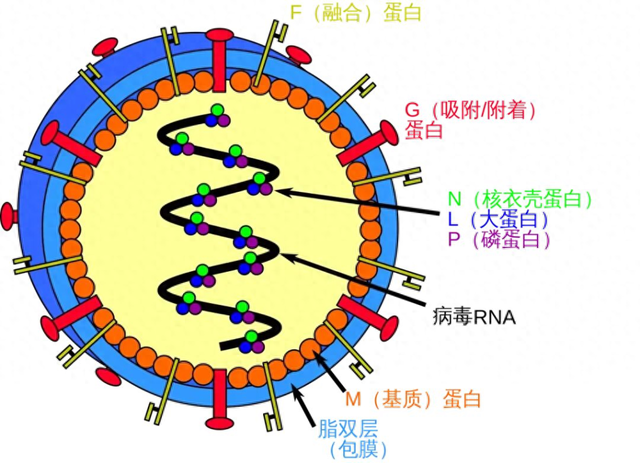
Core Viewpoint - The recent outbreak of Nipah virus in West Bengal, India, has raised concerns, leading to increased preventive measures in neighboring countries and a significant rise in stock prices of vaccine and IVD companies in the A-share market [1][12]. Group 1: Nipah Virus Overview - Nipah virus (NiV) is a zoonotic RNA virus with a high mortality rate, classified as a biosafety level 4 pathogen by WHO, with a fatality rate ranging from 40% to 75% [6][8]. - The natural reservoir for Nipah virus is fruit bats, which can transmit the virus to humans through contaminated food or environments [6][8]. - Recent data indicates that India has experienced a resurgence of Nipah virus cases, particularly in Kerala and now West Bengal, with localized outbreaks showing high fatality rates [7][8]. Group 2: Market Impact - Following the news of Nipah virus cases, the A-share vaccine and IVD sectors saw a collective surge, with companies like Hualan Biological and Jindike hitting the daily limit up [1][12]. - Specific stock performances included Hualan Biological at 23.34 with a 20% increase, Jindike at 25.28 with a 19.98% increase, and others like Zhifei Biological and CanSino also showing significant gains [2][3]. Group 3: Detection and Response - Early detection of Nipah virus is crucial, with the incubation period ranging from 3 to 14 days, and initial symptoms resembling flu, which can lead to misdiagnosis [10][12]. - Various detection methods are in use, including antibody and nucleic acid tests, with companies like Zhijiang Biological and Daan Gene developing specific test kits for Nipah virus [10][11]. - The new revised "Law on Frontier Health and Quarantine" in China includes Nipah virus in its detection protocols, highlighting the importance of monitoring and response [10]. Group 4: Vaccine Development - Although there is currently no approved treatment for Nipah virus, research is ongoing, with vaccines entering clinical trials and monoclonal antibodies showing potential in compassionate use [12]. - Companies involved in vaccine development, such as Watson Bio, Zhifei Biological, and Hualan Biological, have seen stock price increases, reflecting investor optimism regarding potential future products [12].