抗战精神

Search documents
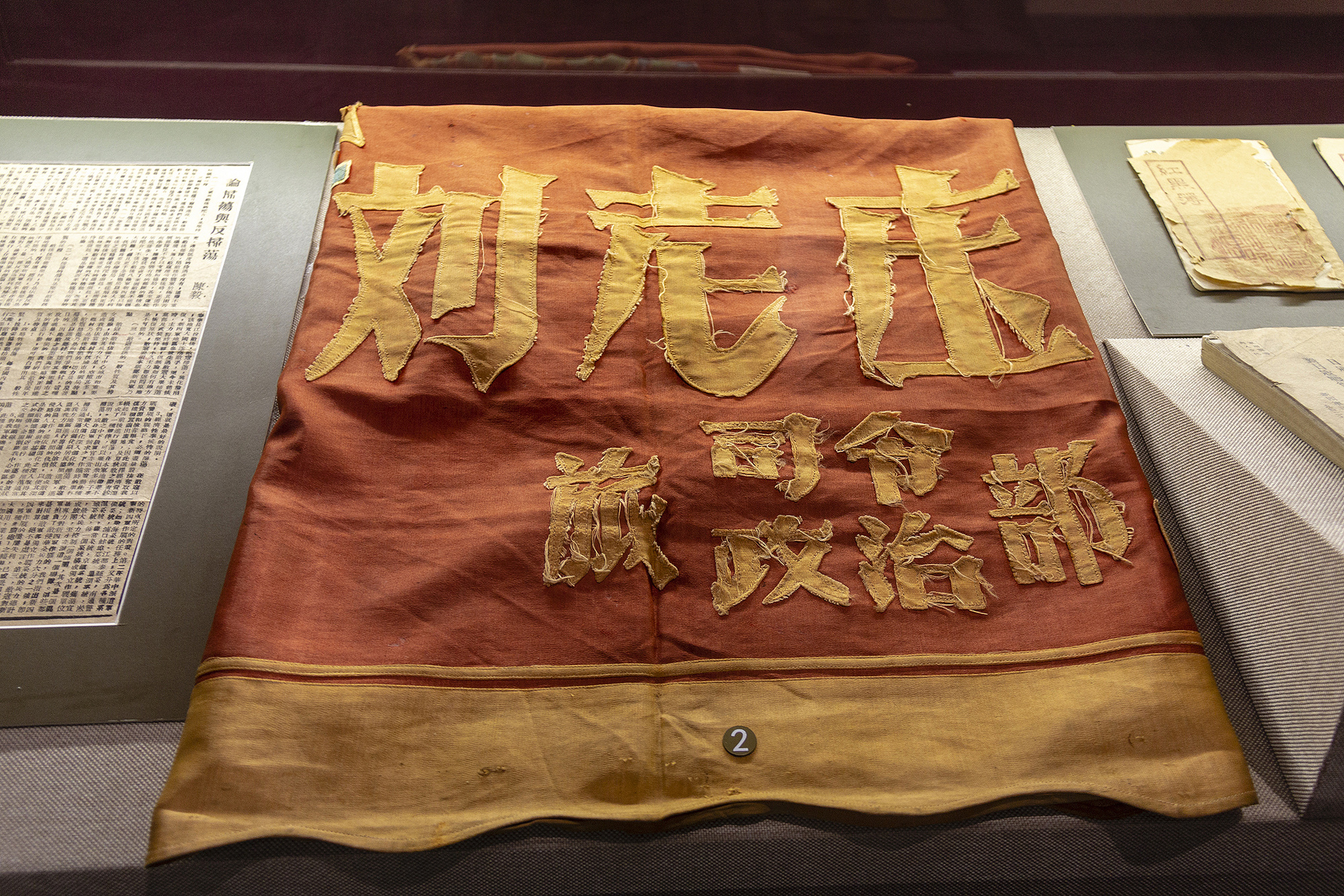
理响中国·烽火丹心丨血战到底!永恒的番号——刘老庄连
Yang Guang Wang· 2025-12-06 07:25
Core Points - The article commemorates the bravery of the "Liu Laozhuang Company," which consisted of 82 soldiers who fought valiantly against a much larger Japanese force during World War II, ultimately sacrificing their lives to protect their homeland [4][6][7] - It highlights the historical significance of the company, which was officially named "Liu Laozhuang Company" in 1943 after their heroic stand against the enemy [3][4] - The piece emphasizes the enduring spirit and legacy of these soldiers, particularly in the context of the 80th anniversary of the victory in the Chinese People's War of Resistance Against Japanese Aggression [9] Summary by Sections - **Historical Context**: In March 1943, the Japanese army launched a large-scale offensive against the anti-Japanese base in northern Jiangsu, prompting the New Fourth Army's 4th Company to engage in a critical battle to protect local party and government officials [3] - **Battle Details**: The 4th Company, led by Company Commander Bai Sicai and Political Instructor Li Yunpeng, faced overwhelming odds with only 82 soldiers against over a thousand well-equipped Japanese troops. They fought from dawn until dusk, using every means available to resist the enemy [4] - **Heroic Legacy**: The 82 soldiers' sacrifice is commemorated as they transformed their final stand into a symbol of heroism, with their actions leading to the establishment of the "Liu Laozhuang Company" as a permanent honorific title [4][6] - **Cultural Remembrance**: The article mentions a series of micro-videos produced to honor the memory of these soldiers and promote the spirit of resistance, coinciding with the 80th anniversary celebrations [9]

理响中国·烽火丹心|人民战争写传奇!他让日寇闻“雷”丧胆
Yang Guang Wang· 2025-12-04 03:43
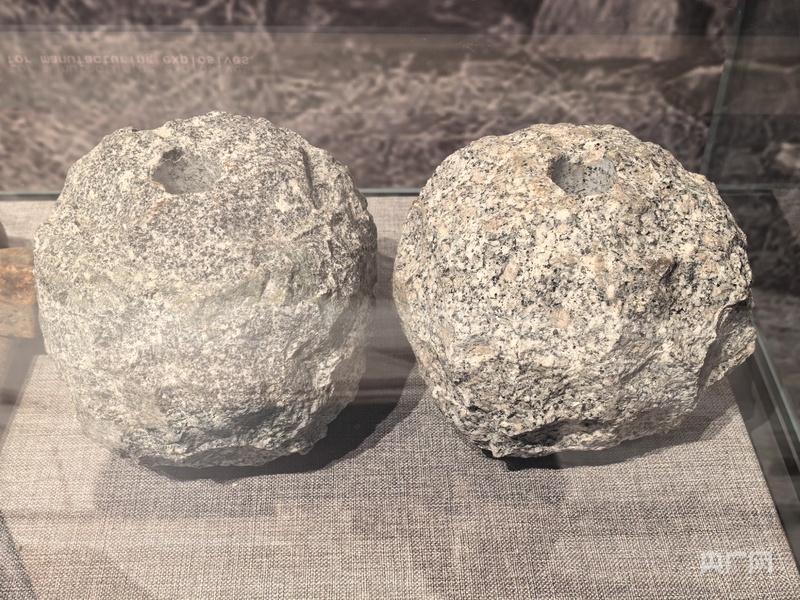
0:00 1942年秋 胶东大地硝烟弥漫 日寇铁蹄踏碎烟台海阳的宁静 三面环山、一面濒海的小城 成了侵略者"扫荡"胶东的必经之路 没有先进的武器弹药 海阳民兵举起农家锤与钢钎 将漫山青石凿成杀敌利器 "一块青石蛋,当中凿个眼,装上四两药,安上爆发管" 村民口中的顺口溜 是民兵们用智慧换来的"制雷秘籍" 地雷战纪念馆馆藏石雷和制作炸药的石碾(央广网记者 刘佳音 摄) 于化虎——这位被许世友司令员改名的"胶东猛虎" 曾创下单雷杀敌7名的纪录 飞行爆炸雷、包袱雷、头发丝雷 他发明的30多种地雷战术 让日寇闻"雷"丧胆 "我是一个共产党员,不能怕死" 他潜入敌巢前对战友的嘱托 至今仍在海阳山谷间回响 于树良珍藏的爷爷于化虎的老照片(央广网记者 刘佳音 摄) 在于化虎之孙于树良家中 82年前的铁雷、石雷、马灯、制雷夹静静陈列 "爷爷晚上用马灯照着制作石雷,白天和敌人作战" 后辈的讲述里,老物件有了温度 "镇妖石"前游客络绎不绝 老电影《地雷战》的取景地 如今成了红色教育基地 实景演出中,烟火爆破声里 民兵埋雷、群众支援的场景重现 海阳地雷战景区实景演出(央广网记者 刘佳音 摄) 八十二年过去了 石雷上的凿痕未曾褪色 当 ...
理响中国·烽火丹心|晴隆二十四道拐:刻在山路上的“抗战生命线”
Yang Guang Wang· 2025-12-01 07:19
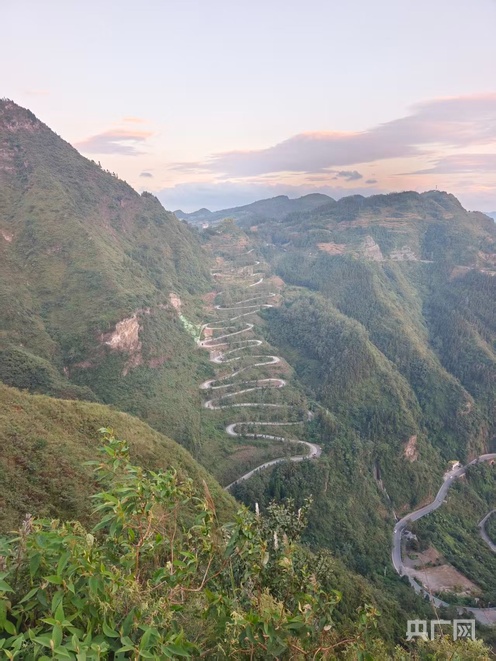
依山而建的二十四道连续弯道,镌刻着烽火岁月的运输记忆(央广网记者 栾小琳 摄) 盘江桥与晴隆二十四道拐在这条路上衔接 车轮滚滚 将数十万吨战略物资送抵前线 亦将无数人赤诚留于险路 修路的人来自军营、道班和山野 来自平凡街巷 也来自田间地头 他们开山 凿石 一句"保桥护路"的号召 让无数无名英雄毅然奔赴"生死线" 成为滇黔公路上最坚韧的"守路人" 用血肉之躯护住了物资运输的"咽喉" 他们中 有人镇守桥畔,日夜巡逻 有人踏遍绝壁,设计二十四道弯 为了一个共同的信念 "守住这条路,就是守住国家" 1937年,全面抗战爆发 东部沿海交通线被无情切断 一条路 扛起了民族存续的重担 邹岳生(资料照片) 39岁的黔滇公路总段长邹岳生 带着勘测队攀绝壁、测地形 油灯下计算千万次坡度弯道 用碎石屑替代砂子铺路 让直线350米、坡度近60度的险山 变成了"生命线"的关键一环 这位"山路设计师" 用智慧和汗水 抗战全面爆发后 汇聚成滇黔公路上的不屈脊梁 晴隆二十四道拐的故事印证着 平凡人也能铸就大担当 八十多年过去 盘江桥与二十四道拐 仿佛一组时间的浮雕 #1 四六百 B N F t 刻在山路上的"抗战生命线" 让每一块石板,每一 ...
理响中国·烽火丹心丨无畏逆行!日军细菌战中他用生命战斗
Yang Guang Wang· 2025-11-28 05:13
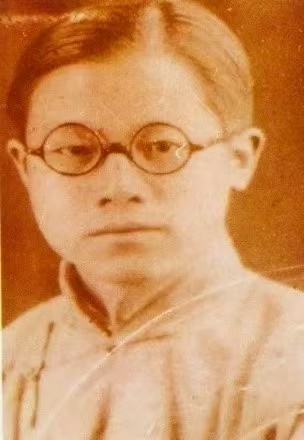
日军飞机在浙江衢州上空撒下 掺有病菌的粮食、棉絮和宣传单 一场瘟疫随之席卷全城 当时的浙江 医护人员极度稀缺 此时 从同济大学毕业的刘宗歆 正由皖南新四军军部回到金华 奉命担任第312医疗队队长 他率队奔赴浙江衢县 (刘宗歆照片) 由于战乱时期的医疗条件有限 抗疫形势十分危急 临危受命的刘宗歆 一边参与防治工作 一边查阅资料,学习钻研 逐步积累了一些防疫要领 并在《军医杂志》上发表了一篇 关于治疗鼠疫的文章 以帮助各地开展防疫工作 投入到扑灭鼠疫战斗中 (疫区物品福尔马林熏蒸消毒情形 来源《宁波鼠疫纪实》) 1941年秋冬 义乌爆发鼠疫 中国红十字会医疗队 率队前往 妻子怕他被传染 劝他说"你在衢县不也是防治鼠疫吗?" 他说 1940年10月 最后一封家书中提到 "我在义乌诊治鼠疫已得五十多人 "我是一个医生 哪里有病人,我就要到哪里去 我在衢县防治鼠疫已有一定经验 我去不是更好吗?" 拟组队前去支援 刘宗歆主动请战 (刘宗歆家书) 1941年12月26日 刘宗歆在生前写给妻子陈娟的 半死半活 (发病后一天半内服药者多治愈 二天后服药者多死亡) 疫势未减,很忙 短时间不能走开" 1941年底的一天傍晚 刘宗歆 ...
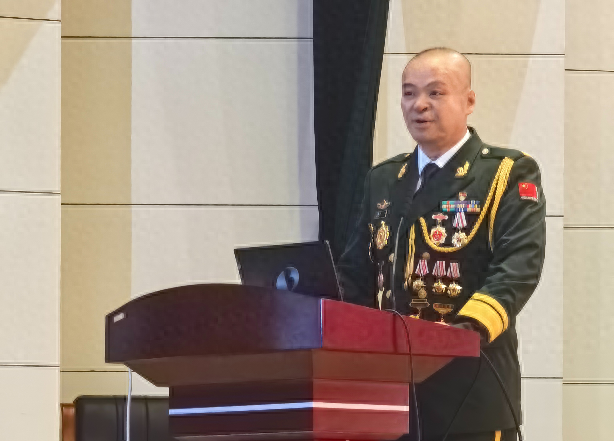
军魂不灭!老兵在包钢宣讲抗战精神
Nei Meng Gu Ri Bao· 2025-11-27 14:29
Core Viewpoint - The event commemorates the 80th anniversary of the victory in the Chinese People's War of Resistance Against Japanese Aggression and the World Anti-Fascist War, aiming to instill the spirit of resistance in steel enterprises through the stories of veterans [1][3]. Group 1: Event Overview - The event was held at Baogang Group and was co-hosted by various governmental bodies in Inner Mongolia [1]. - The purpose of the event is to ensure that the spirit of the anti-war effort is passed down through generations within the steel industry [1]. Group 2: Veteran Stories - Five veterans shared their experiences, highlighting themes of dedication to society and service [3]. - Yang Zhanzheng spoke about veterans' commitment to their communities, while Liu Xiaoyu recounted leading over a thousand veterans in emergency rescue efforts [3]. - Other veterans shared personal stories that emphasized patriotism and the enduring spirit of service, reinforcing the idea that military values persist beyond active duty [5]. Group 3: Impact on Employees - The stories shared by the veterans resonated deeply with Baogang employees, inspiring them to transform their emotional responses into motivation for their work [8]. - Employees expressed a commitment to embody the fighting spirit of the veterans in their daily tasks within the steel production environment [8].

理响中国·烽火丹心|传递抗战胜利密码!他们是电波里的“无名英雄”
Yang Guang Wang· 2025-11-25 08:56
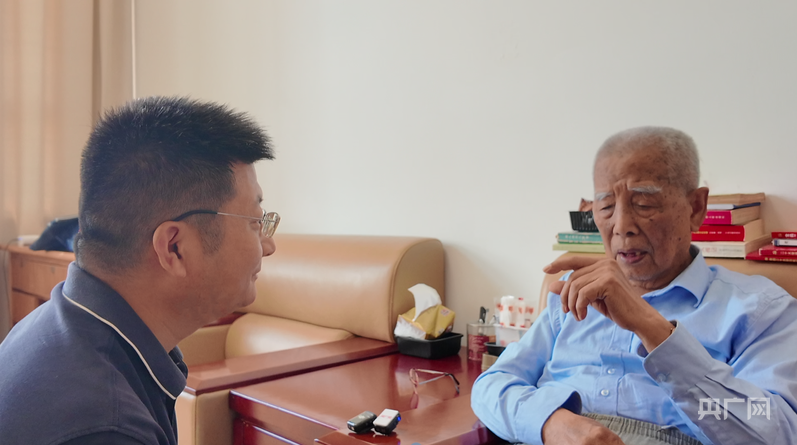
"我们是首长的'眼睛', 译错一个字, 有可能影响战局!" 说起八路军机要员的重要性 焦克明老人说 "机要员的战场没有硝烟, 却关乎千军万马。" 焦克明向记者讲述战争场景(央广网实习记者 王薪媛 摄) 96岁的焦克明 出生于河北省河间市李家安村 抗日战争时期 日军深入冀中腹地的重要据点 童年时 他常随家人躲进地道躲避"扫荡" 水缸后、柴火下的地道口 成了刻在记忆里的生存印记 1944年,焦克明投身革命 成为小学教师、中心小学校长 在课堂上给孩子播撒反抗的种子 这颗种子也在他心里扎了根 1945年,焦克明入党 并调入冀中军区第九军分区机要科 成为一名译电员 "译错一个字,仗就可能打输" 他深知 机要工作是指挥系统的"神经中枢" 每天处理上百份加密电文 指尖磨出血泡是常事 困了就趴在桌上眯一会儿 酷夏汗水浸透密码纸 寒冬冻僵手指 译电工作从未停歇: "我们的性命, 早和密码本拴在一起了" 他的腰间常年别着两样"武器": 汽油瓶和手枪 前者用于危急时刻烧毁密码本 后者是留给自己的最后防线 在冀中平原的青纱帐里 他和战友把发报机藏在秸秆间 用油布防雨、捂住"嘀嗒"声 在炮火中坚守"情报重于生命"的准则 一次指挥部遇袭 ...
理响中国·烽火丹心丨太行铸剑!抗战中的兵工脊梁
Yang Guang Wang· 2025-11-23 14:04
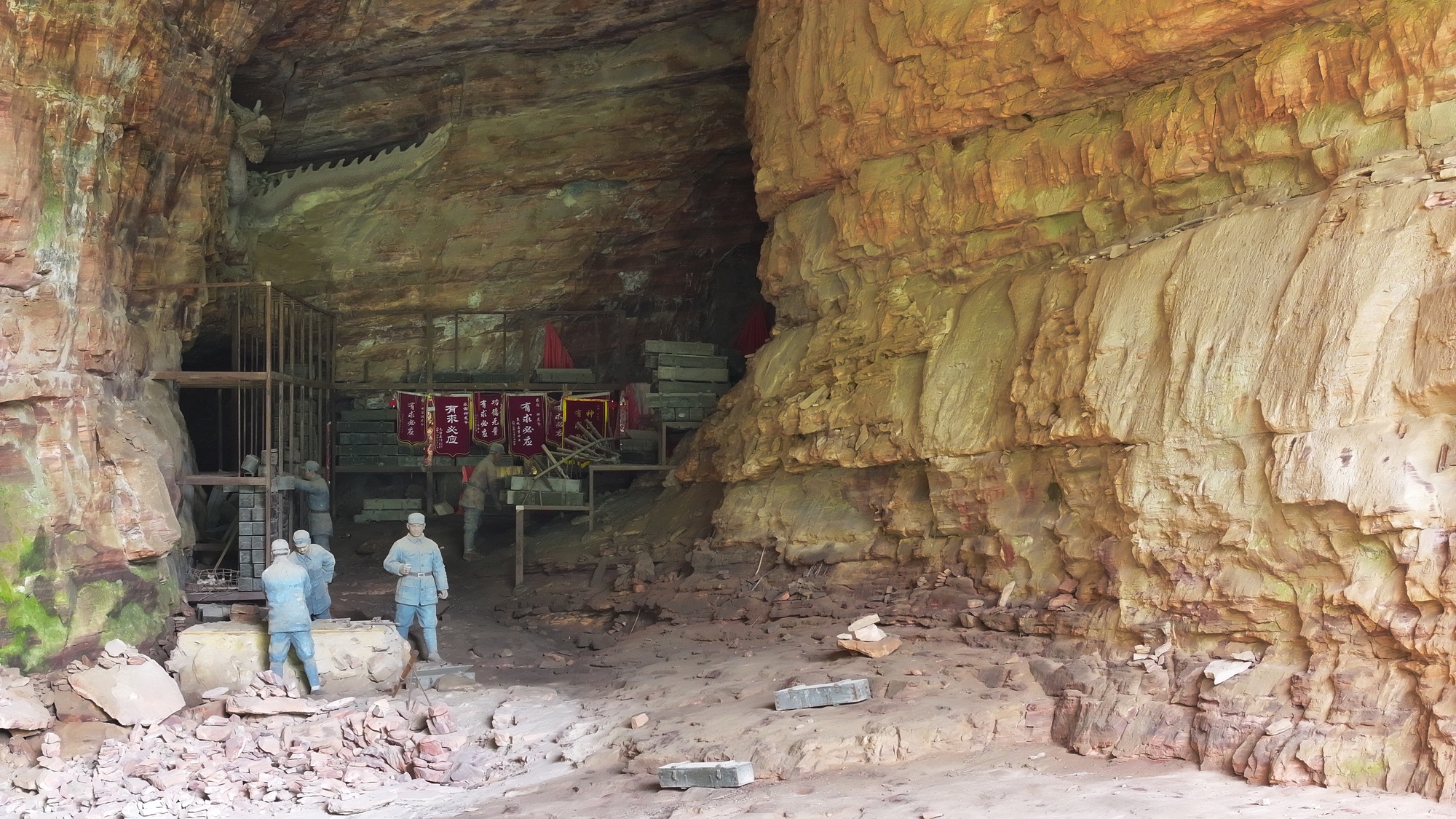
Core Viewpoint - The article highlights the historical significance of the Huangyadong Armory Factory, which played a crucial role in China's resistance against Japanese aggression during the Second Sino-Japanese War, showcasing the spirit of perseverance and innovation in military production [8][24]. Group 1: Historical Context - In the summer of 1939, the Huangyadong Armory was established to expand military production and avoid enemy destruction, becoming the largest armament base in the early anti-Japanese resistance [8][24]. - The factory was officially completed and put into operation by the end of 1939, named "Eighth Route Army Headquarters Military Industry Department No. 1" [8][12]. Group 2: Production Achievements - The factory was capable of producing weapons to equip sixteen regiments annually, with significant innovations in weapon design and manufacturing processes [8][14]. - By 1941, the Huangyadong Armory had produced over 3,000 "Type 81" rifles and more than 800 "50mm" cannons, along with over 20,000 shells [15][17]. Group 3: Military Engagements - The growth of the Huangyadong Armory prompted a significant military response from Japanese forces, leading to a fierce battle on November 11, 1941, where the Eighth Route Army successfully defended the factory against a much larger enemy force [19][23]. - The battle resulted in a remarkable victory for the Chinese forces, achieving a casualty ratio of 6:1 against the Japanese [23]. Group 4: Legacy and Commemoration - Over eighty years later, the story of Huangyadong continues to resonate, symbolizing the evolution of military technology from rudimentary weapons to advanced artillery and missiles [24][28]. - The article emphasizes the enduring spirit of the people involved in the armory's operations, honoring their sacrifices and contributions to national defense [29].
理响中国·烽火丹心︱一方残碑,两重铭刻!
Yang Guang Wang· 2025-11-21 06:41
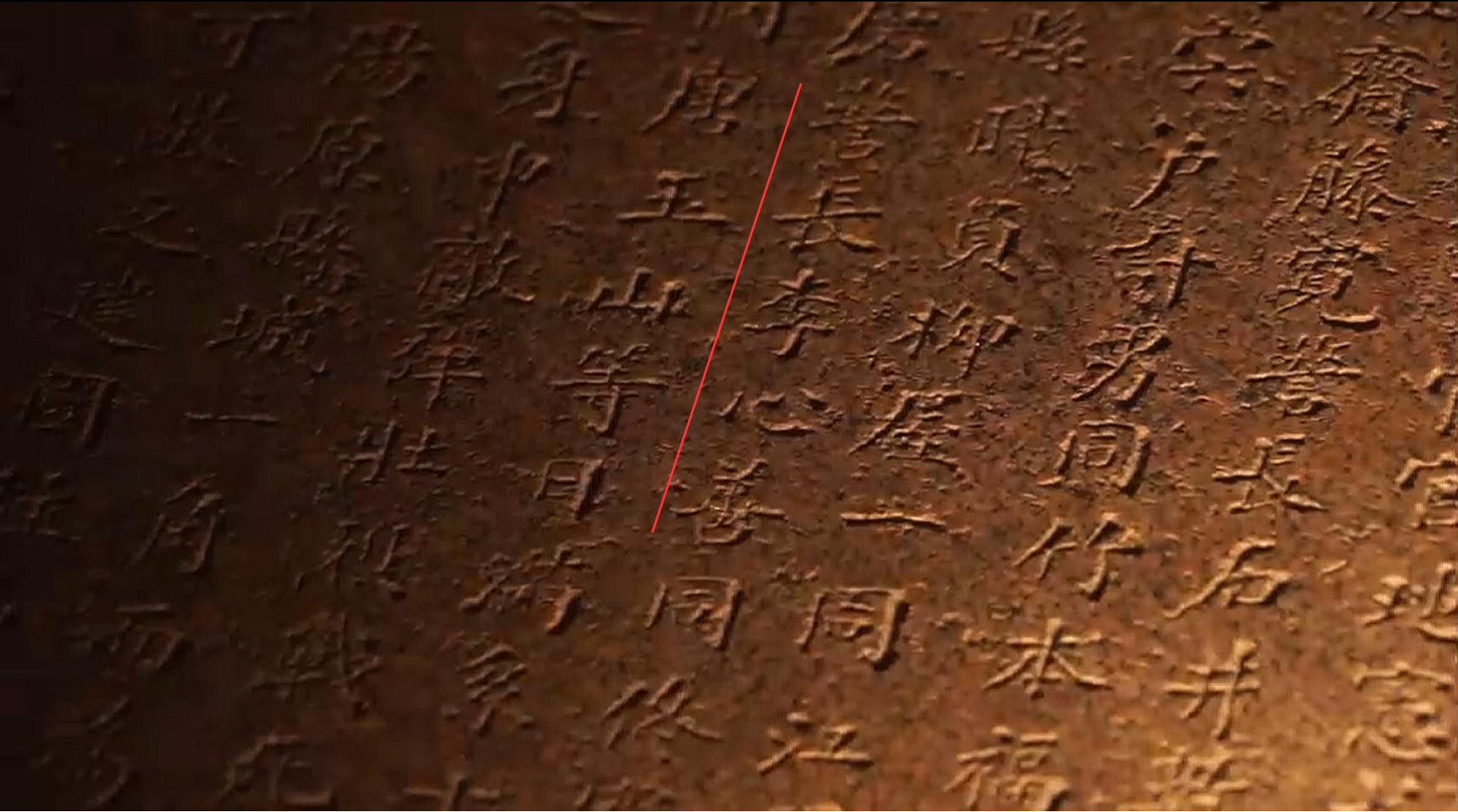
Core Viewpoint - The article reflects on the historical significance of a granite monument in Tangyuan County, Heilongjiang Province, which commemorates the resistance against Japanese invasion during World War II, highlighting the dual narratives of heroism and betrayal associated with the figures inscribed on it [1][6]. Group 1: Historical Context - The granite monument, known as the "Loyalty Tower," was destroyed by the Soviet Red Army in 1945 and bears the names of Japanese invaders, symbolizing the oppression faced by local citizens [1][6]. - The article discusses the actions of Li Xinsan, a local figure who was both a "puppet police chief" and an underground resistance member, illustrating the complexities of loyalty and betrayal during the occupation [3][6]. Group 2: Personal Sacrifice - Li Xinsan's efforts in providing intelligence to the Northeast Anti-Japanese United Army are highlighted, showcasing his role in undermining Japanese control [3][5]. - The narrative emphasizes the irony of Li Xinsan being honored by the invaders while the local populace recognizes him as a true hero, reflecting the contrasting perceptions of historical figures [5][6]. Group 3: Legacy and Remembrance - The article concludes with a reflection on how history will ultimately reveal the true nature of individuals, with the granite monument serving as a silent witness to the past [10][12]. - It mentions a series of micro-videos commemorating the 80th anniversary of the victory in the Anti-Japanese War, aimed at preserving the memory of the struggle and promoting the spirit of resistance [12].
第五届“携手圆梦——两岸同胞交流研讨活动”开幕
Xin Hua She· 2025-11-20 03:00
Core Points - The fifth "Hand in Hand to Realize Dreams - Cross-Strait Exchange and Seminar Activity" opened in Chengdu, with a congratulatory letter from Wang Huning emphasizing the importance of a unified China and the historical significance of Taiwan's recovery [1][2] - The theme of the event is "Remembering History, Defending Achievements, Protecting the Homeland, and Creating the Future," highlighting the determination of both sides of the Taiwan Strait to uphold the one-China principle and achieve national reunification [1][2] Summary by Sections Event Overview - The event is co-hosted by the Cross-Strait Relations Research Center and patriotic unification groups from Taiwan, with over 200 participants including political figures and experts from both sides [2] Historical Context - Wang Huning referenced the victory in the Anti-Japanese War and Taiwan's recovery as a significant achievement for the Chinese nation, reinforcing the idea that a strong and unified country is essential for all Chinese people, including those in Taiwan [1][2] Future Aspirations - The event aims to promote peaceful development of cross-strait relations and advance the cause of national reunification, in line with the resolutions from the 20th Central Committee of the Communist Party of China [2]
青年的“侨批”:寄向祖国也寄向未来
Zhong Guo Qing Nian Bao· 2025-11-20 01:34
Core Viewpoint - The exhibition "Fires of War: The Heart of Overseas Chinese and National Sentiment from the Perspective of Overseas Chinese Letters during the War" showcases the emotional and historical significance of letters sent by overseas Chinese during the Anti-Japanese War, highlighting their patriotism and familial bonds [4][6][13]. Summary by Sections Exhibition Overview - The exhibition is organized into four chapters: "Broken Mountains and Rivers: The Awakening Voice," "Bloody Family Letters: Witness to Suffering," "National Duty: Sacrificing Family for the Nation," and "Fighting to the End: The Faith of Victory," featuring over a hundred precious letters and historical photos [6]. Youth Perspective - The letters from young overseas Chinese reflect a complex mix of emotions, including anger towards the Japanese military and deep concern for their families' safety, showcasing their strong sense of national responsibility [7][9]. - Youth letters often express a desire for national strength and modernization, contrasting with older generations' focus on family matters [8][10]. Support for the War - Overseas Chinese youth supported the war through financial contributions, with many participating in fundraising efforts despite their own financial struggles [10]. - They also engaged in boycotting Japanese goods and promoting anti-Japanese sentiment, demonstrating their commitment to the cause [10][11]. Contributions to the War Effort - The exhibition highlights the contributions of overseas Chinese youth in the "Flying Tigers," showcasing their roles in combat and support during the war [11][12]. - The letters reveal a growing awareness among overseas Chinese youth of the interconnectedness of personal and national destinies, influencing their future choices and educational aspirations [12][14]. Emotional Resonance - The personal letters provide a vivid portrayal of the emotional landscape of overseas Chinese during the war, emphasizing their genuine love for their homeland and the impact of war on families [13][15]. - The exhibition aims to foster a deeper understanding of the cultural and historical significance of these letters, encouraging collaboration in promoting their legacy [13].