
Buy Now

Search documents
Sezzle’s MoneyIQ Reaches One Million Lessons in Its First Year
Globenewswire· 2025-12-18 12:54
Core Insights - Sezzle's in-app financial literacy program, MoneyIQ, has achieved over one million lessons completed by more than 200,000 users in under a year, highlighting its growing popularity as a comprehensive platform for shopping, rewards, and financial education [1][2][8] Group 1: Financial Literacy Program - MoneyIQ is designed to enhance users' long-term financial well-being by integrating financial education into the Sezzle app, allowing users to learn while managing payments and tracking spending [2][5] - The program features bite-sized lessons focused on practical financial skills, developed under the National Standards for Personal Finance Education, and is powered by Zogo [5][6] - Following the launch of MoneyIQ, user confidence in financial management increased significantly, with 51% of users feeling "very confident" about their finances, up from 37% prior to the program [6] Group 2: User Engagement and Incentives - Users earn experience points for completing lessons, which can be redeemed for Sezzle Spend, promoting positive financial habits and responsible behavior [7] - The most commonly completed lessons include essential skills such as opening a bank account, saving money, repaying debt, building a budget, and improving credit [9] Group 3: Market Context and Company Vision - As the Buy Now, Pay Later (BNPL) model becomes more mainstream, Sezzle aims to redefine its role by ensuring that it supports both purchasing power and users' long-term financial confidence [8] - The initiative addresses a significant gap in financial literacy, particularly among Gen Z, where 28% report lacking financial knowledge, which correlates with lower confidence levels in managing finances [4]



BNPL Fintech Affirm Partners with REVOLVE to Bring Flexible Payments to UK and Canadian Consumers
Crowdfund Insider· 2025-12-16 19:03
Core Insights - Affirm and Revolve Group have expanded their partnership to facilitate easier payment options for consumers in Canada and the UK, allowing them to purchase fashion items without late or hidden fees [1][2] - Eligible consumers can now use Affirm's buy now, pay later (BNPL) service to split their purchases for various products, including apparel and accessories [1][2] - The partnership builds on an existing collaboration that began in the United States earlier this year, reflecting a growing trend towards flexible payment options in the retail sector [1][2] Company Overview - Revolve Group, Inc. is a fashion retailer targeting Millennial and Generation Z consumers, founded in 2003 by co-CEOs Michael Mente and Mike Karanikolas [2] - The company operates through two segments: REVOLVE, which offers a wide range of apparel and accessories, and FWRD, which focuses on luxury brands [3] - Affirm aims to provide transparent financial products that improve consumer lives and support business growth, differentiating itself by not charging late or hidden fees [3][4] Market Trends - The demand for flexible payment options is increasing, with Affirm's network reporting a 30% year-over-year growth in fashion and beauty purchases as of the quarter ended September 30, 2025 [2] - Leading global brands, including Adidas and Canada Goose, utilize Affirm's services at checkout, indicating a broader acceptance of BNPL solutions in the retail industry [2]




Mastercard and LoanPro to Enable Delivery of Installment Loans Through Cards
PYMNTS.com· 2025-12-16 15:29
Core Insights - Mastercard and LoanPro are set to launch the "Loan on Card" program in 2026, which will allow lenders to offer installment loans through both virtual and physical Mastercard cards [2][3] - The program aims to enhance loan enablement for lenders by merging fixed installment loan structures with the convenience of Mastercard, providing borrowers with instant access to funds usable anywhere Mastercard is accepted [2][3] Company Collaboration - The "Loan on Card" initiative will leverage Mastercard's global payments network and the Mastercard Installments program, with LoanPro collaborating with issuing banks and lenders for the program's rollout [3] - Mastercard's senior vice president emphasized the goal of delivering flexible funding solutions to consumers and small businesses through the trusted Mastercard network [3] Market Trends - The launch of the Loan on Card program is positioned as a response to the growing demand for flexible installment solutions, reflecting a significant shift in consumer preferences towards installment payments [4][6] - Mastercard's previous launch of the Mastercard Installments program in September 2021 aimed to broaden point-of-sale installment lending, indicating a strategic focus on expanding lending capabilities in a rapidly evolving market [4][5]

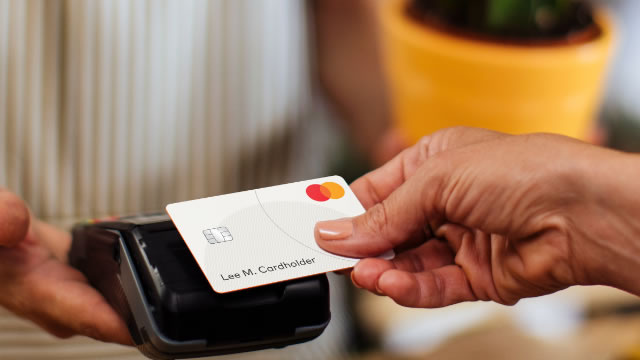
BNPL loan values rise, CFPB says
Yahoo Finance· 2025-12-15 10:52
This story was originally published on Payments Dive. To receive daily news and insights, subscribe to our free daily Payments Dive newsletter. The size of buy now, pay later loans have increased as more U.S. consumers rely on them, according to a Consumer Financial Protection Bureau study released last week. The average dollar value of a BNPL loan grew to $848 in 2023 from $745 in 2022, a 14% increase, the agency's research found. The bureau unveiled the study — which looked at buy now, pay later loans i ...
How Gen Z uses credit cards differently
Yahoo Finance· 2025-12-12 18:59
With many Americans feeling economically anxious about the holiday season, consumers are increasingly turning to credit cards and "buy now, pay later" financing arrangements. On this week's episode of Financial Freestyle, host Ross Mac speaks with Tanuj Parikh, the head of commercial at Cash App, about the rise of digital payment apps and how they are transforming the financial lives of younger shoppers. Tanuj discusses splitting purchases into multiple payments, ways to spend within your budget, and the ra ...

Affirm Expands Merchant Network: But Is Revenue Growth Keeping Up?
ZACKS· 2025-12-12 17:30
Core Insights - Affirm Holdings, Inc. (AFRM) is rapidly expanding its merchant network, enhancing its position in the buy now, pay later (BNPL) market with a 30% year-over-year increase in active merchants to 419,000 in Q1 FY26 [1][8] Merchant Network Expansion - The expanding ecosystem allows AFRM to strengthen its presence in both small-ticket and big-ticket purchases, creating more opportunities for transaction volume growth and user engagement [2] - The flexible payment technology offered by AFRM aids merchants in improving checkout experiences and boosting conversion rates [2] Revenue Growth - Revenue growth is keeping pace with the expansion, with total revenues increasing by 34% year over year in Q1 FY26, supported by initiatives like the Affirm Card that promote deeper adoption and frequent usage [3][8] - Smaller purchases and interest-free plans contribute to user engagement, establishing long-term usage habits that are expected to enhance revenues as repeat customers and larger transactions increase [3] Competitive Landscape - Competitors in the BNPL space include Klarna Group plc (KLAR) with a merchant network of 850,000 and 3.4 million daily transactions, reporting a 28% year-over-year revenue increase in Q3 2025 [5] - PayPal Holdings, Inc. (PYPL) reported 438 million active accounts and a 7% year-over-year revenue increase to $8.4 billion in Q3 2025, with total payment volume rising by 8% [6] Valuation and Estimates - AFRM shares have gained 13.3% year-to-date, outperforming the industry average of 9.5% [7] - The forward price-to-sales ratio for AFRM is 5.09, above the industry average of 4.92, with a Zacks Value Score of D [9] - The Zacks Consensus Estimate for fiscal 2026 earnings implies a 566.7% growth from the previous year, with a revenue growth estimate of 26% year-over-year [10]
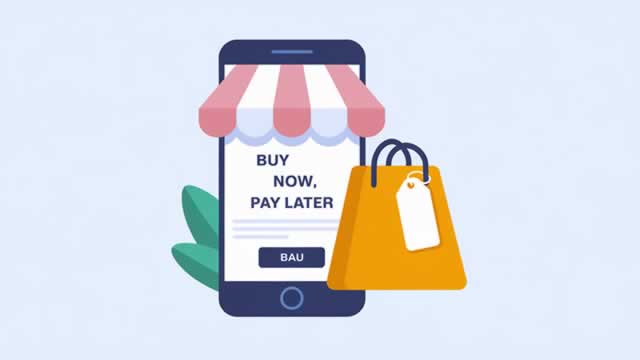
Block's Afterpay Expands Partnerships: Will it Boost Holiday Sales?
ZACKS· 2025-12-10 17:45
Core Insights - Block, Inc.'s subsidiary Afterpay has announced new partnerships to enhance payment flexibility for consumers ahead of the holiday shopping season [1] Group 1: Partnerships and Offerings - Afterpay has formed partnerships with various brands across multiple categories, including Fashion & Apparel (Jenni Kayne, Diesel), Footwear & Outdoors (Hibbett, Tecovas), Jewelry & Accessories (Effy Jewelry), Home & Creative (Z Gallerie), and Beauty (Caliray Beauty) [2][3] - Many of these brands will provide Afterpay services both online and in select retail locations, allowing customers to manage their budgets more effectively [3] Group 2: Consumer Trends and Research - Research indicates that 44% of financially stressed consumers plan to utilize Buy Now, Pay Later (BNPL) services for holiday shopping this year, with 63% of Gen Z consumers preferring BNPL over credit cards due to its transparency [4] - Afterpay's "Pay in 4" service allows customers to split purchases into four interest-free installments, while "Pay Monthly" facilitates larger purchases over time [5] Group 3: Market Performance and Valuation - Block's shares have declined by 27.6% year to date, underperforming the broader industry and the S&P 500 Index [8] - The Zacks Consensus Estimate for Block's full-year 2025 EPS has been revised downward, indicating a projected 28.2% decrease year over year [11] - Block's current valuation is considered overvalued, reflected by a Value Score of C [10]

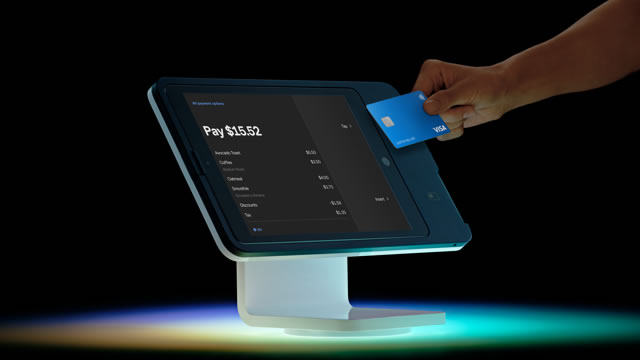
ETFs Poised to Gain From Black Friday's $11.8B Online E-Commerce Sales
ZACKS· 2025-12-09 19:45
Core Insights - Retail and e-commerce companies saw a significant increase in online spending during Black Friday, with U.S. consumers spending a record $11.8 billion, marking a 9.1% year-over-year growth [1][4] - The surge in online sales is expected to enhance the financial outlook for major e-commerce platforms such as Shopify, Amazon, and eBay, as well as the ETFs that include these companies [2][6] E-commerce Performance - The record sales were driven by a shift towards digital platforms, with e-commerce growth outpacing in-store traffic, supported by aggressive discounting and the adoption of technologies like AI and BNPL services [3] - Adobe reported an 805% increase in AI traffic to U.S. retail sites compared to the previous Black Friday [3] - U.S. e-commerce sales exceeded Adobe's forecast of 8.3% growth, with Salesforce reporting a global online spending of $79 billion, up 6%, and U.S. sales of $18 billion, up 3% [4] Individual Platform Results - Shopify merchants achieved a record $6.2 billion in sales on Black Friday, reflecting a 25% year-over-year increase [5] - Amazon's marketplace and fulfillment services likely allowed it to capture a significant share of online spending [5] ETFs and Investment Opportunities - Investing in ETFs provides a diversified approach to capitalize on the e-commerce trend, reducing volatility and risk associated with individual stocks [7] - The strong Black Friday performance indicates robust consumer demand for digital retail, positioning specific ETFs for growth [8] ETF Highlights - **Global X E-commerce ETF (EBIZ)**: Net assets of $53.1 million, exposure to 41 companies, top holdings include Shopify (5.26%) and Alibaba (5.16%), gained 2.8% leading up to Black Friday, up 18.1% year to date [9] - **ProShares Online Retail ETF (ONLN)**: NAV of $60.09 per share, exposure to 19 companies, top holdings include Amazon (23.05%), Alibaba (11.92%), and eBay (8.05%), gained 3.4% leading up to Black Friday, up 34.7% year to date [11] - **VanEck Retail ETF (RTH)**: Assets worth $256 million, exposure to 26 major retailers, top holdings include Amazon (19.62%), Walmart (10.37%), and Costco (7.35%), gained 3.7% leading up to Black Friday, up 12.9% year to date [12]


How Is Affirm Threading BNPL Growth Through Pacsun's Holiday Cart?
ZACKS· 2025-12-05 14:40
Core Insights - Affirm Holdings, Inc. (AFRM) has partnered with Pacsun to offer pay-over-time options at checkout, targeting holiday shoppers [1][9] - The partnership allows Pacsun customers to choose interest-free biweekly payments or longer monthly plans up to 24 months, enhancing customer engagement [2][9] - Affirm's strategy of no hidden fees or late fees is expected to drive transaction volume and customer loyalty [2] Group 1: Partnership and Strategy - The collaboration with Pacsun aims to capture increased demand during the holiday season, a critical time for retail sales [1][4] - Pacsun is incentivizing customers with a limited-time 10% discount using a special AFFIRM code, promoting higher adoption of the BNPL service [2] - The fashion retail sector is well-suited for buy now, pay later (BNPL) services due to the nature of frequent and impulse purchases [3] Group 2: Financial Expectations - Affirm anticipates December quarter revenues to be between $1.03 billion and $1.06 billion, driven by the holiday shopping surge [3][9] - The company expects its gross merchandise volume (GMV) for the December quarter to range from $13 billion to $13.3 billion [4] Group 3: Market Position and Competitors - Affirm's merchant network has expanded to 420,000 partners, enhancing its visibility among a younger audience that favors installment payments [3] - Competitors like PayPal and Block are also expanding their BNPL services, with PayPal reporting an 8% increase in total payment volume to $458.1 billion [5] - Block's BNPL platform achieved a GMV of $9.7 billion, reflecting a 17% year-over-year increase, indicating a competitive landscape [6] Group 4: Valuation and Earnings Estimates - Affirm's shares have increased by 12.8% year to date, outperforming the broader industry but lagging behind the S&P 500 Index [7] - The company trades at a forward price-to-sales ratio of 5.08X, higher than the industry average of 4.83X, indicating a premium valuation [11] - The Zacks Consensus Estimate predicts a significant earnings surge for Affirm, with a projected 566.7% year-over-year growth for fiscal 2026 [13][14]

X @Bloomberg
Bloomberg· 2025-12-05 09:05
Affirm CEO Max Levchin breaks down how "Buy Now, Pay Later" really works https://t.co/eGBTDegTNK ...