
两国方案

Search documents
17国呼吁:哈马斯放下武器 各方落实“两国方案”
Xin Hua She· 2025-07-30 07:58
本轮巴以冲突自2023年10月爆发以来,已有超过6万名巴勒斯坦人在冲突中死亡、近15万人受伤。 新华财经北京7月30日电(记者包雪琳)沙特阿拉伯、法国等17个国家和一些地区组织29日在联合国一 场旨在解决巴以冲突的会议上呼吁巴勒斯坦伊斯兰抵抗运动(哈马斯)放下武器,提议在加沙地带建立 过渡性治理和安全机制,以切实举措推动落实"两国方案"。 由于加沙地带人道主义状况恶化,多国纷纷采取行动应对危机。法国将于8月1日向加沙地带空投40吨援 助物资,德法英三国外长拟于下周访问以色列。 呼吁哈马斯放下武器 联合国为和平解决巴勒斯坦问题和落实"两国方案"高级别会议29日结束,组织会议的沙特、法国联合十 多个国家及欧洲联盟、阿拉伯国家联盟发表一份7页声明,提出以"具体、有限定时间和不可逆的步 骤"推动落实"两国方案"。 声明写道:"我们同意采取集体行动结束加沙战事,在有效实施'两国方案'的基础上,公正、和平、持 久地解决巴以冲突。" 为结束加沙战事,声明呼吁"哈马斯必须结束在加沙的统治",在国际社会的参与和支持下"把武器交给 巴勒斯坦民族权力机构",这符合建立一个主权独立的巴勒斯坦国的目标。 前一天,巴勒斯坦代表团在这场会 ...
中方:反对以色列对加沙升级军事行动
Zhong Guo Xin Wen Wang· 2025-07-30 07:54
中新网北京7月30日电 (记者 曾玥 黄钰钦)中国外交部发言人郭嘉昆7月30日主持例行记者会。 有记者提问:近期,加沙人道主义局势引发国际社会广泛关切。法国总统马克龙、英国首相斯塔默 均表示可能在联合国大会上承认巴勒斯坦国。与此同时,有报道称以色列安全内阁仍在考虑对加沙地带 进行"全面军事占领",并对哈马斯活动较为活跃的某些城市中心"实施围困"。中方对当前加沙局势有何 评论? 郭嘉昆:中方高度关注当前加沙局势,反对以色列对加沙升级军事行动,对加沙人民遭遇的人道主 义灾难深表关切。本轮冲突已持续21个月,加沙人道局势恶化到前所未有的地步。世界卫生组织日前发 布的公报显示,今年以来加沙共报告74例营养不良死亡病例,仅本月就有63例,其中25例是儿童。这是 加沙人道主义灾难的最新例证。我们呼吁有关各方特别是以色列立即停止在加沙的军事行动,解除对加 沙的封锁围困,全面恢复人道物资准入,防止更大规模的人道主义危机。 巴勒斯坦问题是中东问题的核心,"两国方案"是解决巴勒斯坦问题的唯一现实出路。中方坚定支持 巴勒斯坦人民实现独立建国,愿继续同国际社会一道,推动早日平息加沙战火,缓解人道危机,落 实"两国方案",最终实现巴勒 ...
外交部:中方支持在联合国召开的落实“两国方案”高级别会议
Huan Qiu Wang· 2025-07-30 07:51
Core Viewpoint - China supports the high-level international conference on the Palestinian issue and the implementation of the "two-state solution," appreciating the efforts made by Saudi Arabia and France [1] Group 1: Conference and International Response - The conference, co-hosted by Saudi Arabia and France in New York, aims to promote a political resolution to the Palestinian issue [1] - China welcomes the strong call for the "two-state solution" from the conference, which aims to unify international consensus on the Palestinian issue [1] Group 2: China's Position and Actions - China's Middle East special envoy, Zhai Jun, attended the conference and emphasized the urgency of achieving a comprehensive ceasefire and alleviating the humanitarian crisis [1] - China advocates for the principle of "Palestinians governing Palestinians," supporting internal unity within Palestine and enhancing governance capacity and economic resilience [1] - The Chinese government views the Palestinian issue as central to the Middle East situation, asserting that the "two-state solution" is the only realistic way to resolve it [1]
英国:将于9月承认巴勒斯坦国 以色列:拒绝!英国“注定失败”
Xin Hua She· 2025-07-30 06:44
拉米随后在媒体见面会中表示,人们在加沙地带看到了最可怕的场景,国际社会对儿童在寻求援助时遭 到枪杀深感愤慨。英方当天发布的声明使英国"走上了承认巴勒斯坦国的道路"。 声明要求以色列允许联合国尽快恢复对加沙地带的人道主义援助以终结饥荒,同意停火,并表明不会吞 并约旦河西岸的巴勒斯坦领土。声明同时对巴勒斯坦伊斯兰抵抗运动(哈马斯)提出释放所有被扣押人 员等多个要求。 声明表示,英国愿与国际伙伴共同制定一项可信的和平方案,于停火之后的下一阶段在加沙地带建立过 渡性治理和安全机制,并确保人道主义援助规模充足、及时到位。 英国外交大臣拉米当天在联合国举行的和平解决巴勒斯坦问题和落实"两国方案"高级别国际会议上发表 讲话,认为对中东地区的未来而言,没有比"两国方案"更好的解决方案。"以色列人在其获得承认的安 全边界内生活,与邻国和平共处,免受恐怖主义威胁;巴勒斯坦人则在自己的国家里,过着有尊严、安 全的生活,不受占领。" 0:00 英国首相府29日发表声明说,如果以色列不采取实质性行动结束加沙地带骇人惨状,并承诺实现长期可 持续和平,英国将在9月联合国大会开幕前承认巴勒斯坦国,维护"两国方案"的可行性。 同日,以色列外交 ...
英法均考虑承认巴勒斯坦国,意味着什么?
Yang Shi Wang· 2025-07-30 04:19
英国首相斯塔默7月29日宣布,除非以色列满足达成停火协议、就长期和平进程作出承诺等条件,否则 将最早于今年9月承认巴勒斯坦国。这是英国政府首次为承认巴勒斯坦国设定具体条件和时间表。此 前,已有多个欧洲国家正式承认巴勒斯坦国,法国总统马克龙也于7月24日宣布该国将在9月联大上承认 巴勒斯坦国。 据新华社7月29日报道,英国首相府当日发表声明说,如果以色列不采取实质性行动结束加沙地带骇人 惨状,并承诺实现长期可持续和平,英国将在9月联合国大会开幕前承认巴勒斯坦国,维护"两国方 案"的可行性。声明要求以色列允许联合国尽快恢复对加沙地带的人道主义援助以终结饥荒,同意停 火,并表明不会吞并约旦河西岸的巴勒斯坦领土。声明同时重申对巴勒斯坦伊斯兰抵抗运动(哈马斯) 的要求:立即释放所有人质,与以色列达成立即停火协议,承诺解除武装,并接受不会参与加沙的治 理。 这份声明还表示,英国愿与国际伙伴共同制定一项可信的和平方案,于停火之后的下一阶段在加沙地带 建立过渡性治理和安全机制,并确保人道主义援助规模充足、及时到位。 承认巴勒斯坦国是什么意思? 在英国国内,斯塔默的几位内阁高级大臣,包括住房、社区和地方政府大臣雷纳和内政大臣库 ...
落实“两国方案”高级别国际会议举行 中方呼吁采取切实行动
Yang Shi Xin Wen Ke Hu Duan· 2025-07-30 02:13
Core Viewpoint - The international community is urged to take concrete actions to achieve comprehensive, just, and lasting peace between Palestine and Israel, and to implement the "two-state solution" [1][3][10]. Group 1: Current Situation - The ongoing conflict in Gaza has led to an unprecedented humanitarian crisis, undermining the foundation for the "two-state solution" [3][4]. - There is a pressing need for a comprehensive ceasefire in Gaza to alleviate the humanitarian crisis and create realistic conditions for the implementation of the "two-state solution" [4][10]. Group 2: Principles and Support - The principle of "Palestinians governing Palestinians" should be upheld to advance governance in Gaza and the West Bank [4][6]. - Support for Palestinian internal unity and enhancement of governance capacity and economic resilience is essential [8][10]. Group 3: Security and Cooperation - A common, comprehensive, cooperative, and sustainable security perspective is necessary for long-term stability in the Middle East [10]. - The security of Middle Eastern countries, including Palestine and Israel, is interdependent, and unilateral security measures are ineffective [10]. Group 4: Future Actions - The meeting is expected to inject new momentum into the "two-state solution," with a clear timeline and roadmap for action [11]. - The commitment to work with the international community to achieve a comprehensive, just, and lasting resolution to the Palestinian issue remains strong [11].

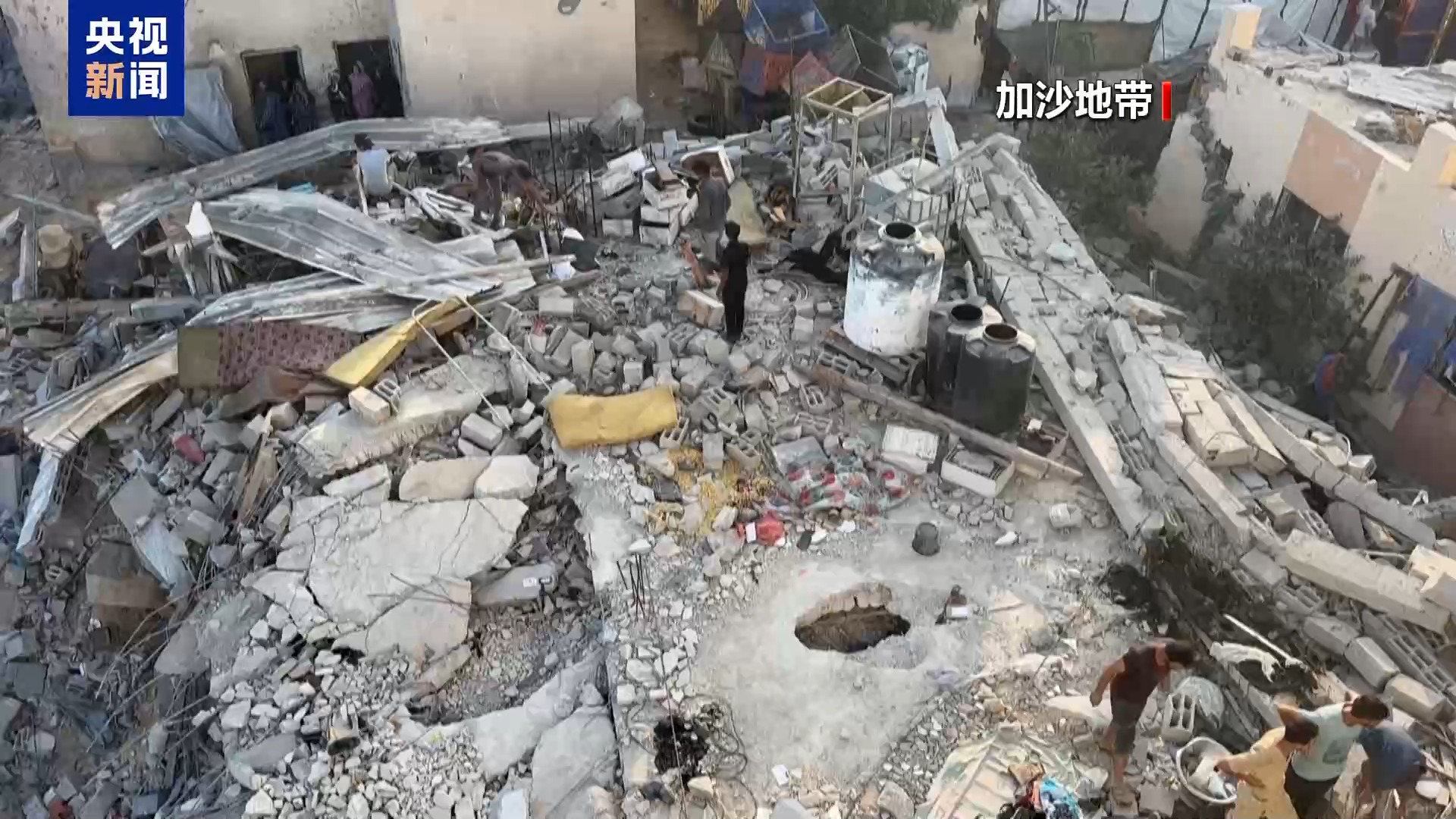
英国:若以色列不结束加沙惨状 英将承认巴勒斯坦国
Xin Hua She· 2025-07-30 01:11
声明表示,英国愿与国际伙伴共同制定一项可信的和平方案,于停火之后的下一阶段在加沙地带建 立过渡性治理和安全机制,并确保人道主义援助规模充足、及时到位。 英国首相府29日发表声明说,如果以色列不采取实质性行动结束加沙地带骇人惨状,并承诺实现长 期可持续和平,英国将在9月联合国大会开幕前承认巴勒斯坦国,维护"两国方案"的可行性。 拉米随后在媒体见面会中表示,人们在加沙地带看到了最可怕的场景,国际社会对儿童在寻求援助 时遭到枪杀深感愤慨。英方当天发布的声明使英国"走上了承认巴勒斯坦国的道路"。 声明要求以色列允许联合国尽快恢复对加沙地带的人道主义援助以终结饥荒,同意停火,并表明不 会吞并约旦河西岸的巴勒斯坦领土。声明同时对巴勒斯坦伊斯兰抵抗运动(哈马斯)提出释放所有被扣 押人员等多个要求。 据《金融时报》《泰晤士报》等媒体报道,法国总统马克龙24日宣布法国将在9月联大上承认巴勒 斯坦国后,已有230多名英国议会普通议员和约三分之一内阁成员敦促英国首相斯塔默承认巴勒斯坦 国。 英国外交大臣拉米当天在联合国举行的和平解决巴勒斯坦问题和落实"两国方案"高级别国际会议上 发表讲话,认为对中东地区的未来而言,没有比"两国方案 ...
美欧就加沙人道灾难施压 以色列军事行动未停
Xin Hua Wang· 2025-07-30 01:02
与此同时,据加沙地带民防部门29日消息,以军连夜空袭,造成加沙地带至少30名巴勒斯坦人死亡。另据以色列媒体报道,以安全内阁正在考虑 对加沙地带进行"全面军事占领"。 新华社北京7月29日电 美国总统特朗普28日在访问英国期间罕见批评以色列对加沙地带人道灾难"负有很大责任"。他与英国首相斯塔默一致认 为,需要采取紧急行动结束加沙苦难。同一天,法国在联合国会议上呼吁欧盟对以施压,以促成其与巴勒斯坦达成"两国方案"。 特朗普:以色列"负有很大责任" 美联社报道,特朗普28日与斯塔默在英国苏格兰南艾尔郡举行会晤,双方呼吁立即在加沙地带实现停火,采取紧急行动结束该地区民众的苦难。 特朗普当天表示,以色列对眼下加沙的状况"负有很大责任"。 特朗普说,"我认为以色列可以做很多事情",在未来与以总理内塔尼亚胡通话时,他将告知以方"我希望确保他们(加沙民众)能够获得食物"。 7月27日,在加沙地带北部城镇拜特拉希亚,人们领取通过边境口岸进入加沙的援助物资。新华社发(里泽克·阿卜杜勒贾瓦德摄) 英国政府网站28日发布消息说,英美领导人一开始就讨论了加沙地带"令人震惊"的场景,并一致认为需要采取紧急行动结束这场苦难,强调必须 允许 ...
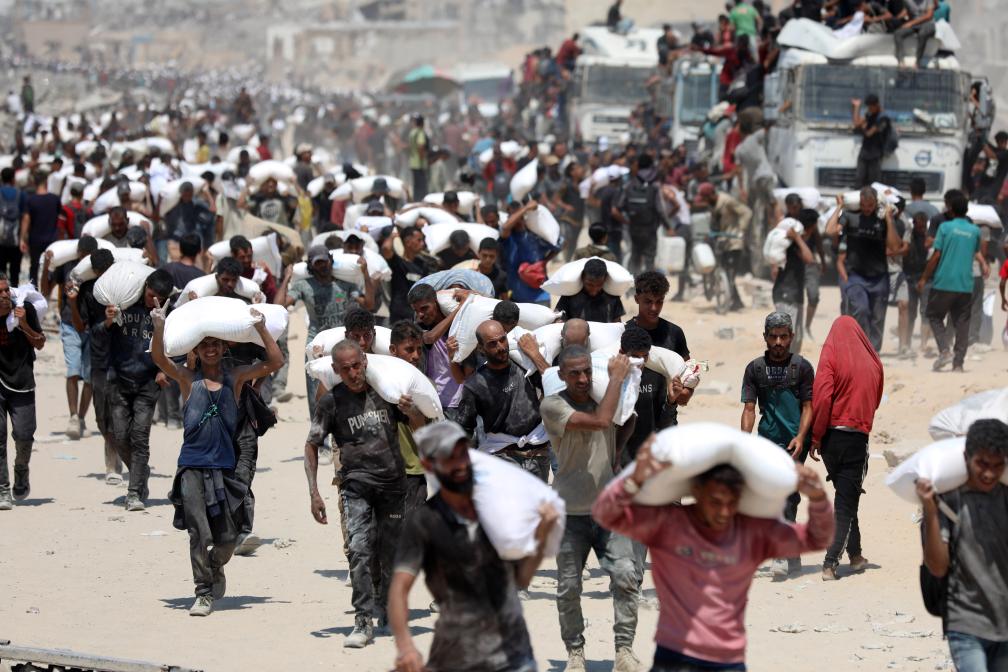
英国称“若以色列不结束加沙惨状,将承认巴勒斯坦国”,以色列:拒绝
Huan Qiu Wang· 2025-07-29 23:49
以色列外交部在社交平台X上发文称,"以色列拒绝英国首相的声明",并称此举"等于奖励巴勒斯坦伊 斯兰抵抗运动(哈马斯),损害实现加沙停火的努力"。 【环球网报道】据法新社报道,以色列外交部当地时间29日称,以色列"拒绝"英国宣布有关"若以色列 不采取行动结束加沙战争,英国将承认巴勒斯坦国"的声明。 英国首相府29日发表声明说,如果以色列不采取实质性行动结束加沙地带骇人惨状,并承诺实现长期可 持续和平,英国将在9月联合国大会开幕前承认巴勒斯坦国,维护"两国方案"的可行性。声明要求以色 列允许联合国尽快恢复对加沙地带的人道主义援助以终结饥荒,同意停火,并表明不会吞并约旦河西岸 的巴勒斯坦领土。 据《金融时报》《泰晤士报》等媒体报道,法国总统马克龙24日宣布法国将在9月联大上承认巴勒斯坦 国后,已有230多名英国议会普通议员和约三分之一内阁成员敦促英国首相斯塔默承认巴勒斯坦国。 ...
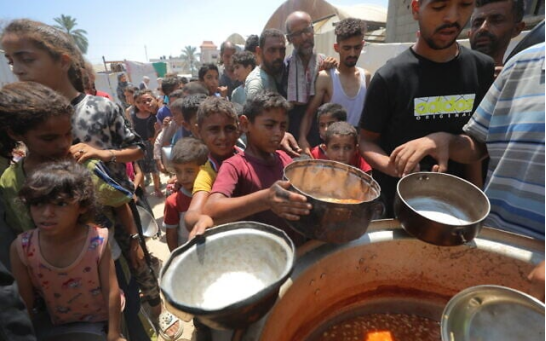
以色列“拒绝”英国或将承认巴勒斯坦国的声明
Huan Qiu Wang· 2025-07-29 23:49
【环球网报道】据法新社报道,以色列外交部当地时间29日称,以色列"拒绝"英国宣布有关"若以色列 不采取行动结束加沙战争,英国将承认巴勒斯坦国"的声明。 以色列外交部在社交平台X上发文称,"以色列拒绝英国首相的声明",并称此举"等于奖励巴勒斯坦伊 斯兰抵抗运动(哈马斯),损害实现加沙停火的努力"。 英国首相府29日发表声明说,如果以色列不采取实质性行动结束加沙地带骇人惨状,并承诺实现长期可 持续和平,英国将在9月联合国大会开幕前承认巴勒斯坦国,维护"两国方案"的可行性。声明要求以色 列允许联合国尽快恢复对加沙地带的人道主义援助以终结饥荒,同意停火,并表明不会吞并约旦河西岸 的巴勒斯坦领土。 据《金融时报》《泰晤士报》等媒体报道,法国总统马克龙24日宣布法国将在9月联大上承认巴勒斯坦 国后,已有230多名英国议会普通议员和约三分之一内阁成员敦促英国首相斯塔默承认巴勒斯坦国。 ...