分布式能源

Search documents
《分布式能源规划员》(综合能源服务方向)培训通知丨系列培训
中国能源报· 2025-12-25 06:57
关于 举办 《分布式能源规划员》(综合能源服务方向)培训通知 各企事业单位: 《中华人民共和国能源法》 提出,鼓励发展分布式能源和多能互补、多能联供综合能源 服务,提高终端消费清洁化、高效化、智能化水平。多能联供综合能源服务 成为现代能 源产业发展的重要方向和实现碳中和的重要路径。 电力、冷热、用户之间的关系变得越来越紧密,打破不同能源品种单独规划、设计、运行 的传统模式,实现横向 "电热冷气水"能源多品种之间、纵向"源网荷储用"能源多供应环 节之间的协同,以及生产侧和消费侧的互动 ,正成为行业趋势。 目前,在我国熟悉用户用能特性,掌握能源规划、转化、智能控制等技术,并具备能效 碳排放 评估,通晓末端节能 减碳 、投资、建设、运营等跨 学科专 业 应用 人才匮乏, 严重影响各能源企业向综合能源服务转型和发展的进程。为此,中国能源报社 特 开 展 《分布式能源规划员》(综合能源服务方向)培训 ,参加培训并经考核合格者,由人力资 源和社会保障部 社会保障能力建设 中 心 颁 发 《 分 布 式 能 源 规 划员 》 (综 合 能 源 服 务 方 向)培训证书。 一、培训 形式 及时间 培训 地点 : 线上 培训 ...


能源供应“稳”、工程建设“进”、“智造”加速跑……中国经济巨轮乘风破浪前行
Yang Shi Wang· 2025-12-24 08:04
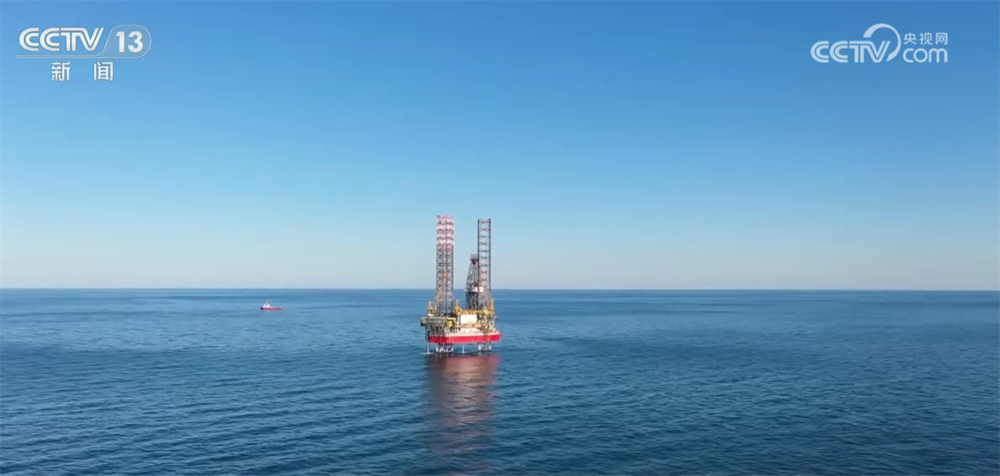
Group 1: Oil and Gas Industry - China National Offshore Oil Corporation (CNOOC) has discovered a new oil field in the Bohai Sea, with proven geological reserves exceeding 100 million tons [1][4] - The Qinhuangdao 29-6 oil field, located 44 kilometers from Jingtang Port, has a drilling depth of 1,688 meters and a reservoir thickness of 66.7 meters, with a single well capable of producing approximately 370 tons of crude oil per day [1][4] Group 2: Infrastructure Development - The Qingshanmen Grand Bridge, part of the Ningbo-Zhoushan Port project, has successfully completed the topping of its twin main towers, marking a critical phase in its construction [5][7] - The bridge, which spans 2,212 meters and features the world's largest span for a three-tower steel box girder cable-stayed bridge, is expected to enhance transportation connectivity in the Zhoushan archipelago [5][7] Group 3: Renewable Energy - The delivery of the largest single-unit offshore wind power jacket in Europe, weighing over 10,000 tons, marks a significant advancement in China's offshore wind power construction capabilities [9][11] - The project utilized a pioneering 'side V' construction technique and achieved 100% domestic production of core structures, filling a technological gap in the industry [11] Group 4: Maritime Trade and Logistics - The expansion and quality improvement of the Guangzhou Port have created a new maritime channel for the Guangdong-Hong Kong-Macao Greater Bay Area, facilitating the export of large infrastructure equipment [12][15] - Customs innovations have allowed for more efficient logistics, enabling large vessels to conduct transshipment and offloading operations at anchorages, reducing clearance times and logistics costs [15] Group 5: Aquaculture - The world's first salmon farming vessel, "Suhai No. 1," has commenced operations in Lianyungang, with an expected annual production capacity of over 8,000 tons of salmon [20][22] - The vessel is equipped with 15 closed aquaculture chambers and has successfully introduced 400,000 salmon fry, with plans for large-scale farming in deep waters [20][22] Group 6: Green Technology and Manufacturing - Chongqing is advancing its industrial sector with a focus on green manufacturing, reporting a 12.1% increase in overall industrial output value, with a notable 37.2% growth in new energy vehicles [16][19] - The city has established numerous national-level green factories and parks, with renewable energy installations now accounting for 45.6% of total energy capacity [16][19]

《分布式能源规划员》(综合能源服务方向)培训通知丨系列培训
中国能源报· 2025-12-24 02:57
关于 举办 《分布式能源规划员》(综合能源服务方向)培训通知 各企事业单位: 《中华人民共和国能源法》 提出,鼓励发展分布式能源和多能互补、多能联供综合能源 服务,提高终端消费清洁化、高效化、智能化水平。多能联供综合能源服务 成为现代能 源产业发展的重要方向和实现碳中和的重要路径。 电力、冷热、用户之间的关系变得越来越紧密,打破不同能源品种单独规划、设计、运行 的传统模式,实现横向 "电热冷气水"能源多品种之间、纵向"源网荷储用"能源多供应环 节之间的协同,以及生产侧和消费侧的互动 ,正成为行业趋势。 目前,在我国熟悉用户用能特性,掌握能源规划、转化、智能控制等技术,并具备能效 碳排放 评估,通晓末端节能 减碳 、投资、建设、运营等跨 学科专 业 应用 人才匮乏, 严重影响各能源企业向综合能源服务转型和发展的进程。为此,中国能源报社 特 开 展 《分布式能源规划员》(综合能源服务方向)培训 ,参加培训并经考核合格者,由人力资 源和社会保障部 社会保障能力建设 中 心 颁 发 《 分 布 式 能 源 规 划员 》 (综 合 能 源 服 务 方 向)培训证书。 一、培训 形式 及时间 培训 地点 : 线上 培训 ...

《分布式能源规划员》(综合能源服务方向)培训通知丨系列培训
中国能源报· 2025-12-23 08:15
关于 举办 《分布式能源规划员》(综合能源服务方向)培训通知 各企事业单位: 《中华人民共和国能源法》 提出,鼓励发展分布式能源和多能互补、多能联供综合能源 服务,提高终端消费清洁化、高效化、智能化水平。多能联供综合能源服务 成为现代能 源产业发展的重要方向和实现碳中和的重要路径。 电力、冷热、用户之间的关系变得越来越紧密,打破不同能源品种单独规划、设计、运行 的传统模式,实现横向 "电热冷气水"能源多品种之间、纵向"源网荷储用"能源多供应环 节之间的协同,以及生产侧和消费侧的互动 ,正成为行业趋势。 目前,在我国熟悉用户用能特性,掌握能源规划、转化、智能控制等技术,并具备能效 碳排放 评估,通晓末端节能 减碳 、投资、建设、运营等跨 学科专 业 应用 人才匮乏, 严重影响各能源企业向综合能源服务转型和发展的进程。为此,中国能源报社 特 开 展 《分布式能源规划员》(综合能源服务方向)培训 ,参加培训并经考核合格者,由人力资 源和社会保障部 社会保障能力建设 中 心 颁 发 《 分 布 式 能 源 规 划员 》 (综 合 能 源 服 务 方 向)培训证书。 一、培训 形式 及时间 培训 地点 : 线上 培训 ...

《分布式能源规划员》(综合能源服务方向)培训通知丨系列培训
中国能源报· 2025-12-22 08:23
培训 地点 : 线上 关于 举办 《分布式能源规划员》(综合能源服务方向)培训通知 各企事业单位: 《中华人民共和国能源法》 提出,鼓励发展分布式能源和多能互补、多能联供综合能源 服务,提高终端消费清洁化、高效化、智能化水平。多能联供综合能源服务 成为现代能 源产业发展的重要方向和实现碳中和的重要路径。 电力、冷热、用户之间的关系变得越来越紧密,打破不同能源品种单独规划、设计、运行 的传统模式,实现横向 "电热冷气水"能源多品种之间、纵向"源网荷储用"能源多供应环 节之间的协同,以及生产侧和消费侧的互动 ,正成为行业趋势。 目前,在我国熟悉用户用能特性,掌握能源规划、转化、智能控制等技术,并具备能效 碳排放 评估,通晓末端节能 减碳 、投资、建设、运营等跨 学科专 业 应用 人才匮乏, 严重影响各能源企业向综合能源服务转型和发展的进程。为此,中国能源报社 特 开 展 《分布式能源规划员》(综合能源服务方向)培训 ,参加培训并经考核合格者,由人力资 源和社会保障部 社会保障能力建设 中 心 颁 发 《 分 布 式 能 源 规 划员 》 (综 合 能 源 服 务 方 向)培训证书。 一、培训 形式 及时间 5 . ...

冰轮环境(000811) - 000811冰轮环境投资者关系管理信息20251215
2025-12-15 07:26
Group 1: Business Overview - The company focuses on providing advanced system solutions and lifecycle services in the energy and power sectors, with products including compressors and heat exchangers, covering a temperature range of -271℃ to 200℃ [3] - Key applications of products span across various industries such as food processing, cold chain logistics, industrial refrigeration, commercial air conditioning, and energy recovery systems [3] Group 2: Financial Performance - The low-temperature refrigeration segment experienced a slight decline in revenue during the first three quarters, with the decrease narrowing each quarter; however, the special air conditioning and thermal management segments showed year-on-year growth [4] Group 3: Data Center Applications - The company’s subsidiaries provide cooling equipment for data centers, including liquid cooling systems, with significant projects completed for major clients like the National Supercomputing Center and various banks [4][6] - Dunham-Bush, a subsidiary, has a 131-year history and offers products recognized in the national green data center technology catalog [4] Group 4: Nuclear Power Industry - The company is actively involved in the nuclear power sector, focusing on core applications such as nuclear island cooling and heat recovery, with successful projects at multiple nuclear power stations [6][7] - Innovations include a no-power cooling system for the safety shell and technologies for nuclear energy heating and desalination [7] Group 5: Thermal Management and Carbon Neutrality - The company is developing a full range of industrial heat pumps to support thermal management, with a focus on energy recovery technologies that align with national carbon neutrality goals [8] - The company has been recognized as a national-level specialized "little giant" enterprise, holding 96 patents and 33 software copyrights [8] Group 6: Solid Oxide Fuel Cell (SOFC) Research - Since 2022, the company has collaborated with Xi'an Jiaotong University on SOFC technology, achieving significant advancements in tubular SOFC output characteristics and integration techniques [9] - The project has led to the successful development of a 5kW stack module and various performance tests, contributing to domestic innovation in this field [9]

分布式能源规划员(综合能源服务方向)培训火热报名中丨系列培训
中国能源报· 2025-12-09 08:30
关于举办《分布式能源规划员》(综合能源服务方向)培训通知 各企事业单位: 《中华人民共和国能源法》提出,鼓励发展分布式能源和多能互补、多能联供综合能源服 务,提高终端消费清洁化、高效化、智能化水平。多能联供综合能源服务成为现代能源产 业发展的重要方向和实现碳中和的重要路径。 电力、冷热、用户之间的关系变得越来越紧密,打破不同能源品种单独规划、设计、运行 的传统模式,实现横向"电热冷气水"能源多品种之间、纵向"源网荷储用"能源多供应环节 之间的协同,以及生产侧和消费侧的互动,正成为行业趋势。 目前,在我国熟悉用户用能特性,掌握能源规划、转化、智能控制等技术,并具备能效碳 排放评估,通晓末端节能减碳、投资、建设、运营等跨学科专业应用人才匮乏,严重影响 各能源企业向综合能源服务转型和发展的进程。为此,中国能源报社特开展《分布式能源 规划员》(综合能源服务方向)培训,参加培训并经考核合格者,由人力资源和社会保障 部社会保障能力建设中心颁发《分布式能源规划员》(综合能源服务方向)培训证书。 三、培训对象 一、培训形式及时间 培训地点: 线上 培训时间:2 0 2 5年1 2月1 0日—13日 二、培训组织机构 主办单位 ...

近“半壁江山”,分布式能源如何充分释放价值?
Zhong Guo Dian Li Bao· 2025-12-08 07:30
Core Viewpoint - The development of distributed energy and the construction of zero-carbon factories and parks are emphasized as key strategies in China's 14th Five-Year Plan, with distributed solar power capacity exceeding 500 million kilowatts, accounting for 45.16% of total solar capacity, becoming a crucial part of the power system [1][3]. Group 1: Current Status and Challenges - As of September 2023, China's distributed solar power capacity has surpassed 500 million kilowatts, representing a significant portion of the total solar capacity [1]. - Despite the rise of distributed energy, it faces challenges such as difficulties in grid integration, immature business models, inadequate standards, and insufficient financial support [1][3]. - The majority of distributed energy projects operate independently, lacking the ability to respond to system dispatch, which limits their potential value [3]. Group 2: Market Dynamics and Limitations - Less than 20% of distributed projects participated in green electricity trading last year, with asset utilization rates below 40%, indicating untapped potential [4]. - The current electricity market and regulatory framework in China are primarily designed for traditional centralized power systems, hindering the development of distributed energy [4][9]. - The disconnect between distributed energy and heating systems presents systemic challenges, as technologies like heat pumps are not yet integrated into rural energy systems [5]. Group 3: Future Directions and Solutions - A new ecosystem that integrates technology, market mechanisms, and regulatory frameworks is essential for overcoming the bottlenecks in distributed energy development [7]. - The transition of the power grid from traditional high-voltage systems to a more flexible structure that accommodates distributed energy is necessary for enhancing system stability [8]. - Virtual power plants are identified as a key to unlocking the potential of distributed resources, requiring a shift from load aggregation to supply-side aggregation [8]. - The establishment of zero-carbon parks is proposed as a critical carrier for efficient integration and local consumption of distributed energy [8].
分布式能源规划员(综合能源服务方向)培训火热报名中丨系列培训
中国能源报· 2025-12-07 08:08
Core Viewpoint - The article emphasizes the importance of developing distributed energy and integrated energy services as a crucial path towards carbon neutrality, highlighting the need for interdisciplinary professionals in energy planning and management [1] Group 1: Training Overview - The training titled "Distributed Energy Planner (Integrated Energy Services Direction)" is organized to address the shortage of skilled professionals in the energy sector, particularly in energy planning, conversion, and intelligent control [1] - The training will take place online from December 10 to December 13, 2025, and is organized by the Human Resources and Social Security Department's Social Security Capacity Building Center and the China Energy News Agency [2] Group 2: Target Audience - The training is aimed at various stakeholders including provincial and municipal power companies, energy groups, and enterprises involved in renewable energy such as wind, solar, and storage [2] - It also targets energy service companies, equipment manufacturers, research institutions, and investment firms interested in the integrated energy sector [2] Group 3: Course Outline - The course will cover topics such as the overview of integrated energy services, customer demand analysis, and service strategies [3][4] - Specific applications of distributed energy sources like photovoltaic, natural gas, wind, and hydrogen in integrated energy systems will be discussed, along with their market outlook and operational considerations [4] - The training will also address energy efficiency projects, near-zero carbon factory assessments, and the methodologies for constructing zero-carbon factories and parks [4] Group 4: Training Fees - The cost for participating in the training is set at 3,600 yuan per person, which includes training fees, materials, and certification [5]

分布式能源规划员(综合能源服务方向)培训火热报名中丨系列培训
中国能源报· 2025-12-04 13:39
关于举办《分布式能源规划员》(综合能源服务方向)培训通知 各企事业单位: 《中华人民共和国能源法》提出,鼓励发展分布式能源和多能互补、多能联供综合能源服 务,提高终端消费清洁化、高效化、智能化水平。多能联供综合能源服务成为现代能源产 业发展的重要方向和实现碳中和的重要路径。 培训时间:2 0 2 5年1 2月1 0日—13日 二、培训组织机构 主办单位: 人力资源和社会保障部社会保障能力建设中心 承办单位: 《中国能源报》社有限公司 三、培训对象 1 . 电网所属各省市电力公司;发电集团;地方电力集团;地方能源集团;中石油、中石 化、中海油及各省市城燃企业; 2 .新能源企业(风电、光伏、储能等)、园区管委员; 电力、冷热、用户之间的关系变得越来越紧密,打破不同能源品种单独规划、设计、运行 的传统模式,实现横向"电热冷气水"能源多品种之间、纵向"源网荷储用"能源多供应环节 之间的协同,以及生产侧和消费侧的互动,正成为行业趋势。 目前,在我国熟悉用户用能特性,掌握能源规划、转化、智能控制等技术,并具备能效碳 排放评估,通晓末端节能减碳、投资、建设、运营等跨学科专业应用人才匮乏,严重影响 各能源企业向综合能源服务 ...