
Buy Now

Search documents
Affirm is Winning Transactions, But the Price Tag Bites Hard
ZACKS· 2025-11-26 18:56
Core Insights - Affirm Holdings, Inc. (AFRM) is experiencing a high valuation with a forward 12-month price-to-sales (P/S) multiple of 5.12X, significantly above its three-year median of 4.08X and the broader industry's 4.78X, indicating that investors are pricing in an almost flawless future [1][2] - The company generated $769 million in free cash flow over the past year, marking a 27.8% increase, which reflects improving operational traction, although it trades at a price-to-free-cash-flow (P/FCF) ratio of 31.16X, higher than the industry's 27.25X [4] - Affirm's repeat customer transactions accounted for 96% in the first quarter of fiscal 2026, indicating strong customer loyalty and potential for sustained transaction growth [5][7] Financial Performance - The Zacks Consensus Estimate for Affirm's fiscal 2026 earnings suggests a 566.7% year-over-year increase to $1 per share, with revenue projections for fiscal 2026 and 2027 expected to grow by 26% and 22.8%, respectively [10] - Affirm's Gross Merchandise Value is anticipated to exceed $47.5 billion for fiscal 2026, with the company beating earnings estimates in each of the past four quarters, averaging a surprise of 129.3% [11] Market Position and Growth Strategy - Affirm has broadened its relevance in everyday spending categories, with active merchants increasing by 30% year-over-year to 419,000, supporting a 52.2% year-over-year jump in transactions to 41.4 million [6][7] - The Affirm Card is a strategic growth initiative aimed at becoming a primary access point for Affirm services, with 500,000 card members added in the fiscal first quarter [8] - The partnership with Shopify is set to expand into Europe, which is expected to enlarge the addressable market and diversify revenue streams, with active consumers reaching 24.1 million, a 24% year-over-year increase [9] Competitive Landscape - Competition in the buy now, pay later (BNPL) segment remains intense, with well-capitalized players like PayPal and Block expanding aggressively, and Walmart's shift to Klarna highlights the challenges in retaining major merchants [15] - Affirm faces rising operating expenses, which increased by 25.9% in fiscal 2023 and continued to rise in subsequent years, necessitating firm cost control to maintain margins [16] Financial Health - The company ended the fiscal first quarter with $1.4 billion in cash and cash equivalents, a 5.5% increase from the end of fiscal 2025, while funding debt rose to $1.8 billion, resulting in a long-term debt-to-capital ratio of 70.6%, significantly above the industry's 13.4% [17]



Can Visa Gain More Ground as Cash App Flexes Into Pay-Over-Time?
ZACKS· 2025-11-20 19:50
Core Insights - Visa Inc. is poised to enhance its market position as Cash App and Afterpay introduce a new pay-over-time feature that will be available wherever Visa is accepted [1][2] Group 1: New Product Launch - Cash App and Afterpay are launching the Cash App Visa Debit Flex Card, allowing eligible users in the U.S. to split everyday purchases into six weekly installments with a transparent finance fee [1][8] - This initiative aims to blend buy now, pay later (BNPL) habits with everyday spending, particularly targeting younger users who may be hesitant to use traditional credit [3][4] Group 2: Market Position and Strategy - By expanding pay-over-time options across Visa's extensive network, Block is enhancing the utility of BNPL while reinforcing Visa's role in new credit solutions [2] - The model is designed to evaluate cash flow patterns rather than relying on traditional credit scores, which helps manage risk by pausing access to new loans in case of repayment issues [3][4] Group 3: Competitive Landscape - Competitors like Mastercard and Affirm are also advancing in the BNPL space, with Mastercard introducing its own installment options and Affirm focusing on real-time underwriting and predictable repayment plans [5][6] Group 4: Financial Performance and Valuation - Visa's stock has increased by 4.6% over the past year, contrasting with a 14.1% decline in the industry [7] - Visa trades at a forward price-to-earnings ratio of 24.84, which is above the industry average of 19.74, and carries a Value Score of D [9] - The Zacks Consensus Estimate for Visa's fiscal 2026 earnings suggests an 11.7% increase compared to the previous year [10]


Klarna payment options on Apple Pay expand to Spain, Denmark, and Sweden
Yahoo Finance· 2025-11-19 11:48
Core Insights - Klarna has expanded its payment options on Apple Pay to customers in Spain, Denmark, and Sweden, enhancing transparency and flexibility for users in these regions [1] - This expansion follows similar launches in the UK, Canada, and the US, positioning Klarna as one of the first buy now, pay later (BNPL) providers available through Apple Pay in these markets [2] - Customers can split purchases into three monthly installments or opt to pay up to thirty days later, both interest-free options [2] Financial Performance - Klarna reported a 26% increase in revenue to $903 million in Q3 2025, with gross merchandise volume (GMV) rising 23% to $32.7 billion [4] - In the US market, GMV increased by 43%, while revenue grew by 51% during the same period [4] - The Klarna Card achieved four million signups since July and accounted for 15% of worldwide transactions in October [5] Future Projections - For Q4 2025, Klarna projects GMV between $37.5 billion and $38.5 billion, revenue between $1.065 billion and $1.08 billion, and total managed deposits between $390 million and $400 million [5] - Klarna is expected to launch its services via Apple Pay in France in the coming weeks [3]

This 'Buy Now Pay Later' Stock Plunged 9% Tuesday After Its First Post-IPO Earnings Report
Investopedia· 2025-11-18 22:05
Core Insights - Klarna's shares have decreased by approximately 30% since its IPO, indicating a challenging post-IPO environment for the company [1][5] - Despite reporting better-than-expected results, Klarna's shares fell 9% due to a wider-than-anticipated adjusted operating loss of $14 million [2][8] - The company reported a third-quarter net loss of $0.25 per share on revenue of $903 million, with gross merchandise value (GMV) reaching $32.7 billion and active users at 114 million, both surpassing analyst expectations [3][4] Financial Performance - Klarna's adjusted operating loss was $14 million, compared to the expected loss of $11.3 million [2] - The third-quarter revenue was $903 million, exceeding analyst consensus [3] - Klarna's GMV for the third quarter was $32.7 billion, also beating estimates [3] Future Outlook - Klarna provided guidance for fourth-quarter revenue between $1.065 billion and $1.080 billion, and GMV between $37.5 billion and $38.5 billion, both better than analyst estimates [3] - The company plans to sell up to $6.5 billion in loans from its Fair Financing portfolio to Elliott Investment Management over the next two years [6][8] Market Position - Klarna's performance reflects the transition of buy now, pay later (BNPL) services from niche offerings to mainstream payment methods for everyday purchases [4] - The company is focusing on expanding its U.S. presence and banking products while managing growth and profitability [4][5]


Klarna Sees Future as Neobank as Growth Accelerates
PYMNTS.com· 2025-11-18 17:35
Core Insights - Klarna is transitioning from a payment service to a full-scale neobank, emphasizing trust, customer obsession, and AI as key components of its strategy [1][2][3] - The company reported an average outstanding balance of $88 for its buy now, pay later (BNPL) service, significantly lower than the average credit card balance of $6,500, positioning BNPL as a healthier credit model [6] Financial Performance - Klarna's third-quarter earnings revealed a GMV of $32.7 billion, with a 43% year-over-year growth in the U.S. market [7] - Revenue reached $903 million, reflecting a 51% increase in the U.S. [7] - Average revenue per active consumer is $28, increasing to $90 for users utilizing in-app shopping features and $130 for Klarna Card users [5] User Engagement - The company has 114 million active consumers, a 32% increase year-over-year, and 850,000 merchants, up 38% [4] - App penetration is at 76% of the user base, with approximately 49 million monthly active users engaging within the product environment [5] - The Klarna Card has 3.2 million global active users, with 1.4 million in the U.S., and a trailing 12-month purchase frequency of 125 transactions [8] Strategic Initiatives - Fair financing grew by 139% year-over-year, with the number of merchants offering it increasing from 79,000 to 151,000 [6] - The company aims to re-underwrite more than half of its balance sheet in about 60 days, contrasting with traditional lenders [9] - Klarna is focused on expanding its banking capabilities and aims to be available wherever Visa operates [9] Future Outlook - Revenue growth for the fourth quarter is projected to exceed 30% [11] - The company is leveraging AI to enhance its services and reduce switching friction in financial transactions [10]

Affirm Card: The BNPL Baby That's Growing Up Like It Has a Cheat Code
ZACKS· 2025-11-18 15:50
Core Insights - Affirm Holdings, Inc.'s Affirm Card is a significant growth driver, with management referring to it as a "favorite child" and noting its accelerating market penetration [1][9] - In Q1 of fiscal 2026, Direct-to-Consumer GMV rose 53% to $3.2 billion, while Affirm Card GMV increased 135% to $1.4 billion, driven by successful cash-flow underwriting [1][9] Growth Strategy - The cash-flow underwriting approach is particularly beneficial for younger consumers, such as millennials and Gen Z, who typically have limited credit histories, allowing for more approvals without entering riskier credit tiers [2] - Affirm has not engaged in external marketing for the card; growth has primarily stemmed from existing users, with plans to gradually expand eligibility as underwriting confidence improves [3] Performance Metrics - Early behavioral data indicates strong discretionary spending, with the card starting new cohorts at higher baselines; 0% GMV on the card increased by 158% [4] - Affirm aims for 10 million active cards and approximately $7,500 in annual discretionary spend per card, which are considered achievable targets [4] Competitive Landscape - Competitors like PayPal and Block are also expanding their BNPL offerings; PayPal's total payment volume grew 8% to $458.1 billion, while Block's BNPL GMV reached $9.7 billion, a 17% year-over-year increase [5][6] Financial Performance - Affirm's shares have increased by 11.9% year to date, outperforming the broader industry but lagging behind the S&P 500 Index [7] - The forward price-to-sales ratio for Affirm is 5.10X, above the industry average of 4.79X, with a Zacks Consensus Estimate indicating a 566.7% year-over-year earnings surge for fiscal 2026 [10][11]

Should You Buy the Post-Earnings Pop in Affirm Stock?
Yahoo Finance· 2025-11-13 12:15
Core Insights - Affirm Holdings, a "Buy Now, Pay Later" (BNPL) company, reported strong fiscal 2026 Q1 results, leading to an 11.61% increase in share price the following trading session [1][2] Financial Performance - Affirm's Q1 revenue reached $933.3 million, representing a 34% year-over-year increase and surpassing expectations of $885 million, indicating robust demand for its services [6] Strategic Partnerships - The company has expanded its partnerships, including new agreements with New York Life and Amazon, which has further bolstered investor confidence [2] Market Position - Affirm's market capitalization is nearly $24 billion, with a stock price increase of approximately 36% over the past year and a 29% gain in 2025 [5] Growth Momentum - Over the last six months, Affirm's stock surged by 46.5%, significantly outperforming the S&P 500 Index's 17.1% return [5]
PayPal Expands ‘Pay in 4' BNPL Offering to Canada
PYMNTS.com· 2025-11-10 17:01
Core Insights - PayPal is expanding its Buy Now, Pay Later (BNPL) service, Pay in 4, to Canada for the holiday shopping season, allowing consumers to manage cash flow without late fees or hidden costs [2][5] - The service enables shoppers to split eligible purchases between $30 and $1,500 into four equal, interest-free payments over six weeks, appealing to consumers amid economic pressures [5][6] - A significant portion of consumers (60%) who have not previously used BNPL would be encouraged to try it if there were no fees, indicating a demand for transparent payment options [5] Company Strategy - PayPal has been a trusted brand in Canada for over 15 years, and the introduction of Pay in 4 aims to meet the growing demand for flexible payment solutions [5] - The company emphasizes that businesses offering BNPL options can experience increased conversion rates and higher sales, particularly during peak shopping seasons [5] Industry Trends - The BNPL market is seeing increased consumer adoption as individuals seek to manage their finances amid rising economic pressures, with installment financing viewed as a budgeting strategy rather than excessive spending [6][7] - The appeal of fixed installment plans is heightened as credit card rates remain high, making BNPL an attractive alternative for consumers [8] - BNPL is functioning as a financial safety valve for households facing inflation and high interest rates, helping them maintain cash flow and spending stability [9]

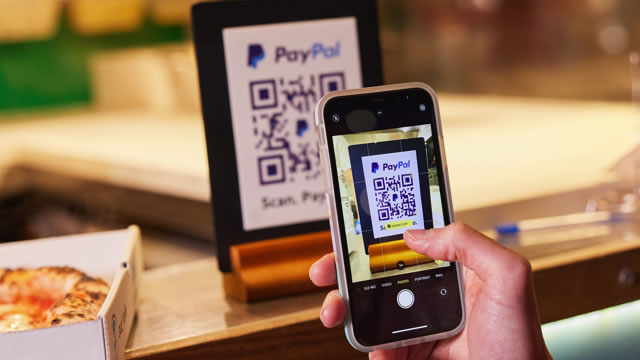
Venmo launches cash back rewards program for debit cards
TechCrunch· 2025-11-10 15:29
Core Insights - Venmo has launched a new rewards program called Venmo Stash, which offers cashback incentives to users who transact with their favorite brands and engage with Venmo's products, with cashback rewards reaching up to 5% [1][6] Group 1: Program Details - The Venmo Stash program allows customers to earn 1% cashback when spending their Venmo balance, increasing to 2% with auto reloads, and up to 5% with monthly Direct Deposits [6] - Unlike traditional cashback programs that categorize spending, Venmo's program requires users to select from curated bundles of brands, such as McDonald's and Amazon [7] - The program aims to keep users engaged within the Venmo ecosystem by incentivizing continued use of its services [1][3] Group 2: Market Context - The program targets younger consumers, particularly Gen Z, who show a preference for debit cards over credit cards, with only 39% of Gen Z frequently using credit cards compared to 51% of older generations [2] - Payment providers and retailers are adapting to this trend by offering more debit rewards and alternative payment options like "buy now, pay later" services [3] - Venmo's cashback program competes with similar offerings from rivals like Cash App, which also provides cashback incentives for its debit card users [4] Group 3: Future Expansion - Venmo plans to expand the Stash program in the following year to include rewards for payments made at merchants within its nationwide network [8]
Half of Holiday Shoppers Are More Likely to Complete Their Purchase With Buy Now, Pay Later Services
Yahoo Finance· 2025-11-08 20:01
Core Insights - Half of holiday shoppers are more likely to complete their purchase if they can use buy now, pay later (BNPL) services, indicating a significant impact on consumer behavior [1] - PayPal's data shows that offering BNPL leads to a 91% higher average order value for enterprises and 62% higher for small businesses, highlighting its importance as a competitive advantage [1] Consumer Trends - Gen Z and millennial shoppers are the most likely to use BNPL for holiday shopping, with one-in-four members of both generations regularly utilizing the service [3] - The primary reasons for using BNPL include affordability and budget control, reflecting a shift in consumer spending habits [3] Market Growth - Americans are projected to spend $116.7 billion via BNPL services by the end of 2025, indicating robust growth in this sector [4] - The Federal Reserve reported that 82% of BNPL users utilize the service for convenience, showcasing its integration into everyday shopping [4] Financial Implications - A significant portion of BNPL users, particularly those earning less than $50,000, rely on the service as their only means to afford certain purchases, emphasizing its necessity for lower-income consumers [5] - Nearly a quarter of BNPL users are financing their groceries, an increase from 14% the previous year, indicating a broader application of BNPL services [6] Payment Behavior - From May 2024 to May 2025, nearly a quarter of all BNPL users had at least one missed payment, up from 18% the previous year, with lower-income shoppers experiencing higher rates of missed payments [7] - Among BNPL users making less than $25,000, 40% had a late payment, reflecting a 9 percentage point increase year over year, while only 13% of users making $100,000 or more missed a payment [7]