Federal Reserve rate cuts

Search documents
HELOC rates today, December 19, 2025: Rates move lower, reflecting three Fed rate cuts this year
Yahoo Finance· 2025-12-19 11:00
Core Insights - The average national rate on home equity lines of credit (HELOC) has decreased due to the Federal Reserve's rate cuts, approaching 7% [1] - Homeowners have a record amount of home equity, nearly $36 trillion, providing significant potential for HELOC utilization [2] HELOC Rates and Trends - As of December 19, 2025, the average weekly HELOC rate is 7.44%, based on high credit scores and favorable loan-to-value ratios [2] - Lenders are adjusting HELOC rates based on the prime rate, currently at 6.75%, plus a margin, leading to variable rates around 7.50% [4] - Introductory offers for HELOCs can be as low as 5.99% for the first 12 months, but will convert to variable rates thereafter [8] Homeowner Behavior and Market Dynamics - With mortgage rates remaining low, homeowners are less likely to sell their homes, making HELOCs an attractive option to access home equity without refinancing [3] - The flexibility of HELOCs allows homeowners to borrow as needed, making it a practical financial tool for various expenses [7] Lender Considerations - Lenders have discretion in pricing HELOCs, influenced by credit scores and debt levels, emphasizing the importance of shopping around for the best rates [5] - Homeowners should compare both interest rates and associated fees when selecting a lender for a HELOC [9] Financial Implications - A $50,000 HELOC at a 7.50% interest rate would result in monthly payments of approximately $313 during the draw period, but rates are variable and can increase over time [12] - Utilizing a HELOC can be beneficial for homeowners with low primary mortgage rates, allowing them to fund home improvements or other expenses without losing their favorable mortgage terms [11]
Inflation Data Faces Credibility Questions: 'This Is Totally Inexcusable'
Yahoo Finance· 2025-12-19 03:31
Core Viewpoint - Market frustration with the November Consumer Price Index (CPI) is centered on the trustworthiness of the reported inflation figure, which showed a decrease to 2.7% from 3% in September, rather than the actual low inflation rate itself [1][2]. Group 1: CPI and Inflation Analysis - The annual CPI inflation slowed to 2.7% in November, reinforcing President Trump's narrative that inflation is "essentially gone" [1]. - Economists argue that the CPI figure was distorted due to the federal government shutdown, which halted data collection in October, leading to potentially misleading signals about underlying inflation trends [1][3]. - Shelter inflation, which includes rents and owners' equivalent rent (OER), accounts for about one-third of the CPI basket and significantly influenced the apparent cooling of inflation [2]. Group 2: Methodological Concerns - The Bureau of Labor Statistics (BLS) carried forward September price levels for October due to the lack of survey-based prices, effectively assuming zero inflation for that month, which compressed shelter price increases in November [3][4]. - Goldman Sachs chief economist Jan Hatzius noted that this methodology likely understated true shelter inflation, as the November increase reflects an average of price changes since May [4][5]. - Hatzius indicated that the same methodological choices that depressed November inflation could lead to artificial rebounds in future CPI readings, particularly in April [5]. Group 3: Expert Opinions - Omair Sharif, founder of Inflation Insights, criticized the BLS approach as "totally inexcusable," arguing that the shelter numbers only make sense if October inflation is considered zero [6].
US midday market brief: S&P 500 rebounds on cooler inflation as Micron sparks Nasdaq surge
Invezz· 2025-12-18 19:28
The S&P 500 appears poised to snap a four-day losing streak on Thursday as unexpectedly cooler inflation data reignited hopes for Federal Reserve rate cuts in 2026. The rebound was turbocharged by Mic... ...



Car Prices May Not Drop Next Year—But They May Get a Bit More Affordable. Here's Why.
Investopedia· 2025-12-18 01:00
Core Insights - Buying a new vehicle may become more affordable by late 2026 due to expected easing of price increases, lower borrowing costs, and new tax benefits [1][5][7] Vehicle Pricing Trends - Car prices surged approximately 9% during the pandemic, with the average new vehicle costing about $49,800 in November, reflecting a 1% increase from the previous year [2][4] - Price inflation for 2026 model-year vehicles has been above historical standards, with these vehicles making up about 60% of the current new-vehicle supply [6] Consumer Sentiment and Market Dynamics - Despite improvements in affordability since 2023, consumer sentiment remains negative regarding the timing of vehicle purchases [3][6] - Households are projected to buy 2% to 3% fewer cars in 2026 compared to 2025 [2] Financial Implications - The new tax benefit may provide typical consumers with about $50 more per month, particularly benefiting those with annual incomes up to $100,000 [5][7] - The average monthly payment for a new vehicle currently accounts for 12.8% of median income, which may decrease to 12.3% by late 2026 [6] Market Segmentation - New tax breaks are expected to support sales among middle-income households, while low-income households will likely remain unable to afford new vehicles [7][8]

AI talent war continues in tech without generating many jobs, says KPMG's Swonk
Youtube· 2025-12-16 18:56
Economic Overview - Consumers are still spending despite an early chill for the holiday season, with core retail sales up 0.9%, indicating stronger performance than the headline figure suggests [1] - The labor market has shown stagnation in payroll since April, with the unemployment rate affected by government shutdowns leading to temporary layoffs [2] Holiday Season Insights - The holiday season is compressed into December, which previously resulted in strong job gains, suggesting a potential repeat this year [3] Future Economic Indicators - Anticipated rate cuts by the Fed and expansions to tax cuts retroactive to 2025 may lead to double-digit gains in tax refunds, which consumers often treat as windfall gains, potentially affecting inflation data [4] Inflation and Labor Market Dynamics - The labor market is currently driven by healthcare and social assistance sectors, with concerns about the stickiness of inflation persisting even with potential improvements in employment [6][7] - There is a normalization of inflation occurring over five years, with sequential tariff-related increases contributing to this trend [8] Fed's Position and Market Sentiment - The Fed faces a divide between those advocating for lower rates and those concerned about inflation, with the current economic data suggesting that price stability has not been achieved [5][9]
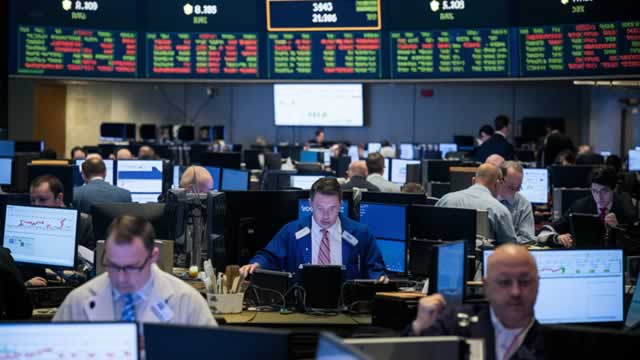
Rising Unemployment Adds Pressure on the Fed to Consider More Rate Cuts
Yahoo Finance· 2025-12-16 16:53
Al Drago / Bloomberg via Getty Images Federal Reserve policy committee members, including Chair Jerome Powell, have been waiting for more up-to-date data on the labor market. Key Takeaways The uptick in unemployment in November shows that the Federal Reserve was justified in cutting interest rates earlier in the year, economists said. The Fed is expected to pause its rate-cutting campaign in January to assess the impact of cuts so far, but the poor jobs report kept a January cut on the table. The Fed ...
U.S. Treasury Yields Fall Ahead of Key Data
Barrons· 2025-12-15 08:28
Core Viewpoint - U.S. Treasury yields have declined, indicating expectations of further weakness in the labor market and potential Federal Reserve rate cuts next year [1] Economic Data - Key U.S. economic data, including employment figures and CPI data, are set to be released, with expectations of labor market weakness [1] - Employment figures are due on Tuesday, followed by CPI data on Thursday [1] Federal Reserve Outlook - The labor market data may support the possibility of Federal Reserve rate cuts in the upcoming year [1] - Brown Brothers Harriman's Elias Haddad suggests that the FOMC has the capacity to implement the 50 basis points of easing anticipated by Fed funds futures over the next 12 months [1]
Fed’s Deepening Split Clouds the Path for 2026 Rate Cuts
Investopedia· 2025-12-12 01:09
Core Insights - The Federal Reserve is experiencing significant divisions among its officials regarding future interest rate cuts, with projections indicating only one cut in 2026, reflecting a wide range of individual forecasts from policymakers [1][10] - A notable minority of seven Fed officials oppose cutting rates in 2026, while eight anticipate at most two cuts next year, and four are considering more aggressive actions [2][10] - The upcoming economic data will be crucial in determining whether a consensus can be reached or if divisions will deepen [3] Economic Outlook - The Fed's median forecasts predict real GDP growth of 2.3% in 2026, an increase from the previous forecast of 1.8% in September, despite a slower anticipated growth of 1.7% for 2025 [7][10] - Fed officials expect the unemployment rate to rise to 4.5% by year-end but project it will decrease back to 4.4% by the end of 2026 [11] - Inflation is expected to decline towards the Fed's 2% target, with forecasts suggesting a deceleration to 2.5% in 2026, slightly better than the previous estimate of 2.6% [12][11] Policy Dynamics - The next Fed chair will face challenges in unifying a committee with a strong hawkish presence, as the current chair's term ends in May [4][6] - President Trump has expressed a desire for lower interest rates, which may influence the selection of the next Fed chair [5][6] - Analysts predict that while the Fed may pause rate cuts in January, further reductions are likely later in the year, with expectations of a 25-basis-point cut in March and June [16][17]
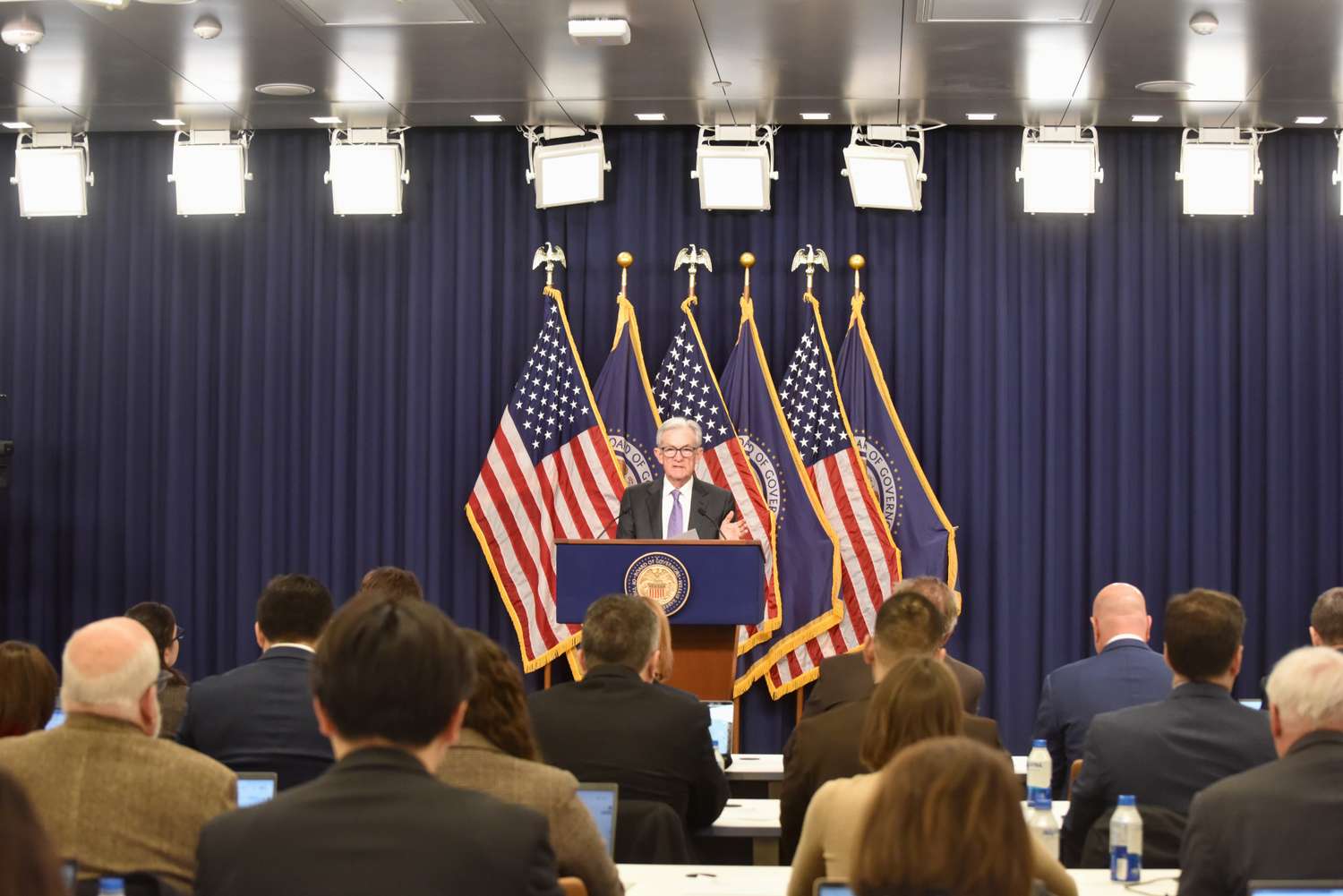
The Fed's entering its unknown era, and that's bad news for investors
Yahoo Finance· 2025-12-11 20:57
Core Points - The Federal Reserve has cut rates for the third time this year, aligning with expectations, but future decisions may not be as predictable [1] - Fed Chair Jerome Powell has maintained consistency and transparency in his projections, notably forecasting three rate cuts in 2025 [2] - Diverging opinions among Fed members regarding inflation and employment management have led to increased uncertainty, highlighted by three dissenting votes in the latest meeting [3] Summary by Sections Rate Cuts and Projections - The Fed's latest "dot plot" indicates one rate cut is expected next year, but individual forecasts vary significantly among members [4] - Powell's term is set to end in May, with potential changes in leadership that could influence future rate decisions [4] Leadership and Market Reactions - Kevin Hassett, a potential replacement for Powell, has advocated for aggressive rate cuts, raising concerns among investors about inflation management [5] - Investors are prepared to respond to unconventional Fed policies, with "bond vigilantes" historically opposing monetary policies they disagree with [6] Market Stability Concerns - The ongoing tension between investors and the Fed could disrupt the bond market's traditional role as a stable investment [9]
Howard Marks Sees No Need for More Rate Cuts
Youtube· 2025-12-11 15:14
Group 1 - The Federal Reserve's accommodative policies, including rate cuts and balance sheet expansion, may lead to increased risk-taking behavior in the market [1][2][3] - Current low interest rates, with the Fed funds rate at 3.5%, are considered low historically, but they are inducing moderate returns in the debt market [6][7] - The S&P 500's price-to-earnings ratio suggests a low prospect of returns, historically averaging in the low single digits over the next ten years when bought at current levels [7] Group 2 - Concerns about the impact of artificial intelligence and automation on the labor market are significant, with potential job quality deterioration despite job count stability [9][10] - The relationship between job loss due to automation and societal issues, such as the opioid epidemic, highlights the importance of job fulfillment beyond financial compensation [11]