抗战精神

Search documents
为抗战发出怒吼 为大众谱出呼声(抗战文艺作品巡礼)
Ren Min Ri Bao· 2025-04-23 22:07
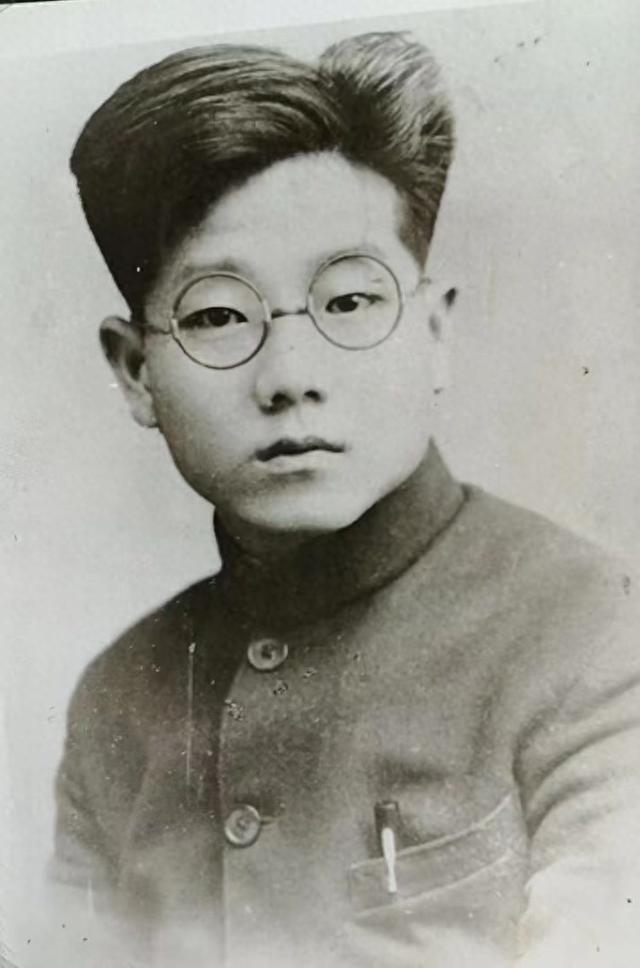
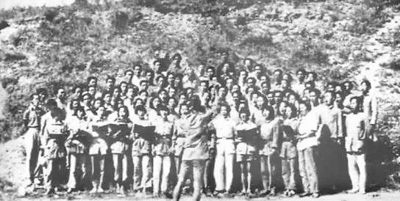
开栏的话 今年,是中国人民抗日战争暨世界反法西斯战争胜利80周年。回望烽火岁月,拿笔的战士从未缺席,一 部部文艺作品在战火中诞生。这些作品如同战斗的号角,担负着唤起民众、团结民众、鼓舞民众投入抗 日救亡洪流的重大使命。 本版今起开设"抗战文艺作品巡礼"栏目,品味永不褪色的抗战文艺经典,致敬中国文艺史上这辉煌而悲 壮的一页,弘扬伟大抗战精神,凝聚前行力量。 几十年来,我在不同场合、无数次地聆听《黄河大合唱》,每次都会不由自主地眼含热泪。唱到《黄河 怨》,许多人挥巾拭泪;唱到《保卫黄河》,全场激情澎湃。每一曲完毕,观众总报以热烈的掌声。父 亲冼星海如果能看到这些,心里该多高兴啊!他的一部《黄河大合唱》,可以顶千军万马。 1939年,母亲孕育了我,父亲孕育了《黄河大合唱》。我们是"同龄娃"。 那年除夕,延安窑洞,光未然声情并茂地朗诵了《黄河大合唱》的歌词,这是他在病榻前口述、由胡志 涛笔录的。朗诵结束,父亲一步向前,紧握光未然的手,激动地说:"我有把握将它写好!"大家期待新 的作品问世。 听母亲讲,歌词激发了父亲的创造力,六天六夜,创作始终处在亢奋状态。那几天,父亲生病了,但仍 彻夜奋战,不厌其烦地请光未然和战友们 ...

用文学捧起抗战英烈的血色辉煌
Bei Jing Ri Bao Ke Hu Duan· 2025-03-31 03:51
Core Viewpoint - The article highlights the significance of the report literature "Wei Guoyuan and His Brothers," which commemorates the 80th anniversary of the victory in the Chinese People's Anti-Japanese War and the World Anti-Fascist War, focusing on the heroic deeds of Wei Guoyuan and his contributions to the resistance movement [1][4][15]. Group 1: Historical Context - 2025 marks the 80th anniversary of the victory in the Chinese People's Anti-Japanese War, with Mentougou District having a rich history and numerous legendary figures from this period, including Wei Guoyuan, the first county head of the Wanping Anti-Japanese Democratic Government [1][4]. - Wei Guoyuan's family was deeply involved in the resistance, influencing many revolutionaries and making significant contributions to the war effort [1][4]. Group 2: Literary Contribution - The report literature "Wei Guoyuan and His Brothers," authored by Ma Shuqin, is based on extensive historical research and interviews, aiming to preserve and promote red culture [3][4]. - The work presents a gripping narrative of the anti-Japanese struggle in Beijing's western region, paying tribute to Wei Guoyuan and all heroes who fought for national independence [4][6]. Group 3: Critical Reception - The report literature has been well-received, with discussions focusing on its historical details, literary value, and the portrayal of heroic figures [4][6][9]. - Critics have praised the work for its authentic representation of history and the emotional depth it brings to the narrative, highlighting the author's meticulous research and storytelling style [9][11][15]. Group 4: Themes and Structure - The narrative intertwines personal stories with broader historical events, showcasing the complexities of human nature during wartime and the heroism of individuals like Wei Guoyuan [7][11][13]. - The structure of the work is noted for its cyclical nature, beginning and ending at the Babaoshan Revolutionary Cemetery, symbolizing a journey through history and memory [13][15].