红色文化

Search documents
新春走基层 | 在周恩来邓颖超的“年”中感悟家国情怀
Xin Lang Cai Jing· 2026-02-28 03:42
Core Viewpoint - The article highlights the various activities and exhibitions organized by the Zhou Enlai and Deng Yingchao Memorial Museum during the Spring Festival, aiming to promote the spirit of the leaders and red culture, attracting over 42,000 visitors [2]. Group 1: Activities and Exhibitions - The museum has planned 18 activities from February to the Lantern Festival, including educational classes and thematic events to engage families and youth [4]. - New exhibitions such as "The Unfading Shadow: The 50th Anniversary of Zhou Enlai's Passing" and "The National Sentiment of Zhou Enlai and Deng Yingchao during the Spring Festival" have been introduced [3][4]. - The museum features a 1:1 replica of Zhou Enlai's office and living spaces, allowing visitors to experience the historical context of the leaders' lives [10]. Group 2: Historical Context and Personal Stories - The exhibitions showcase significant artifacts and documents related to Zhou Enlai and Deng Yingchao's experiences during the Spring Festival, including letters and personal reflections [7][9]. - A poignant story from 1961 recounts a simple New Year's Eve dinner hosted by Zhou Enlai, emphasizing the values of frugality and gratitude towards the Communist Party [5]. - The narrative includes Zhou Enlai's aspirations and reflections during his youth, illustrating his commitment to revolutionary ideals and personal growth [9]. Group 3: Cultural Significance - The events blend traditional Chinese cultural themes of reunion and renewal with the revolutionary spirit of dedication and sacrifice, resonating deeply with visitors [11]. - The museum's approach aims to create a warm and meaningful experience for attendees, fostering a connection between historical figures and contemporary audiences [10].

湘南古村里的年与廉——黄克诚故居新春见闻
Zhong Yang Ji Wei Guo Jia Jian Wei Wang Zhan· 2026-02-28 00:15
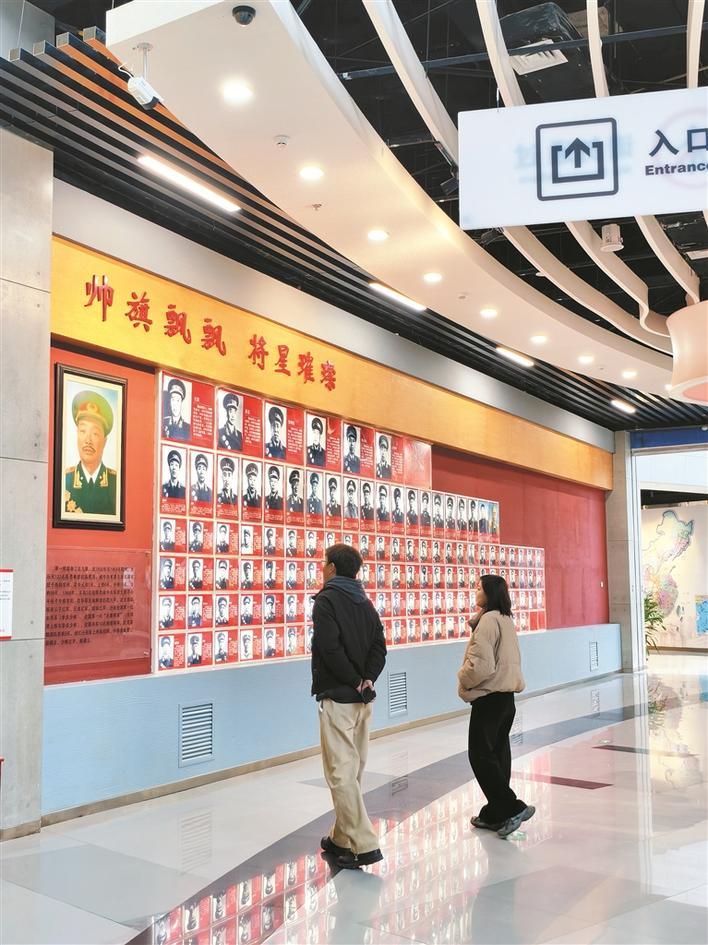
Core Viewpoint - The article highlights the significance of the hometown of General Huang Kecheng in promoting red culture and its integration with local tourism, showcasing how historical figures can inspire modern community development and values [2][3][7]. Group 1: Historical Significance - Huang Kecheng, born in 1902, was a prominent figure in the Communist Party, known for his integrity and dedication to revolutionary ideals throughout his life [3][4]. - His return to his hometown after 24 years in 1952 marked a significant moment, emphasizing his humility and commitment to equality, as he refused to be carried in a sedan chair [4][5]. Group 2: Cultural Heritage and Education - The Huang Kecheng residence serves as a museum that reflects his family values and teachings, including a notable story about his son's wedding, which was conducted simply without public extravagance [5][6]. - The "three no family rules" established by Huang Kecheng, which discourage the misuse of public resources, continue to influence the community's values and promote integrity among the villagers [6]. Group 3: Economic Development through Tourism - The integration of red culture with local tourism has led to a significant increase in the village's economy, with annual collective income exceeding 800,000 yuan, and individual farmers earning over 100,000 yuan through agricultural initiatives [7]. - The village has developed a model combining specialty farming, hospitality, and educational tourism, which has revitalized the local economy and preserved the red cultural heritage [7].
赴一场兵团“红色旅游”之约
Xin Lang Cai Jing· 2026-02-23 20:39
Core Viewpoint - The article highlights the rising trend of red tourism in Xinjiang Production and Construction Corps, emphasizing the cultural and historical significance of red-themed attractions and experiences that connect visitors with the region's revolutionary past [7][10]. Group 1: Red Cultural Tourism Development - A surge in red tourism is observed in various cities of the Xinjiang Production and Construction Corps, marking a significant cultural movement that transcends mere travel [7]. - The red exhibition halls serve as bridges connecting history with the present, showcasing the rich heritage of the Corps through numerous artifacts and exhibits [8][11]. - The Xinjiang Production and Construction Corps has developed 14 red education experience routes, allowing visitors to explore historical sites and museums in a structured manner [10]. Group 2: Immersive Experiences and Educational Programs - Immersive experiences, such as visiting well-preserved historical sites and participating in hands-on activities, allow visitors to engage deeply with the history of the Corps [11][12]. - Various educational programs are offered, enabling children and families to experience the labor and struggles of the past, fostering a connection to the Corps' legacy [12]. - The integration of modern technology in cultural centers enhances the learning experience, making historical narratives more accessible and engaging [11]. Group 3: Cultural and Artistic Expressions - The vitality of red culture is reflected in the artistic expressions that bring history to life through stage plays, poetry recitals, and other performances [13]. - The development of red cultural products, such as souvenirs and creative merchandise, merges historical elements with contemporary design, making the culture more relatable and collectible [13]. - Red culture has become an integral part of urban development and social progress in the region, influencing community activities and educational themes [14].
吴石故居前,他们一直等到闭馆还不愿离去
Xin Lang Cai Jing· 2026-02-23 09:21
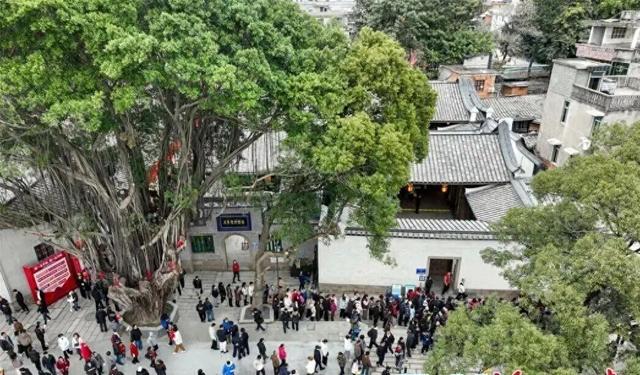
Core Viewpoint - The restoration of the Wu Shi Former Residence in Fuzhou has turned it into a popular destination for visitors seeking to connect with revolutionary history and national sentiment during the Spring Festival [1][3]. Group 1: Restoration and Cultural Significance - The Wu Shi Former Residence, a traditional courtyard house from the Qing Dynasty, covers an area of approximately 946 square meters and has been restored after suffering damage over the years [3]. - The residence reopened to the public for free trial operation on February 7, following over two months of systematic repairs [3]. - The restoration integrates architectural space with narrative storytelling, featuring nine thematic chapters that detail General Wu Shi's life from education to military service and revolutionary involvement [5]. Group 2: Visitor Engagement and Experience - During the Spring Festival, the residence saw a significant influx of visitors, with a limit of 400 people allowed inside at a time, leading to long queues outside [7]. - Visitors from various regions expressed their respect for General Wu Shi through different forms of tribute, including laying flowers and taking photographs [8][10]. - A message wall at the entrance was filled with visitors' expressions of reverence and hopes for national unity, indicating a strong emotional connection to the site [10][12]. Group 3: Broader Impact and Sentiment - The ongoing popularity of the TV drama "Silent Glory" has contributed to the increased interest in Wu Shi's hometown, drawing many visitors to Fuzhou [3]. - The atmosphere at the residence reflects a collective yearning for national unity and the revival of patriotic sentiments among visitors [12][13].
红色文化之旅 厚植家国情怀
Xin Lang Cai Jing· 2026-02-17 22:46
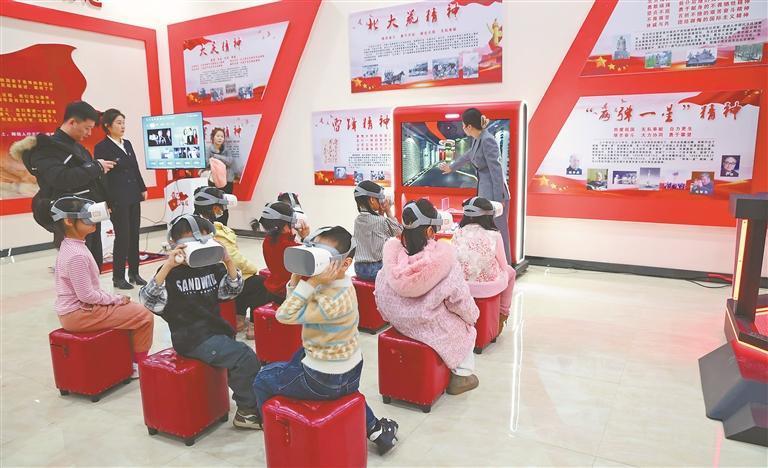
Core Viewpoint - The event organized by Longjiang Forestry Tongbei Bureau aimed to strengthen the patriotic sentiment among forestry workers and their children through immersive cultural experiences and storytelling [3][4]. Group 1: Event Overview - The "Warm Heart Escort: Trade Union Accompanies Your Growth - Red Heritage Parent-Child Journey" theme activity gathered forestry workers and their children for a cultural journey [3]. - Participants engaged in a history education exhibition and a forestry construction exhibition, where children learned about the struggles and achievements of their predecessors [3]. Group 2: Interactive Experience - The VR experience zone was a highlight, allowing participants to "travel" back to revolutionary times, enhancing their understanding of historical events through advanced digital technology [4]. - Interactive segments included fun quizzes and storytelling, fostering a deeper connection to party history and local development among children in a joyful atmosphere [4].
(新春走基层)京城长辛国潮奇妙夜启幕 赴千年古镇感受古今交织年味儿
Xin Lang Cai Jing· 2026-02-17 13:15
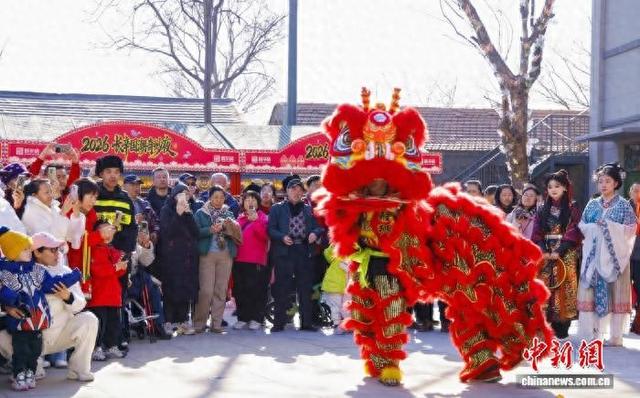
Core Viewpoint - The "2026 Changxin National Trend Wonderful Night" event is being held from February 17 to February 23, 2026, in the Changxin National Trend Fashion District, integrating traditional customs with modern fashion to create a cultural and engaging New Year celebration for citizens [1][3][5]. Group 1: Event Overview - The event features nine unique activities, including interactive blessings, artistic performances, fun sports events, and immersive experiences, aimed at blending traditional New Year customs with contemporary trends [1][3]. - Changxin Town, with its rich cultural heritage and diverse folk activities, serves as a backdrop for the event, showcasing a deep cultural legacy that enhances the festive atmosphere [3][5]. Group 2: Key Activities - A highlight of the event is the "Immortal Sect Parade," where NPCs embody classic auspicious figures such as Fu, Lu, Shou, Xi, Cai, and others, creating a fantastical experience for attendees [3][5]. - The event includes family photo services, a New Year lottery, and various interactive activities, allowing citizens to engage in fun and festive experiences [5][7]. Group 3: Cultural Integration - The event features a variety of performances, including traditional Chinese opera, magic, and acrobatics, alongside immersive VR experiences that transport participants to significant historical events like the Long March [7][8]. - The integration of cultural elements with modern entertainment aims to create a unique New Year experience that resonates with both local citizens and visitors [7][8].
骏马贺新春丨大年初一,超千人走进纪念馆感受红色文化与传统文化的交融之美
Xin Lang Cai Jing· 2026-02-17 10:06
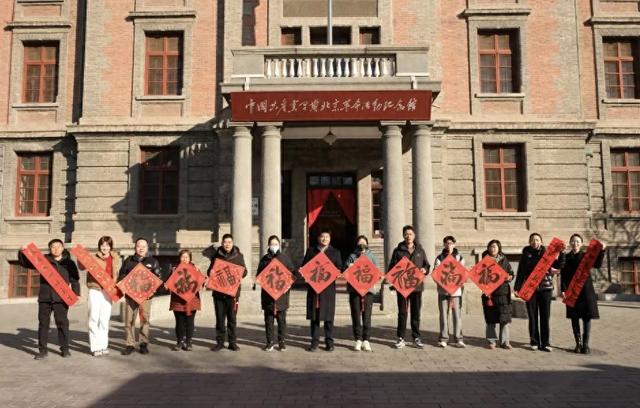
Group 1 - The article highlights the vibrant atmosphere in Beijing during the Spring Festival, with many citizens visiting the early revolutionary activities memorial of the Communist Party of China to experience revolutionary ideals and traditional culture [2][5] - Visitors, including students and families, engage in immersive experiences at the memorial, learning about revolutionary figures such as Li Dazhao, Chen Duxiu, and Mao Zedong, and reflecting on their contributions to the nation's history [7][9] - The memorial staff actively provide a festive atmosphere and quality service to enhance the visitor experience during the holiday season [14] Group 2 - The article mentions that local residents frequently visit historical sites, such as the Mongolian and Tibetan School, to enrich their knowledge and foster a sense of the Chinese national community [13] - Interactive cultural activities, such as solving lantern riddles and hands-on experiences, are organized to engage visitors and deepen their understanding of Chinese culture [13]
朋友,你知道为什么战地春联分外“红”吗?
Xin Lang Cai Jing· 2026-02-17 01:45
Group 1 - The article reflects on the historical journey of the People's Army over the past 99 years, emphasizing the continuity of purpose and direction despite changes in leadership and circumstances [3][25][28] - It highlights the significance of slogans and couplets written by soldiers throughout history, which express their hopes and aspirations for peace and victory [19][27] - The narrative connects various historical events, from the establishment of the Red Army to modern conflicts, illustrating the enduring spirit and sacrifices made by soldiers [10][25][30] Group 2 - The article commemorates the sacrifices of soldiers in recent conflicts, specifically mentioning the 2020 Galwan Valley clash and the heroes who lost their lives [25][27] - It discusses the cultural importance of couplets as a means of expressing sentiments and preserving memories of those who fought for the nation [27][28] - The piece concludes with a message of hope and determination, asserting that through collective effort, great ideals can be achieved [28][30]
欢欢喜喜过大年|北大红楼、蒙藏学校旧址邀您共度红火中国年
Xin Lang Cai Jing· 2026-02-15 14:49
Core Viewpoint - The article highlights a series of cultural and educational activities organized at the Peking University Red Building and the Mongolian and Tibetan School site during the Spring Festival, aiming to blend revolutionary history with traditional culture and engage the public in meaningful experiences [2]. Group 1: Spring Festival Activities - "Welcoming the New Year and Sending Blessings" event will provide visitors with 福 (Fu) characters, allowing them to create cultural memories in a revolutionary historical atmosphere [4]. - "New Year Remembers the Original Intention, Youth is Just Right" volunteer explanations will be conducted by excellent guides and young volunteers, focusing on themes like "Revolutionary Original Intention" and "Chinese National Community" [6]. - "Spiritual Source Journey" will offer immersive experiences for youth through guided tours, scenario simulations, and group discussions to instill values and historical understanding [8]. Group 2: Specific Event Details - The events will take place from February 17 to February 19, with specific times for each activity at the Peking University Red Building and the Mongolian and Tibetan School site [8]. - "I am a Little Guide" experience activity will recruit youth to learn basic explanation skills and present segments of the exhibition, aimed at enhancing their public speaking and historical awareness [10]. - "New Year Lantern Riddles" will invite visitors to participate in traditional cultural experiences, with limited commemorative gifts available for those who solve the riddles [12][13]. Group 3: Cultural Experience Projects - Special cultural experience projects will include performances of Liao Nan shadow puppetry, Ulan Muqi artistic programs, and Anhui folk songs, allowing audience interaction and engagement [14]. - These performances will take place at the Mongolian and Tibetan School site from February 20 to February 24, with specific times for each show [14][16].
候车厅也是展厅!北京五大火车站邀旅客免费看展览
Xin Lang Cai Jing· 2026-02-14 05:03
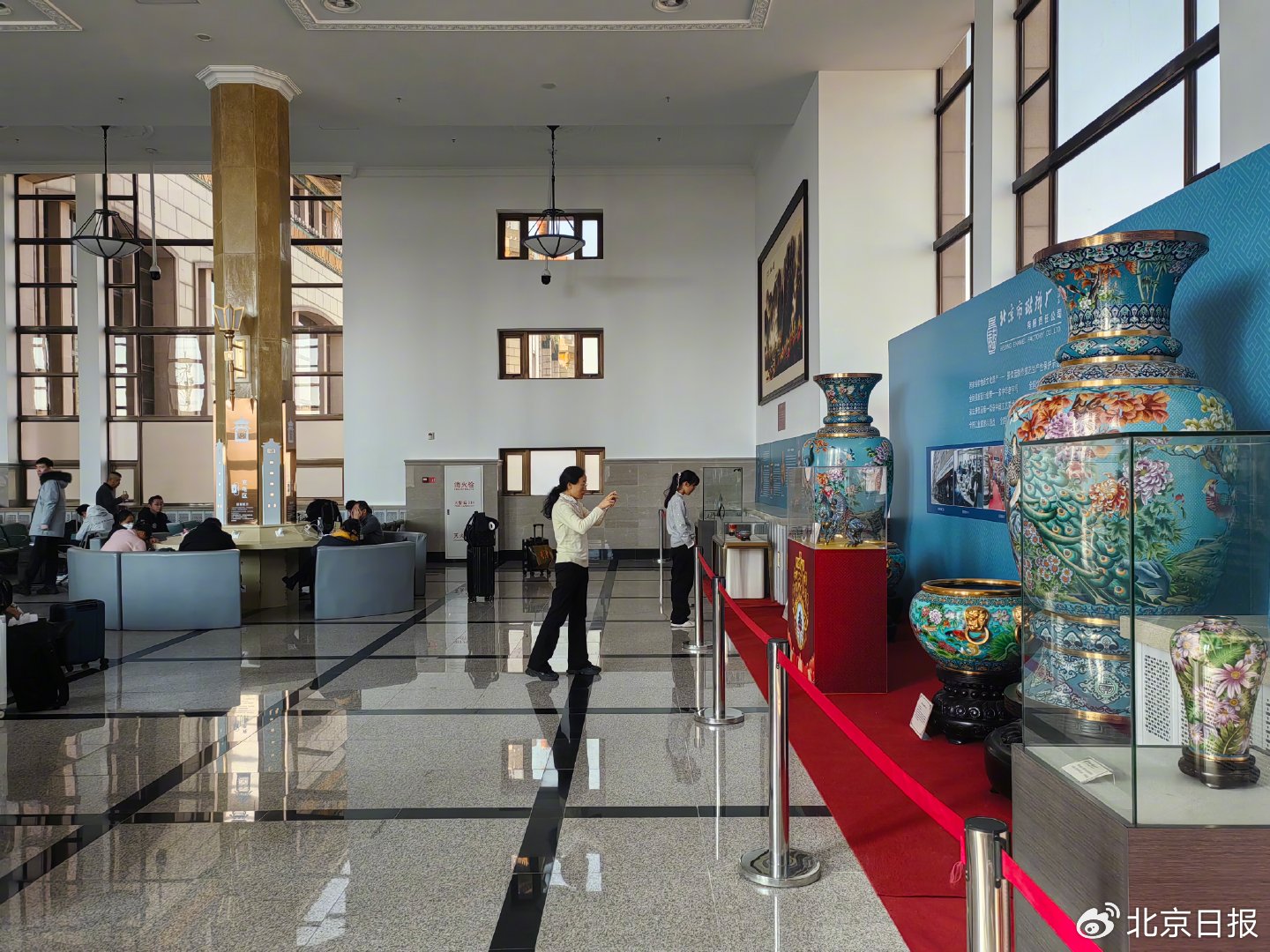
Core Viewpoint - Beijing's key station management committee, in collaboration with cultural institutions, has launched a series of "Museum in Station Area" activities to enhance cultural experiences for travelers during the Spring Festival [1] Group 1: Beijing Station Exhibition - The Beijing Station features a non-material cultural heritage exhibition showcasing dozens of exquisite cloisonné pieces, highlighting the brilliance of "Yanjing Eight Wonders" [3] - The exhibition includes traditional artifacts reflecting Ming and Qing palace styles and modern pieces incorporating zodiac elements, emphasizing themes of reunion for the New Year [3] - A "Craftsmanship Decoding Zone" is set up to present the six core steps of cloisonné production, allowing travelers to appreciate the wisdom of intangible cultural heritage [3] Group 2: Beijing North Station Exhibition - At Beijing North Station, a red-themed exhibition, in collaboration with the Xiangshan Revolutionary Memorial Hall, uses historical materials and scene recreations to showcase the Party's leadership in the arts [5] - Travelers can immerse themselves in the red culture and the historical significance of the Communist Party's efforts during critical periods in Chinese history [5] Group 3: Beijing Chaoyang Station Exhibition - The "Winter Olympics Continuation, Olympic Flame Reignition" exhibition at Chaoyang Station combines physical artifacts, images, and interactive installations to discuss the sustainable development of Olympic venues [7] - An interactive display by the Chaoyang District Health Committee promotes traditional Chinese medicine culture through AR technology and specimen displays [7] - A photography exhibition titled "Lantai Cup: Chaoyang Symbols" captures urban changes and daily life through visual storytelling [7] Group 4: Tongzhou Station Exhibition - Tongzhou Station hosts the most concentrated exhibitions, featuring four thematic displays that create an immersive cultural experience [9] - The "Light of the New City by the Great River" photography exhibition documents the development of Beijing's sub-center, while the "Hundred Horses, Hundred Blessings" exhibition showcases vibrant New Year paintings and folk lectures [9] - The "Zodiac Maze" exhibition features over 400 award-winning designs from more than 30 countries, promoting dialogue between international design and Chinese zodiac culture [9]